


 Предпросмотр
 Поделиться
 Поделиться
 Детали произведения

 Скачать
 Похожие работы
 Рентгенография
 Слайд-шоу
 Статистика
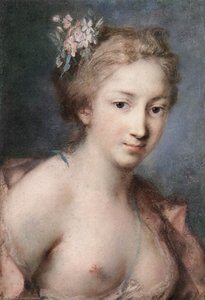
Portrait of Catherine Opalińska as Queen of Poland

 Читать далее
Приобретите цифровое изображение высокого разрешения в улучшенном качестве, которое значительно превосходит онлайн-превью.
Каждый файл тщательно подготавливается нашими специалистами с использованием передовых инструментов и экспертной ручной ретуши. Мы гарантируем исключительную четкость, точную цветопередачу и детальную проработку каждого изображения.
Финальный файл доставляется по электронной почте в течение 72 часов и оптимизирован для немедленного использования в профессиональной среде, при верстке и печати. Это тот же уровень качества, которому доверяют ведущие дизайнерские студии, издательства и галереи.
Цифровое изображение
Скачайте файл высокого разрешения для личного использования, печати и творческих проектов. ( Перейти к печати Купить картину ручной работы)
Включено в каждый заказ цифровых изображений
Гарантия экспертной цифровой доставки
Выбирая ArtsDot.com, вы получаете не просто изображение — вы приобретаете профессионально обработанное цифровое произведение искусства, созданное с безупречной точностью и под защитой гарантии качества. Вот всё, что автоматически входит в ваш заказ:

Мгновенная доставка по e-mail
Ваш цифровой файл в высоком разрешении будет отправлен вам по электронной почте в течение 72 часов после оформления заказа — и сразу станет доступен для использования.

Цифровой файл с ИИ-улучшением
Ваше произведение искусства проходит профессиональную оптимизацию с использованием передовых инструментов ИИ и ручной обработки, что гарантирует максимальную детализацию, четкость и точность цветопередачи.

Бессрочная бесплатная повторная доставка
Случайно удалили или потеряли файл? Не беспокойтесь — мы отправим его вам повторно в любое время и совершенно бесплатно.

Без импортных пошлин — навсегда
Наслаждайтесь вашим произведением искусства мгновенно без таможенных пошлин, сборов или затрат на доставку — цифровые загрузки всегда не облагаются налогом.

Гарантия точности цветопередачи
Мы гарантируем, что ваше цифровое изображение максимально точно передает оригинальные цвета благодаря использованию профессиональных инструментов и систем управления цветом.

Гарантия удовлетворенности 100 дней
Если вы не будете удовлетворены своим цифровым изображением, мы внесем правки или вернем 100% стоимости в течение 100 дней — без лишних вопросов.

100% Гарантия возврата средств
Не удовлетворены покупкой? Получите полный возврат средств в течение 100 дней после получения цифрового файла — без лишних вопросов.

Скидки на оптовые заказы
Купите 3 изображения, сэкономьте 10% — Купите 5, сэкономьте 15% — Купите 10+, сэкономьте 20%. Отличное решение для творческих проектов, галерей и агентств.
Похожие произведения

![Three Studies Of A Woman's Head And A Study Of Hands [recto], — Ватто, Rococo Style](/media/artworks/images-thumb/65/73/65730255a762c06e3235059db7ffcb5f.jpg)
Биография художника
A Legacy of Likeness: The Life and Art of Jean-Baptiste van Loo
Jean-Baptiste van Loo, born in Aix-en-Provence in 1684, emerged from a distinguished lineage of artists, a heritage that profoundly shaped his artistic journey. His father, Louis-Abraham van Loo, himself the son of Jacob van Loo, instilled in him not only technical skill but also an appreciation for the power and prestige associated with portraiture. This familial foundation proved crucial as young Jean-Baptiste embarked on a career destined to capture the likenesses of Europe’s elite. Early training laid the groundwork for his future success, fostering a meticulous attention to detail and a developing understanding of composition that would become hallmarks of his style. The initial artistic explorations within Aix and Toulon were abruptly interrupted by the siege of 1707, an event that propelled him toward new opportunities and further refinement of his craft.From Roman Churches to Parisian Salons
A pivotal moment arrived with the patronage of Prince Emmanuel Philibert of Carignano, who recognized van Loo’s burgeoning talent and sponsored his journey to Rome. This sojourn proved transformative. Under the tutelage of Benedetto Luti, van Loo immersed himself in the vibrant artistic milieu of the Italian capital, honing his skills while contributing significantly to the city's religious landscape. His “Scourging of Christ” for the church of Santa Maria in Monticelli garnered considerable acclaim, demonstrating a mastery of dramatic composition and emotional intensity. This early success established him as a painter capable of both technical brilliance and profound spiritual expression. Following Rome, van Loo’s artistic path led him to Turin, where he painted portraits of Charles Emmanuel II, Duke of Savoy, and members of his court, further solidifying his reputation among European nobility. The culmination of this period saw his election into the prestigious Académie Royale de Peinture et de Sculpture in Paris, marking a significant milestone in his career and opening doors to commissions from the highest echelons of French society. He also undertook restoration work at Fontainebleau, demonstrating versatility beyond portraiture.Capturing an Era: Portraiture and Aristocratic Patronage
Van Loo’s true mastery lay in the art of portraiture. He possessed a remarkable ability to capture not merely physical resemblance but also the essence of his sitters – their status, personality, and even subtle nuances of character. His portraits were sought after by aristocrats across Europe, including a young William Murray (later the 1st Lord Mansfield) during his time in Paris, and later Sir Robert Walpole in England. The portrait of Walpole, now residing in the National Portrait Gallery, London, exemplifies van Loo’s style: a dignified depiction emphasizing power and authority through meticulous detail in attire and pose. While celebrated for his technical skill, it's worth noting that van Loo’s portraits were often described as unflattering, prioritizing faithful representation over idealization. This commitment to realism, while perhaps not always appreciated by his subjects, contributed to the historical value of his work, offering invaluable insights into the appearance and demeanor of prominent figures of the 18th century. His ability to convey social standing through artistic choices made him a favored artist among those seeking to project an image of power and refinement.A Brief English Interlude and Enduring Influence
In 1737, van Loo ventured to England, where he quickly gained recognition for his portraits of Colley Cibber and Owen McSwiny. However, his time in Britain was cut short by declining health, forcing him to return to France in 1742 and eventually settle back in Aix-en-Provence, where he passed away in 1745. Despite the brevity of his English sojourn, it left a lasting impression on the artistic landscape of the period. His work influenced subsequent generations of portrait painters, who admired his technical precision and commitment to realism. The legacy of Jean-Baptiste van Loo extends beyond individual masterpieces; he represents a pivotal figure in the development of 18th-century portraiture, bridging the gap between the Baroque and Rococo styles. Today, his paintings continue to captivate audiences with their historical significance and artistic merit, offering a glimpse into a bygone era of elegance, power, and refined artistry. His works can be found in prominent collections such as the National Portrait Gallery in London, ensuring that his contribution to art history remains accessible for generations to come.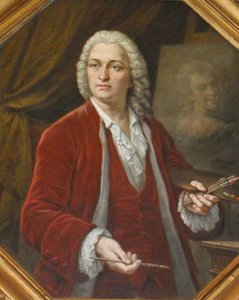
Jean-Baptiste van Loo
1684 - 1745 , France
Основные сведения
- Artistic Movement Or Style: Baroque, Rococo
- Artists Who Influenced This Artist: ['Benedetto Luti']
- Date Of Birth: 1684
- Date Of Death: 1745
- Full Name: Jean-Baptiste van Loo
- Nationality: French
- Notable Artworks:
- Scourging of Christ
- Portrait of Walpole
- King Louis XV portrait
- Place Of Birth: Aix-en-Provence, France