

 Предпросмотр
 Поделиться
 Поделиться
 Детали произведения

 Скачать
 Похожие работы
 Рентгенография
 Слайд-шоу
 Статистика
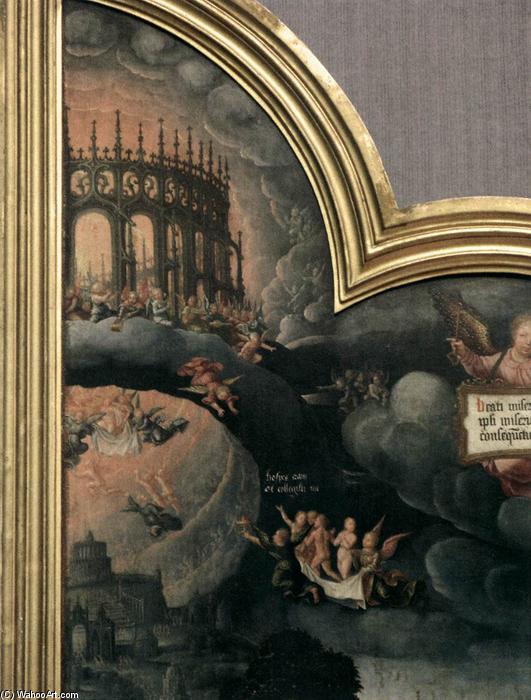
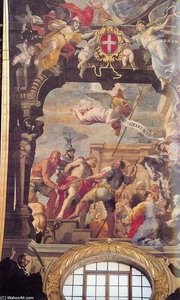
The Last Judgment (left wing, detail)


 Читать далее
Масляная репродукция ручной работы
Картина маслом на холсте в выбранном вами размере и раме, написанная на заказ нашими художниками. ( Перейти к печати Перейти к цифровым изображениям)




P118B $10

P118H $10

P118W $10

P438Z $10

P508JH $12

P508YH $12

P805H $10

P805Z $10

P919BZ $10

P919G $10

P919XJ $10

P959ZH $10

P968JZ $12

W106C $8

W218G $10

W218JH $8

W218Y $10

W307PJ $10

W316G $10

W316PJ $8

W316Y $10

W398PJ $8

W4111J $10

W500HY $15

W500JH $15

W692G $12

W849H $8

W940BG $15

W953PJ $8




Выберите один из наших стандартных размеров, соответствующих оригинальным пропорциям произведения искусства.

Вы можете указать собственные размеры, чтобы картина идеально вписалась в выбранную раму или пространство. Если выбранный вами размер не соответствует пропорциям оригинала, мы либо обрежем полотно, либо расширим его за счет дополнительных элементов, написанных вручную. Цифровой макет будет отправлен вам на утверждение перед началом производства.
Обратите внимание, что предварительный просмотр на экране не отражает фактическую обрезку или расширение. Только макет точно покажет окончательную композицию.
Хотя доступны индивидуальные размеры, мы рекомендуем выбирать вариант из предопределенного списка, чтобы сохранить исходные пропорции.
После оформления заказа команда ArtsDot.com свяжется с клиентом по электронной почте для уточнения деталей и предоставит предварительный макет
Доставка по всему миру () за 3–4 недели вместо стандартных 5 недель. (12 Сентябрь). Без компромиссов в качестве.

Бесплатная экспресс-доставка по всему миру

Высококачественный льняной холст

Полное страхование доставки

Гарантия возмещения таможенных пошлин

Гарантия точного соответствия цветов

100-дневная политика возврата (только при обнаружении дефектов)

Гарантия возврата 100% средств

Предложение оптовых скидок
 Вариант со стеклом доступен только для размеров менее 110 см

The Last Judgment (left wing, detail)
Техника репродукции
Размер репродукции
-


Итоговая стоимость
$ 263
A Celestial Vision in Flemish Color
In the quiet, hallowed corridors of Douai Cathedral, there exists a window into another realm, a fragment of a much larger divine drama captured by the hand of Jean Bellegambe. This detail from The Last Judgment serves as more than just a mere section of a triptych; it is a breathtaking testament to the era when Flemish mastery met the spiritual fervor of the Renaissance. Known affectionately as the "master of colours," Bellegambe possessed an almost supernatural ability to manipulate light, creating a sense of transparency and luminosity that makes the painted surface appear to glow from within. In this specific detail, we witness the delicate interplay of human narrative and divine architecture, where every brushstroke contributes to a larger symphony of faith and artistry.
The composition invites the viewer into a meticulously crafted world of shadow and brilliance. At first glance, one is struck by the profound depth achieved through Bellegambe’s signature technique. The figures, rendered with a soft yet precise realism, inhabit a space that feels both tangible and ethereal. A figure in the foreground, perhaps a scholar or a saintly witness, holds a sacred text, his focused presence grounding the celestial event in human intellect and devotion. Nearby, the quiet intimacy of a conversation between two figures provides a poignant contrast to the cosmic scale of the Last Judgment itself. This juxtaposition—the small, human moment set against the backdrop of eternity—is what gives the work its enduring emotional resonance.
Architectural Splendor and Symbolic Grace
Beyond the human element, the artwork reveals a fascination with the architectural sublime. Bellegambe utilizes the background to construct a vision of a heavenly palace, an edifice so intricate and delicate that it resembles fine gold work rather than stone. Through the use of slender arcades, elaborate tracery, and soaring pinnacles, the artist evokes the Flamboyant Gothic style, creating a structure that feels too ethereal to withstand the weight of earthly existence. This architectural marvel serves as a symbolic bridge between the terrestrial and the divine, guiding the eye upward toward the heavens where the blessed ascend.
The palette is a masterclass in harmonic balance. Earthy tones provide a sturdy foundation, while sudden bursts of deep blues, vibrant reds, and pristine whites create a rhythmic movement across the canvas. This careful orchestration of color does more than just decorate; it directs the soul. The light, filtering through clouds and reflecting off gilded surfaces, suggests a divine presence permeating even the smallest detail. For the collector or the designer, this piece offers an unparalleled opportunity to introduce a sense of historical grandeur and spiritual tranquility into a space. It is not merely a reproduction of a painting, but an invitation to contemplate the eternal beauty found in the intersection of human skill and divine inspiration.
Похожие произведения


Биография художника
Jean Bellegambe: The Maestro of Flemish Color
Jean Bellegambe (ca. 1470 – ca. june 1535–march 1536) stands as a pivotal figure in the artistic landscape of fifteenth and sixteenth-century Flanders, renowned primarily for his luminous religious paintings—particularly triptychs and polyptychs—that now grace institutions across Europe, including Douai Cathedral, Arras Museum, Aix Cathedral, Lille Musée Beaux Arts, Saint Petersburg Hermitage Museum, and Chicago Art Institute. He earned the moniker “master of colours” due to his unparalleled ability to achieve breathtaking transparency and harmonic interplay within his palettes, a stylistic hallmark that distinguishes him from many contemporaries. While biographical details remain scarce—his precise training is unknown—evidence suggests he emerged from Douai, France, as the son of Georges Bellegambe, a cabinetmaker and musician residing in rue Haute-des ferronniers (later rue Fosset-Maugart).- Early Life & Training: Precise information regarding Bellegambe’s formative years is elusive. Records indicate he was registered as a master painter in 1504, hinting at an apprenticeship or self-taught mastery—a common practice during the Renaissance.
- Career Highlights: By 1528, Bellegambe possessed property on rue de la Cloris and rue du Palais, reflecting his growing prosperity and establishing him as a respected artist within Douai’s artistic milieu. His prolific output spanned decades, producing monumental altarpieces and devotional panels that captivated audiences and cemented his legacy as one of the era's foremost painters.
Bellegambe’s Distinctive Style: Color & Technique
What truly elevates Bellegambe’s oeuvre is his masterful manipulation of colour—a characteristic that distinguishes him from other Flemish artists of his time. He eschewed the muted tones favored by some, opting instead for vibrant hues and subtle gradations that conveyed depth and emotion with remarkable precision. This technique, termed “sfumato,” achieved through meticulous layering of translucent glazes, created an ethereal quality reminiscent of Leonardo da Vinci’s work—a testament to Bellegambe's artistic sensitivity and innovation. Examination of surviving paintings reveals a dedication to textural detail, utilizing impasto techniques to imbue surfaces with palpable physicality.- The Cellier Altarpiece: Commissioned by Jeanne de Boubais for the Cistercian convent of Flines, this multipaneled altarpiece exemplifies Bellegambe’s stylistic prowess. Featuring Saint Bernard and his family gathered around Mary's throne, it showcases a masterful blend of realism and symbolic representation—a hallmark of Flemish devotional art.
- Notable Polyptychs: Several polyptychs attributed to Bellegambe bear witness to his artistic ambition and technical skill, demonstrating his ability to execute large-scale commissions with unwavering artistry.
Influences & Artistic Legacy
Bellegambe’s artistic vision was undoubtedly shaped by the prevailing currents of Renaissance art—particularly the influence of Italian masters like Piero della Francesca and Andrea Mantegna—whose compositional principles and use of perspective informed his approach to painting. However, unlike many artists of his era who slavishly imitated Italian models, Bellegambe developed a distinctly Flemish style characterized by psychological depth and expressive nuance. His works continue to inspire admiration for their luminous colour palettes and profound spiritual resonance.- The Last Judgment: The monumental *Last Judgment* at Saint Petersburg’s Hermitage Museum stands as a powerful testament to Bellegambe's artistic ambition and technical mastery, showcasing his ability to convey complex theological concepts with visual eloquence.
Recognitions & Museums Housing His Artworks
Bellegambe’s enduring fame is reflected in the preservation of his masterpieces within prestigious museums worldwide: Douai Cathedral houses *The Cellier Altarpiece*, Arras Museum showcases *The Saint Anne Polyptych*, Aix Cathedral displays *The Sainte Madeleine Polyptych*, Lille Musée Beaux Arts holds *The Virgin Mary with Saints* and Chicago Art Institute proudly presents *Saint Bernard and Saint Eustache*. These artworks serve as invaluable windows into the artistic spirit of fifteenth-century Flanders, ensuring that Jean Bellegambe’s legacy continues to illuminate the history of art.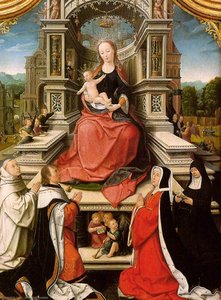
Jean Bellegambe
1470 - 1534 , France
Основные сведения
- Artistic Movement Or Style: Renaissance Painting
- Artists Or Movements Influenced By This Artist: ['Flemish Renaissance']
- Artists Who Influenced This Artist:
- Hieronymus Bosch
- Dieric Bouts
- Date Of Birth: ca. 1470
- Date Of Death: ca. june 1535–march 1536
- Full Name: Jean Bellegambe
- Nationality: Flemish
- Notable Artworks:
- The Cellier Altarpiece
- Annunciation
- Blood of Christ tryptich
- Place Of Birth: Douai, France
Похожие статьи

Giclée Prints: Archival Quality & Aesthetic Nuances for the Discerning Collector
Explore the world of giclée prints with ArtsDot. Learn about archival quality, aesthetic nuances & investment potential. Expert guidance for discerning art collectors seeking museum-quality reproductions and lasting value.
F.A.Q.: Giclée на холсте – различия, долговечность и аутентичность для ценителей искусства
Узнайте все о печати Giclée на холсте от ! Различия технологий, долговечность архивных чернил и аутентичность репродукций для истинных ценителей искусства. Гарантия качества.

Echoes of Time: Exploring the Enduring Appeal & Historical Context of Vintage Art Prints
Explore the captivating world of vintage art prints! Discover their history, collecting tips & enduring appeal. Expert insights on chromolithography and building a legacy collection with ArtsDot.

The Enduring Legacy of Fine Art Prints: Technique, History & Aesthetic Impact
Explore the rich history & techniques of fine art prints. Discover investment potential, assess authenticity, and learn how to preserve your collection with expert guidance. Trusted insights for discerning collectors.
The Enduring Legacy of Printmaking: Techniques, Themes & Artistic Innovation Across Centuries
Explore the rich history of printmaking with ArtsDot. Discover techniques from intaglio to lithography, learn about collecting valuable prints & find museum-quality reproductions. Expert insights for art enthusiasts and collectors.