 Предпросмотр
 Поделиться
 Поделиться
 Детали произведения

 Скачать
 Похожие работы
 Рентгенография
 Слайд-шоу
 Статистика
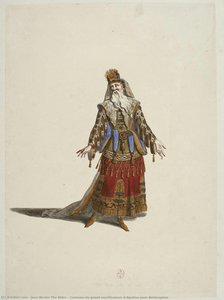
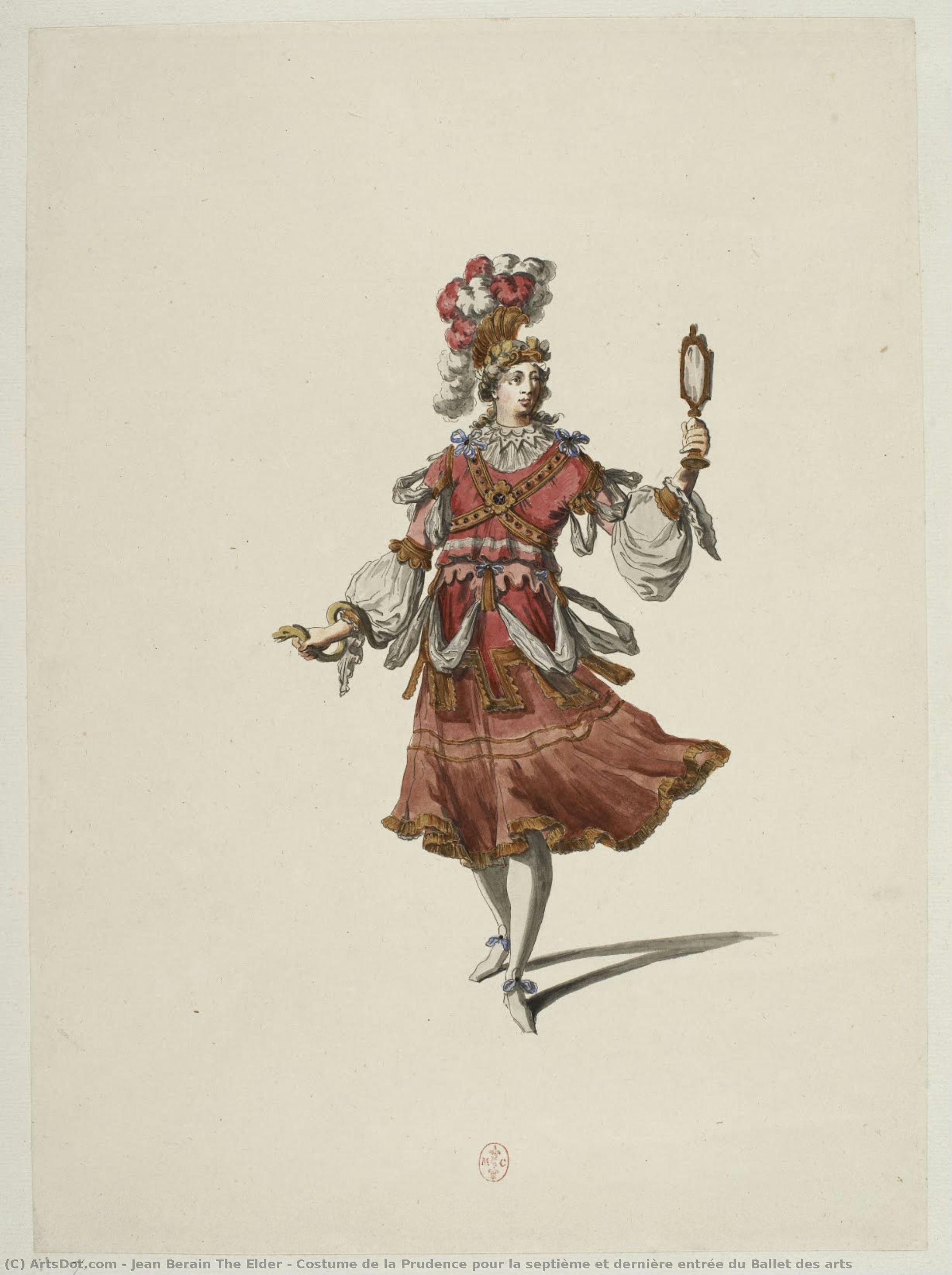
Costume de la Prudence pour la septième et dernière entrée du Ballet des arts


 Читать далее
Масляная репродукция ручной работы
Картина маслом на холсте в выбранном вами размере и раме, написанная на заказ нашими художниками. ( Перейти к печати Перейти к цифровым изображениям)




































Выберите один из наших стандартных размеров, соответствующих оригинальным пропорциям произведения искусства.

Вы можете указать собственные размеры, чтобы картина идеально вписалась в выбранную раму или пространство. Если выбранный вами размер не соответствует пропорциям оригинала, мы либо обрежем полотно, либо расширим его за счет дополнительных элементов, написанных вручную. Цифровой макет будет отправлен вам на утверждение перед началом производства.
Обратите внимание, что предварительный просмотр на экране не отражает фактическую обрезку или расширение. Только макет точно покажет окончательную композицию.
Хотя доступны индивидуальные размеры, мы рекомендуем выбирать вариант из предопределенного списка, чтобы сохранить исходные пропорции.
После оформления заказа команда ArtsDot.com свяжется с клиентом по электронной почте для уточнения деталей и предоставит предварительный макет
Доставка по всему миру () за 3–4 недели вместо стандартных 5 недель. (12 Сентябрь). Без компромиссов в качестве.

Бесплатная экспресс-доставка по всему миру

Высококачественный льняной холст

Полное страхование доставки

Гарантия возмещения таможенных пошлин

Гарантия точного соответствия цветов

100-дневная политика возврата (только при обнаружении дефектов)

Гарантия возврата 100% средств

Предложение оптовых скидок
 Вариант со стеклом доступен только для размеров менее 110 см

Costume de la Prudence pour la septième et dernière entrée du Ballet des arts
Техника репродукции
Размер репродукции
-


Итоговая стоимость
$ 263
Похожие произведения









Биография художника
Peter Paul Rubens: A Baroque Master of Light and Emotion
Peter Paul Rubens, a name synonymous with the vibrant energy and dramatic intensity of the Baroque period, remains one of the most influential artists in European history. Born on June 28th, 1577, in Siegen, Germany – though he spent his childhood in Antwerp, Belgium – Rubens’s life was a tapestry woven with artistic ambition, diplomatic service, personal tragedy, and an unparalleled output of masterpieces. His legacy extends far beyond the sheer volume of his work; it resides in his innovative techniques, his masterful command of color and composition, and his profound understanding of human emotion. He died on May 30th, 1640, leaving behind a body of art that continues to captivate and inspire centuries later.Early Life and Artistic Training: Seeds of Innovation
Rubens’s early years were marked by displacement and a nascent artistic sensibility. Following his family's flight from Antwerp during the Eighty Years’ War, they settled in the Duchy of Brabant, where young Peter received a surprisingly comprehensive education – encompassing Latin, Greek, rhetoric, music, and drawing. At the age of thirteen, he secured a position as a court page to Countess Juliane van der Glyck, a role that provided him with access to a world of luxury and artistic patronage while simultaneously stifling his creative spirit. Recognizing this constraint, Rubens sought formal training in Antwerp, initially under Otto van Veen, a painter known for his meticulous realism. However, it was the influence of Adam van Noort, a more experimental artist, who truly ignited Rubens’s imagination. Crucially, in 1600, at the tender age of twenty-three, he embarked on a transformative journey to Italy – a period that would fundamentally shape his artistic vision.The Italian Years: Classical Inspiration and Baroque Beginnings
Rubens’s sojourn in Italy proved to be nothing short of revelatory. He immersed himself in the works of the Renaissance masters, studying the sculptures of Michelangelo, the frescoes of Raphael, and the dramatic compositions of Caravaggio and Titian. He meticulously copied classical statues, absorbing their idealized forms and balanced proportions. Yet, he didn’t simply imitate; he synthesized these influences with his own burgeoning style, developing a distinctly Baroque approach characterized by dynamic movement, intense color contrasts, and an emphasis on sensual beauty. He worked primarily in Genoa, Mantua, Parma, and Rome, producing a remarkable series of altarpieces, mythological scenes, and portraits that showcased his growing technical skill and expressive power. These early Italian works established the foundation for his later success, demonstrating his ability to translate classical ideals into a vibrant, emotionally charged style.Antwerp: A Flourishing Workshop and Diplomatic Service
Upon his return to Antwerp in 1608, Rubens quickly established himself as one of the city’s leading artists. He secured prestigious commissions from wealthy patrons – including archdukes Albert and Isabella, who ruled the Southern Netherlands – and built a vast workshop that employed numerous assistants, allowing him to oversee an astonishingly prolific output. However, his life was not solely devoted to art; he also served as a diplomat for the Spanish crown, traveling extensively throughout Europe to secure support for their claims in the Netherlands. This diplomatic role brought him into contact with influential figures such as Charles I of England and Louis XIV of France, further enhancing his reputation and solidifying his position as a key player in European politics. His marriage to Isabella Brandt in 1610 provided him with a loving partner and a stable home, though tragedy struck again when she succumbed to illness in 1635.Style and Legacy: A Revolution in Color and Composition
Rubens’s artistic style is instantly recognizable – characterized by its exuberant color palette, dynamic compositions, and profound understanding of human anatomy and emotion. He employed a technique known as *terrestrial scopy*, meticulously studying the effects of light and shadow on natural surfaces to achieve an unparalleled sense of realism. His use of color was revolutionary; he eschewed the muted tones favored by his predecessors in favor of vibrant reds, blues, and golds, creating paintings that practically shimmer with life. Rubens’s influence extended far beyond his own lifetime. He inspired generations of artists – including Anthony van Dyck, Rembrandt, and many others – and his techniques continue to be studied and admired today. His legacy is not simply one of artistic skill but also of a bold and innovative spirit that transformed the course of Western art history. His works are held in major museums worldwide, testaments to the enduring power and beauty of his vision.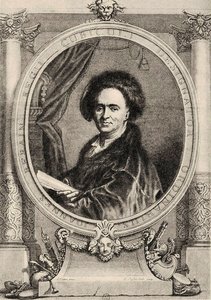
jean berain the elder
1640 - 1711 , Netherlands
Основные сведения
- Artistic Movement Or Style: Baroque
- Artists Or Movements Influenced By This Artist: ['Anthony van Dyck']
- Artists Who Influenced This Artist:
- Tobias Verhaecht
- Otto van Veen
- Date Of Birth: June 28, 1577
- Date Of Death: May 30, 1640
- Full Name: Peter Paul Rubens
- Nationality: Flemish
- Notable Artworks:
- The Raising of the Cross
- Descent from the Cross
- Venus and Adonis
- Place Of Birth: Siegen, Germany