

 Предпросмотр
 Поделиться
 Поделиться
 Детали произведения

 Скачать
 Похожие работы
 Рентгенография
 Слайд-шоу
 Статистика
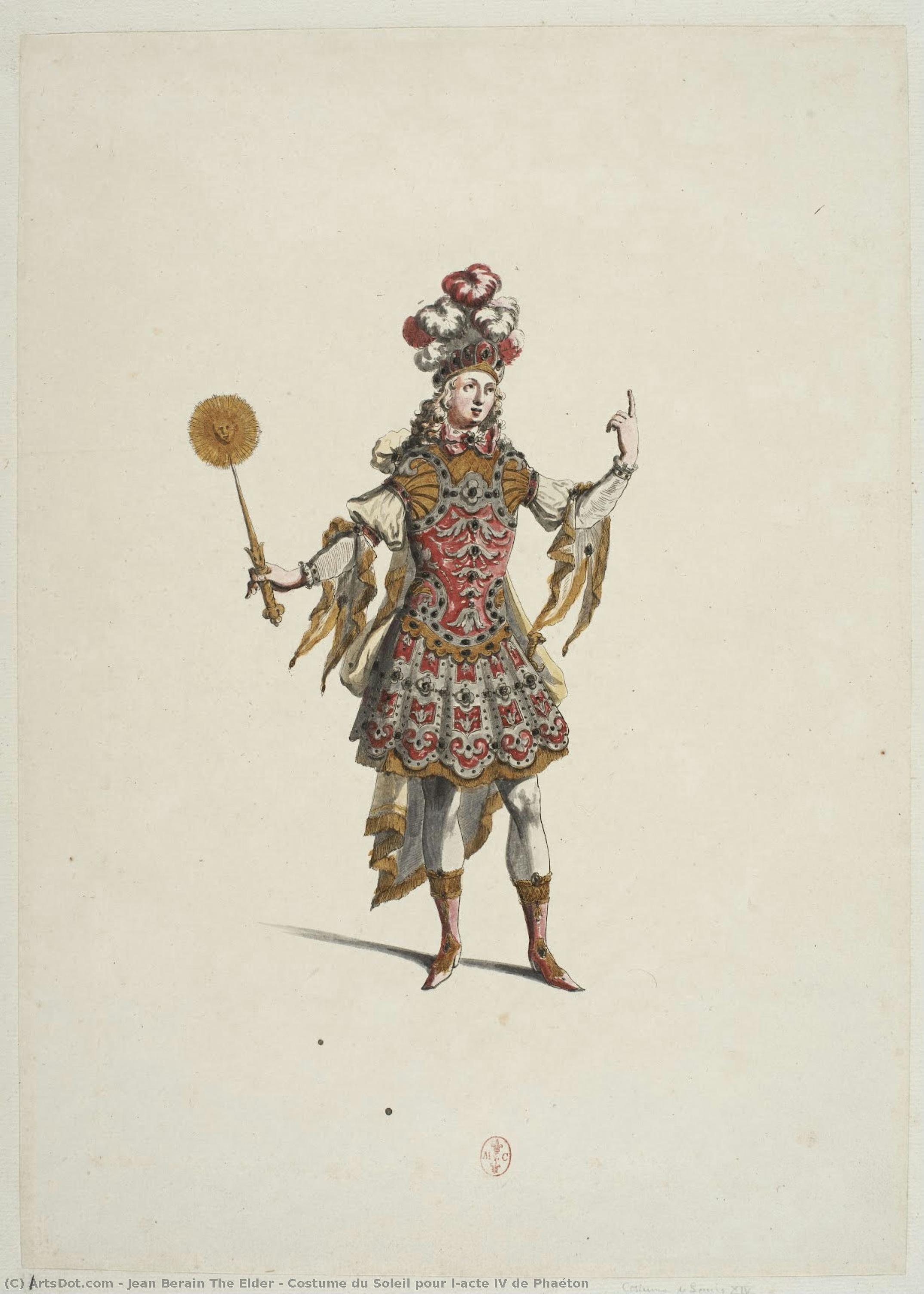
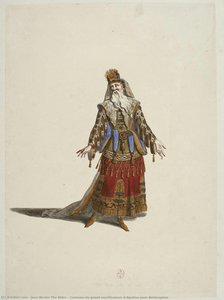
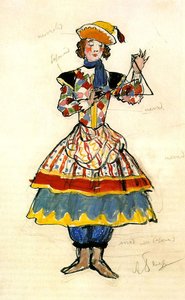
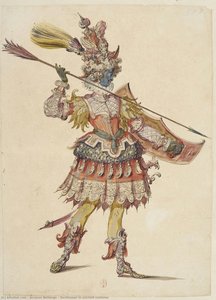
Costume du Soleil pour l’acte IV de Phaéton
 Print
Print- WallArt
- Baroque
 1683
1683- Early Modern
 38.0 x 27.0 cm
 Шатле де Шантильи
 Читать далее
Приобретите цифровое изображение высокого разрешения в улучшенном качестве, которое значительно превосходит онлайн-превью.
Каждый файл тщательно подготавливается нашими специалистами с использованием передовых инструментов и экспертной ручной ретуши. Мы гарантируем исключительную четкость, точную цветопередачу и детальную проработку каждого изображения.
Финальный файл доставляется по электронной почте в течение 72 часов и оптимизирован для немедленного использования в профессиональной среде, при верстке и печати. Это тот же уровень качества, которому доверяют ведущие дизайнерские студии, издательства и галереи.
Цифровое изображение
Скачайте файл высокого разрешения для личного использования, печати и творческих проектов. ( Перейти к печати Купить картину ручной работы)
Включено в каждый заказ цифровых изображений
Гарантия экспертной цифровой доставки
Выбирая ArtsDot.com, вы получаете не просто изображение — вы приобретаете профессионально обработанное цифровое произведение искусства, созданное с безупречной точностью и под защитой гарантии качества. Вот всё, что автоматически входит в ваш заказ:

Мгновенная доставка по e-mail
Ваш цифровой файл в высоком разрешении будет отправлен вам по электронной почте в течение 72 часов после оформления заказа — и сразу станет доступен для использования.

Цифровой файл с ИИ-улучшением
Ваше произведение искусства проходит профессиональную оптимизацию с использованием передовых инструментов ИИ и ручной обработки, что гарантирует максимальную детализацию, четкость и точность цветопередачи.

Бессрочная бесплатная повторная доставка
Случайно удалили или потеряли файл? Не беспокойтесь — мы отправим его вам повторно в любое время и совершенно бесплатно.

Без импортных пошлин — навсегда
Наслаждайтесь вашим произведением искусства мгновенно без таможенных пошлин, сборов или затрат на доставку — цифровые загрузки всегда не облагаются налогом.

Гарантия точности цветопередачи
Мы гарантируем, что ваше цифровое изображение максимально точно передает оригинальные цвета благодаря использованию профессиональных инструментов и систем управления цветом.

Гарантия удовлетворенности 100 дней
Если вы не будете удовлетворены своим цифровым изображением, мы внесем правки или вернем 100% стоимости в течение 100 дней — без лишних вопросов.

100% Гарантия возврата средств
Не удовлетворены покупкой? Получите полный возврат средств в течение 100 дней после получения цифрового файла — без лишних вопросов.

Скидки на оптовые заказы
Купите 3 изображения, сэкономьте 10% — Купите 5, сэкономьте 15% — Купите 10+, сэкономьте 20%. Отличное решение для творческих проектов, галерей и агентств.
A Glimpse into Theatrical Grandeur: Costume du Soleil pour l’acte IV de Phaéton
To gaze upon this depiction of Costume du Soleil pour l’acte IV de Phaéton is to step directly onto the gilded stage of an eighteenth-century opera. Painted by Jean Berain the Elder in 1683, this work transcends a mere portrait or costume study; it captures a moment suspended between myth and spectacle. The subject, elegantly arrayed in what appears to be a sunlit guise—suggested by the title itself—holds a delicate ball, her presence commanding attention even within the confines of a painted scene. The composition immediately draws the eye to the vibrant interplay of fabric, gesture, and theatrical light, inviting the viewer to imagine the applause that once accompanied this very performance.
The Allure of Baroque Spectacle
Jean Berain the Elder operated within a rich tradition where art served both aesthetic pleasure and narrative storytelling. This piece is steeped in the decorative spirit of the late Baroque period, an era obsessed with drama, movement, and opulent display. While the artist's biography suggests connections to broader European artistic currents, this specific work channels the energy of courtly entertainment. The costume itself is a masterclass in imagined luxury—the rich textures suggested by the drapery, the flourish of the hat, and the poise of the figure all speak to the elevated status of performance art during that time. It offers collectors and designers not just a painting, but an artifact evoking the grandeur of aristocratic leisure.
Symbolism Woven in Fabric
The title, referencing Phaéton and the Sun, imbues the piece with potent mythological symbolism. Phaéton’s story is one of divine power misused, a narrative rich with themes of hubris, celestial energy, and inevitable decline. By dressing the figure as the "Costume du Soleil," Berain elevates the costume from mere fashion to an emblem of solar might. The red hat, often associated with passion or royalty, combined with the radiant implication of the sun, suggests a character embodying both dazzling brilliance and perhaps a touch of perilous energy. It is a visual meditation on light itself—the kind that illuminates both glory and downfall.
Technique and Reproduction for Modern Adornment
Originally executed in paint, this work survives today as a print reproduction, allowing its captivating drama to grace contemporary interiors. The original dimensions of 38 x 27 cm provide an intimate yet impactful scale, perfect for placement above a console table or within a gallery setting where historical depth is desired. When considering a high-quality reproduction, one appreciates the artist's skill in rendering textiles and skin tones with such delicate precision. It allows us to connect with the meticulous hand of the 17th century without needing to inhabit the grand halls of Château de Chantilly.
An Emotional Resonance for the Collector
Owning this piece is acquiring a narrative whisper from history’s most glittering stages. It speaks to the enduring human fascination with spectacle, beauty, and myth. For the art lover, it offers a deep dive into costume design and theatrical history; for the interior designer, it provides an immediate focal point of dramatic color and historical resonance. It is a piece that does not merely hang on a wall; it breathes life back into a room, suggesting untold stories behind every graceful curve and every vibrant fold of fabric.
Похожие произведения

Биография художника
Peter Paul Rubens: A Baroque Master of Light and Emotion
Peter Paul Rubens, a name synonymous with the vibrant energy and dramatic intensity of the Baroque period, remains one of the most influential artists in European history. Born on June 28th, 1577, in Siegen, Germany – though he spent his childhood in Antwerp, Belgium – Rubens’s life was a tapestry woven with artistic ambition, diplomatic service, personal tragedy, and an unparalleled output of masterpieces. His legacy extends far beyond the sheer volume of his work; it resides in his innovative techniques, his masterful command of color and composition, and his profound understanding of human emotion. He died on May 30th, 1640, leaving behind a body of art that continues to captivate and inspire centuries later.Early Life and Artistic Training: Seeds of Innovation
Rubens’s early years were marked by displacement and a nascent artistic sensibility. Following his family's flight from Antwerp during the Eighty Years’ War, they settled in the Duchy of Brabant, where young Peter received a surprisingly comprehensive education – encompassing Latin, Greek, rhetoric, music, and drawing. At the age of thirteen, he secured a position as a court page to Countess Juliane van der Glyck, a role that provided him with access to a world of luxury and artistic patronage while simultaneously stifling his creative spirit. Recognizing this constraint, Rubens sought formal training in Antwerp, initially under Otto van Veen, a painter known for his meticulous realism. However, it was the influence of Adam van Noort, a more experimental artist, who truly ignited Rubens’s imagination. Crucially, in 1600, at the tender age of twenty-three, he embarked on a transformative journey to Italy – a period that would fundamentally shape his artistic vision.The Italian Years: Classical Inspiration and Baroque Beginnings
Rubens’s sojourn in Italy proved to be nothing short of revelatory. He immersed himself in the works of the Renaissance masters, studying the sculptures of Michelangelo, the frescoes of Raphael, and the dramatic compositions of Caravaggio and Titian. He meticulously copied classical statues, absorbing their idealized forms and balanced proportions. Yet, he didn’t simply imitate; he synthesized these influences with his own burgeoning style, developing a distinctly Baroque approach characterized by dynamic movement, intense color contrasts, and an emphasis on sensual beauty. He worked primarily in Genoa, Mantua, Parma, and Rome, producing a remarkable series of altarpieces, mythological scenes, and portraits that showcased his growing technical skill and expressive power. These early Italian works established the foundation for his later success, demonstrating his ability to translate classical ideals into a vibrant, emotionally charged style.Antwerp: A Flourishing Workshop and Diplomatic Service
Upon his return to Antwerp in 1608, Rubens quickly established himself as one of the city’s leading artists. He secured prestigious commissions from wealthy patrons – including archdukes Albert and Isabella, who ruled the Southern Netherlands – and built a vast workshop that employed numerous assistants, allowing him to oversee an astonishingly prolific output. However, his life was not solely devoted to art; he also served as a diplomat for the Spanish crown, traveling extensively throughout Europe to secure support for their claims in the Netherlands. This diplomatic role brought him into contact with influential figures such as Charles I of England and Louis XIV of France, further enhancing his reputation and solidifying his position as a key player in European politics. His marriage to Isabella Brandt in 1610 provided him with a loving partner and a stable home, though tragedy struck again when she succumbed to illness in 1635.Style and Legacy: A Revolution in Color and Composition
Rubens’s artistic style is instantly recognizable – characterized by its exuberant color palette, dynamic compositions, and profound understanding of human anatomy and emotion. He employed a technique known as *terrestrial scopy*, meticulously studying the effects of light and shadow on natural surfaces to achieve an unparalleled sense of realism. His use of color was revolutionary; he eschewed the muted tones favored by his predecessors in favor of vibrant reds, blues, and golds, creating paintings that practically shimmer with life. Rubens’s influence extended far beyond his own lifetime. He inspired generations of artists – including Anthony van Dyck, Rembrandt, and many others – and his techniques continue to be studied and admired today. His legacy is not simply one of artistic skill but also of a bold and innovative spirit that transformed the course of Western art history. His works are held in major museums worldwide, testaments to the enduring power and beauty of his vision.
jean berain the elder
1640 - 1711 , Netherlands
Основные сведения
- Artistic Movement Or Style: Baroque
- Artists Or Movements Influenced By This Artist: ['Anthony van Dyck']
- Artists Who Influenced This Artist:
- Tobias Verhaecht
- Otto van Veen
- Date Of Birth: June 28, 1577
- Date Of Death: May 30, 1640
- Full Name: Peter Paul Rubens
- Nationality: Flemish
- Notable Artworks:
- The Raising of the Cross
- Descent from the Cross
- Venus and Adonis
- Place Of Birth: Siegen, Germany