


 Предпросмотр
 Поделиться
 Поделиться
 Детали произведения

 Скачать
 Похожие работы
 Рентгенография
 Слайд-шоу
 Статистика
Joseph I, Roi de Portugal, en 1750, né le 6 juin 1714; Peint par Mme. François et gravé par son mari
 Rococo
 1750
1750 29.0 x 21.0 cm
 Библиотека Марио де Андраде
 Читать далее
Масляная репродукция ручной работы
Картина маслом на холсте в выбранном вами размере и раме, написанная на заказ нашими художниками. ( Перейти к печати Перейти к цифровым изображениям)




































Выберите один из наших стандартных размеров, соответствующих оригинальным пропорциям произведения искусства.

Вы можете указать собственные размеры, чтобы картина идеально вписалась в выбранную раму или пространство. Если выбранный вами размер не соответствует пропорциям оригинала, мы либо обрежем полотно, либо расширим его за счет дополнительных элементов, написанных вручную. Цифровой макет будет отправлен вам на утверждение перед началом производства.
Обратите внимание, что предварительный просмотр на экране не отражает фактическую обрезку или расширение. Только макет точно покажет окончательную композицию.
Хотя доступны индивидуальные размеры, мы рекомендуем выбирать вариант из предопределенного списка, чтобы сохранить исходные пропорции.
После оформления заказа команда ArtsDot.com свяжется с клиентом по электронной почте для уточнения деталей и предоставит предварительный макет
Доставка по всему миру () за 3–4 недели вместо стандартных 5 недель. (17 Сентябрь). Без компромиссов в качестве.

Бесплатная экспресс-доставка по всему миру

Высококачественный льняной холст

Полное страхование доставки

Гарантия возмещения таможенных пошлин

Гарантия точного соответствия цветов

100-дневная политика возврата (только при обнаружении дефектов)

Гарантия возврата 100% средств

Предложение оптовых скидок
 Вариант со стеклом доступен только для размеров менее 110 см

Joseph I, Roi de Portugal, en 1750, né le 6 juin 1714; Peint par Mme. François et gravé par son mari
Техника репродукции
Размер репродукции
-


Итоговая стоимость
$ 263
Похожие произведения
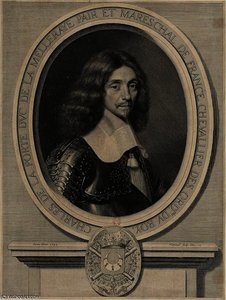
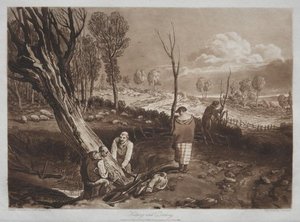
Биография художника
Jean-Charles François & Marie-Catherine François: Masters of the 'Manière de Crayon'
Early Life and Training
- Origins: Jean-Charles François was born in Nancy, France in 1717. He spent his life working alongside his wife, Marie-Catherine François, forming a formidable artistic partnership.
- Artistic Roots: Born into a family with artistic inclinations, Jean-Charles received early training in the art of engraving. This foundational education would prove crucial to his later innovations.
- Mentorships: He honed his skills under the guidance of several prominent artists, including Robert Menge Pariset, Gilles Demarteau, and Jean Martial Frédou. These collaborations exposed him to diverse techniques and styles.
Artistic Development & The 'Manière de Crayon'
- A Revolutionary Technique: Jean-Charles François is most celebrated for the invention and promotion of the ‘manière de crayon’ (crayon manner). This technique aimed to replicate the look and feel of chalk or crayon drawings through engraving.
- How it Worked: The 'manière de crayon' involved a unique combination of etching and engraving, allowing for subtle tonal variations and delicate lines that mimicked the spontaneity of drawing. It required exceptional skill and precision.
- Marie-Catherine’s Role: Marie-Catherine François played an integral role in this process, often painting the original images which Jean-Charles then expertly translated into engravings.
Major Achievements & Style
- Reproducing Master Drawings: The couple’s work focused on creating high-quality reproductions of existing drawings. This made art more accessible to a wider audience and allowed for the preservation of important works.
- Portraiture & Rococo Aesthetics: Their engravings frequently depicted portraits, often reflecting the elegance and refinement of the Rococo period. They captured the fashionable styles and aristocratic subjects prevalent in 18th-century France.
- Notable Work: A prime example of their skill is the engraving of La Plage d'Ambleteuse by Carolus-Duran, demonstrating their ability to capture detail and atmosphere.
- Royal Commissions: They received commissions from prominent figures, including royalty, further solidifying their reputation. An example is the engraving of Joseph I, Roi de Portugal.
Historical Significance & Legacy
- Impact on Engraving: The ‘manière de crayon’ technique had a lasting impact on the world of engraving. It influenced subsequent generations of artists and expanded the possibilities of printmaking.
- Accessibility of Art: By producing high-quality reproductions, Jean-Charles and Marie-Catherine François contributed to the democratization of art, making it available beyond the elite circles of collectors and patrons.
- Preservation of Artistic Heritage: Their engravings served as important records of artworks that might otherwise have been lost or forgotten.
- Present Day Recognition: Today, their works are held in esteemed collections such as the Musée des Beaux-Arts de Carcassonne and the Musée Antoine Lécuyer, continuing to inspire art enthusiasts and scholars.
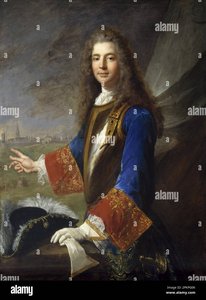
jean-charles françois, marie-catherine françois
1717 - 1769 , France
Основные сведения
- Birth Date: 1717
- Birth Place: Nancy, France
- Death Date: 1769
- Influenced By:
- Robert Menge Pariset
- Gilles Demarteau
- Jean Martial Frédou
- Movement: Rococo
- Name: Jean-Charles François & Marie-Catherine François
- Nationality: French
- Notable Works: Joseph I, Roi de Portugal engraving
Похожие статьи
Engraving: A Historical Survey of Technique, Artistic Expression & Enduring Legacy
Explore the rich history of engraving with ArtsDot. Discover techniques, iconic artists like Dürer & Callot, collecting tips, and expert guidance for preserving your art investment. Learn about intaglio printing & more!

The Rococo Aesthetic: Opulence, Rebellion & the Pursuit of Pleasure in 18th-Century Art
Explore the opulent world of Rococo art! Discover its origins, key artists like Watteau & Boucher, and lasting influence on design. Expert insights for collectors & enthusiasts.
10 шедевров гравюры, изменивших искусство навсегда | ArtsDot
Откройте для себя 10 легендарных шедевров гравюры от Дюрера, Гойи и Рембрандта! Узнайте историю создания этих культовых работ и их влияние на искусство. Репродукции высокого качества для вашего интерьера – ArtsDot.

Топ-10 шедевров рококо: искусство, изменившее интерьеры | ArtsDot.com
Погрузитесь в мир рококо! Откройте для себя 10 шедевров искусства от Watteau, Boucher и Fragonard. Узнайте историю создания культовых картин и вдохновитесь для декора интерьера. Репродукции высокого качества на ArtsDot.com.
Illuminating the Enlightenment: A Comprehensive Exploration of 18th-Century Painting
Explore the captivating world of 18th-century painting! Discover Rococo's playful elegance & Neoclassicism’s Enlightenment ideals with expert insights into Fragonard, David, and more. A comprehensive guide for art enthusiasts.