

 Предпросмотр
 Поделиться
 Поделиться
 Детали произведения

 Скачать
 Похожие работы
 Рентгенография
 Слайд-шоу
 Статистика
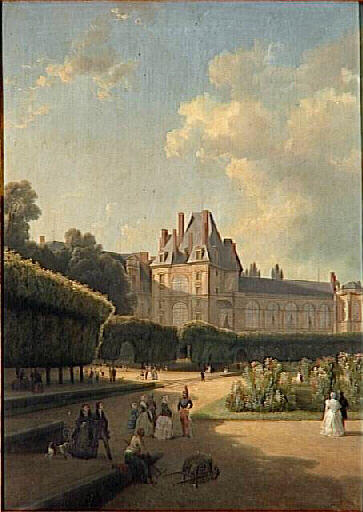
Vue du Pavillon de la Porte Dorée et de la Galerie d'Henri II prise du parterre au château de Fontainebleau
 Читать далее
Приобретите цифровое изображение высокого разрешения в улучшенном качестве, которое значительно превосходит онлайн-превью.
Каждый файл тщательно подготавливается нашими специалистами с использованием передовых инструментов и экспертной ручной ретуши. Мы гарантируем исключительную четкость, точную цветопередачу и детальную проработку каждого изображения.
Финальный файл доставляется по электронной почте в течение 72 часов и оптимизирован для немедленного использования в профессиональной среде, при верстке и печати. Это тот же уровень качества, которому доверяют ведущие дизайнерские студии, издательства и галереи.
Цифровое изображение
Скачайте файл высокого разрешения для личного использования, печати и творческих проектов. ( Перейти к печати Купить картину ручной работы)
Включено в каждый заказ цифровых изображений
Гарантия экспертной цифровой доставки
Выбирая ArtsDot.com, вы получаете не просто изображение — вы приобретаете профессионально обработанное цифровое произведение искусства, созданное с безупречной точностью и под защитой гарантии качества. Вот всё, что автоматически входит в ваш заказ:

Мгновенная доставка по e-mail
Ваш цифровой файл в высоком разрешении будет отправлен вам по электронной почте в течение 72 часов после оформления заказа — и сразу станет доступен для использования.

Цифровой файл с ИИ-улучшением
Ваше произведение искусства проходит профессиональную оптимизацию с использованием передовых инструментов ИИ и ручной обработки, что гарантирует максимальную детализацию, четкость и точность цветопередачи.

Бессрочная бесплатная повторная доставка
Случайно удалили или потеряли файл? Не беспокойтесь — мы отправим его вам повторно в любое время и совершенно бесплатно.

Без импортных пошлин — навсегда
Наслаждайтесь вашим произведением искусства мгновенно без таможенных пошлин, сборов или затрат на доставку — цифровые загрузки всегда не облагаются налогом.

Гарантия точности цветопередачи
Мы гарантируем, что ваше цифровое изображение максимально точно передает оригинальные цвета благодаря использованию профессиональных инструментов и систем управления цветом.

Гарантия удовлетворенности 100 дней
Если вы не будете удовлетворены своим цифровым изображением, мы внесем правки или вернем 100% стоимости в течение 100 дней — без лишних вопросов.

100% Гарантия возврата средств
Не удовлетворены покупкой? Получите полный возврат средств в течение 100 дней после получения цифрового файла — без лишних вопросов.

Скидки на оптовые заказы
Купите 3 изображения, сэкономьте 10% — Купите 5, сэкономьте 15% — Купите 10+, сэкономьте 20%. Отличное решение для творческих проектов, галерей и агентств.
Похожие произведения








Биография художника
Jean-Charles Rémond: Painter of Romantic Landscapes
Jean-Charles Joseph Rémond (1795 – 1875) stands as a prominent figure in French landscape history painting, embodying the spirit of Romanticism and capturing the grandeur of natural vistas with meticulous detail. Born in Paris, he benefited from a privileged upbringing that fostered artistic inclinations early on, ultimately shaping him into one of his era’s most respected artists. His formative years were marked by instruction under luminaries like Jean-Victor Bertin and Jean-Baptiste Regnault, establishing a foundation for his distinctive style—characterized by luminous color palettes and an unwavering commitment to portraying the sublime beauty of the outdoors.- Early Life & Education: Rémond’s artistic journey commenced with formal training at the École Royale Supérieure des Beaux-Arts in Paris, where he honed his skills alongside fellow artists destined for acclaim. This rigorous academic environment instilled in him a disciplined approach to observation and representation, crucial elements that would permeate his subsequent oeuvre.
- Prix de Rome & Artistic Style: A pivotal moment arrived when Rémond secured the prestigious Prix de Rome award in 1821—a competition designed to nurture talent and propel young artists toward artistic excellence. This honor afforded him invaluable opportunities for travel and study in Italy, immersing him in the artistic traditions of antiquity and informing his stylistic sensibilities.
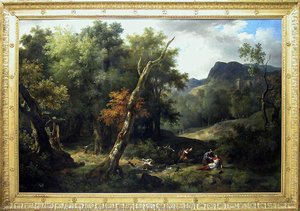
- Notable Works: Rémond’s artistic output spanned decades, producing numerous landscapes that exemplify the Romantic aesthetic. Among his most celebrated paintings are “The Grotto of Neptune at Tivoli,” a masterful depiction of the Roman villa’s spectacular grotto—a testament to his ability to convey atmospheric depth and textural richness—and “Carloman blessé à mort dans la forêt d’Yvelines,” an emotionally charged scene capturing the solemn beauty of a woodland landscape.
- Influence & Legacy: Rémond's work resonated deeply with contemporaries, establishing him as a champion of Romantic ideals – emotion, imagination, and reverence for nature—and securing his place within the canon of French art history. His meticulous technique and expressive use of color continue to inspire artists today, demonstrating the enduring power of Romantic landscape painting.
Exploring Rémond’s Artistic Vision: Techniques & Inspirations
Rémond's artistic approach was rooted in a profound understanding of scientific observation combined with an intuitive grasp of artistic expression. Like many artists of his time, he meticulously studied geological formations and atmospheric phenomena—drawing inspiration from the writings of Alexandre Humboldt and Johann Wolfgang von Goethe—to accurately represent the complexities of natural environments. His canvases pulsate with vibrant hues achieved through layering glazes—a technique perfected by Regnault—creating an illusion of depth and luminosity that captures the essence of sunlight filtering through foliage or reflecting off cascading waterfalls.- Glazing Technique: Rémond’s masterful glazing technique involved applying thin, translucent layers of pigment over previously painted surfaces, gradually building up color intensity and achieving remarkable tonal gradations. This method—inherited from Regnault—allowed him to simulate the effects of light and shadow with unparalleled realism.
- Color Palette: Rémond favored a palette dominated by blues, greens, and yellows—colors that evoked the serenity and majesty of mountainous landscapes or the verdant splendor of riverside meadows. He skillfully blended hues to create harmonious compositions that conveyed both visual beauty and emotional resonance.
- Romantic Ideals: Influenced by the philosophical currents of his era, Rémond embraced Romantic ideals – particularly the sublime—believing that art should inspire awe and contemplation before the grandeur of nature. His paintings served as vehicles for conveying profound emotions—such as sorrow, joy, and wonder—reflecting the Romantic preoccupation with subjective experience.
Rémond’s Contribution to Château de Fontainebleau & Landscape Art History
Jean-Charles Rémond's artistic legacy extends beyond his individual paintings; he played a significant role in shaping the aesthetic sensibilities of Château de Fontainebleau—a UNESCO World Heritage site and former royal residence—where his landscapes adorn prominent halls, offering visitors glimpses into the splendor of Napoleon I’s reign. His canvases exemplify the Romantic movement’s fascination with historical grandeur and contribute to the museum's narrative of artistic patronage during the Napoleonic era. Furthermore, Rémond stands as a cornerstone in landscape art history, demonstrating how artists can translate scientific observation into emotive visual representations—a tradition that continues to inspire painters worldwide.Further Resources
- The Grotto of Neptune at Tivoli: Explore this stunning artwork!
- Carloman blessé à mort dans la forêt d’Yvelines: Discover this evocative painting!
- RÉMOND, Jean-Charles-Joseph: Learn more about his biography.
jean charles joseph rémond
1795 - 1875
Основные сведения
- Artistic Movement Or Style: Romantic Landscape
- Artists Or Movements Influenced By This Artist: ['Romanticism']
- Artists Who Influenced This Artist:
- Jean-Victor Bertin
- Jean-Baptiste Regnault
- Date Of Birth: 1795
- Full Name: Jean-Charles Joseph Rémond
- Nationality: French
- Notable Artworks: ['Niagara & Fontainebleau']
- Place Of Birth: Paris, France