

 Поделиться
 Поделиться
 Детали произведения

 Скачать
 Похожие работы
 Слайд-шоу
 Статистика
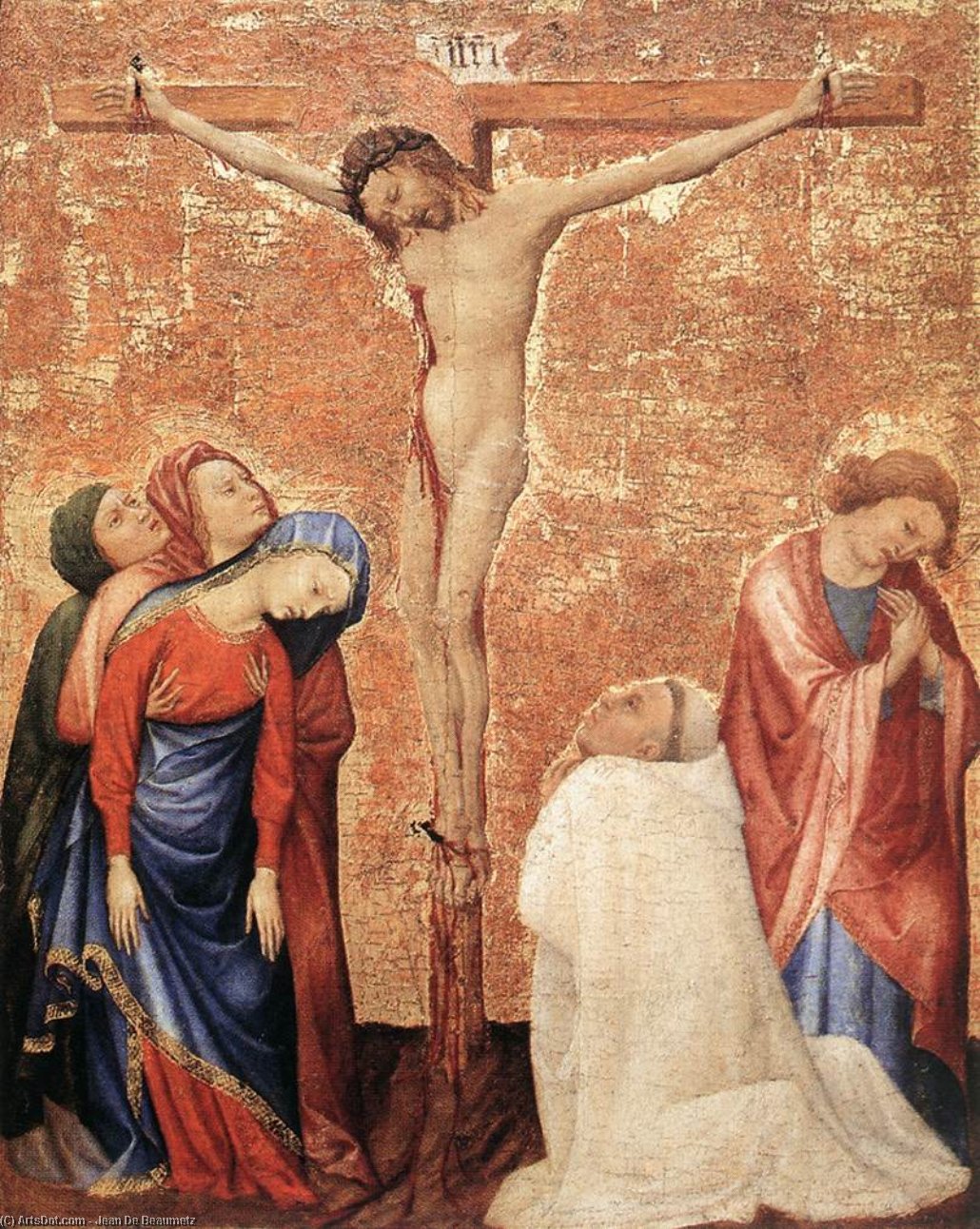
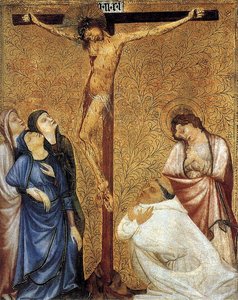
Christ on the Cross with a Carthusian Monk


 Читать далее
Масляная репродукция ручной работы
Картина маслом на холсте в выбранном вами размере и раме, написанная на заказ нашими художниками. ( Перейти к печати Перейти к цифровым изображениям)




































Выберите один из наших стандартных размеров, соответствующих оригинальным пропорциям произведения искусства.

Вы можете указать собственные размеры, чтобы картина идеально вписалась в выбранную раму или пространство. Если выбранный вами размер не соответствует пропорциям оригинала, мы либо обрежем полотно, либо расширим его за счет дополнительных элементов, написанных вручную. Цифровой макет будет отправлен вам на утверждение перед началом производства.
Обратите внимание, что предварительный просмотр на экране не отражает фактическую обрезку или расширение. Только макет точно покажет окончательную композицию.
Хотя доступны индивидуальные размеры, мы рекомендуем выбирать вариант из предопределенного списка, чтобы сохранить исходные пропорции.
После оформления заказа команда ArtsDot.com свяжется с клиентом по электронной почте для уточнения деталей и предоставит предварительный макет
Доставка по всему миру () за 3–4 недели вместо стандартных 5 недель. (12 Сентябрь). Без компромиссов в качестве.

Бесплатная экспресс-доставка по всему миру

Высококачественный льняной холст

Полное страхование доставки

Гарантия возмещения таможенных пошлин

Гарантия точного соответствия цветов

100-дневная политика возврата (только при обнаружении дефектов)

Гарантия возврата 100% средств

Предложение оптовых скидок
 Вариант со стеклом доступен только для размеров менее 110 см

Christ on the Cross with a Carthusian Monk
Техника репродукции
Размер репродукции
-


Итоговая стоимость
$ 338
A Glimpse into Gothic Faith: Jean de Beaumetz’s “Christ on the Cross with a Carthusian Monk”
The year is 1389, and within the walls of Burgundy, a profound moment in artistic expression unfolds. Jean de Beaumetz, a painter deeply rooted in the late medieval period, gifted us with "Christ on the Cross with a Carthusian Monk," a fresco that transcends mere religious depiction to become a poignant meditation on faith, suffering, and the enduring power of human connection. This remarkable work, measuring 60 x 48 cm, isn’t simply a painting; it's a window into the soul of a bygone era, meticulously crafted with the techniques and sensibilities of the Gothic style.
A Masterpiece of Late Gothic Style
Beaumetz’s artistic voice is undeniably rooted in the late Gothic tradition. The flattened perspective, a hallmark of the period, lends a sense of immediacy to the scene, drawing the viewer directly into the drama unfolding before them. Lines are employed deliberately – angular and strong for the imposing cross itself, while drapery flows with a controlled simplicity, contributing to the overall visual harmony. Notice how geometric shapes—rectangles defining the figures’ garments, circles suggesting faces—are used not just for form but also to create a sense of order within the composition. The texture, achieved through the application of pigment mixed with egg yolk or lime (a common fresco technique), possesses a subtly rough quality, hinting at the laborious process and the enduring nature of the artwork.
Symbolism Woven into the Cloth
Beyond its technical brilliance, “Christ on the Cross” is rich in symbolic meaning. The central figure of Christ, suspended upon the cross, immediately evokes the core tenets of Christian belief – sacrifice and redemption. Surrounding him are figures representing Mary, John the Apostle, Nicodemus, and others, each rendered with a degree of stylized realism that speaks to the period’s artistic conventions. The presence of the Carthusian monk—a solitary figure known for their contemplative life—adds another layer of interpretation. He represents not just piety but also introspection and the pursuit of spiritual understanding amidst suffering. The warm, earthy palette – dominated by golds, reds, and browns – creates a somber yet profoundly moving atmosphere, amplifying the emotional weight of the scene.
Historical Context: Patronage and Artistic Flourishing
Jean de Beaumetz’s career was inextricably linked to the powerful patronage of Philip the Bold, Duke of Burgundy. This association provided him with unprecedented opportunities for artistic development and access to significant commissions. The Château de Germolles and the chapel of Saint-Denis in Burgundy stand as testaments to his skill, showcasing monumental murals that reflect both the religious fervor and the burgeoning humanist sensibilities of the era. Beaumetz’s work exemplifies a shift away from purely symbolic representation towards a more emotionally resonant approach, foreshadowing developments in art during the Renaissance.
A Timeless Resonance: Art for Reflection and Inspiration
“Christ on the Cross with a Carthusian Monk” is more than just a historical artifact; it’s an enduring work of art that continues to resonate with viewers today. Its masterful execution, combined with its profound symbolism and evocative atmosphere, invites contemplation on themes of faith, suffering, and human compassion. Reproductions offer a remarkable opportunity to bring this powerful image into any space, serving as a constant reminder of the timeless beauty and spiritual depth found within Gothic art.
- Consider it for spaces seeking a sense of reverence and historical connection.
- Its rich colors and dramatic lighting make it ideal for creating focal points in living rooms or studies.
- A stunning addition to collections focused on religious art, medieval history, or Gothic architecture.
Похожие произведения
Биография художника
Jean de Beaumetz: A Gothic Visionary Patronized by Philip the Bold
Jean de Beaumetz, born around 1335 in Beauchêne, France, stands as a significant figure within the artistic landscape of the late Middle Ages—a period defined by fervent religious devotion and burgeoning royal patronage. While biographical details remain somewhat sparse, his legacy persists primarily through his stunning murals and frescoes, particularly those adorning the Château de Germolles and the chapel of Saint-Denis in Burgundy, offering invaluable insight into Gothic art’s stylistic nuances and humanist sensibilities. His artistic career blossomed under the watchful eye of Philip the Bold, Duke of Burgundy—a ruler who recognized Beaumetz's talent and employed him as a painter and valet from approximately 1375 until his death in 1396. This association proved pivotal, propelling Beaumetz to prominence within Burgundian court circles and securing commissions for monumental religious artworks that continue to captivate scholars today. The Duke’s ambition to elevate Burgundy's prestige fueled artistic endeavors like these, fostering an environment where innovation thrived alongside tradition. Beaumetz’s style is unmistakably Gothic, characterized by a profound reverence for spiritual themes and masterful execution of color palettes—particularly vibrant reds and blues—that convey emotion and grandeur. He skillfully utilized tempera paint on plaster walls, achieving luminous effects that captured the ethereal beauty of biblical narratives. The Château de Germolles chapel showcases Beaumetz’s prowess in depicting scenes from the Passion of Christ, notably ‘Christ on the Cross with a Carthusian Monk,’ where meticulous detail—including expressive facial expressions and symbolic drapery—demonstrates his commitment to conveying theological concepts through visual representation. This artwork exemplifies the Gothic preoccupation with portraying human emotion alongside divine majesty. His influence extended beyond mere stylistic imitation; he actively participated in shaping artistic trends within Burgundy. He collaborated with Jean Malouel, a fellow artist and courtier, resulting in groundbreaking works reflecting the International Gothic style—a movement that blended Byzantine influences with Northern European aesthetics. Notably, Beaumetz introduced the Limbourg Brothers to Philip the Bold, marking an important step in establishing Burgundian art as a center of innovation. Beaumetz’s contribution to medieval art is undeniable. His murals at Château de Germolles and Saint-Denis stand as enduring testaments to Gothic artistic achievement—expressions of faith and royal ambition that continue to inspire admiration centuries later. He cemented his place in history not merely as a craftsman, but as an artist who embodied the spirit of his time, shaping the visual culture of Burgundy and leaving behind masterpieces that resonate with timeless beauty and spiritual depth.- Key Achievements: Jean de Beaumetz achieved renown for his monumental frescoes at Château Germolles and Saint-Denis, demonstrating unparalleled skill in capturing the grandeur and solemnity of religious iconography.
- Technique: He perfected tempera paint on plaster walls, achieving remarkable luminosity—a technique that ensured his murals radiated an otherworldly glow.
- Influence: Beaumetz’s patronage fostered a vibrant artistic milieu in Burgundy, propelling the Limbourg Brothers to prominence and establishing the duchy as a beacon of Gothic innovation.
jean de beaumetz
1335 - 1396 , Франция
Основные сведения
- Artistic Movement Or Style: Готика
- Date Of Birth: Beauchêne, Франция
- Date Of Death: 1396
- Full Name: Jean de Beaumetz
- Nationality: Французский
- Notable Artworks: ['Христос на кресте']
- Place Of Birth: Франция
Похожие статьи
Beyond Borders: The Spiritual & Stylistic Innovations of International Gothic Art
Explore the exquisite beauty & spiritual depth of International Gothic art. Discover key artists like Simone Martini & Pol de Limbourg, its origins, symbolism, and lasting influence on European painting. Expert insights at ArtsDot.
High Medieval Art: 10 Masterpieces That Shaped an Era | ArtsDot
Journey through High Medieval Art! Explore 10 iconic masterpieces – from Giotto's frescoes to stunning Gothic cathedrals. Discover the stories behind these timeless paintings, sculptures & illuminated manuscripts. Find museum-quality art reproductions at ArtsDot.com.
The Radiant Dusk of Medieval Vision: Exploring Late Gothic Art's Synthesis of Faith, Form & Emotionality (c. 1300-1500)
Explore the exquisite beauty & spiritual depth of Late Gothic art (c. 1300-1500). Discover key artists, symbolism, and its lasting influence on the Renaissance. Expert insights at ArtsDot.

Топ-25 шедевров Гойи: от придворного портрета до мрачных пророчеств | ArtsDot
Погрузитесь в мир гения Франсиско Гойи! 🎨 От придворных портретов до мрачных "Капричос" – исследуйте топ-25 шедевров испанского романтизма. Купите репродукции картин Гойи музейного качества на ArtsDot.com и украсьте свой интерьер искусством.

О нас
Откройте для себя нашу историю! Мы привносим искусство мирового класса в вашу жизнь благодаря экспертному отбору, индивидуальным заказам и бесплатным обзорам. Одобрено частными лицами и компаниями с 2000 года.