

 Предпросмотр
 Поделиться
 Поделиться
 Детали произведения

 Скачать
 Похожие работы
 Рентгенография
 Слайд-шоу
 Статистика
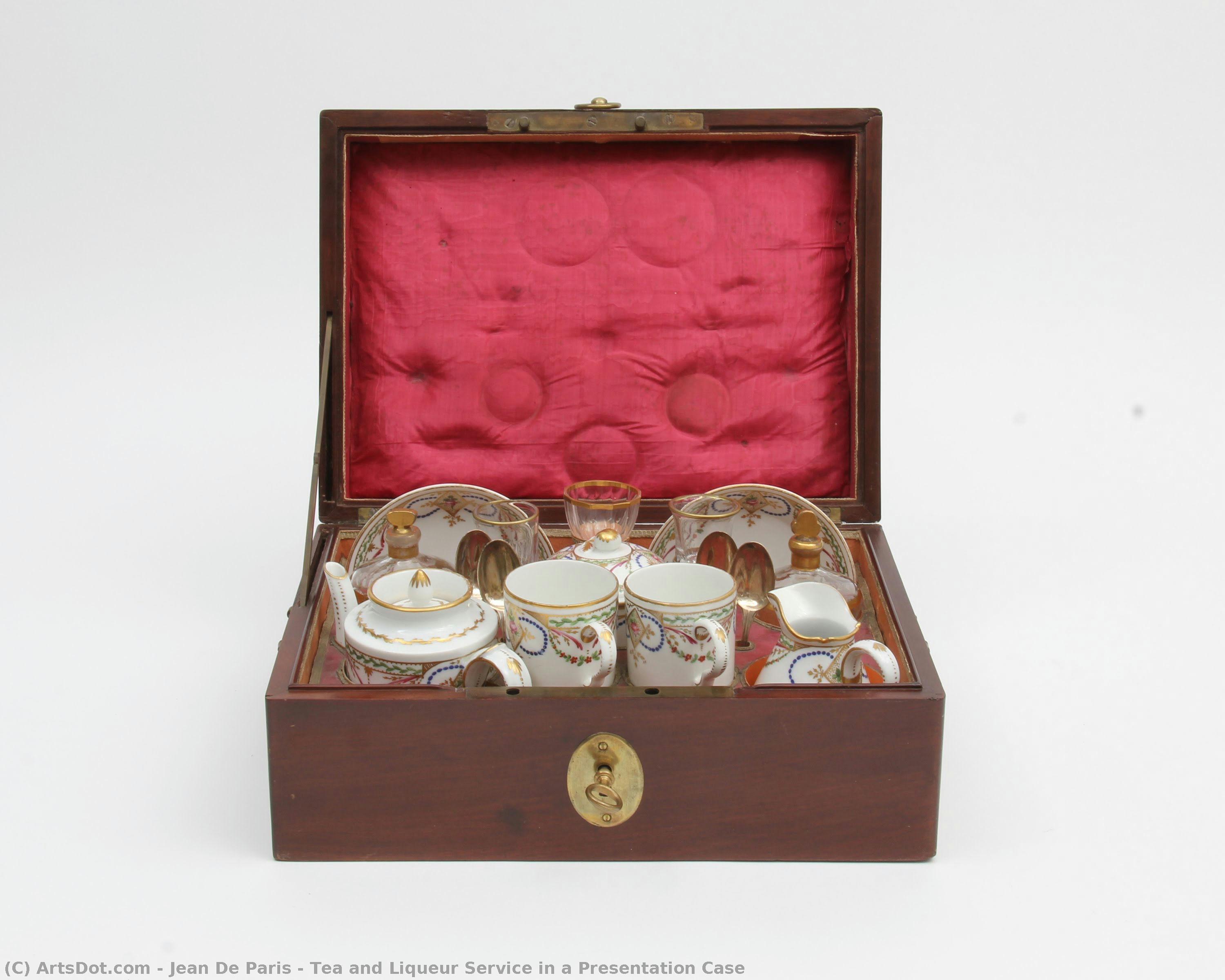
Tea and Liqueur Service in a Presentation Case


 Читать далее
Приобретите цифровое изображение высокого разрешения в улучшенном качестве, которое значительно превосходит онлайн-превью.
Каждый файл тщательно подготавливается нашими специалистами с использованием передовых инструментов и экспертной ручной ретуши. Мы гарантируем исключительную четкость, точную цветопередачу и детальную проработку каждого изображения.
Финальный файл доставляется по электронной почте в течение 72 часов и оптимизирован для немедленного использования в профессиональной среде, при верстке и печати. Это тот же уровень качества, которому доверяют ведущие дизайнерские студии, издательства и галереи.
Цифровое изображение
Скачайте файл высокого разрешения для личного использования, печати и творческих проектов. ( Перейти к печати Купить картину ручной работы)
Включено в каждый заказ цифровых изображений
Гарантия экспертной цифровой доставки
Выбирая ArtsDot.com, вы получаете не просто изображение — вы приобретаете профессионально обработанное цифровое произведение искусства, созданное с безупречной точностью и под защитой гарантии качества. Вот всё, что автоматически входит в ваш заказ:

Мгновенная доставка по e-mail
Ваш цифровой файл в высоком разрешении будет отправлен вам по электронной почте в течение 72 часов после оформления заказа — и сразу станет доступен для использования.

Цифровой файл с ИИ-улучшением
Ваше произведение искусства проходит профессиональную оптимизацию с использованием передовых инструментов ИИ и ручной обработки, что гарантирует максимальную детализацию, четкость и точность цветопередачи.

Бессрочная бесплатная повторная доставка
Случайно удалили или потеряли файл? Не беспокойтесь — мы отправим его вам повторно в любое время и совершенно бесплатно.

Без импортных пошлин — навсегда
Наслаждайтесь вашим произведением искусства мгновенно без таможенных пошлин, сборов или затрат на доставку — цифровые загрузки всегда не облагаются налогом.

Гарантия точности цветопередачи
Мы гарантируем, что ваше цифровое изображение максимально точно передает оригинальные цвета благодаря использованию профессиональных инструментов и систем управления цветом.

Гарантия удовлетворенности 100 дней
Если вы не будете удовлетворены своим цифровым изображением, мы внесем правки или вернем 100% стоимости в течение 100 дней — без лишних вопросов.

100% Гарантия возврата средств
Не удовлетворены покупкой? Получите полный возврат средств в течение 100 дней после получения цифрового файла — без лишних вопросов.

Скидки на оптовые заказы
Купите 3 изображения, сэкономьте 10% — Купите 5, сэкономьте 15% — Купите 10+, сэкономьте 20%. Отличное решение для творческих проектов, галерей и агентств.
A Symphony of Porcelain and Crystal
In the delicate dance of light and shadow captured within Jean De Paris’s "Tea and Liqueur Service in a Presentation Case," we are invited into an intimate world of eighteenth-century luxury. This exquisite painting serves as more than a mere still life; it is a window into a vanished era of refined ritual and aristocratic grace. The composition centers on a magnificent wooden travel case, its interior lined with a soft, blush-toned silk that cradles a collection of porcelain and crystal with the tenderness of a jeweler’s velvet. As the eye wanders across the meticulously rendered tea cups, saucers, and decanters, one feels the weight of history and the quiet elegance of a moment frozen in time. The artist employs a masterful technique to highlight the translucency of the crystal and the smooth, luminous glaze of the porcelain, creating a tactile experience that transcends the canvas.
The historical context of this piece, dating back to 1787, places it at the precipice of a transformative era in French history. This was a time when the art of presentation was paramount, and the ritual of tea and liqueur service represented the pinnacle of social sophistication. The inclusion of the original silk-lined wood travel case suggests a life of mobility and high-society excursions, where even the most intimate comforts were carried with grandeur. Through his brush, De Paris captures the essence of the late Rococo period—a style defined by its love for intricate detail, delicate ornamentation, and an almost ethereal lightness. For the discerning collector or interior designer, this work offers a profound sense of nostalgia and a connection to the opulent craftsmanship of the French court.
Beyond its material splendor, the painting resonates with a deep emotional stillness. There is a certain quietude in the arrangement, a sense of order and preparation that evokes the anticipation of a social gathering. The stark white background serves as a brilliant stage, stripping away the distractions of the outside world to focus entirely on the interplay of texture and form. This isolation allows the viewer to appreciate the subtle symbolism of the service: the tea caddies hidden beneath the cups representing secrets held within luxury, and the crystal funnel standing ready for the pouring of fine spirits. It is a piece that breathes life into a room, offering an atmosphere of timelessness and grace. Whether placed in a grand salon or a contemporary study, a high-quality reproduction of this masterpiece brings with it an aura of cultured sophistication and an enduring appreciation for the finer things in life.
Похожие произведения
Биография художника
A Courtly Vision: The Life and Art of Jean Perréal
Jean Perréal, a name often whispered alongside the burgeoning Renaissance in France, was more than simply a portraitist; he was an embodiment of the era’s multifaceted artistic spirit. Born around 1455 in Lyon – though he would later adopt “de Paris” as part of his moniker – Perréal flourished during a period of intense cultural exchange and royal patronage. He wasn't merely documenting faces, but crafting images that projected power, sophistication, and the evolving identity of the French court. His career spanned the reigns of Charles of Bourbon, Charles VIII, Louis XII, and Francis I, placing him at the very heart of political and artistic life.
Perréal’s early training remains somewhat shrouded in mystery, but his work reveals a keen understanding of both Northern European realism and Italianate elegance. He wasn't confined to painting alone; he was also an accomplished architect, sculptor, and illuminator – a true polymath in the Renaissance mold. This breadth of skill allowed him to contribute to grand ceremonial events, designing tombs, medals, and even theatrical scenery alongside his celebrated portraits. His versatility speaks to a demand for artists who could oversee entire projects, shaping not just individual artworks but comprehensive visual experiences.
The Royal Gaze: Portraits as Instruments of Power
Perréal’s rise to prominence was inextricably linked to the French monarchy. He quickly became favored by Charles of Bourbon, and his talent soon attracted the attention of successive kings. His portraits weren't intended as intimate studies of character; they were carefully constructed representations designed to project authority and legitimacy. The portrait of Charles VIII, housed in the Musée Condé, exemplifies this approach. It’s not a deeply psychological rendering but rather a stately depiction emphasizing the king’s regal bearing and refined attire. Similarly, his miniature portrait of Pierre Sala, a royal valet de chambre, showcases meticulous detail and a sense of courtly grace.
What truly set Perréal apart was his innovative technique. He developed a method of painting with dry color – *demi-couleurs* or *trois crayons* – using finely ground pigments mixed with binding agents. This approach, unknown in Italy at the time, allowed for subtle gradations of tone and a unique luminosity. It’s said that Leonardo da Vinci himself sought out Perréal to learn this technique during Louis XII's campaigns in Milan, scribbling notes on his paint box and methods in his famous *Codex Atlanticus*. This exchange highlights Perréal’s influence beyond the French court, demonstrating his contribution to broader artistic developments.
Beyond France: Italian Journeys and Artistic Exchange
Perréal's career wasn't limited to the borders of France. He undertook several journeys to Italy between 1492 and 1530, immersing himself in the burgeoning Renaissance art scene. These trips were not merely for observation; he actively engaged with Italian artists and techniques, incorporating elements of their style into his own work. His travels also extended to London in 1514, where he painted a portrait of Mary Tudor during her marriage to Louis XII. This commission underscores his international reputation and the demand for his skills across European courts.
His time abroad wasn’t simply about absorbing influences; it was about showcasing French artistry. Before sending Perréal to Milan with Louis XII, the king commissioned a series of portraits intended to demonstrate the sophistication of French painting to their Italian counterparts. This act highlights the growing sense of national artistic pride and the desire to compete with the established masters of Italy.
A Lasting Legacy: Shaping the Renaissance Image
Jean Perréal died in either Paris or Lyon around 1530, leaving behind a body of work that profoundly shaped the image of the French Renaissance. He wasn’t just a painter; he was an architect of perception, crafting portraits that served as powerful symbols of royal authority and courtly refinement. His innovative techniques, particularly his use of dry color, influenced artists across Europe, including Leonardo da Vinci himself.
While perhaps not as widely celebrated as some of his Italian contemporaries, Perréal’s contribution to the Renaissance is undeniable. He bridged the gap between Northern European realism and Italianate elegance, creating a uniquely French style that captured the spirit of an era defined by ambition, innovation, and a growing sense of national identity. His legacy lives on in the exquisite detail of his portraits, the grandeur of his designs, and the enduring power of his courtly vision.

jean de paris
France
Основные сведения
- Artistic Movement Or Style: World Goes Pop
- Artists Or Movements Influenced By This Artist: ['Influences various contemporary artists']
- Artists Who Influenced This Artist: ['Influenced by diverse artists from 28 countries']
- Date Of Death: Living
- Notable Artworks: ['Various works featured in The World Goes Pop exhibition']
- Place Of Birth: WahooArt