 Предпросмотр
 Поделиться
 Поделиться
 Детали произведения

 Скачать
 Похожие работы
 Рентгенография
 Слайд-шоу
 Статистика
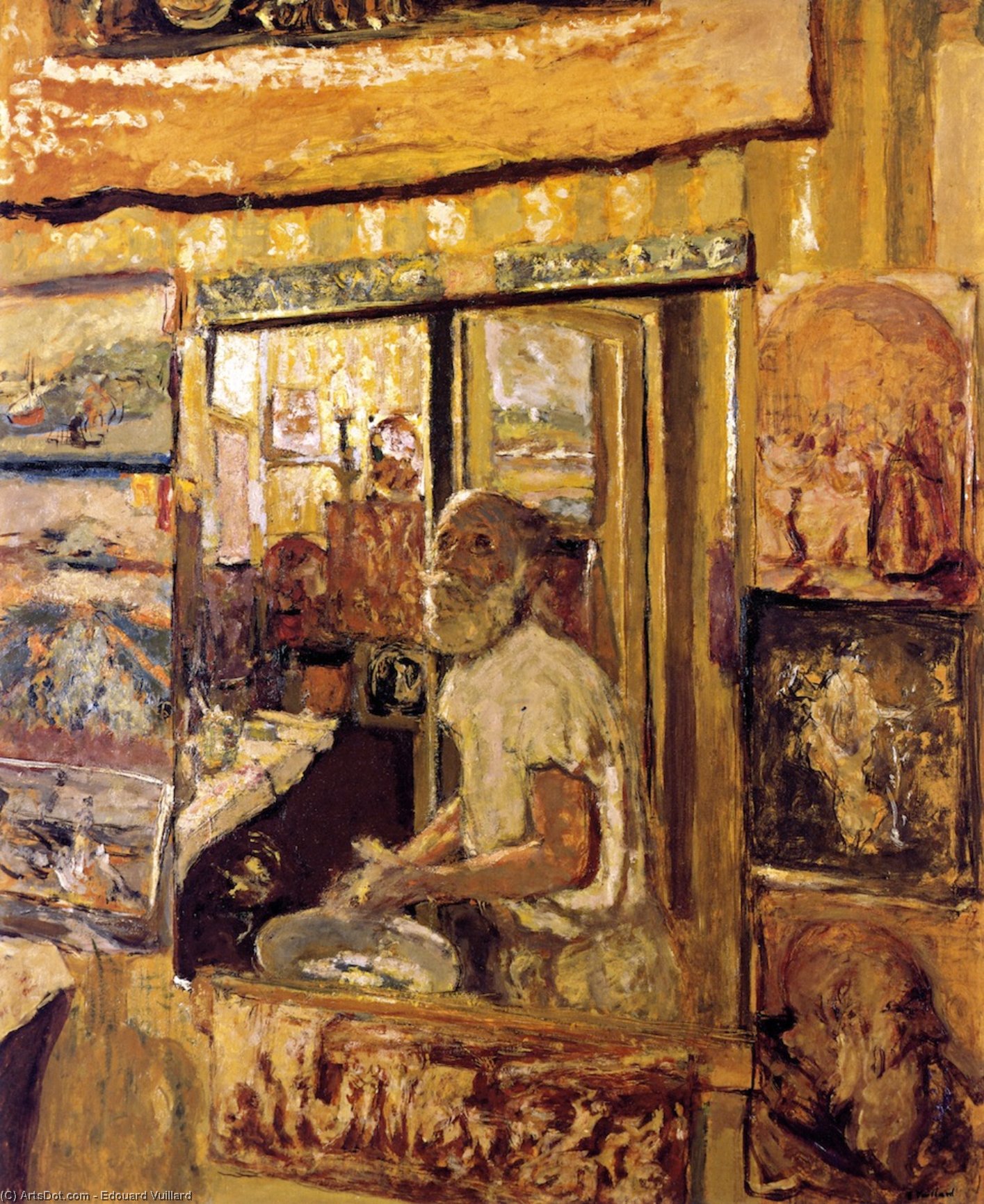
Self-Portrait in the Dressing-Room Mirror
 Oil On Panel
- Post-Impressionism
 1923
1923- 19th Century
 81.0 x 67.0 cm
 Читать далее
Жикле / Арт-принт
Печать (жикле) или холст музейного качества с быстрыми сроками изготовления и широким выбором вариантов отделки. ( Купить картину ручной работы Перейти к цифровым изображениям)




P118B $10

P118H $10

P118W $10

P438Z $10

P508JH $12

P508YH $12

P805H $10

P805Z $10

P919BZ $10

P919G $10

P919XJ $10

P959ZH $10

P968JZ $12

W106C $8

W218G $10

W218JH $8

W218Y $10

W307PJ $10

W316G $10

W316PJ $8

W316Y $10

W398PJ $8

W4111J $10

W500HY $15

W500JH $15

W692G $12

W849H $8

W940BG $15

W953PJ $8




Выберите один из наших стандартных размеров, соответствующих оригинальным пропорциям произведения искусства.

Вы можете указать свои собственные размеры, чтобы репродукция идеально подошла под конкретную раму или пространство. Если выбранный вами размер не будет соответствовать пропорциям оригинала, мы либо обрежем произведение, либо дополним изображение зеркальным отражением краев или однотонной заливкой. Перед началом производства вам будет отправлен цифровой макет для утверждения.
Пожалуйста, обратите внимание, что предварительный просмотр на экране не отображает фактическую обрезку или расширение изображения. Только макет точно покажет финальную композицию.
Несмотря на возможность заказа индивидуальных размеров, мы рекомендуем выбирать размер из предопределенного списка, чтобы сохранить оригинальные пропорции.
Доставка по всему миру () за 2 недели вместо стандартных 4/5 недель. (13 Сентябрь)

Бесплатная экспресс-доставка по всему миру

Высококачественный льняной холст

Полное страхование доставки

Гарантия возмещения таможенных пошлин

Гарантия точного соответствия цветов

100-дневная политика возврата (только при обнаружении дефектов)

Гарантия возврата 100% средств

Предложение оптовых скидок
 Вариант со стеклом доступен только для размеров менее 110 см

Self-Portrait in the Dressing-Room Mirror
Жикле / Арт-принт
Размер репродукции
-


Итоговая стоимость
$ 62
A Window Into the Soul: Jean Edouard Vuillard's 'Self-Portrait in the Dressing-Room Mirror’
Jean Edouard Vuillard’s ‘Self-Portrait in the Dressing-Room Mirror,’ painted in 1923, is more than just a depiction of an artist at work; it’s a deeply resonant meditation on selfhood and perception. Created during a pivotal moment in his career, this oil on panel painting exemplifies Vuillard's mastery of color, composition, and the subtle nuances of interior space – hallmarks that secured his place as one of the most significant figures within the Nabis movement.
- Subject Matter: The scene is deceptively simple: Vuillard seated at a table, meticulously engaged in painting while gazing out a window. Yet, it’s the carefully orchestrated layering of details – the reflected image in the mirror, the presence of other figures, and the domestic setting – that elevates the work to a profound level of psychological depth.
- Style & Technique: Vuillard's signature style is immediately recognizable through his use of muted tones—a palette dominated by soft blues, greens, and browns—applied with delicate, almost hesitant brushstrokes. The oil on panel allows for an exceptional richness in texture, capturing the subtle play of light and shadow within the room. This technique contributes significantly to the painting’s serene and contemplative mood.
The Language of Reflection: Symbolism and Composition
The central element – the mirror – is far more than a simple reflective surface. It functions as a powerful symbol, representing not just Vuillard's physical self but also his internal state. The artist’s gaze, directed outwards through the window, contrasts sharply with the mirrored reflection of his introspective face. This duality creates a compelling tension, inviting the viewer to consider the complexities of identity and perception. The inclusion of several other figures – partially visible in the background – adds another layer of narrative complexity. These shadowy presences suggest Vuillard’s engagement with themes of solitude, memory, and perhaps even the fleeting nature of existence.
- Spatial Illusion: Vuillard masterfully employs flattened planes of color and pattern, a technique heavily influenced by Japanese prints, to create an illusion of depth within the confined space. This approach anticipates developments in Cubism and Abstract Art, demonstrating Vuillard’s forward-thinking artistic vision.
- Domestic Harmony: The dining table with its chairs and potted plant establishes a sense of domestic tranquility, providing a grounding element against the artist's contemplative mood. This juxtaposition highlights the tension between the external world and the internal landscape of the artist’s mind.
A Legacy Forged in Color: Historical Context and Influence
Born in 1868, Jean Edouard Vuillard emerged during a period of significant artistic transition in France. As a member of the Nabis – a group that included Maurice Denis and Paul Ranson – he was instrumental in bridging the gap between Impressionism and the more radical movements of the early 20th century. The Nabis sought to evoke spiritual or emotional states through color and form, prioritizing subjective experience over objective representation. Vuillard’s work reflects this commitment, offering a deeply personal and evocative exploration of interior space and human emotion.
- The Nabis Movement: The Nabis' influence on subsequent artistic movements is undeniable. Their emphasis on color, pattern, and flattened planes paved the way for Cubism, Fauvism, and Abstract Art.
- Vuillard’s Personal Journey: His introspective nature, perhaps influenced by his family background, is powerfully conveyed in this self-portrait, offering a poignant glimpse into the artist's creative process and personal reflections.
An Investment in Beauty: Acquisition and Appreciation
'Self-Portrait in the Dressing-Room Mirror’ stands as a testament to Vuillard’s artistic genius – a work that continues to captivate viewers with its quiet beauty, psychological depth, and technical mastery. A hand-painted reproduction offers an unparalleled opportunity to bring this iconic image into your home or studio, allowing you to appreciate the nuances of Vuillard's vision every day.
Похожие произведения
Биография художника
Jean-Édouard Vuillard: A Master of Intimate Light
Jean-Édouard Vuillard, родившийся 11 ноября 1868 года в Куасе, Франция, был не просто художником, но и настоящим новатором в мире искусства. Его жизнь, пронизанная тонким лиризмом и глубоким пониманием человеческой природы, оставила неизгладимый след в истории французской живописи. Влияние его творчества ощущается до сих пор, вдохновляя художников на поиски новых способов выражения эмоций и восприятия мира. Vuillard был членом группы Les Nabis, объединившей молодых художников, стремящихся к синтезу различных художественных направлений и создающих свой собственный уникальный стиль.The Nabis Movement and Artistic Influences
Группа Les Nabis, сформировавшаяся в конце 1880-х годов в Париже, стала одним из ключевых факторов перехода от импрессионизма к новым художественным течениям. Vuillard, вместе с такими мастерами как Maurice Denis и Pierre Bonnard, стремился к созданию искусства, основанного на символизме и мифологии. Они черпали вдохновение в японских гравюрах, особенно в их использовании плоских цветов и упрощенных форм. Эта любовь к японскому искусству оказала огромное влияние на технику Vuillard, который начал использовать более плоские плоскости цвета и уменьшал детализацию в своих работах. Влияние Paul Gauguin также заметно в стремлении Vuillard к передаче эмоционального состояния через цвет и форму, а не просто копированию реальности. Однако, Vuillard развил свой собственный уникальный стиль, отличающийся особой тонкостью и лиризмом.Early Works and the Exploration of Domestic Spaces
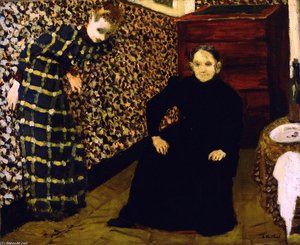
Ранние работы Vuillard посвящены изображению повседневной жизни, особенно сцен из домашнего интерьера. Он с необычайным вниманием обращает внимание на детали: узор обоев, текстуру тканей, игру света и тени. Его картины "Дом матери и сестры художника" (1893) и другие работы того периода демонстрируют его умение создавать атмосферу уюта и интимности, используя приглушенные тона и сложные цветовые сочетания. В этих картинах Vuillard не просто изображает объекты, он создает целые миры, наполненные жизнью и эмоциями. Он часто использовал свою собственную семью – мать и сестру – в качестве моделей, что придавало его работам особую личную ноту.Later Works and the Development of a Distinct Style
После распада группы Les Nabis в 1900 году Vuillard продолжил работать, развивая свой собственный стиль. Его поздние работы отличаются большей реалистичностью и детализацией, однако он не утратил своей любви к цвету и форме. В этот период он часто писал портреты известных людей французской промышленности и искусства, таких как Анри Фонтен и его жена Миса. Эти портреты выполнены в мягких, пастельных тонах и отличаются особой личной теплотой. Vuillard также начал экспериментировать с пейзажами, изображая их в ярких, насыщенных цветах.Legacy and Significance
Jean-Édouard Vuillard – один из самых значительных художников французского модерна. Его работы оказали влияние на многих последующих художников, включая кубистов и фавристиков. Его уникальный стиль, характеризующийся тонким лиризмом, использованием плоских цветов и вниманием к деталям, продолжает вдохновлять художников по всему миру. Vuillard не просто изображал мир вокруг себя, он создавал свой собственный, наполненный красотой, уютом и глубоким пониманием человеческой природы. Его наследие живет в его картинах, которые до сих пор вызывают восхищение и размышления.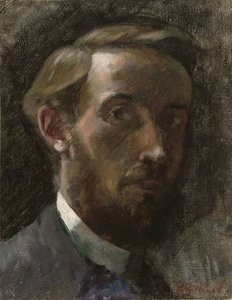
Жан-Эдуард Виillard
1868 - 1940 , Франция
Основные сведения
- Artistic Movement Or Style: Набизм
- Artists Or Movements Influenced By This Artist:
- Кубизм
- Фовизм
- Artists Who Influenced This Artist: ['Поль Гоген']
- Date Of Birth: 11 ноября 1868
- Date Of Death: 21 июня 1940
- Full Name: Jean-Édouard Vuillard
- Nationality: Француз
- Notable Artworks:
- La Patrie en danger
- Jean de la Barre
- Place Of Birth: Куазок, Франция
Похожие статьи
Intimate Interiors & Poetic Ambiguity: Exploring the Vision of Jean-Édouard Vuillard
Discover the captivating world of Jean-Édouard Vuillard, a key figure of the Nabis movement. Explore his intimate interiors, unique style & lasting influence on modern art. Learn more at ArtsDot.
Эгон Шиле: 25 шедевров экспрессионизма для ценителей искусства и декора интерьера
Погрузитесь в мир Эгона Шиле! 25 шедевров экспрессионизма, раскрывающих психологическую глубину и новаторский стиль австрийского художника. Купите репродукции картин Шиле премиум-качества для вашего интерьера на ArtsDot.com.

Echoes of Time: Exploring the Enduring Appeal & Historical Context of Vintage Art Prints
Explore the captivating world of vintage art prints! Discover their history, collecting tips & enduring appeal. Expert insights on chromolithography and building a legacy collection with ArtsDot.

The Enduring Legacy of Fine Art Prints: Technique, History & Aesthetic Impact
Explore the rich history & techniques of fine art prints. Discover investment potential, assess authenticity, and learn how to preserve your collection with expert guidance. Trusted insights for discerning collectors.

Giclée Prints: Archival Quality & Aesthetic Nuances for the Discerning Collector
Explore the world of giclée prints with ArtsDot. Learn about archival quality, aesthetic nuances & investment potential. Expert guidance for discerning art collectors seeking museum-quality reproductions and lasting value.