 Предпросмотр
 Поделиться
 Поделиться
 Детали произведения

 Скачать
 Похожие работы
 Рентгенография
 Слайд-шоу
 Статистика
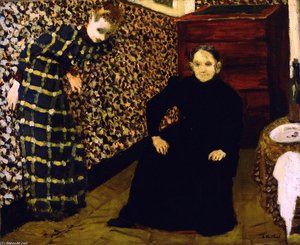
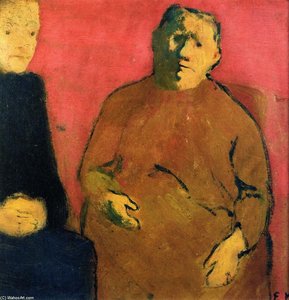
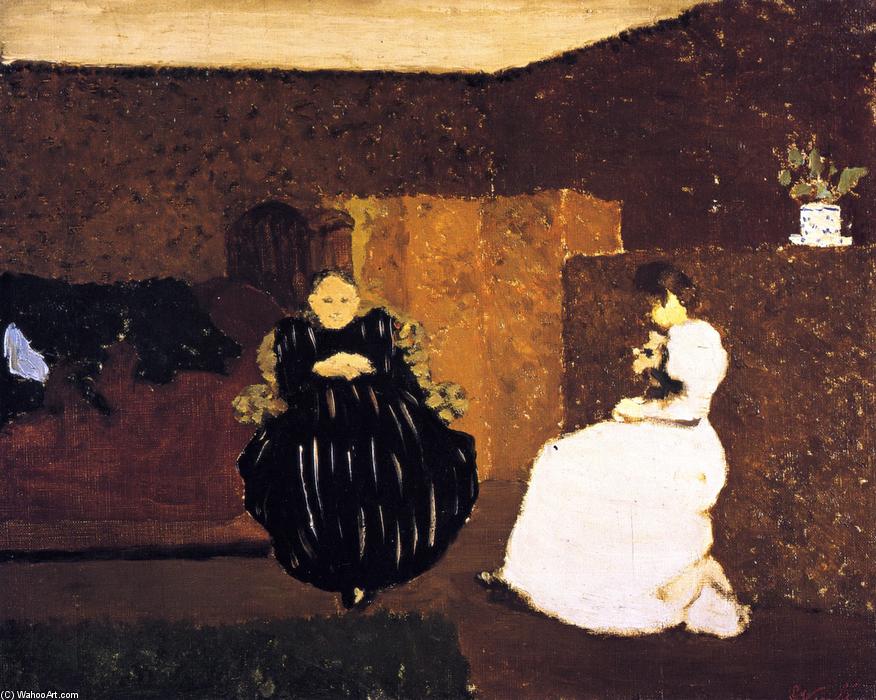
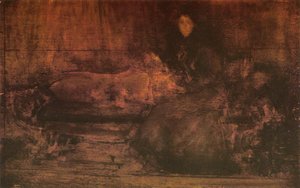
The Chat (also known as Mme Vuillard and Her Daughter - La Causette)


 Читать далее
Жикле / Арт-принт
Печать (жикле) или холст музейного качества с быстрыми сроками изготовления и широким выбором вариантов отделки. ( Купить картину ручной работы Перейти к цифровым изображениям)




P118B $10

P118H $10

P118W $10

P438Z $10

P508JH $12

P508YH $12

P805H $10

P805Z $10

P919BZ $10

P919G $10

P919XJ $10

P959ZH $10

P968JZ $12

W106C $8

W218G $10

W218JH $8

W218Y $10

W307PJ $10

W316G $10

W316PJ $8

W316Y $10

W398PJ $8

W4111J $10

W500HY $15

W500JH $15

W692G $12

W849H $8

W940BG $15

W953PJ $8




Выберите один из наших стандартных размеров, соответствующих оригинальным пропорциям произведения искусства.

Вы можете указать свои собственные размеры, чтобы репродукция идеально подошла под конкретную раму или пространство. Если выбранный вами размер не будет соответствовать пропорциям оригинала, мы либо обрежем произведение, либо дополним изображение зеркальным отражением краев или однотонной заливкой. Перед началом производства вам будет отправлен цифровой макет для утверждения.
Пожалуйста, обратите внимание, что предварительный просмотр на экране не отображает фактическую обрезку или расширение изображения. Только макет точно покажет финальную композицию.
Несмотря на возможность заказа индивидуальных размеров, мы рекомендуем выбирать размер из предопределенного списка, чтобы сохранить оригинальные пропорции.
Доставка по всему миру () за 2 недели вместо стандартных 4/5 недель. (13 Сентябрь)

Бесплатная экспресс-доставка по всему миру

Высококачественный льняной холст

Полное страхование доставки

Гарантия возмещения таможенных пошлин

Гарантия точного соответствия цветов

100-дневная политика возврата (только при обнаружении дефектов)

Гарантия возврата 100% средств

Предложение оптовых скидок
 Вариант со стеклом доступен только для размеров менее 110 см

The Chat (also known as Mme Vuillard and Her Daughter - La Causette)
Жикле / Арт-принт
Размер репродукции
-


Итоговая стоимость
$ 62
The Chat (also known as Mme Vuillard and Her Daughter - La Causette)
Jean Edouard Vuillard’s “La causette,” painted in 1893, stands as a quintessential example of Post-Impressionism—a movement that fiercely rejected the serene observation of light championed by Impressionists. Instead, Vuillard plunged into the interior world, capturing not just what he saw but also conveying the palpable atmosphere of domestic life and familial connection.
The painting depicts two women seated in a room bathed in soft, diffused light—Vuillard’s mother, Marie Vuillard, and her daughter, Marie Roussel. The composition is deceptively simple: a couch dominates the left side, while a chair occupies the right. However, within this apparent stillness lies a wealth of detail—several vases strategically placed around the room contribute to the overall sense of warmth and intimacy, punctuated by a potted plant on the far right.
Vuillard’s distinctive style is immediately recognizable through his masterful use of color and form. He eschewed Impressionist attempts at capturing fleeting moments of light, opting instead for flattened planes of pigment—a technique heavily influenced by Japanese prints—that create an illusion of depth without resorting to traditional perspective. The palette is muted yet rich, dominated by browns and blacks that serve as a grounding counterpoint to the vibrant hues of the wallpaper.
More than just a depiction of a scene, “La causette” embodies Vuillard’s profound exploration of psychological space. He captures not only the physical arrangement of objects but also the unspoken emotions between the figures—the quiet conversation, the subtle gestures of connection. The artist's keen eye for capturing human emotion is evident in his portrayal of Marie Roussel, who leans awkwardly against the wall, attempting to blend into the room’s background.
The painting’s symbolism resonates deeply with Vuillard’s broader artistic vision. The choice of colors—particularly the yellow of Madame Vuillard’s dress—suggests a radiant presence that commands attention and asserts dominance within the domestic sphere. Similarly, the positioning of the vases serves as a visual anchor, grounding the composition and reinforcing the sense of stability.
Ultimately, “La causette” transcends mere representation; it invites contemplation on themes of motherhood, femininity, and the complexities of human relationships—themes that continue to captivate audiences today. It’s a testament to Vuillard's ability to transform ordinary domestic scenes into canvases brimming with emotion and artistic innovation.
Artist's Background
Jean Edouard Vuillard (1868-1940) was born in Cuiseaux, France—a quiet village nestled in the Jura Mountains. From a young age, he demonstrated an exceptional talent for drawing and painting, honing his skills through self-study and experimentation.
Vuillard’s artistic journey coincided with the rise of Les Nabis—a collective of young French artists who championed a radically new approach to artmaking. Influenced by Japanese prints and seeking to liberate color from Impressionist conventions, Vuillard joined Les Nabis in 1888, forging enduring friendships with fellow visionaries like Maurice Denis and Édouard Vuillard.
Les Nabis’s aesthetic principles—characterized by flattened planes of pigment, muted palettes, and a focus on decorative elements—challenged the prevailing artistic norms of their time. Vuillard embraced these ideas wholeheartedly, developing his own distinctive style that blended observation with imagination—a hallmark of his oeuvre.
Vuillard's prolific output encompassed paintings, prints, decorative commissions, and illustrations—demonstrating his versatility as an artist and cementing his legacy as one of the most influential figures in early modernism. His work continues to inspire artists and collectors alike, securing its place among the masterpieces of French art.
Additional Research
Vuillard’s fascination with Japanese prints profoundly shaped his artistic vision—particularly his exploration of spatial illusion and decorative patterning. He meticulously studied Ukiyo-e compositions, analyzing their use of perspective and color to achieve dramatic effects.
Furthermore, Vuillard's meticulous attention to detail—evident in his depictions of interiors and portraits—reflects a commitment to capturing the nuances of human experience. He sought to convey not just what he saw but also how he felt—a characteristic that distinguishes his work from more purely objective representations.
“La causette” exemplifies Vuillard’s artistic principles—his masterful use of color and form, his exploration of psychological space, and his engagement with symbolic imagery. It stands as a beacon of innovation within the Post-Impressionist movement—a testament to Vuillard's enduring influence on subsequent generations of artists.
Notable Works
Beyond “La causette,” Vuillard produced numerous other celebrated paintings—including “Luncheon at Les Clayes,” “The Child’s Bath 2,” and “Portrait of Madame Matisse”—each showcasing his distinctive style and artistic vision. These works continue to resonate with audiences today, securing Vuillard's place among the most revered artists of the Belle Époque.
Похожие произведения
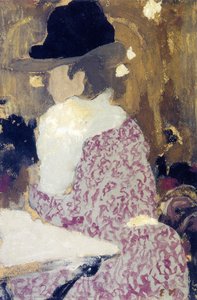
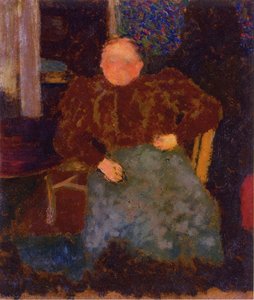
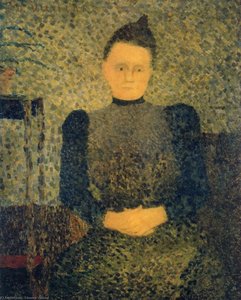
Биография художника
Jean-Édouard Vuillard: A Master of Intimate Light
Jean-Édouard Vuillard, родившийся 11 ноября 1868 года в Куасе, Франция, был не просто художником, но и настоящим новатором в мире искусства. Его жизнь, пронизанная тонким лиризмом и глубоким пониманием человеческой природы, оставила неизгладимый след в истории французской живописи. Влияние его творчества ощущается до сих пор, вдохновляя художников на поиски новых способов выражения эмоций и восприятия мира. Vuillard был членом группы Les Nabis, объединившей молодых художников, стремящихся к синтезу различных художественных направлений и создающих свой собственный уникальный стиль.The Nabis Movement and Artistic Influences
Группа Les Nabis, сформировавшаяся в конце 1880-х годов в Париже, стала одним из ключевых факторов перехода от импрессионизма к новым художественным течениям. Vuillard, вместе с такими мастерами как Maurice Denis и Pierre Bonnard, стремился к созданию искусства, основанного на символизме и мифологии. Они черпали вдохновение в японских гравюрах, особенно в их использовании плоских цветов и упрощенных форм. Эта любовь к японскому искусству оказала огромное влияние на технику Vuillard, который начал использовать более плоские плоскости цвета и уменьшал детализацию в своих работах. Влияние Paul Gauguin также заметно в стремлении Vuillard к передаче эмоционального состояния через цвет и форму, а не просто копированию реальности. Однако, Vuillard развил свой собственный уникальный стиль, отличающийся особой тонкостью и лиризмом.Early Works and the Exploration of Domestic Spaces
Ранние работы Vuillard посвящены изображению повседневной жизни, особенно сцен из домашнего интерьера. Он с необычайным вниманием обращает внимание на детали: узор обоев, текстуру тканей, игру света и тени. Его картины "Дом матери и сестры художника" (1893) и другие работы того периода демонстрируют его умение создавать атмосферу уюта и интимности, используя приглушенные тона и сложные цветовые сочетания. В этих картинах Vuillard не просто изображает объекты, он создает целые миры, наполненные жизнью и эмоциями. Он часто использовал свою собственную семью – мать и сестру – в качестве моделей, что придавало его работам особую личную ноту.Later Works and the Development of a Distinct Style
После распада группы Les Nabis в 1900 году Vuillard продолжил работать, развивая свой собственный стиль. Его поздние работы отличаются большей реалистичностью и детализацией, однако он не утратил своей любви к цвету и форме. В этот период он часто писал портреты известных людей французской промышленности и искусства, таких как Анри Фонтен и его жена Миса. Эти портреты выполнены в мягких, пастельных тонах и отличаются особой личной теплотой. Vuillard также начал экспериментировать с пейзажами, изображая их в ярких, насыщенных цветах.Legacy and Significance
Jean-Édouard Vuillard – один из самых значительных художников французского модерна. Его работы оказали влияние на многих последующих художников, включая кубистов и фавристиков. Его уникальный стиль, характеризующийся тонким лиризмом, использованием плоских цветов и вниманием к деталям, продолжает вдохновлять художников по всему миру. Vuillard не просто изображал мир вокруг себя, он создавал свой собственный, наполненный красотой, уютом и глубоким пониманием человеческой природы. Его наследие живет в его картинах, которые до сих пор вызывают восхищение и размышления.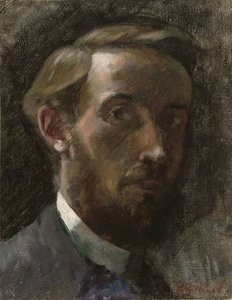
Жан-Эдуард Виillard
1868 - 1940 , Франция
Основные сведения
- Artistic Movement Or Style: Набизм
- Artists Or Movements Influenced By This Artist:
- Кубизм
- Фовизм
- Artists Who Influenced This Artist: ['Поль Гоген']
- Date Of Birth: 11 ноября 1868
- Date Of Death: 21 июня 1940
- Full Name: Jean-Édouard Vuillard
- Nationality: Француз
- Notable Artworks:
- La Patrie en danger
- Jean de la Barre
- Place Of Birth: Куазок, Франция
Похожие статьи

Топ-25 шедевров Кацусики Хокусая: Искусство Японии для вашего интерьера
Погрузитесь в мир гения Кацусики Хокусая! 25 легендарных гравюр укиё-э, включая "Великую волну". История искусства Японии и вдохновение для вашего интерьера. Репродукции высокого качества на ArtsDot.com.
Intimate Interiors & Poetic Ambiguity: Exploring the Vision of Jean-Édouard Vuillard
Discover the captivating world of Jean-Édouard Vuillard, a key figure of the Nabis movement. Explore his intimate interiors, unique style & lasting influence on modern art. Learn more at ArtsDot.
Beyond Impressionism: Exploring the Emotional Depth of Post-Impressionist Painting
Explore the profound emotional depth & innovative techniques of Post-Impressionism with ArtsDot. Discover Cézanne, Van Gogh, Gauguin & more – and their lasting impact on modern art.
10 Шедевров Постимпрессионизма, Определивших Эпоху | ArtsDot.com
Погрузитесь в мир постимпрессионизма! Откройте 10 шедевров Ван Гога, Моне, Сезанна и других великих художников. История искусства, техники живописи и вдохновение для вашего интерьера на ArtsDot.com. Изысканные репродукции картин ждут вас!

Giclée Prints: Archival Quality & Aesthetic Nuances for the Discerning Collector
Explore the world of giclée prints with ArtsDot. Learn about archival quality, aesthetic nuances & investment potential. Expert guidance for discerning art collectors seeking museum-quality reproductions and lasting value.