Предпросмотр
 Поделиться
 Поделиться
 Детали произведения

 Скачать
 Похожие работы
 Рентгенография
 Слайд-шоу
 Статистика
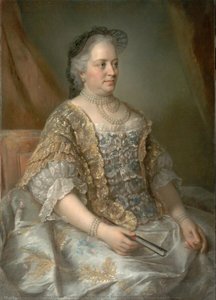
Marie-Adalaide of France Dressed in Turkish Costume
 Oil On Canvas
- WallArt
- Rococo Portraiture
 1753
1753 50.0 x 56.0 cm
 Галерея Уффици
 Читать далее
Масляная репродукция ручной работы
Картина маслом на холсте в выбранном вами размере и раме, написанная на заказ нашими художниками. ( Перейти к печати Перейти к цифровым изображениям)




P118B $10

P118H $10

P118W $10

P438Z $10

P508JH $12

P508YH $12

P805H $10

P805Z $10

P919BZ $10

P919G $10

P919XJ $10

P959ZH $10

P968JZ $12

W106C $8

W218G $10

W218JH $8

W218Y $10

W307PJ $10

W316G $10

W316PJ $8

W316Y $10

W398PJ $8

W4111J $10

W500HY $15

W500JH $15

W692G $12

W849H $8

W940BG $15

W953PJ $8
Выберите один из наших стандартных размеров, соответствующих оригинальным пропорциям произведения искусства.

Вы можете указать собственные размеры, чтобы картина идеально вписалась в выбранную раму или пространство. Если выбранный вами размер не соответствует пропорциям оригинала, мы либо обрежем полотно, либо расширим его за счет дополнительных элементов, написанных вручную. Цифровой макет будет отправлен вам на утверждение перед началом производства.
Обратите внимание, что предварительный просмотр на экране не отражает фактическую обрезку или расширение. Только макет точно покажет окончательную композицию.
Хотя доступны индивидуальные размеры, мы рекомендуем выбирать вариант из предопределенного списка, чтобы сохранить исходные пропорции.
После оформления заказа команда ArtsDot.com свяжется с клиентом по электронной почте для уточнения деталей и предоставит предварительный макет
Доставка по всему миру () за 3–4 недели вместо стандартных 5 недель. (15 Сентябрь). Без компромиссов в качестве.

Бесплатная экспресс-доставка по всему миру

Высококачественный льняной холст

Полное страхование доставки

Гарантия возмещения таможенных пошлин

Гарантия точного соответствия цветов

100-дневная политика возврата (только при обнаружении дефектов)

Гарантия возврата 100% средств

Предложение оптовых скидок
 Вариант со стеклом доступен только для размеров менее 110 см

Marie-Adalaide of France Dressed in Turkish Costume
Техника репродукции
Размер репродукции
-


Итоговая стоимость
$ 263
A Glimpse of Parisian Elegance: Marie-Adelaide Dressed in Turkish Costume by Jean-Étienne Liotard
Jean-Étienne Liotard’s “Marie-Adalaide of France Dressed in Turkish Costume” is more than just a portrait; it's a meticulously crafted window into the opulent world of 18th-century European aristocracy and the burgeoning fascination with the Orient. Painted in 1753, this pastel masterpiece captures a moment of deliberate exoticism, revealing a carefully constructed tableau of luxury, diplomacy, and the allure of the unfamiliar. The painting depicts Marie-Adalaide, the third daughter of Louis XV, seated on a plush couch, her posture radiating an air of quiet contemplation as she reads a book. Her attire—a vibrant Turkish costume adorned with intricate embroidery and shimmering fabrics—immediately draws the eye, establishing a striking contrast against the relatively restrained backdrop of the room.
Liotard’s genius lies not merely in his technical skill but in his ability to evoke atmosphere and narrative through subtle details. The room itself is rendered with remarkable precision – a window offering a glimpse of natural light, a clock marking the passage of time, and the carefully arranged furniture all contribute to a sense of domestic tranquility. Yet, it’s the Turkish costume that dominates the composition, immediately transporting the viewer to a distant land. This wasn't simply a fashionable trend; the depiction of Eastern dress was deeply intertwined with European diplomacy at the time. The French court actively cultivated relationships with Ottoman dignitaries, and such portraits served as visual representations of these alliances, subtly conveying power and prestige.
The Pastel Master: Liotard’s Technique and Artistic Vision
Liotard was a pioneer in the use of pastel on canvas, a medium he elevated to an extraordinary level of detail and luminosity. Unlike traditional oil paints, pastels offer unparalleled subtlety and nuance, allowing for delicate gradations of tone and color that mimic the effects of charcoal or pencil. In “Marie-Adalaide,” Liotard’s mastery is immediately apparent in the rendering of textures – the luxurious sheen of the silk fabrics, the intricate embroidery, and even the folds of the woman's clothing are depicted with astonishing realism. The artist employs a technique known as ‘stippling,’ creating texture and depth through the rapid application of countless tiny dots of pastel pigment. This method gives the painting an almost velvety quality, inviting close inspection and revealing the incredible labor involved in its creation.
Furthermore, Liotard’s use of color is remarkably restrained yet highly effective. He favors muted tones—soft blues, greens, and browns—that create a sense of depth and atmosphere. The vibrant hues of the Turkish costume are strategically placed to draw attention to the subject while maintaining a harmonious balance within the composition. His palette reflects his time in Constantinople, where he was exposed to the rich colors and textures of the Ottoman world.
Symbolism and Context: A Portrait of Power and Diplomacy
Beyond its aesthetic beauty, “Marie-Adalaide” is laden with symbolic meaning. The act of reading suggests an educated and cultured woman, aligning her with the ideals of Enlightenment society. The Turkish costume itself represents a deliberate attempt to emulate the exotic allure of the Ottoman Empire—a power that was both admired and feared by European monarchs. This wasn’t simply about fashion; it was a strategic tool used to enhance diplomatic relations and project an image of sophistication and worldly knowledge.
The inclusion of the clock, a recurring motif in Liotard's work, subtly underscores the passage of time and the fleeting nature of beauty and power. It serves as a reminder that even the most opulent displays are ultimately transient. The painting’s historical context is crucial to understanding its significance; it reflects the complex political landscape of 18th-century Europe, where diplomacy and trade were inextricably linked with artistic expression.
A Timeless Masterpiece: Reproduction and Appreciation
Reproduced faithfully in a high-quality print, “Marie-Adalaide of France Dressed in Turkish Costume” remains a captivating work of art. Its delicate pastel tones, intricate details, and evocative atmosphere continue to resonate with viewers today. Whether adorning a formal salon or a private study, this painting offers a glimpse into a bygone era—a testament to the artistry of Jean-Étienne Liotard and his remarkable ability to capture both beauty and meaning on canvas.
Похожие произведения

Биография художника
Ранние годы и обучение
Жан-Этьен Лиотар, прославленный женевский живописец, искусствовед и дилер, родился 22 декабря 1702 года в Женеве, Швейцария. Его родители, французские протестанты, бежали в Женеву после 1685 года. Художественный путь Лиотара начался под руководством профессоров Даниэля Гарделя и Петюта, чьи эмали и миниатюры он виртуозно воспроизводил.Художественная карьера
Путешествия Лиотара привели его во многие европейские столицы, включая Париж, Рим, Стамбул и Вену, где его портреты были предметом большого спроса. В 1725 году он учился у Жана-Батиста Массе и Франсуа Лемуэна в Париже. Его пребывание в Константинополе (1738-1742) оказало огромное влияние на его творчество, что особенно заметно в многочисленных пастельных изображениях турецкой бытовой жизни.Значимые работы и стиль
Мастерство Лиотара в работе с пастелью демонстрируется такими работами, как:- Голландская девушка за завтраком (ок. 1756 г., масло на холсте, Рейксмузеум), что свидетельствует о его универсальности.
- Ла Лизуз, Шоколадная девушка и Ла Бель Лиониз в Галерее Дрездена, являющиеся образцами его нежных пастельных зарисовок.
- Мария Фредерике ван Рейде-Атлон в возрасте семи лет (Музей Дж. Пола Гетти), свидетельство его натуралистического портрета.
Наследие и поздние годы
Последние годы жизни Лиотара ознаменовались публикацией его трактата «Трактат о принципах и правилах живописи» (1781 г.). Он продолжал писать натюрморты и пейзажи до своей кончины 12 июня 1789 года в Женеве. Ключевые ссылки:- Жан-Этьен Лиотар | ArtsDot.com (страница художника)
- Жан-Этьен Лиотар | Wikipedia
- Женщина в турецком платье | ArtsDot.com (картина)
Музеи и коллекции:
- Частная коллекция музея (Женева, Швейцария), где представлена впечатляющая панорама работ Лиотара.
- Музей искусств и истории (Женева, Швейцария), хранящий значительную коллекцию пастелей и рисунков Лиотара.
Жан-Этьен Лиотар
1702 - 1789 , Швейцария
Основные сведения
- Artistic Movement Or Style: Пасторализм
- Artists Or Movements Influenced By This Artist:
- Жан-Батист Массе
- Франсуа Лемоэн
- Artists Who Influenced This Artist:
- Даниэль Гардель
- Петюто
- Date Of Birth: 22 декабря 1702 года
- Date Of Death: 12 июня 1789 года
- Full Name: Жан-Этьен Лиотар
- Nationality: Швейцарский
- Notable Artworks:
- Голландская девушка за завтраком
- Ла Лизюз
- Шоколадная девушка
- Мария Фредерике ван Рейде-Атлон в возрасте семи лет
- Place Of Birth: Женева, Швейцария
Похожие статьи

The Rococo Aesthetic: Opulence, Rebellion & the Pursuit of Pleasure in 18th-Century Art
Explore the opulent world of Rococo art! Discover its origins, key artists like Watteau & Boucher, and lasting influence on design. Expert insights for collectors & enthusiasts.
Charles-André van Loo: A Study in Rococo Portraiture & the French Court's Artistic Dynamics
Explore the elegant world of Charles-André van Loo, a master of Rococo portraiture at the French court. Discover his life, techniques, and enduring influence on 18th-century art. Hand-painted reproductions available.
Jean-Étienne Liotard: Rococo Portraiture & the Pursuit of Naturalism
Explore the exquisite Rococo portraits of Jean-Étienne Liotard, a master of pastel and enamel. Discover his innovative techniques, captivating Turkish scenes, and lasting influence on art history. Learn more at ArtsDot.
Maurice Quentin de La Tour: Light, Shadow & the Rococo Portrait
Explore the captivating world of Maurice Quentin de La Tour, a master of Rococo portraiture. Discover his innovative pastel techniques, intimate depictions of French aristocracy, and lasting artistic legacy. Learn more at ArtsDot.

Топ-10 шедевров рококо: искусство, изменившее интерьеры | ArtsDot.com
Погрузитесь в мир рококо! Откройте для себя 10 шедевров искусства от Watteau, Boucher и Fragonard. Узнайте историю создания культовых картин и вдохновитесь для декора интерьера. Репродукции высокого качества на ArtsDot.com.