

 Предпросмотр
 Поделиться
 Поделиться
 Детали произведения

 Скачать
 Похожие работы
 Рентгенография
 Слайд-шоу
 Статистика
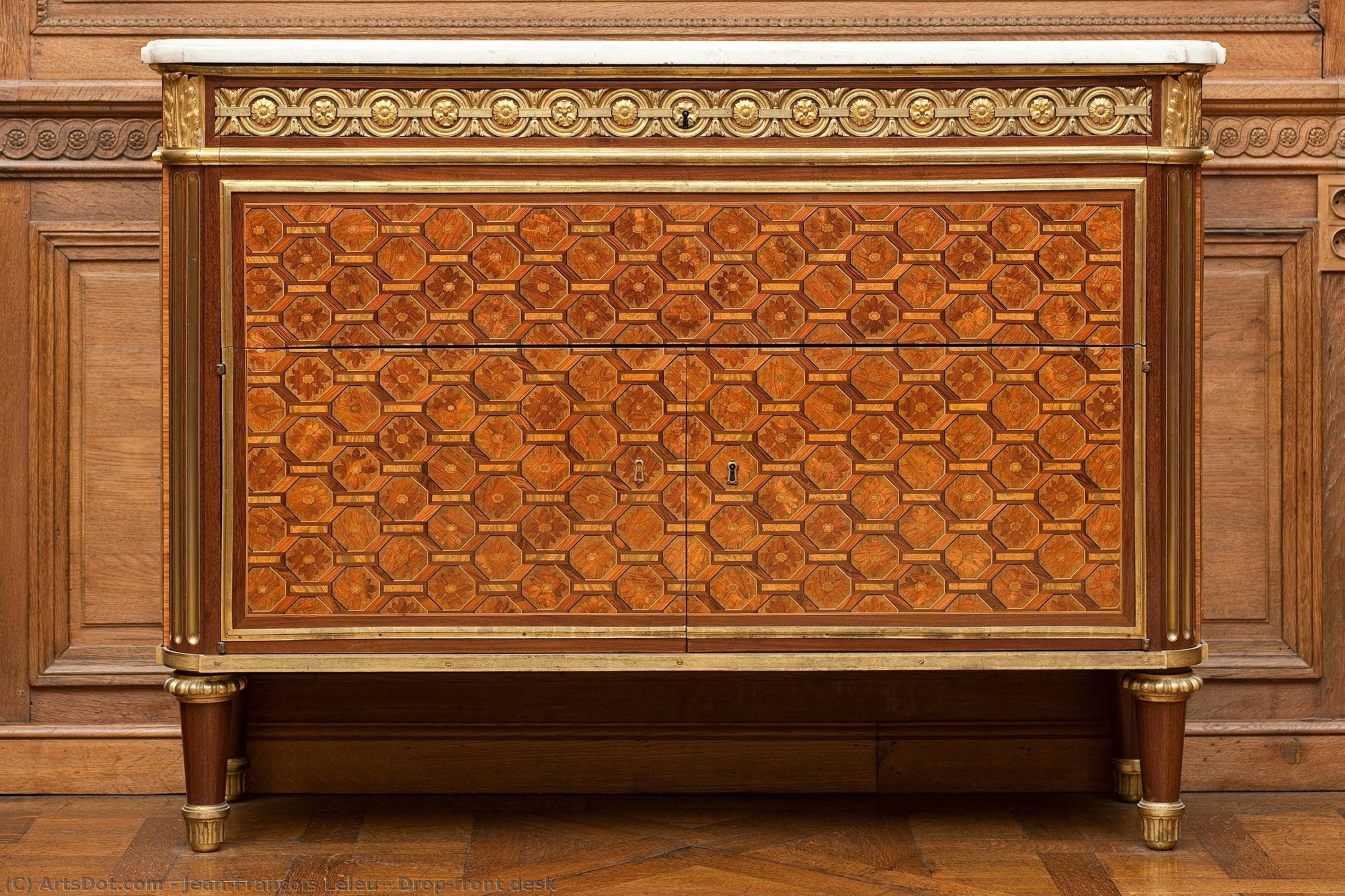
Drop-front desk


 Читать далее
Масляная репродукция ручной работы
Картина маслом на холсте в выбранном вами размере и раме, написанная на заказ нашими художниками. ( Перейти к печати Перейти к цифровым изображениям)




P118B $10

P118H $10

P118W $10

P438Z $10

P508JH $12

P508YH $12

P805H $10

P805Z $10

P919BZ $10

P919G $10

P919XJ $10

P959ZH $10

P968JZ $12

W106C $8

W218G $10

W218JH $8

W218Y $10

W307PJ $10

W316G $10

W316PJ $8

W316Y $10

W398PJ $8

W4111J $10

W500HY $15

W500JH $15

W692G $12

W849H $8

W940BG $15

W953PJ $8




Выберите один из наших стандартных размеров, соответствующих оригинальным пропорциям произведения искусства.

Вы можете указать собственные размеры, чтобы картина идеально вписалась в выбранную раму или пространство. Если выбранный вами размер не соответствует пропорциям оригинала, мы либо обрежем полотно, либо расширим его за счет дополнительных элементов, написанных вручную. Цифровой макет будет отправлен вам на утверждение перед началом производства.
Обратите внимание, что предварительный просмотр на экране не отражает фактическую обрезку или расширение. Только макет точно покажет окончательную композицию.
Хотя доступны индивидуальные размеры, мы рекомендуем выбирать вариант из предопределенного списка, чтобы сохранить исходные пропорции.
После оформления заказа команда ArtsDot.com свяжется с клиентом по электронной почте для уточнения деталей и предоставит предварительный макет
Доставка по всему миру () за 3–4 недели вместо стандартных 5 недель. (11 Сентябрь). Без компромиссов в качестве.

Бесплатная экспресс-доставка по всему миру

Высококачественный льняной холст

Полное страхование доставки

Гарантия возмещения таможенных пошлин

Гарантия точного соответствия цветов

100-дневная политика возврата (только при обнаружении дефектов)

Гарантия возврата 100% средств

Предложение оптовых скидок
 Вариант со стеклом доступен только для размеров менее 110 см

Drop-front desk
Техника репродукции
Размер репродукции
-


Итоговая стоимость
$ 263
The Elegance of Eighteenth-Century Craftsmanship
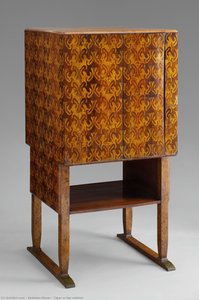
In the quiet grandeur of the late eighteenth century, furniture was never merely functional; it was a profound expression of status, intellect, and artistry. Jean-François Leleu’s Drop-front desk, dating from approximately 1780, serves as a breathtaking window into this era of unparalleled refinement. This exquisite piece captures the essence of the transition between the ornate Louis XV style and the more structured elegance of the period, embodying a time when every curve of wood and every glint of gold was meticulously calculated to inspire awe. The desk stands not just as an object of utility, but as a sculptural masterpiece that commands the room with its dignified presence.
The composition of the work invites the viewer into a private moment of scholarly pursuit. At its heart lies the central drop-front mechanism, captured in a state of gentle openness that reveals the hidden depths of the piece. This architectural detail suggests a narrative of discovery—as if the desk itself is waiting to reveal secrets, letters, or precious keepsakes to its owner. The surrounding drawers, adorned with delicate gold handles, provide a rhythmic symmetry that anchors the visual weight of the piece, while the accompanying chair stands in silent anticipation, completing a scene of poised, aristocratic solitude.
A Masterclass in Texture and Detail
To behold this work is to appreciate the incredible technical virtuosity of Leleu, a craftsman who was shaped by the legendary workshops of Oeben and Riesener. The painting masterfully replicates the tactile richness of fine woodworking. One can almost feel the smooth, polished grain of the wooden frame and the intricate carvings that dance across its surface. The artist employs a sophisticated play of light and shadow to accentuate the depth of the wood's texture, making the intricate designs appear to emerge from the very fibers of the material.
The use of color is both subtle and impactful, relying on warm, earthy tones that evoke the timelessness of aged timber. These deep hues are punctuated by the brilliant, reflective quality of the gold hardware, which catches the light with a soft, luxurious glow. This interplay between the matte surfaces of the wood and the luminous metallic accents creates a visual tension that keeps the eye moving across the piece, discovering new complexities in every corner. For the collector or interior designer, this level of detail offers endless inspiration for creating spaces that feel both historically grounded and luxuriously sophisticated.
Symbolism and the Spirit of the Enlightenment
Beyond its physical beauty, the Drop-front desk carries a profound symbolic weight. During the era of Leleu’s mastery, the desk was the altar of the Enlightenment—a place where philosophy, science, and diplomacy were forged through the written word. The open compartment symbolizes the accessibility of knowledge and the transparency of thought that defined the age. It represents an invitation to engage with the world through intellect and reflection.
For those seeking to integrate such a piece into a modern interior, it offers more than just aesthetic appeal; it brings a sense of historical continuity and intellectual depth. A high-quality reproduction of this work allows the spirit of 1780 to inhabit contemporary spaces, providing a focal point that evokes feelings of stability, prestige, and timeless grace. It is an investment in an atmosphere of cultured tranquility, perfect for those who appreciate the intersection of fine art and the storied history of decorative excellence.
Похожие произведения





Биография художника
The Master of Refined Elegance: The Life of Jean-François Leleu
In the golden age of French decorative arts, few names evoke the sophisticated splendor of the eighteenth century quite like Jean-François Leleu. Born in Paris in 1729, Leleu emerged from a world where craftsmanship was not merely a trade but a profound language of status and intellect. His journey into the heights of Parisian cabinetmaking began within the hallowed workshops of the era's most legendary luminaries. Under the direct tutelage of Jean-François Oeben, alongside his contemporary and eventual rival Jean-Henri Riesener, Leleu absorbed the very essence of the ébéniste tradition. This formative period served as a crucible, refining his technical prowess and instilling in him a dedication to meticulous detail that would become his hallmark. As he transitioned from an apprentice to a master in 1764, following the death of Oeben, Leleu stepped into a leadership role that allowed him to shape the aesthetic sensibilities of the French aristocracy.
A Symphony of Marquetry and Porcelain
Leleu’s artistic development was characterized by a masterful balance between the ornate exuberance of the Louis XV style and the emerging, more structured grace of Neoclassicism. His work is celebrated for its remarkable restraint; where others might have sought ostentation, Leleu pursued an understated beauty that spoke of quiet grandeur. He possessed a singular ability to transform functional furniture into sculptural masterpieces through the use of exquisite materials. His designs frequently featured intricate floral bouquets and delicate diamond inIay, creating a rhythmic dance of light across polished wood surfaces. Beyond mere woodwork, Leleu was a pioneer in integrating luxury elements such as Sèvres porcelain and fine lacquer into his pieces. This fusion of textures—the smooth coolness of porcelain against the warm, tactile grain of fine timber—elevated his creations to the status of high art, making them much more than mere household objects.
Patronage and the Aristocratic Legacy
The historical significance of Leleu’s career is inextricably linked to the prestigious patrons who sought his expertise. His workshop became a destination for the most influential figures of the French court, including the Prince de Condé and the legendary Madame du Barry. To create for such clientele required an unparalleled understanding of the era's social nuances; Leleu’s furniture had to embody both the power of the monarchy and the refined taste of the elite. His ability to secure these commissions cemented his reputation as a leading figure in the transition between eras, capturing the fleeting moment when the Rococo's curves began to yield to the disciplined elegance of the late eighteenth century.
Today, the legacy of Jean-François Leleu lives on through the enduring presence of his works in the world's most esteemed institutions. His masterpieces can be found within the permanent collections of:
- The Metropolitan Museum of Art, where his writing tables exemplify Neoclassical precision.
- The J. Paul Getty Museum, preserving the technical virtuosity of his decorative techniques.
- The National Gallery of Art, showcasing his ability to create transformative pieces like the combined toilet and writing table.
Through these surviving treasures, we continue to witness the brilliance of a craftsman who did not just build furniture, but sculpted the very atmosphere of French history.

jean-françois leleu
1729 - 1807 , France
Основные сведения
- Artistic Movement Or Style: Louis XV Furniture
- Artists Or Movements Influenced By This Artist: ['Romanticism']
- Artists Who Influenced This Artist:
- Jean-Henri Riesener
- Jean-François Oeben
- Date Of Birth: Paris, France (1729)
- Date Of Death: 1807
- Full Name: Jean-François Leleu
- Nationality: French
- Notable Artworks: ['Drop-front desk']
- Place Of Birth: Paris
Похожие статьи
F.A.Q.: Изысканное оформление картин – акрил и дерево для ценителей искусства
предлагает изысканное оформление картин акрилом и деревом для истинных ценителей искусства. Индивидуальный подход, премиум качество и гарантия долговечности. Закажите идеальную раму онлайн!
Jean-Louis Forain: Capturing Parisian Life with Wit & Realism
Explore the captivating world of Jean-Louis Forain, a master Impressionist chronicler of Belle Époque Paris. Discover his satirical paintings, realistic scenes & lasting legacy. Learn about collecting Forain's art today!

Anne-Louis Girodet: Bridging Neoclassicism & Romanticism with Emotional Truth
Explore the captivating world of Anne-Louis Girodet, a pivotal figure bridging Neoclassicism & Romanticism. Discover his masterpieces and unique artistic vision with ArtsDot.

Morris Louis: Pioneering Color Field Painting & Abstract Expressionism's Legacy
Explore the groundbreaking abstract expressionism of Morris Louis, a pioneer of Color Field painting. Discover his innovative techniques, influential series & lasting legacy in post-war American art. Learn more at ArtsDot.

Grant Wood & American Regionalism: Identity, Myth & the Rural Landscape
Explore the world of Grant Wood & American Regionalism with ArtsDot. Discover the symbolism behind 'American Gothic', recurring themes, and the movement's lasting impact on art history. High-quality reproductions available.