

 Предпросмотр
 Поделиться
 Поделиться
 Детали произведения

 Скачать
 Похожие работы
 Рентгенография
 Слайд-шоу
 Статистика
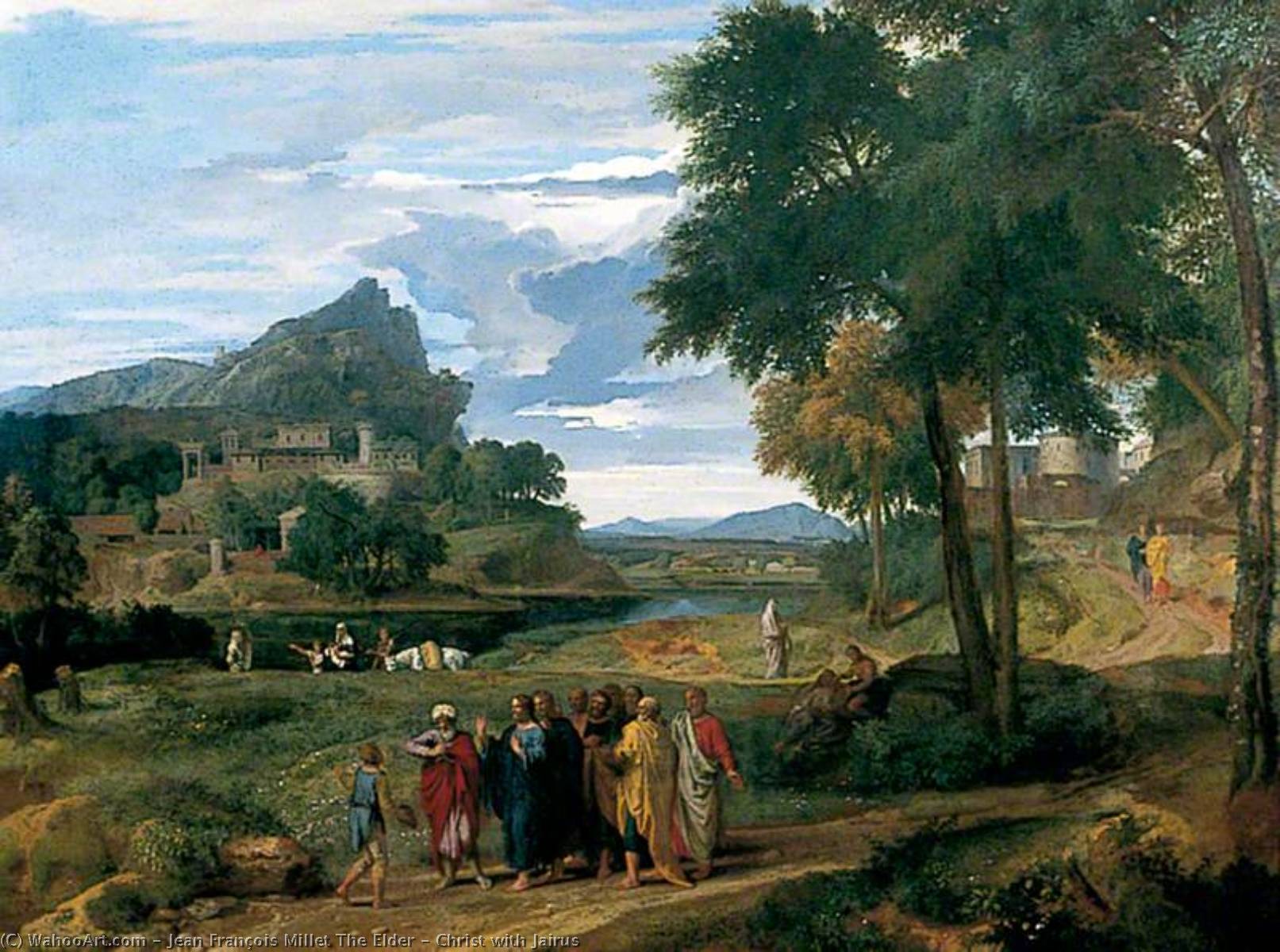
Christ with Jairus
 105.0 x 141.0 cm
 Читать далее
Приобретите цифровое изображение высокого разрешения в улучшенном качестве, которое значительно превосходит онлайн-превью.
Каждый файл тщательно подготавливается нашими специалистами с использованием передовых инструментов и экспертной ручной ретуши. Мы гарантируем исключительную четкость, точную цветопередачу и детальную проработку каждого изображения.
Финальный файл доставляется по электронной почте в течение 72 часов и оптимизирован для немедленного использования в профессиональной среде, при верстке и печати. Это тот же уровень качества, которому доверяют ведущие дизайнерские студии, издательства и галереи.
Цифровое изображение
Скачайте файл высокого разрешения для личного использования, печати и творческих проектов. ( Перейти к печати Купить картину ручной работы)
Включено в каждый заказ цифровых изображений
Гарантия экспертной цифровой доставки
Выбирая ArtsDot.com, вы получаете не просто изображение — вы приобретаете профессионально обработанное цифровое произведение искусства, созданное с безупречной точностью и под защитой гарантии качества. Вот всё, что автоматически входит в ваш заказ:

Мгновенная доставка по e-mail
Ваш цифровой файл в высоком разрешении будет отправлен вам по электронной почте в течение 72 часов после оформления заказа — и сразу станет доступен для использования.

Цифровой файл с ИИ-улучшением
Ваше произведение искусства проходит профессиональную оптимизацию с использованием передовых инструментов ИИ и ручной обработки, что гарантирует максимальную детализацию, четкость и точность цветопередачи.

Бессрочная бесплатная повторная доставка
Случайно удалили или потеряли файл? Не беспокойтесь — мы отправим его вам повторно в любое время и совершенно бесплатно.

Без импортных пошлин — навсегда
Наслаждайтесь вашим произведением искусства мгновенно без таможенных пошлин, сборов или затрат на доставку — цифровые загрузки всегда не облагаются налогом.

Гарантия точности цветопередачи
Мы гарантируем, что ваше цифровое изображение максимально точно передает оригинальные цвета благодаря использованию профессиональных инструментов и систем управления цветом.

Гарантия удовлетворенности 100 дней
Если вы не будете удовлетворены своим цифровым изображением, мы внесем правки или вернем 100% стоимости в течение 100 дней — без лишних вопросов.

100% Гарантия возврата средств
Не удовлетворены покупкой? Получите полный возврат средств в течение 100 дней после получения цифрового файла — без лишних вопросов.

Скидки на оптовые заказы
Купите 3 изображения, сэкономьте 10% — Купите 5, сэкономьте 15% — Купите 10+, сэкономьте 20%. Отличное решение для творческих проектов, галерей и агентств.
Похожие произведения









Биография художника
Jean-François Millet: The Poet of the Peasants
Jean-François Millet, a name synonymous with the Barbizon School and profoundly evocative depictions of rural life in 19th-century France, was more than just an artist; he was a chronicler of the dignity and hardship of the working class. Born in Gruchy, a small village in Normandy, on October 4, 1814, Millet’s early life was inextricably linked to the rhythms of agricultural labor. His father, a farmer, instilled in him a deep respect for the land and its people – experiences that would profoundly shape his artistic vision. Unlike many artists of his era who sought fame through grand historical or mythological subjects, Millet deliberately chose to portray the lives of peasants, a decision that initially met with skepticism but ultimately cemented his legacy as one of France’s most important realist painters.Early Life and Artistic Training
Millet's childhood was far from idyllic. He spent his youth working on the family farm, developing an intimate understanding of rural existence – the backbreaking labor, the cyclical seasons, and the quiet resilience of those who toiled within them. This direct engagement with peasant life would later become a defining characteristic of his art. Seeking formal artistic training, Millet moved to Cherbourg in 1837 and enrolled at the École des Beaux-Arts in Paris. He studied under Paul Delaroche, a prominent academic painter known for his historical works, but Millet’s own inclinations leaned towards a more direct observation of reality. Initially, he attempted to navigate the conventions of the Salon system, producing portraits that, while technically proficient, lacked the emotional depth and social commentary that would later become central to his work. However, rejection from the 1840 Salon marked a turning point, prompting him to return to Normandy and begin his journey towards a truly independent artistic voice.The Barbizon School and a New Vision
Millet’s return to Normandy proved transformative. He embraced the principles of the Barbizon School, a movement that championed painting *en plein air* (outdoors) and sought to capture the essence of nature with unprecedented accuracy. Rejecting the polished surfaces and idealized compositions favored by the established Salon artists, Millet and his fellow Barbizon painters – including Théodore Rousseau and Jean-Baptiste Camille Corot – focused on depicting landscapes and peasant life as they truly were: weathered, honest, and imbued with a quiet dignity. This shift was not merely stylistic; it represented a fundamental change in artistic priorities—a move away from grand narratives towards the intimate portrayal of everyday experience. Millet’s work began to resonate deeply with a growing public interest in social justice and the plight of the working class.Iconic Works: ‘The Gleaners,’ ‘Angelus,’ and Beyond
Millet's most celebrated paintings—‘The Gleaners’ (1857) and ‘The Angelus’ (1869)—are testaments to his artistic skill and profound empathy. ‘The Gleaners,’ depicting three women gathering the remnants of a harvested field, is arguably his most famous work. It's not simply a depiction of rural labor; it’s a poignant meditation on poverty, resilience, and the dignity of those who toil in obscurity. The figures are rendered with remarkable detail and emotional honesty, their faces etched with hardship yet radiating an undeniable strength. ‘The Angelus,’ showing a peasant couple praying at the graveside of their child, is equally powerful. It captures a moment of profound grief and spiritual solace, highlighting the deeply rooted faith of the rural population. Beyond these iconic works, Millet produced numerous other paintings that explored similar themes—farmers harvesting wheat, women drawing water from the well, children playing in the fields—each imbued with a quiet intensity and a deep respect for his subjects.Legacy and Influence
Jean-François Millet’s impact on art history is undeniable. He played a crucial role in shaping the Barbizon School and influencing generations of artists. His commitment to realism, his focus on social issues, and his ability to capture the emotional depth of ordinary people paved the way for Impressionism and later movements that sought to depict the realities of modern life. Artists like Claude Monet, Vincent van Gogh, and Georges Seurat were deeply inspired by Millet’s work, recognizing in it a profound connection between art and social consciousness. Millet died in Barbizon on January 20, 1875, leaving behind a body of work that continues to resonate with viewers today—a testament to the enduring power of an artist who dared to look beyond the grand narratives of history and find beauty and meaning in the lives of the humble. His paintings remain powerful reminders of the dignity of labor and the importance of empathy and social awareness.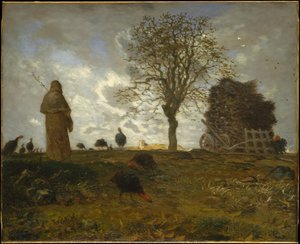
jean françois millet the elder
1642 - 1679
Основные сведения
- Artistic Movement Or Style: Barbizon School
- Artists Or Movements Influenced By This Artist:
- Salvador Dalí
- Claude Monet
- Artists Who Influenced This Artist:
- Poussin
- Dughet
- Date Of Birth: 1642
- Date Of Death: 1679
- Full Name: Jean-François Millet the elder
- Nationality: Flemish
- Notable Artworks:
- Mountain Landscape with Lightning
- The Winnower
- Place Of Birth: Antwerp, Belgium