

 Предпросмотр
 Поделиться
 Поделиться
 Детали произведения

 Скачать
 Похожие работы
 Рентгенография
 Слайд-шоу
 Статистика
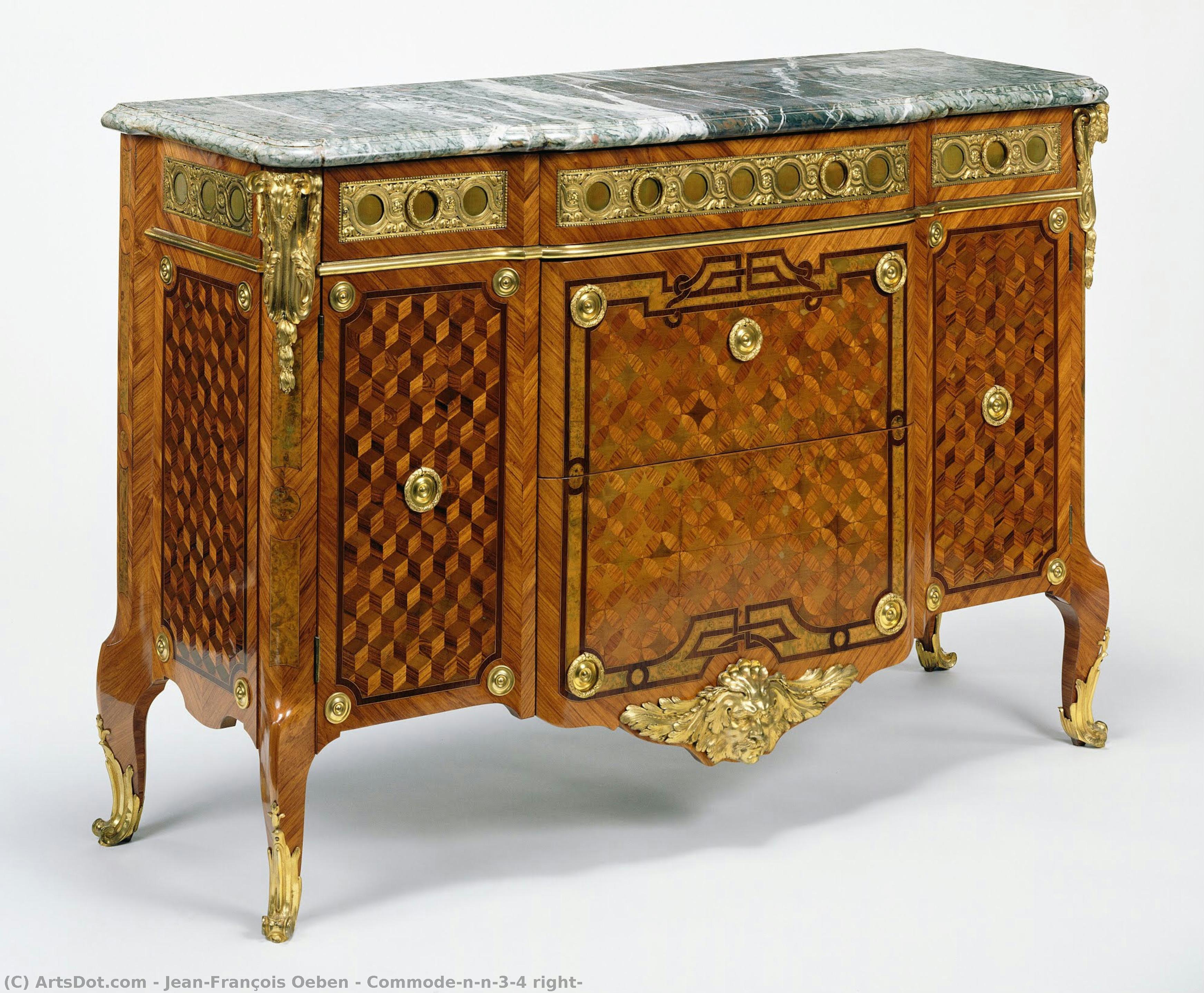
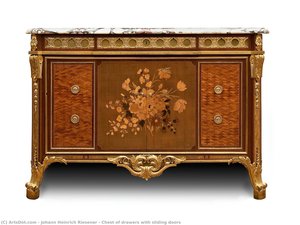
Commode\n\n(3/4 right)
 Acrylic On Canvas
- WallArt
- French Post-Impressionism
 1760
1760 92.0 x 140.0 cm
 Музей Дж. Пол Гети
 Читать далее
Масляная репродукция ручной работы
Картина маслом на холсте в выбранном вами размере и раме, написанная на заказ нашими художниками. ( Перейти к печати Перейти к цифровым изображениям)




P118B $10

P118H $10

P118W $10

P438Z $10

P508JH $12

P508YH $12

P805H $10

P805Z $10

P919BZ $10

P919G $10

P919XJ $10

P959ZH $10

P968JZ $12

W106C $8

W218G $10

W218JH $8

W218Y $10

W307PJ $10

W316G $10

W316PJ $8

W316Y $10

W398PJ $8

W4111J $10

W500HY $15

W500JH $15

W692G $12

W849H $8

W940BG $15

W953PJ $8




Выберите один из наших стандартных размеров, соответствующих оригинальным пропорциям произведения искусства.

Вы можете указать собственные размеры, чтобы картина идеально вписалась в выбранную раму или пространство. Если выбранный вами размер не соответствует пропорциям оригинала, мы либо обрежем полотно, либо расширим его за счет дополнительных элементов, написанных вручную. Цифровой макет будет отправлен вам на утверждение перед началом производства.
Обратите внимание, что предварительный просмотр на экране не отражает фактическую обрезку или расширение. Только макет точно покажет окончательную композицию.
Хотя доступны индивидуальные размеры, мы рекомендуем выбирать вариант из предопределенного списка, чтобы сохранить исходные пропорции.
После оформления заказа команда ArtsDot.com свяжется с клиентом по электронной почте для уточнения деталей и предоставит предварительный макет
Доставка по всему миру () за 3–4 недели вместо стандартных 5 недель. (11 Сентябрь). Без компромиссов в качестве.

Бесплатная экспресс-доставка по всему миру

Высококачественный льняной холст

Полное страхование доставки

Гарантия возмещения таможенных пошлин

Гарантия точного соответствия цветов

100-дневная политика возврата (только при обнаружении дефектов)

Гарантия возврата 100% средств

Предложение оптовых скидок
 Вариант со стеклом доступен только для размеров менее 110 см

Commode\n\n(3/4 right)
Техника репродукции
Размер репродукции
-


Итоговая стоимость
$ 263
A Testament to Elegance: Jean-François Oeben’s Commode of 1760
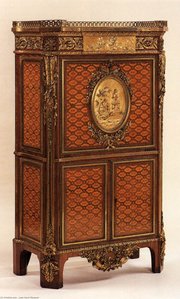
The commode – a seemingly simple piece of furniture – holds within it a profound reflection of the artistic sensibilities that defined the French Rococo period. Crafted by Jean-François Oeben, a German ébéniste who established himself as one of Paris’s most esteemed cabinetmakers in the mid-18th century, this exquisite example transcends mere functionality; it embodies the opulent aesthetic ideals championed during Louis XV's reign. Examining its design reveals layers of artistic innovation and symbolic resonance that continue to captivate viewers today.The Artistry of Marquetry and Geometric Precision
Oeben’s mastery is immediately apparent in the meticulous application of marquetry – inlay work using thin slices of wood veneer – onto a creamy white marble top. Unlike the flamboyant floral motifs favored by earlier Rococo artists, Oeben opted for a restrained geometric tiled pattern composed of delicately executed arabesque designs. This deliberate choice speaks to the prevailing taste of the era, prioritizing elegance and balance over excessive ornamentation. The intricate carving on the commode’s legs further underscores Oeben's commitment to craftsmanship; each leg is adorned with stylized foliage scrolls that echo the patterns found throughout the cabinet.A Patronage Rooted in Aristocratic Taste
The commission for this commode originates from Madame de Pompadour, Louis XV’s influential mistress and arguably the most powerful woman in French society. Her patronage exemplifies the artistic fervor of the time – a desire to surround oneself with beauty and sophistication—and reflects Oeben's position as a leading figure within the Parisian art world. Such commissions demanded exceptional skill and attention to detail, cementing Oeben’s reputation for producing furniture that catered precisely to the tastes of the aristocracy.Symbolism Within Ornamentation
The geometric pattern itself carries symbolic significance beyond mere visual appeal. Representing harmony and order—values highly prized in Rococo art—it embodies a reaction against the perceived excesses of Baroque grandeur. The stylized foliage scrolls adorning the legs symbolize fertility and renewal, mirroring the broader cultural preoccupation with themes of nature and pastoral tranquility during Louis XV’s reign. These subtle yet deliberate choices contribute to the commode's enduring beauty and its ability to evoke emotions of serenity and refinement.A Legacy Enduring Through Reproduction
Today, reproductions of Jean-François Oeben’s Commode offer art lovers and collectors alike a tangible connection to this pivotal moment in French artistic history. The meticulous craftsmanship—the painstaking marquetry, the precise geometric carving—is faithfully recreated, allowing viewers to appreciate the artistry of a bygone era without incurring the expense of acquiring an original piece. This enduring fascination speaks to the timeless appeal of Rococo design and Oeben’s contribution to its legacy as one of France's most celebrated cabinetmakers.Похожие произведения

Биография художника
early life and career
jean-françois oeben, a german ébéniste (cabinetmaker) by profession, was born in paris in 1721. despite being of german origin, his career flourished in the heart of france, where he worked for the aristocracy and the royal court.notable works and clients
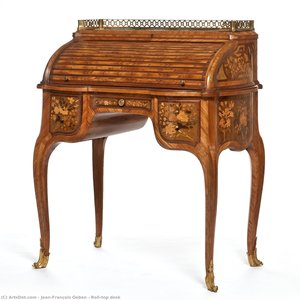
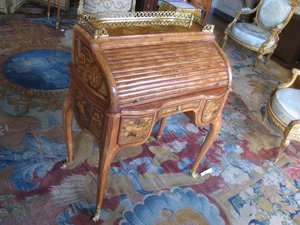
* jean-françois oeben's most notable work includes a roll-top desk, known as the bureau du roi, made for louis xv. this piece showcases his mastery of marquetry with intricate designs. * he worked for madame de pompadour, a prominent figure in french society, further solidifying his reputation among the aristocracy.artistic style and influence
* initially, jean-françois oeben's work featured marquetry of flowers. however, as his career progressed, he transitioned to more sober geometrical tiled patterns. * his furniture is characterized by its refined taste, reflecting the essence of french post-impressionism.legacy and collections
* jean-françois oeben's work can be found in all the great national collections of decorative arts, a testament to his enduring legacy. * his maternal grandson, eugène delacroix, went on to become a renowned painter, ensuring the family's artistic lineage.explore more with ArtsDot
* to delve deeper into the world of french post-impressionism and discover more masterpieces like those of jean-françois oeben, visit [https://ArtsDot.com](https://ArtsDot.com). * browse through thousands of artworks, including those by eugène delacroix, and order a stunning canvas print or oil-painted replica directly from ArtsDot.- discover the wonders of musée maurice denis with ArtsDot: [https://ArtsDot.com/@@/a@d3aue3](https://ArtsDot.com/@@/a@d3aue3)
- explore the masterpieces of musée france, including works by jean-honoré fragonard, with ArtsDot: [https://ArtsDot.com/@@/a@d3aqpr](https://ArtsDot.com/@@/a@d3aqpr)
- learn more about the musée rodin, featuring sculptures by auguste rodin, on ArtsDot: [https://ArtsDot.com/@@/a@d3au8m](https://ArtsDot.com/@@/a@d3au8m)
jean-françois oeben
1721 - 1763 , France
Основные сведения
- Artistic Movement Or Style: Rococo
- Artists Or Movements Influenced By This Artist: ['Eugène Delacroix']
- Artists Who Influenced This Artist: ['André Charles Boulle']
- Date Of Birth: Paris, France (1721)
- Date Of Death: 1763
- Full Name: Jean-François Oeben
- Nationality: German
- Notable Artworks:
- Bureau du Roi
- Roll-top desk
- Place Of Birth: Paris
Похожие статьи
The Enduring Appeal of Decorative Art: A Historical Survey of Ornamentation, Functionality & Cultural Significance
Explore the rich history of decorative arts with ArtsDot.com. Discover key movements, influential artists, and expert guidance for building a discerning collection. Learn about ornamentation, functionality & cultural significance.
Charles Le Brun: Master of French Baroque Classicism & His Enduring Legacy
Explore the life & art of Charles Le Brun, master of French Baroque Classicism. Discover his royal commissions, influence on Versailles, and enduring legacy through detailed analysis & stunning artworks.
Simon Vouet: A Baroque Master's Journey from Italian Influence to French Classicism
Explore the life & art of Simon Vouet, a pivotal French Baroque painter who introduced Italian styles to France. Discover his masterpieces and lasting influence on 17th-century art.
Charles-André van Loo: A Study in Rococo Portraiture & the French Court's Artistic Dynamics
Explore the elegant world of Charles-André van Loo, a master of Rococo portraiture at the French court. Discover his life, techniques, and enduring influence on 18th-century art. Hand-painted reproductions available.
Anne-Louis Girodet: Bridging Neoclassicism & Romanticism with Emotional Truth
Explore the captivating world of Anne-Louis Girodet, a pivotal figure bridging Neoclassicism & Romanticism. Discover his masterpieces and unique artistic vision with ArtsDot.