 Предпросмотр
 Поделиться
 Поделиться
 Детали произведения

 Скачать
 Похожие работы
 Рентгенография
 Слайд-шоу
 Статистика
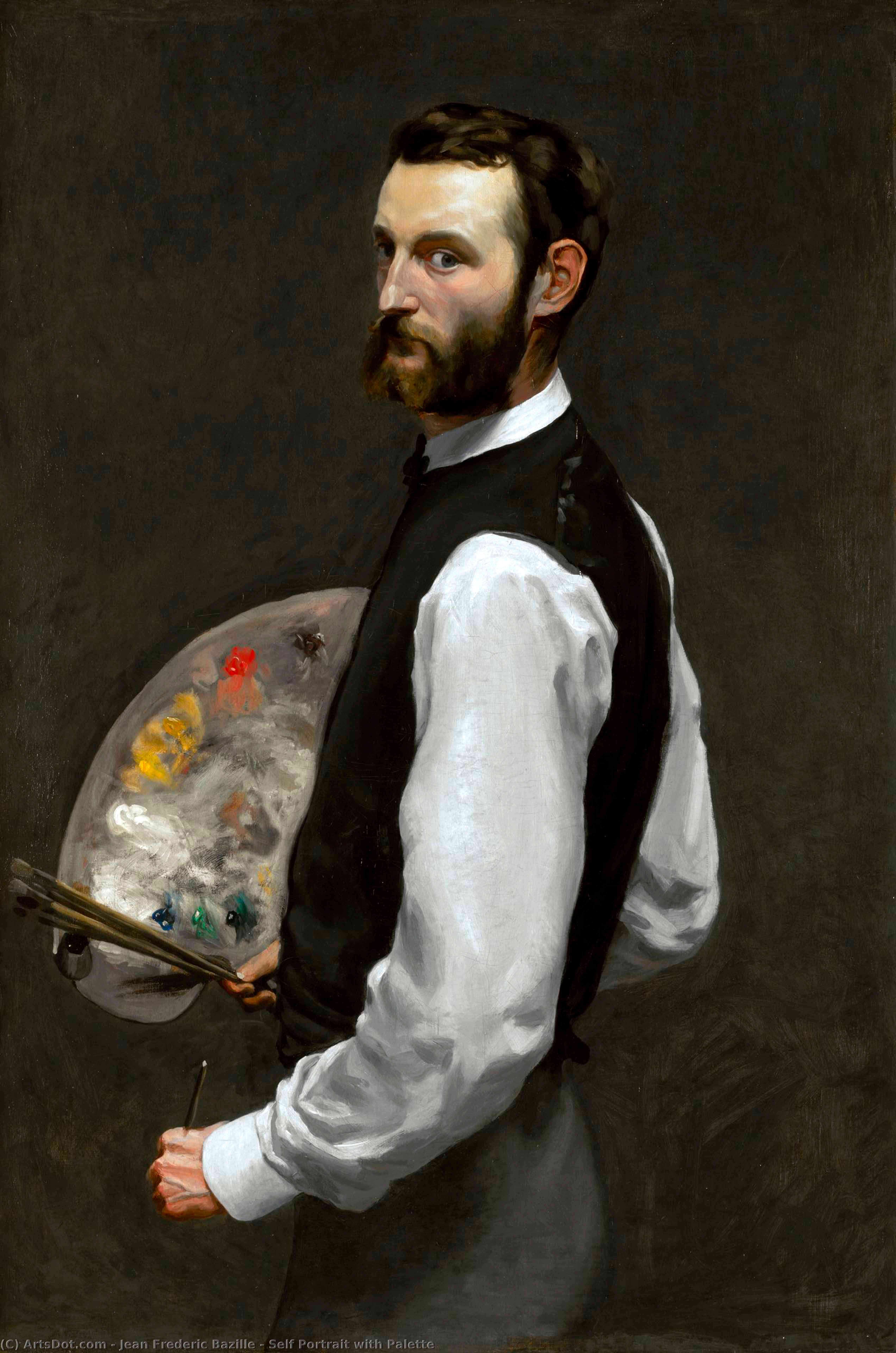
Self Portrait with Palette


 Читать далее
Масляная репродукция ручной работы
Картина маслом на холсте в выбранном вами размере и раме, написанная на заказ нашими художниками. ( Перейти к печати Перейти к цифровым изображениям)




P118B $10

P118H $10

P118W $10

P438Z $10

P508JH $12

P508YH $12

P805H $10

P805Z $10

P919BZ $10

P919G $10

P919XJ $10

P959ZH $10

P968JZ $12

W106C $8

W218G $10

W218JH $8

W218Y $10

W307PJ $10

W316G $10

W316PJ $8

W316Y $10

W398PJ $8

W4111J $10

W500HY $15

W500JH $15

W692G $12

W849H $8

W940BG $15

W953PJ $8




Выберите один из наших стандартных размеров, соответствующих оригинальным пропорциям произведения искусства.

Вы можете указать собственные размеры, чтобы картина идеально вписалась в выбранную раму или пространство. Если выбранный вами размер не соответствует пропорциям оригинала, мы либо обрежем полотно, либо расширим его за счет дополнительных элементов, написанных вручную. Цифровой макет будет отправлен вам на утверждение перед началом производства.
Обратите внимание, что предварительный просмотр на экране не отражает фактическую обрезку или расширение. Только макет точно покажет окончательную композицию.
Хотя доступны индивидуальные размеры, мы рекомендуем выбирать вариант из предопределенного списка, чтобы сохранить исходные пропорции.
После оформления заказа команда ArtsDot.com свяжется с клиентом по электронной почте для уточнения деталей и предоставит предварительный макет
Доставка по всему миру () за 3–4 недели вместо стандартных 5 недель. (11 Сентябрь). Без компромиссов в качестве.

Бесплатная экспресс-доставка по всему миру

Высококачественный льняной холст

Полное страхование доставки

Гарантия возмещения таможенных пошлин

Гарантия точного соответствия цветов

100-дневная политика возврата (только при обнаружении дефектов)

Гарантия возврата 100% средств

Предложение оптовых скидок
 Вариант со стеклом доступен только для размеров менее 110 см

Self Portrait with Palette
Техника репродукции
Размер репродукции
-


Итоговая стоимость
$ 263
A Moment Frozen in Time: Jean Frédéric Bazille’s “Self Portrait with Palette”
Jean Frédéric Bazille's "Self Portrait with Palette," painted in 1865, is more than just a depiction of an artist; it’s a poignant snapshot of ambition, vulnerability, and the burgeoning spirit of Impressionism. Created during a remarkably brief but intensely productive period in his career, this oil-on-canvas work offers a rare glimpse into the mind of a young man grappling with his artistic aspirations amidst the vibrant, transformative atmosphere of Paris. The painting resides within the esteemed collection of the Art Institute of Chicago, a testament to its enduring quality and significance.
The composition is strikingly direct and unadorned. Bazille, dressed in a dark suit and tie – attire indicative of his medical studies before embracing art full-time – stands before a simple, dark background. His gaze meets the viewer head-on, an almost disconcerting level of intimacy that immediately draws us into the scene. In his hand, he holds a palette brimming with vibrant pigments, hinting at the creative energy simmering beneath the surface. The subtle inclusion of brushes further emphasizes his profession and the tools of his trade. The painting’s stark simplicity—a deliberate choice by Bazille—forces us to confront the artist himself, stripping away any romanticized notions of artistic genius and presenting a raw, honest portrayal.
Impressionism in Miniature: Technique and Light
Bazille's technique is firmly rooted in the principles of Impressionism, though with a distinctly personal touch. He employs loose brushstrokes and a broken color palette—a hallmark of the movement—to capture the fleeting effects of light and atmosphere. Notice how he doesn’t meticulously render every detail; instead, he uses dabs and dashes of paint to suggest form and texture. The lighting is particularly noteworthy – it's diffused and naturalistic, casting soft shadows that contribute to the painting’s overall sense of immediacy. The artist was experimenting with *plein air* painting—working outdoors directly from nature—a technique championed by Monet and others during this period, aiming to capture the transient qualities of light and color.
Interestingly, Bazille utilized a mirror to create this self-portrait, a common practice among artists seeking to accurately represent their own features. This method allowed him to observe his posture, expression, and overall appearance with meticulous detail, ensuring a truthful representation of himself. The subtle asymmetry in the composition—a slight tilt of the head, for instance—adds to the painting’s sense of spontaneity and immediacy.
A Life Cut Short: Context and Symbolism
Understanding the historical context surrounding Bazille's life is crucial to appreciating this work fully. Born in Montpellier, France, in 1841, he initially pursued a medical career alongside his artistic inclinations, a compromise dictated by his family’s desire for financial security. However, drawn to the vibrant artistic community of Paris, he abandoned medicine in favor of painting, a decision that ultimately proved tragically short-lived. Bazille was killed during the Franco-Prussian War in 1870, at just twenty-eight years old – a devastating loss for the burgeoning Impressionist movement.
The “Self Portrait with Palette” can be interpreted as a symbolic representation of this young artist’s aspirations and anxieties. The palette itself represents his creative potential, while his direct gaze suggests a desire to connect with the viewer—to share his artistic vision. Some art historians suggest that Bazille's melancholy expression hints at the pressures he faced, balancing his artistic ambitions with societal expectations and the looming shadow of war. It’s a portrait not just of an artist, but of a man on the cusp of greatness, grappling with mortality and the uncertainties of his future.
A Legacy of Light: The Painting's Enduring Appeal
Despite its brevity, Bazille’s career left an indelible mark on the Impressionist movement. His work exemplifies the movement’s focus on capturing fleeting moments of light and color, as well as its rejection of traditional academic painting techniques. “Self Portrait with Palette” remains a powerful testament to his talent and vision—a poignant reminder of a brilliant artist whose life was tragically cut short. Reproductions of this iconic piece continue to resonate with art lovers today, offering a glimpse into the heart and soul of an Impressionist master.
Похожие произведения


Биография художника
Jean Frédéric Bazille: A Fleeting Radiance of Impressionism
Jean Frédéric Bazille’s story is one of breathtaking potential tragically cut short, a brief but intensely vibrant chapter in the burgeoning world of Impressionism. Born in Montpellier, France, on December 6, 1841, into a prosperous Protestant family deeply rooted in the wine trade – a lineage that instilled both a connection to the land and a certain artistic sensibility – Bazille initially seemed destined for a life far removed from the easel. His parents, while supportive of his creative inclinations, recognized the practical realities of their social standing and encouraged him to pursue a career in medicine alongside his art. This dual path shaped his early years, demanding a careful balancing act between the rigorous study of anatomy and the irresistible allure of capturing light and color. However, it was within the dynamic atmosphere of Paris, where he relocated in 1862, that Bazille’s artistic journey truly ignited – transforming him from a promising medical student into a pivotal figure in the revolutionary movement reshaping French painting.The Crucible of Parisian Art
Paris proved to be an extraordinary crucible for young Bazille. He swiftly immersed himself within a circle of artists who would become synonymous with Impressionism: Claude Monet, Pierre-Auguste Renoir, Alfred Sisley, and others. Studying under Charles Gleyre provided him with foundational training in traditional techniques, but it was the shared passion, radical ideas, and unwavering camaraderie forged amongst these friends that truly fueled his artistic vision. Bazille’s family circumstances – a fortunate contrast to the often precarious existence of many artists – afforded him a unique position of stability. He generously supported his companions, providing studio space, materials, and a vital sense of community. This generosity wasn't merely practical; it stemmed from a deep-seated belief in their collective potential and a genuine affection for these fellow creatives. He became a central hub within this burgeoning group, fostering an environment of experimentation, debate, and mutual encouragement – a breeding ground for the innovative spirit that would define Impressionism. Early works like *The Pink Dress* (c. 1864) already demonstrate his keen eye for capturing fleeting moments, the ephemeral effects of light, and the subtle nuances of color – hallmarks that would become integral to his distinctive style. Importantly, Bazille wasn’t simply mimicking established artistic conventions; he was actively participating in the creation of something entirely new, pushing beyond traditional boundaries and embracing a radically modern approach to painting.A Style Rooted in Light and Friendship
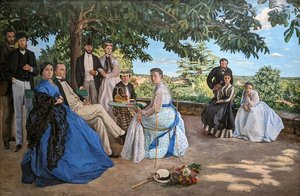
Bazille's artistic style, while developing rapidly, possessed a unique character within the broader Impressionist aesthetic. While sharing their fascination with *plein air* painting – working directly outdoors to capture the immediacy of natural light – his compositions often exhibited a more structured quality than Monet’s or Renoir’s sometimes seemingly spontaneous approach. He frequently combined figure painting with landscape, placing his subjects thoughtfully within their environment, as vividly illustrated in masterpieces such as *Family Reunion* (1867-1868). This work transcends a simple depiction of a familial gathering; it's an exploration of light filtering through the trees, animating the scene and imbuing it with a palpable sense of warmth, intimacy, and a profound connection to nature. Bazille’s paintings weren’t merely about *what* he saw, but *how* he perceived it – capturing the emotional resonance evoked by color, form, and light. He was profoundly influenced by Eugène Delacroix, whose masterful use of color and dramatic compositions resonated deeply within him, yet he moved beyond academic conventions to embrace a more modern sensibility, prioritizing observation and direct experience over rigid adherence to traditional rules.A Life Cut Short: Legacy and Remembrance
The blossoming career of Jean Frédéric Bazille was tragically cut short by the Franco-Prussian War in 1870. Driven by a sense of patriotic duty, he enlisted in a Zouave regiment just months after the conflict erupted. Tragically, he was killed in action on November 28, 1870, at the young age of 28, near Beaune-la-Rolande. His untimely death sent shockwaves through the artistic community, robbing them of a talented friend and generous benefactor. For many years, Bazille’s work remained relatively unknown, overshadowed by the more prominent figures within the Impressionist movement. However, in recent decades, his contributions have been increasingly recognized and celebrated, with scholars and art historians meticulously examining his oeuvre and highlighting its unique qualities. Today, his paintings are proudly displayed in prestigious museums such as the Musée d'Orsay in Paris, and reproductions allow art lovers worldwide to experience the beauty and innovation of his vision. Bazille’s legacy extends far beyond his artistic output; he embodies the spirit of youthful idealism, unwavering dedication, and the enduring power of friendship – a poignant reminder of the potential lost but also a testament to the lasting impact of a brief yet brilliant career. His story serves as an inspiration, demonstrating that even within the whirlwind of revolutionary movements, individual brilliance can leave an indelible mark on art history.Key Works
* *The Pink Dress* (c. 1864) – A quintessential example of Bazille’s early style, capturing fleeting light and color with remarkable sensitivity. * *Family Reunion* (1867-1868) – Demonstrates his ability to integrate figures within a richly detailed landscape, creating a harmonious composition that evokes a sense of warmth and intimacy. * *Studio in Rue de Furstenberg* - A study of light and shadow within an urban setting, showcasing Bazille’s attention to detail and his exploration of modern subject matter.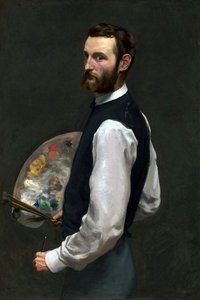
Жан Фредерик Базиль
1841 - 1870 , Франция
Основные сведения
- Artistic Movement Or Style: Импрессионизм
- Artists Or Movements Influenced By This Artist: ['Импрессионизм']
- Artists Who Influenced This Artist: ['Делакруа']
- Date Of Birth: 6 декабря 1841
- Date Of Death: 28 ноября 1870
- Full Name: Jean Frédéric Bazille
- Nationality: Француз
- Notable Artworks:
- Розовая юбка
- Семья воссоединилась
- Place Of Birth: Монпелье, Франция
Похожие статьи
Reflecting the Self: A History of Portraiture & Psychological Insight
Explore the fascinating history of self-portraiture from Renaissance masters like Dürer & Rembrandt to modern interpretations. Discover the psychological insights and artistic techniques behind these iconic works. Expert analysis for art enthusiasts.
The Echo of Self: Reflectivity as a Core Theme in Art History & Contemporary Practice
Explore the rich history of self-representation in art, from Renaissance masters to modern innovators. Discover how artists use portraiture to reveal identity, emotion & the depths of the human psyche. Expert insights for collectors.

Топ-10 шедевров импрессионизма: искусство мгновения для вашего интерьера
Погрузитесь в мир импрессионизма! Откройте для себя 10 шедевров Моне, Ренуара и других великих мастеров. Узнайте историю создания культовых картин и вдохновитесь для декора интерьера. Репродукции музейного качества на ArtsDot.com.

25 Шедевров Поля Сезанна: Открывая Новую Эру в Искусстве | ArtsDot
Откройте для себя 25 величайших шедевров Поля Сезанна! Узнайте истории создания картин импрессионизма и постимпрессионизма, технику художника и вдохновение для вашего интерьера. Репродукции картин Сезанна высокого качества на ArtsDot.com.
Топ-10 шедевров импрессионизма: искусство, изменившее мир | ArtsDot.com
Погрузитесь в мир импрессионизма! Откройте топ-10 шедевров Моне, Ренуара и других гениев. Узнайте историю создания культовых картин, технику письма и влияние на искусство. Репродукции музейного качества – ArtsDot.com