 Предпросмотр
 Поделиться
 Поделиться
 Детали произведения

 Скачать
 Похожие работы
 Рентгенография
 Слайд-шоу
 Статистика
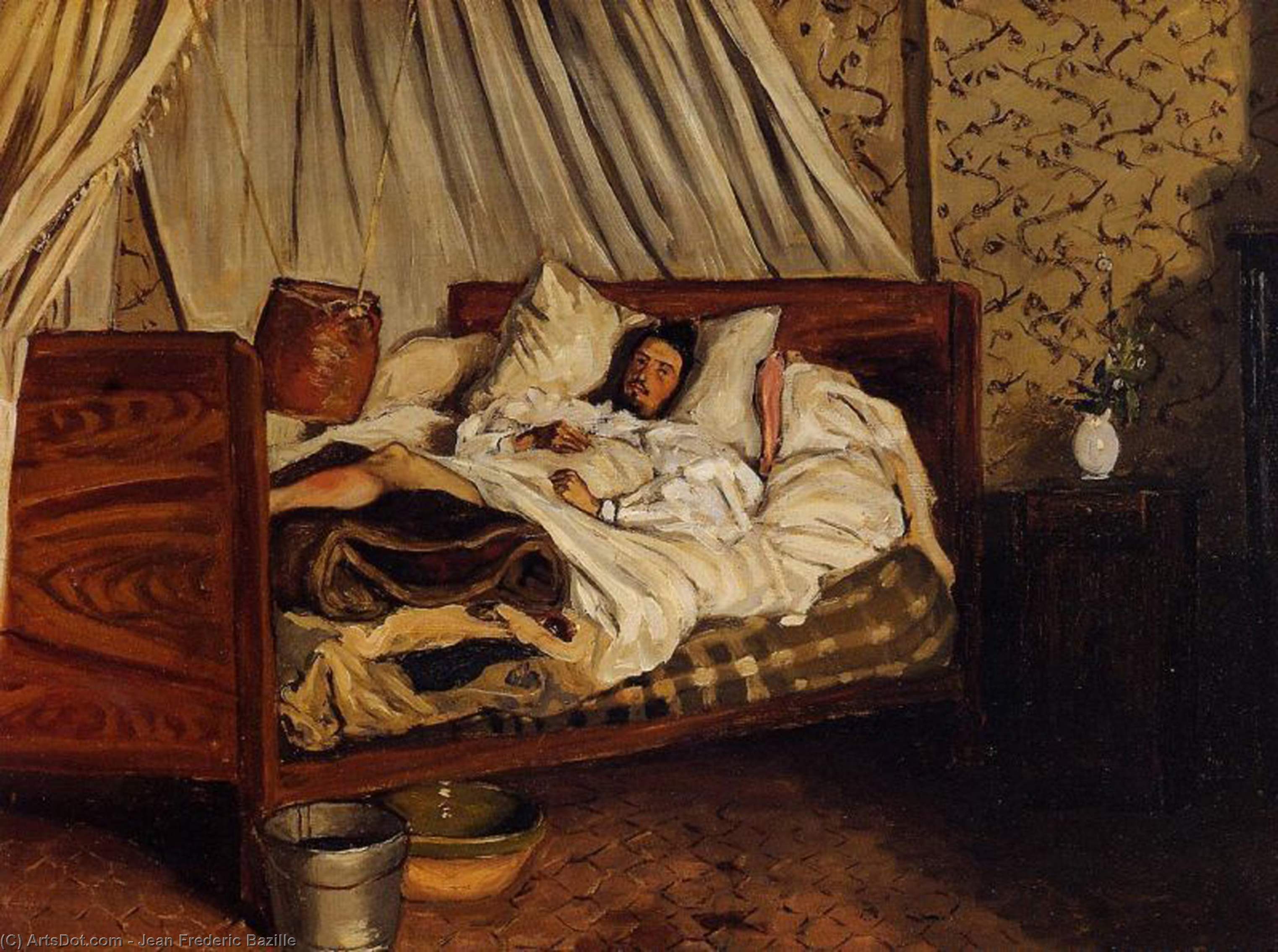
The Improvised Field Hospital (also known as Monet after His Accident at the Inn of Chailly)


 Читать далее
Жикле / Арт-принт
Печать (жикле) или холст музейного качества с быстрыми сроками изготовления и широким выбором вариантов отделки. ( Купить картину ручной работы Перейти к цифровым изображениям)




P118B $10

P118H $10

P118W $10

P438Z $10

P508JH $12

P508YH $12

P805H $10

P805Z $10

P919BZ $10

P919G $10

P919XJ $10

P959ZH $10

P968JZ $12

W106C $8

W218G $10

W218JH $8

W218Y $10

W307PJ $10

W316G $10

W316PJ $8

W316Y $10

W398PJ $8

W4111J $10

W500HY $15

W500JH $15

W692G $12

W849H $8

W940BG $15

W953PJ $8




Выберите один из наших стандартных размеров, соответствующих оригинальным пропорциям произведения искусства.

Вы можете указать свои собственные размеры, чтобы репродукция идеально подошла под конкретную раму или пространство. Если выбранный вами размер не будет соответствовать пропорциям оригинала, мы либо обрежем произведение, либо дополним изображение зеркальным отражением краев или однотонной заливкой. Перед началом производства вам будет отправлен цифровой макет для утверждения.
Пожалуйста, обратите внимание, что предварительный просмотр на экране не отображает фактическую обрезку или расширение изображения. Только макет точно покажет финальную композицию.
Несмотря на возможность заказа индивидуальных размеров, мы рекомендуем выбирать размер из предопределенного списка, чтобы сохранить оригинальные пропорции.
Доставка по всему миру () за 2 недели вместо стандартных 4/5 недель. (12 Сентябрь)

Бесплатная экспресс-доставка по всему миру

Высококачественный льняной холст

Полное страхование доставки

Гарантия возмещения таможенных пошлин

Гарантия точного соответствия цветов

100-дневная политика возврата (только при обнаружении дефектов)

Гарантия возврата 100% средств

Предложение оптовых скидок
 Вариант со стеклом доступен только для размеров менее 110 см

The Improvised Field Hospital (also known as Monet after His Accident at the Inn of Chailly)
Жикле / Арт-принт
Размер репродукции
-


Итоговая стоимость
$ 62
A Tender Intersection of Pain and Camaraderie
In the quiet, sun-drenched corners of art history, few moments capture the raw essence of human connection as poignantly as Jean Frédéric Bazille’s 1865 masterpiece, The Improvised Field Hospital. Often referred to by its more intimate title, Monet after His Accident at the Inn of Chailly, this oil on canvas is far more than a mere medical record; it is a profound study of vulnerability and the enduring strength of friendship. The painting transports us into a private sanctuary where Claude Monet lies convalescing from a debilitating leg injury, his physical frailty set against the serene, domestic backdrop of a shared studio space. Through Bazille’s eyes, we do not merely see a patient in bed; we witness a moment of profound stillness and the quiet resilience that defines the human spirit during times of unexpected hardship.
The composition is a masterclass in balanced intimacy. As the viewer's gaze enters the room, it is immediately drawn to the central figure of Monet, whose wounded limb serves as the emotional anchor of the work. Bazille employs the burgeoning techniques of Impressionism to breathe life into this indoor scene, utilizing loose, expressive brushstrokes and a sophisticated play of dappified light that dances across the linens and the surrounding decor. There is a remarkable tactile quality to the paint; one can almost sense the warmth of the soft illumination bathing the bed, creating an atmosphere that feels both heavy with the weight of injury and light with the hope of recovery.
Symbolism and the Art of Domestic Elegance
Beyond the immediate depiction of Monet’s recovery, Bazille weaves a complex tapestry of symbolism throughout the room. The arrangement of objects is far from accidental, serving to ground the scene in a sense of structured peace. Two elegant vases flank the bed, providing a sense of classical symmetry and grace that contrasts with the unpredictable nature of physical trauma. On the floor, a simple bowl adds a touch of grounded domesticity, reminding us of the everyday rhythms that continue even when life is interrupted by accident. Perhaps most moving are the three strategically placed potted plants; these verdant bursts of life act as silent metaphors for growth, renewal, and the persistent persistence of nature amidst human suffering.
For the discerning collector or interior designer, this painting offers a unique emotional depth that transcends simple decoration. It is a piece that invites contemplation, making it an ideal centerpiece for a space dedicated to reflection, such as a library, a study, or a sophisticated living area. The subtle interplay of light and shadow, combined with the rich, earthy tones and the delicate greens of the flora, allows the work to integrate seamlessly into high-end classical or contemporary settings. To possess a reproduction of this work is to bring into one's home not just a beautiful fragment of the Impressionist movement, but a timeless narrative of companionship and the quiet beauty found in the most fragile of moments.
Похожие произведения
Биография художника
Jean Frédéric Bazille: A Fleeting Radiance of Impressionism
Jean Frédéric Bazille’s story is one of breathtaking potential tragically cut short, a brief but intensely vibrant chapter in the burgeoning world of Impressionism. Born in Montpellier, France, on December 6, 1841, into a prosperous Protestant family deeply rooted in the wine trade – a lineage that instilled both a connection to the land and a certain artistic sensibility – Bazille initially seemed destined for a life far removed from the easel. His parents, while supportive of his creative inclinations, recognized the practical realities of their social standing and encouraged him to pursue a career in medicine alongside his art. This dual path shaped his early years, demanding a careful balancing act between the rigorous study of anatomy and the irresistible allure of capturing light and color. However, it was within the dynamic atmosphere of Paris, where he relocated in 1862, that Bazille’s artistic journey truly ignited – transforming him from a promising medical student into a pivotal figure in the revolutionary movement reshaping French painting.The Crucible of Parisian Art
Paris proved to be an extraordinary crucible for young Bazille. He swiftly immersed himself within a circle of artists who would become synonymous with Impressionism: Claude Monet, Pierre-Auguste Renoir, Alfred Sisley, and others. Studying under Charles Gleyre provided him with foundational training in traditional techniques, but it was the shared passion, radical ideas, and unwavering camaraderie forged amongst these friends that truly fueled his artistic vision. Bazille’s family circumstances – a fortunate contrast to the often precarious existence of many artists – afforded him a unique position of stability. He generously supported his companions, providing studio space, materials, and a vital sense of community. This generosity wasn't merely practical; it stemmed from a deep-seated belief in their collective potential and a genuine affection for these fellow creatives. He became a central hub within this burgeoning group, fostering an environment of experimentation, debate, and mutual encouragement – a breeding ground for the innovative spirit that would define Impressionism. Early works like *The Pink Dress* (c. 1864) already demonstrate his keen eye for capturing fleeting moments, the ephemeral effects of light, and the subtle nuances of color – hallmarks that would become integral to his distinctive style. Importantly, Bazille wasn’t simply mimicking established artistic conventions; he was actively participating in the creation of something entirely new, pushing beyond traditional boundaries and embracing a radically modern approach to painting.A Style Rooted in Light and Friendship
Bazille's artistic style, while developing rapidly, possessed a unique character within the broader Impressionist aesthetic. While sharing their fascination with *plein air* painting – working directly outdoors to capture the immediacy of natural light – his compositions often exhibited a more structured quality than Monet’s or Renoir’s sometimes seemingly spontaneous approach. He frequently combined figure painting with landscape, placing his subjects thoughtfully within their environment, as vividly illustrated in masterpieces such as *Family Reunion* (1867-1868). This work transcends a simple depiction of a familial gathering; it's an exploration of light filtering through the trees, animating the scene and imbuing it with a palpable sense of warmth, intimacy, and a profound connection to nature. Bazille’s paintings weren’t merely about *what* he saw, but *how* he perceived it – capturing the emotional resonance evoked by color, form, and light. He was profoundly influenced by Eugène Delacroix, whose masterful use of color and dramatic compositions resonated deeply within him, yet he moved beyond academic conventions to embrace a more modern sensibility, prioritizing observation and direct experience over rigid adherence to traditional rules.A Life Cut Short: Legacy and Remembrance
The blossoming career of Jean Frédéric Bazille was tragically cut short by the Franco-Prussian War in 1870. Driven by a sense of patriotic duty, he enlisted in a Zouave regiment just months after the conflict erupted. Tragically, he was killed in action on November 28, 1870, at the young age of 28, near Beaune-la-Rolande. His untimely death sent shockwaves through the artistic community, robbing them of a talented friend and generous benefactor. For many years, Bazille’s work remained relatively unknown, overshadowed by the more prominent figures within the Impressionist movement. However, in recent decades, his contributions have been increasingly recognized and celebrated, with scholars and art historians meticulously examining his oeuvre and highlighting its unique qualities. Today, his paintings are proudly displayed in prestigious museums such as the Musée d'Orsay in Paris, and reproductions allow art lovers worldwide to experience the beauty and innovation of his vision. Bazille’s legacy extends far beyond his artistic output; he embodies the spirit of youthful idealism, unwavering dedication, and the enduring power of friendship – a poignant reminder of the potential lost but also a testament to the lasting impact of a brief yet brilliant career. His story serves as an inspiration, demonstrating that even within the whirlwind of revolutionary movements, individual brilliance can leave an indelible mark on art history.Key Works
* *The Pink Dress* (c. 1864) – A quintessential example of Bazille’s early style, capturing fleeting light and color with remarkable sensitivity. * *Family Reunion* (1867-1868) – Demonstrates his ability to integrate figures within a richly detailed landscape, creating a harmonious composition that evokes a sense of warmth and intimacy. * *Studio in Rue de Furstenberg* - A study of light and shadow within an urban setting, showcasing Bazille’s attention to detail and his exploration of modern subject matter.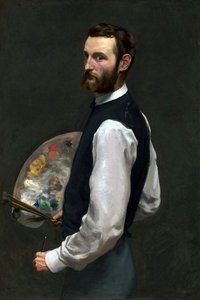
Жан Фредерик Базиль
1841 - 1870 , Франция
Основные сведения
- Artistic Movement Or Style: Импрессионизм
- Artists Or Movements Influenced By This Artist: ['Импрессионизм']
- Artists Who Influenced This Artist: ['Делакруа']
- Date Of Birth: 6 декабря 1841
- Date Of Death: 28 ноября 1870
- Full Name: Jean Frédéric Bazille
- Nationality: Француз
- Notable Artworks:
- Розовая юбка
- Семья воссоединилась
- Place Of Birth: Монпелье, Франция
Похожие статьи
Топ-10 шедевров импрессионизма: искусство, изменившее мир | ArtsDot.com
Погрузитесь в мир импрессионизма! Откройте топ-10 шедевров Моне, Ренуара и других гениев. Узнайте историю создания культовых картин, технику письма и влияние на искусство. Репродукции музейного качества – ArtsDot.com
Топ-25 шедевров Музея д’Орсе: Искусство импрессионизма для вашего дома
Погрузитесь в мир импрессионизма! Откройте топ-25 шедевров Музея д’Орсе: Моне, Ван Гог, Дега и другие великие художники. Вдохновение для интерьера и репродукции картин музейного качества на ArtsDot.com.

Топ-10 шедевров импрессионизма: пейзажи, изменившие искусство | ArtsDot
Погрузитесь в мир импрессионизма! Откройте топ-10 шедевров Моне, Ренуара и других великих художников. Узнайте историю создания культовых пейзажей и вдохновитесь для декора интерьера. Репродукции картин высокого качества на ArtsDot.com

Топ-10 шедевров импрессионизма: пейзажи, изменившие искусство | ArtsDot
Погрузитесь в мир импрессионизма! Откройте 10 шедевров Моне, Ренуара и других великих художников. Узнайте историю создания культовых пейзажей и вдохновитесь для декора вашего дома. Репродукции картин высокого качества на ArtsDot.com.

Топ-25 шедевров Клода Моне: Искусство света и импрессионизма для вашего интерьера
Погрузитесь в мир Клода Моне! 25 шедевров импрессионизма, от "Водных лилий" до знаменитых пейзажей. Узнайте историю создания картин и вдохновитесь для декора интерьера. Репродукции музейного качества на ArtsDot.com.