

 Предпросмотр
 Поделиться
 Поделиться
 Детали произведения

 Скачать
 Похожие работы
 Рентгенография
 Слайд-шоу
 Статистика
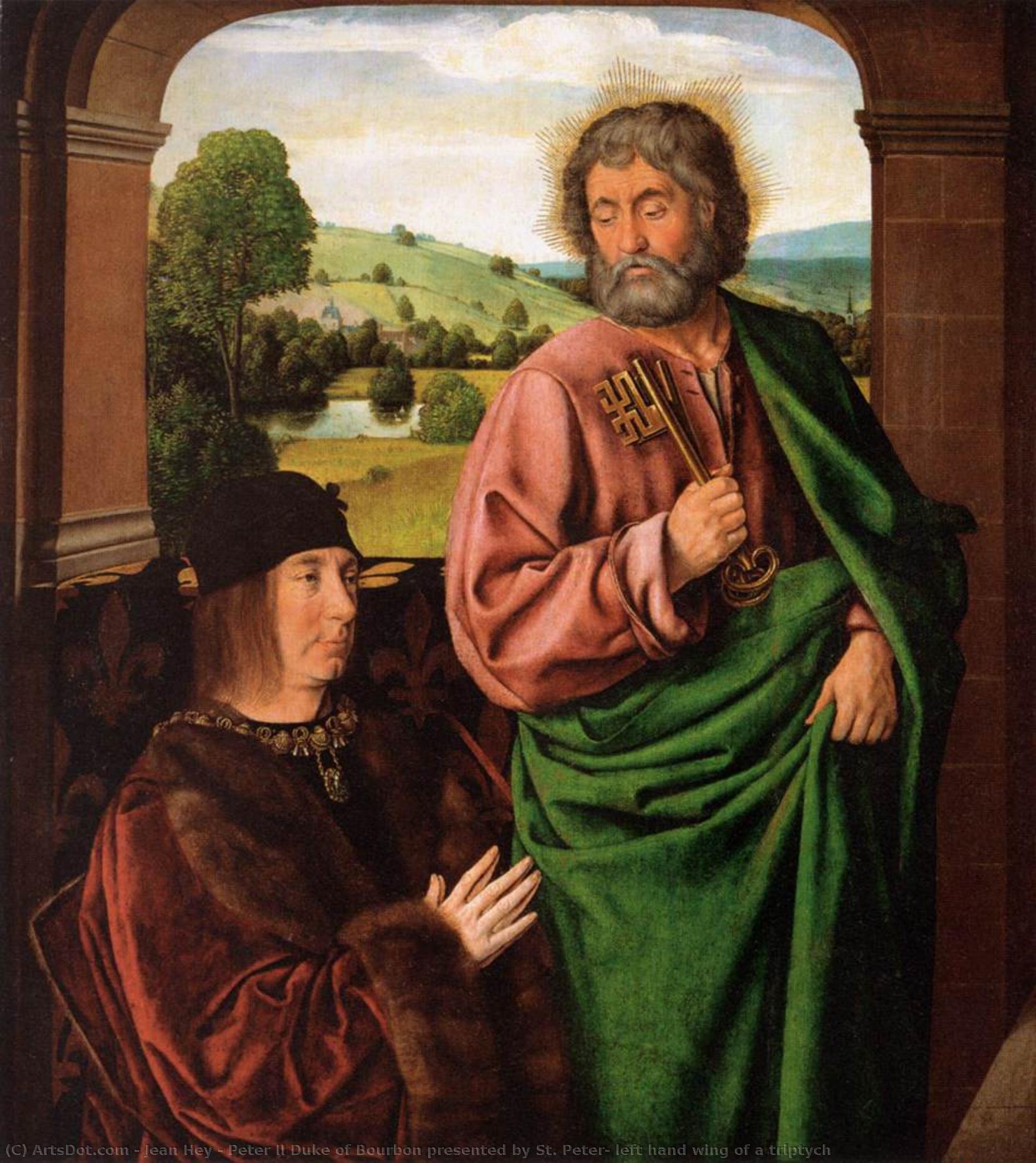
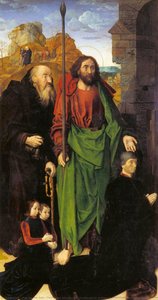
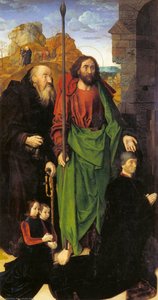
Peter II Duke of Bourbon presented by St. Peter, left hand wing of a triptych
 Oil On Panel
- WallArt
- Early Netherlandish
 1498
1498- Renaissance
 65.0 x 73.0 cm
 Лувр
Лувр
 Читать далее
Приобретите цифровое изображение высокого разрешения в улучшенном качестве, которое значительно превосходит онлайн-превью.
Каждый файл тщательно подготавливается нашими специалистами с использованием передовых инструментов и экспертной ручной ретуши. Мы гарантируем исключительную четкость, точную цветопередачу и детальную проработку каждого изображения.
Финальный файл доставляется по электронной почте в течение 72 часов и оптимизирован для немедленного использования в профессиональной среде, при верстке и печати. Это тот же уровень качества, которому доверяют ведущие дизайнерские студии, издательства и галереи.
Цифровое изображение
Скачайте файл высокого разрешения для личного использования, печати и творческих проектов. ( Перейти к печати Купить картину ручной работы)
Включено в каждый заказ цифровых изображений
Гарантия экспертной цифровой доставки
Выбирая ArtsDot.com, вы получаете не просто изображение — вы приобретаете профессионально обработанное цифровое произведение искусства, созданное с безупречной точностью и под защитой гарантии качества. Вот всё, что автоматически входит в ваш заказ:

Мгновенная доставка по e-mail
Ваш цифровой файл в высоком разрешении будет отправлен вам по электронной почте в течение 72 часов после оформления заказа — и сразу станет доступен для использования.

Цифровой файл с ИИ-улучшением
Ваше произведение искусства проходит профессиональную оптимизацию с использованием передовых инструментов ИИ и ручной обработки, что гарантирует максимальную детализацию, четкость и точность цветопередачи.

Бессрочная бесплатная повторная доставка
Случайно удалили или потеряли файл? Не беспокойтесь — мы отправим его вам повторно в любое время и совершенно бесплатно.

Без импортных пошлин — навсегда
Наслаждайтесь вашим произведением искусства мгновенно без таможенных пошлин, сборов или затрат на доставку — цифровые загрузки всегда не облагаются налогом.

Гарантия точности цветопередачи
Мы гарантируем, что ваше цифровое изображение максимально точно передает оригинальные цвета благодаря использованию профессиональных инструментов и систем управления цветом.

Гарантия удовлетворенности 100 дней
Если вы не будете удовлетворены своим цифровым изображением, мы внесем правки или вернем 100% стоимости в течение 100 дней — без лишних вопросов.

100% Гарантия возврата средств
Не удовлетворены покупкой? Получите полный возврат средств в течение 100 дней после получения цифрового файла — без лишних вопросов.

Скидки на оптовые заказы
Купите 3 изображения, сэкономьте 10% — Купите 5, сэкономьте 15% — Купите 10+, сэкономьте 20%. Отличное решение для творческих проектов, галерей и агентств.
A Glimpse into Burgundian Devotion: Peter II Duke of Bourbon Presented by St. Peter
To stand before this panel is to step directly into the richly textured tapestry of late fifteenth-century Burgundian piety. Jean Hey’s depiction, Peter II Duke of Bourbon presented by St. Peter, is far more than a mere portrait; it is a carefully constructed theological statement rendered with breathtaking finesse. The composition immediately draws the eye to the solemn interaction between the two central figures—the standing figure, embodying the divine presence perhaps as Christ, and the seated nobleman, Peter II Duke of Bourbon. Both are adorned with crowns, suggesting not only earthly status but also spiritual authority, inviting the viewer into a dialogue concerning patronage, sainthood, and temporal power.
Mastery in Technique and Atmosphere
Jean Hey’s technique here speaks volumes about his mastery of the period's emerging realism. One can almost feel the delicate application of paint that gives life to the folds of their religious vestments. His signature subtle sfumato shading lends an ethereal quality to the scene, softening the edges and deepening the psychological resonance between the subjects. The attention paid to minute details—the texture of the fabric, the solemnity in their gazes, even the presence of a book or document situated between them—testifies to the painstaking craftsmanship characteristic of the era. This piece showcases an artist deeply invested in narrative realism while maintaining a profound sense of sacred mystery.
Symbolism and Historical Context
The inclusion of St. Peter alongside a powerful secular figure like Duke Bourbon is rich with symbolic weight. It speaks to the intertwining relationship between the Church and nobility during the late Gothic period, where earthly rulers sought divine sanction for their lineage and authority. The presence of other figures subtly populating the periphery suggests a broader celestial or historical context surrounding this central presentation. Owning a reproduction of this work allows one to connect with that pivotal moment in history—a time when art served as both devotional aid and potent political propaganda, all wrapped within exquisite artistry.
An Emotional Resonance for the Modern Collector
For the contemporary collector or designer, this artwork offers an unparalleled depth of character. It is a piece that commands quiet contemplation. Its rich narrative quality elevates it beyond mere decoration; it becomes a focal point imbued with history and spiritual gravitas. Whether placed in a formal study, a library, or a richly appointed hall, its presence suggests an appreciation for enduring craftsmanship and profound storytelling. Reproducing this panel allows one to bring the sophisticated elegance and deep emotional resonance of the Burgundian court into your own space, making it a truly conversation-starting heirloom.
Похожие произведения
Биография художника
The Enigmatic Shadow of the Bourbon Court
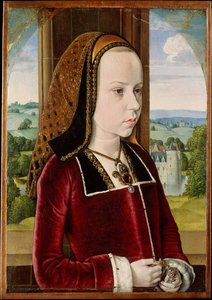
In the twilight of the fifteenth century, amidst the opulent courts of France and Burgundy, there emerged a painter whose name would become synonymous with a profound, quiet mastery. Jean Hey, often whispered in art historical circles as the Master of Moulins, remains one of the most captivating enigmas of the Early Netherlandish period. While the biographical details of his life are shrouded in the mists of time—with only scant records suggesting he may have been active around 1475 and perhaps spent his final years in Paris—his brushwork speaks with an unmistakable and enduring voice. His identity, once a puzzle of fragmented documentation, now stands as a testament to a period where artistic brilliance often transcended the need for personal fame.
The origins of Hey’s talent are steeped in scholarly speculation, fueling a narrative of cross-cultural influence that defines his very essence. Many historians believe his stylistic foundations were laid under the tutelage of Hugo van der Goes, the titan of Flemish Primitivism. This connection is evident in the way Hey breathes life into his subjects through a meticulous attention to detail and a sophisticated use of light. His work represents a sublime intersection of Northern Renaissance realism and a burgeoning French elegance, creating a visual language that is both structurally rigorous and emotionally tender.
A Masterpiece of Devotion: The Moulins Triptych
The pinnacle of Jean Hey’s career, and perhaps the most significant achievement of his entire oeuvre, is the monumental Moulins Triptych housed in the Moulins Cathedral. Completed around 1494-1495, this work serves as a breathtaking window into the spiritual and political heart of the Bourbon court. The central panel, depicting the Madonna and Child adored by celestial angels, radiates a serene divinity that anchors the entire composition. However, it is the flanking wings that truly ground the divine in the earthly realm, presenting poignant portraits of the era's nobility.
Through these panels, Hey captures the essence of Burgundian prestige with unparalleled skill:
- Peter II, Duke of Bourbon: Presented by Saint Peter, this portrait showcases the artist's ability to render heavy fabrics and the solemn dignity of high office.
- Anne de Beaujeu, Duchess of Bourbon: A masterpiece of Early Renaissance elegance, where subtle sfumato shading captures the delicate features and aristocratic grace of one of France's most powerful women.
- The Presence of Suzanne: The inclusion of the Duke’s daughter adds a layer of familial intimacy to the grand religious narrative, showcasing Hey's talent for humanizing the divine.
Legacy of Light and Detail
Beyond the grand scale of his triptychs, Jean Hey’s smaller works—ranging from intimate portraits to profound biblical scenes—reveal a painter obsessed with the interplay of light and texture. In works such as The Annunciation and Meeting at the Golden Gate, one observes a dramatic use of lighting that predates many later Renaissance developments, lending a sense of theatricality to sacred moments. His ability to render the tactile quality of velvet, the cold sheen of armor, and the soft glow of skin remains a hallmark of his technical prowess.
The historical significance of Jean Hey lies not just in the beauty of his surviving panels, but in his role as a bridge between traditions. He took the meticulous, almost scientific realism of the Netherlandish masters and infused it with a lyrical, French sensibility. Though his life was brief and much of his biography remains lost to history, his legacy is preserved in every meticulously painted fold of drapery and every soulful gaze captured on panel. He remains a pivotal figure whose work continues to illuminate the transition from the medieval spirit to the dawn of the modern era.
Jean Hey
1475 - 1505 , United Kingdom
Основные сведения
- Artistic Movement Or Style: Early Netherlandish
- Artists Or Movements Influenced By This Artist: ['Bourbon Court']
- Artists Who Influenced This Artist: ['Hugo van der Goes']
- Date Of Death: c. 1505
- Full Name: Jean Hey
- Nationality: Dutch
- Notable Artworks:
- The Annunciation
- Portrait of Charles II of Bourbon
- Meeting at the Golden Gate
- Moulins Triptych
- Place Of Birth: United Kingdom