 Предпросмотр
 Поделиться
 Поделиться
 Детали произведения

 Скачать
 Похожие работы
 Рентгенография
 Слайд-шоу
 Статистика
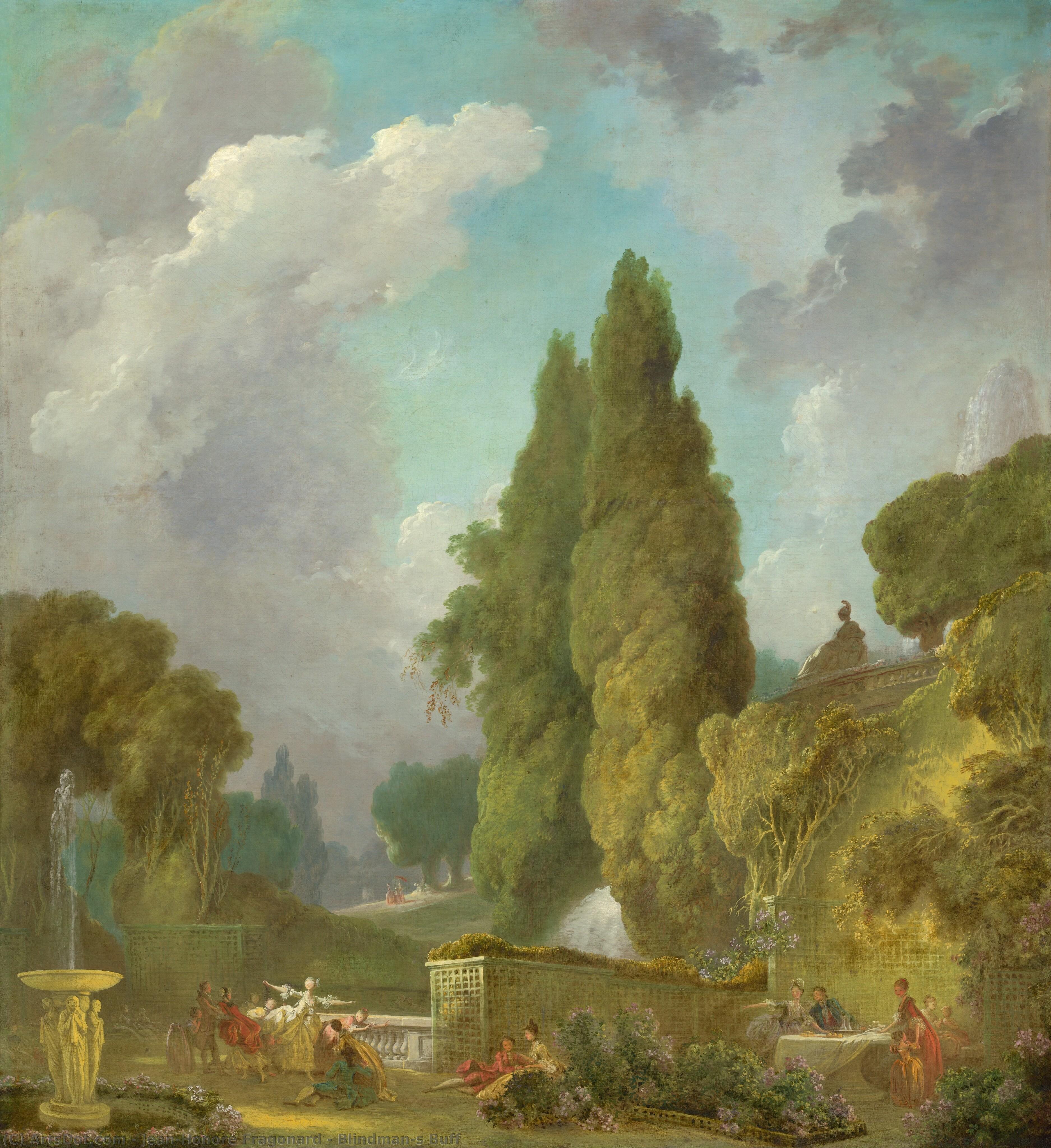
Blindman's Buff
 Oil
Oil- WallArt
- Rococo
 1780
1780- Early Modern
 216.0 x 198.0 cm
 Читать далее
Жикле / Арт-принт
Печать (жикле) или холст музейного качества с быстрыми сроками изготовления и широким выбором вариантов отделки. ( Купить картину ручной работы Перейти к цифровым изображениям)




P118B $10

P118H $10

P118W $10

P438Z $10

P508JH $12

P508YH $12

P805H $10

P805Z $10

P919BZ $10

P919G $10

P919XJ $10

P959ZH $10

P968JZ $12

W106C $8

W218G $10

W218JH $8

W218Y $10

W307PJ $10

W316G $10

W316PJ $8

W316Y $10

W398PJ $8

W4111J $10

W500HY $15

W500JH $15

W692G $12

W849H $8

W940BG $15

W953PJ $8




Выберите один из наших стандартных размеров, соответствующих оригинальным пропорциям произведения искусства.

Вы можете указать свои собственные размеры, чтобы репродукция идеально подошла под конкретную раму или пространство. Если выбранный вами размер не будет соответствовать пропорциям оригинала, мы либо обрежем произведение, либо дополним изображение зеркальным отражением краев или однотонной заливкой. Перед началом производства вам будет отправлен цифровой макет для утверждения.
Пожалуйста, обратите внимание, что предварительный просмотр на экране не отображает фактическую обрезку или расширение изображения. Только макет точно покажет финальную композицию.
Несмотря на возможность заказа индивидуальных размеров, мы рекомендуем выбирать размер из предопределенного списка, чтобы сохранить оригинальные пропорции.
Доставка по всему миру () за 2 недели вместо стандартных 4/5 недель. (12 Сентябрь)

Бесплатная экспресс-доставка по всему миру

Высококачественный льняной холст

Полное страхование доставки

Гарантия возмещения таможенных пошлин

Гарантия точного соответствия цветов

100-дневная политика возврата (только при обнаружении дефектов)

Гарантия возврата 100% средств

Предложение оптовых скидок
 Вариант со стеклом доступен только для размеров менее 110 см

Blindman's Buff
Жикле / Арт-принт
Размер репродукции
-


Итоговая стоимость
$ 62
A Symphony of Joy in the Rococo Garden
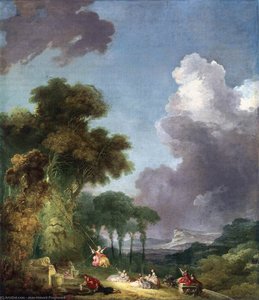
In the luminous masterpiece Blindman's Buff, Jean-Honoré Fragonard invites us into a world where the boundaries between reality and a dreamlike pastoral fantasy dissolve. Painted around 1780, this vertical triumph captures a moment of pure, unadulterated leisure within a lush, verdant park. From a slightly elevated perspective, the viewer gazates down upon an aristocratic assembly engaged in the playful pursuit of the titular game. The composition is a masterclass in movement and light; a blindfolded woman, draped in a gown of radiant butter-yellow, reaches out her arms with a sense of whimsical vulnerability, while those around her lean away in a choreographed dance of laughter and mock-evasion. The scene is not merely a depiction of a game, but an evocative celebration of the fleeting nature of youth and the sweetness of social harmony.
The color palette employed by Fragonard is nothing short of intoxicating. He orchestrates a delicate balance between the deep, earthy tones of olive and celery greens that form the garden's foundation and the brilliant, sky-piercing aquamarine of the heavens. Amidst this botanical tapestry, pops of warm crimson, rose pink, and goldenrod yellow emerge like wildflowers, drawing the eye through the complex social layers of the painting. The artist’s technique utilizes soft, feathered brushstrokes that imbue the towering white clouds and the cascading water of the distant fountain with a sense of atmospheric weightlessness. This fluid application of paint creates a texture that feels alive, mirroring the kinetic energy of the frolicking children and elegantly dressed adults scattered across the terrace.
The Art of Elegance and Historical Splendor
To behold this work is to step back into the twilight of the 18-century French Rococo era. Fragonard, a protégé of the great François Boucher, infused this piece with the grace and decorative charm that defined the age of Louis XVI. Every element, from the carved statues at the base of the fountain to the stately woman in a helmet watching over the terrace, serves to reinforce a sense of structured luxury. The presence of horses near the center and right of the frame adds a touch of pastoral nobility, grounding the whimsical game within a setting of landed wealth. For the discerning collector or interior designer, this painting offers more than mere decoration; it provides a focal point of historical depth and sophisticated charm.
Beyond its visual splendor, Blindman's Buff carries a profound emotional resonance. There is a palpable sense of nostalgia in the way the light hits the ruffled sleeves of the women’s dresses and the crisp white stockings of the men. The painting captures the "joie de vivre" that Fragonard was so uniquely capable of expressing—a fleeting moment of peace before the tides of history would irrevocably change the French landscape. Whether placed in a grand salon or a contemporary study, a high-quality reproduction of this work brings with it an aura of tranquility and a timeless invitation to find beauty in the playful, spontaneous moments of life.
Похожие произведения
Биография художника
A Life Bathed in Light: The World of Jean-Honoré Fragonard
Born amidst the fragrant fields of Grasse, France, in 1732, Jean-Honoré Fragonard’s artistic journey began not with grand ambition but a quiet relocation to Paris with his family. It was there, under the initial guidance of Jean Siméon Chardin – a master of everyday life and subtle observation – that young Fragonard first encountered the possibilities of paint and canvas. However, it was within the atelier of François Boucher, the celebrated painter to the court of Louis XV, that his true stylistic foundations were laid. Boucher’s influence instilled in Fragonard a love for graceful forms, delicate colors, and the playful spirit that would come to define his oeuvre. Winning the prestigious Prix de Rome in 1752 marked a pivotal moment, affording him the opportunity to immerse himself in the classical world of Italy for several years. This period wasn’t merely about copying ancient masters; it was an awakening – a chance to absorb the vibrancy and sensuality that would later infuse his own unique vision.The Rococo Master: A Celebration of Pleasure and Intrigue
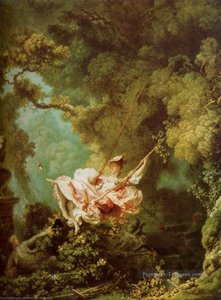
Upon returning to Paris, Fragonard swiftly established himself as a leading figure in the burgeoning Rococo movement. This wasn’t simply about adopting a style; it was about embodying an entire worldview – one that celebrated pleasure, intimacy, and the fleeting beauty of life. His paintings weren't intended for grand public display but rather for the private salons of aristocrats seeking works that whispered secrets and hinted at hidden desires. *The Swing*, perhaps his most iconic creation, perfectly encapsulates this spirit. A young woman playfully kicks off her shoe as a bishop pushes her swing, while a hidden lover gazes up from below – it’s a scene brimming with mischievous energy and veiled eroticism. Other works like **The Bolt** and **Love Vow** continue this exploration of clandestine encounters and the delicate dance between attraction and restraint. Fragonard didn't merely depict scenes of love; he created an atmosphere, a mood – one that was both alluring and slightly dangerous. His brushwork became increasingly fluid and spontaneous, capturing not just appearances but also the very essence of fleeting moments. He skillfully blended light and shadow, creating a sense of movement and drama within his compositions, while his use of pastel colors evoked a feeling of lightness and airiness.Beyond the Salon: Experimentation and Evolving Styles
While Fragonard achieved considerable success within the established art world, he wasn’t one to remain confined by its conventions. He experimented with different genres and techniques throughout his career, demonstrating a remarkable versatility. His early attempts at history painting, though initially praised, didn't fully satisfy him; he found greater freedom in exploring more intimate and personal subjects. A brief flirtation with Neoclassicism – evident in portraits like that of Denis Diderot – showcased his willingness to engage with contemporary artistic trends, but it was the Rococo sensibility that ultimately defined his legacy. He also excelled as a draftsman, producing countless sketches and drawings that reveal his masterful command of line and form. These weren’t merely preparatory studies; they were often works of art in their own right, capturing fleeting impressions and intimate moments with remarkable sensitivity. His drawings are characterized by a delicate precision and an exquisite attention to detail, reflecting his deep understanding of anatomy and perspective.Influences and Artistic Connections
Fragonard's artistic development was shaped by a diverse range of influences. The meticulous observation of Jean Siméon Chardin instilled in him a profound appreciation for the beauty of everyday life, while François Boucher’s mastery of color and composition provided a foundation for his own distinctive style. The Italian masters – particularly those of the Baroque period – exerted a significant influence on his early work, evident in his careful rendering of drapery and his dramatic use of light and shadow. He was deeply inspired by the works of artists such as Caravaggio and Rembrandt, whose techniques he sought to emulate. Furthermore, Fragonard’s time in Rome exposed him to the vibrant artistic culture of the city, fostering a spirit of experimentation and innovation. His close association with other prominent artists, including Jean-Honoré Lormes, further enriched his creative environment.A Legacy Enduring Through Time
The French Revolution brought a dramatic shift in artistic tastes, and Fragonard’s lighthearted, aristocratic style fell out of favor. He retreated to his hometown of Grasse for a time, returning to Paris only after the political turmoil subsided. Though he held administrative positions at the Louvre during this period, his creative output diminished. However, his influence continued to resonate through subsequent generations of artists. His emphasis on color, light, and sensuality paved the way for Impressionism, while his playful spirit and rejection of academic constraints inspired a more liberated approach to artmaking. Today, Fragonard’s works are celebrated in museums around the world – from the Louvre in Paris to the National Gallery of Art in Washington D.C. His paintings continue to captivate audiences with their beauty, wit, and enduring appeal, reminding us of a time when life was meant to be savored, and pleasure was considered an art form itself.Notable Works & Collections
- The Swing (L'Escarpolette): Wallace Collection, London – A quintessential example of Rococo exuberance.
- The Bolt: View on ArtsDot - A captivating scene of domestic intrigue and playful tension.
- Love Vow: Discover more about Fragonard’s works on ArtsDot – A tender depiction of romantic commitment.
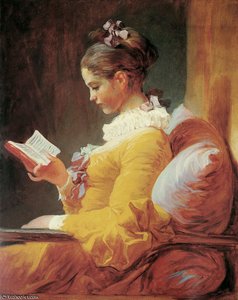
- Young Girl Reading: Featured in artworks databases, showcasing his mastery of portraiture and light.
- Works are also prominently displayed at the Musée du Louvre, Grasse Cathedral, The Metropolitan Museum of Art, and The Frick Collection.
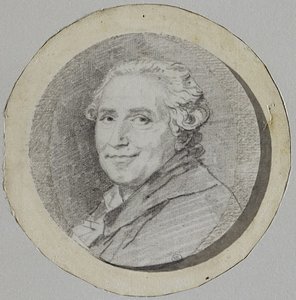
Жан-Оноре Фрагонар
1732 - 1806 , Франция
Основные сведения
- Artistic Movement Or Style: Рококо
- Artists Or Movements Influenced By This Artist: ['Неоклассицизм']
- Artists Who Influenced This Artist:
- Жан-Сиймон Шальян
- Франсуа Буше
- Date Of Birth: 4 апреля 1732 г.
- Date Of Death: 22 августа 1806 г.
- Full Name: Jean-Honoré Fragonard
- Nationality: Француз
- Notable Artworks:
- Подвесное положение
- Молодая девушка читает
- Берта Моризо
- Place Of Birth: Гrasse, Франция
Похожие статьи

The Rococo Aesthetic: Opulence, Rebellion & the Pursuit of Pleasure in 18th-Century Art
Explore the opulent world of Rococo art! Discover its origins, key artists like Watteau & Boucher, and lasting influence on design. Expert insights for collectors & enthusiasts.

The Allure of Elegance in Art: A Historical & Aesthetic Exploration of Refinement & Grace
Explore the exquisite world of Rococo art! Discover its history, masters (Watteau, Boucher & more), and defining elegance. Expert insights for collectors seeking museum-quality reproductions & custom portraits.

Топ-10 шедевров рококо: искусство, изменившее интерьеры | ArtsDot.com
Погрузитесь в мир рококо! Откройте для себя 10 шедевров искусства от Watteau, Boucher и Fragonard. Узнайте историю создания культовых картин и вдохновитесь для декора интерьера. Репродукции высокого качества на ArtsDot.com.
Illuminating the Enlightenment: A Comprehensive Exploration of 18th-Century Painting
Explore the captivating world of 18th-century painting! Discover Rococo's playful elegance & Neoclassicism’s Enlightenment ideals with expert insights into Fragonard, David, and more. A comprehensive guide for art enthusiasts.
The Rococo Reverie of Fragonard: Love, Leisure & Pleasure in 18th-Century France
Explore the captivating world of Jean-Honoré Fragonard! Discover his Rococo masterpieces, intimate portraits & the allure of 18th-century French art. Learn about 'The Progress of Love' and more at ArtsDot.