

 Предпросмотр
 Поделиться
 Поделиться
 Детали произведения

 Скачать
 Похожие работы
 Рентгенография
 Слайд-шоу
 Статистика
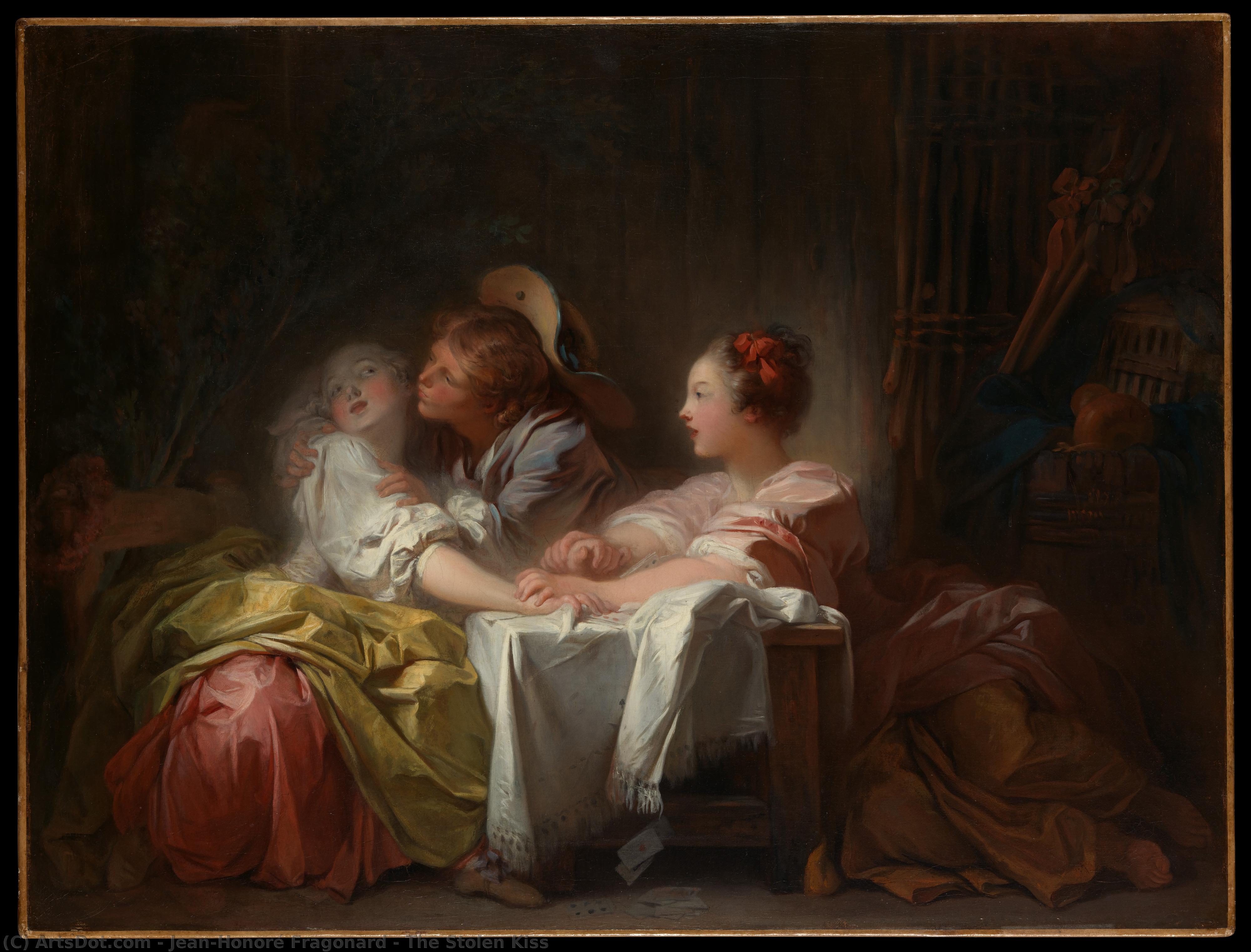
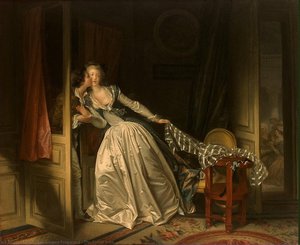
The Stolen Kiss
 Acrylic On Canvas
- WallArt
- Rococo Style
 1760
1760 48.0 x 64.0 cm
 Музей Метрополитен
 Читать далее
Приобретите цифровое изображение высокого разрешения в улучшенном качестве, которое значительно превосходит онлайн-превью.
Каждый файл тщательно подготавливается нашими специалистами с использованием передовых инструментов и экспертной ручной ретуши. Мы гарантируем исключительную четкость, точную цветопередачу и детальную проработку каждого изображения.
Финальный файл доставляется по электронной почте в течение 72 часов и оптимизирован для немедленного использования в профессиональной среде, при верстке и печати. Это тот же уровень качества, которому доверяют ведущие дизайнерские студии, издательства и галереи.
Цифровое изображение
Скачайте файл высокого разрешения для личного использования, печати и творческих проектов. ( Перейти к печати Купить картину ручной работы)
Включено в каждый заказ цифровых изображений
Гарантия экспертной цифровой доставки
Выбирая ArtsDot.com, вы получаете не просто изображение — вы приобретаете профессионально обработанное цифровое произведение искусства, созданное с безупречной точностью и под защитой гарантии качества. Вот всё, что автоматически входит в ваш заказ:

Мгновенная доставка по e-mail
Ваш цифровой файл в высоком разрешении будет отправлен вам по электронной почте в течение 72 часов после оформления заказа — и сразу станет доступен для использования.

Цифровой файл с ИИ-улучшением
Ваше произведение искусства проходит профессиональную оптимизацию с использованием передовых инструментов ИИ и ручной обработки, что гарантирует максимальную детализацию, четкость и точность цветопередачи.

Бессрочная бесплатная повторная доставка
Случайно удалили или потеряли файл? Не беспокойтесь — мы отправим его вам повторно в любое время и совершенно бесплатно.

Без импортных пошлин — навсегда
Наслаждайтесь вашим произведением искусства мгновенно без таможенных пошлин, сборов или затрат на доставку — цифровые загрузки всегда не облагаются налогом.

Гарантия точности цветопередачи
Мы гарантируем, что ваше цифровое изображение максимально точно передает оригинальные цвета благодаря использованию профессиональных инструментов и систем управления цветом.

Гарантия удовлетворенности 100 дней
Если вы не будете удовлетворены своим цифровым изображением, мы внесем правки или вернем 100% стоимости в течение 100 дней — без лишних вопросов.

100% Гарантия возврата средств
Не удовлетворены покупкой? Получите полный возврат средств в течение 100 дней после получения цифрового файла — без лишних вопросов.

Скидки на оптовые заказы
Купите 3 изображения, сэкономьте 10% — Купите 5, сэкономьте 15% — Купите 10+, сэкономьте 20%. Отличное решение для творческих проектов, галерей и агентств.
A Moment Caught in Sunlight: Jean-Honoré Fragonard’s *The Stolen Kiss*
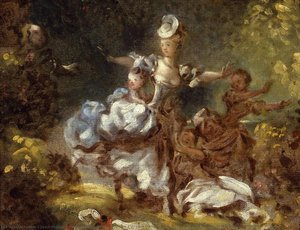
Jean-Honoré Fragonard's *The Stolen Kiss*, painted in 1760, is more than just a charming depiction of youthful romance; it’s a masterful distillation of Rococo artistry, imbued with the playful spirit and subtle sensuality that defined the era. This exquisite work, rendered in a deceptively simple yet remarkably accomplished style, offers a glimpse into the private world of French aristocracy and reveals Fragonard's burgeoning talent as a painter who could both mimic and transcend his influences.
The scene unfolds within a lush, verdant setting – a carefully constructed illusion of an Italian garden, hinting at Fragonard’s formative years spent immersed in the classical beauty of Italy. Two young women, bathed in dappled sunlight, are engaged in a clandestine embrace, their bodies subtly intertwined as they steal a kiss amidst a profusion of flowering plants and strategically placed foliage. A gentleman stands between them, seemingly caught off guard or perhaps complicit in this illicit moment. The composition is remarkably balanced, drawing the eye through the scene with an effortless grace that speaks to Fragonard’s keen understanding of spatial relationships and visual harmony.
The Dance of Technique: Rococo Refinement
Fragonard's technique here is a fascinating blend of influences. While he clearly draws inspiration from the meticulous detail and hard paint surfaces characteristic of 17th-century Dutch masters – a deliberate nod to his teacher, François Boucher – he elevates these elements with a distinctly Rococo sensibility. The brushstrokes are loose and airy, creating an atmosphere of lightness and movement, yet the level of finish is astonishingly high, suggesting a meticulous attention to detail that belies the painting’s overall impression of spontaneity. This duality—the controlled precision alongside a sense of joyful abandon—is quintessential Fragonard.
- Color Palette: The dominant hues are pastel shades – blush pinks, pale blues, and delicate greens – creating an ethereal and dreamlike quality. These colors contribute to the painting’s overall feeling of romance and innocence.
- Light & Shadow: Fragonard masterfully employs light to sculpt form and create a sense of depth. The sunlight filtering through the foliage casts dappled shadows, adding visual interest and highlighting the figures' delicate features.
- Brushwork: Noticeable but not overwhelming, the brushstrokes are loose and flowing, contributing to the painting’s airy feel while maintaining a remarkable level of detail in the rendering of textures – from the silk ribbons adorning the women’s hair to the velvety petals of the flowers.
A Portrait of an Era: Context and Symbolism
*The Stolen Kiss* was likely commissioned for a private patron, possibly the bailli de Bréteuil, Malta's ambassador to the Holy See. This context is crucial to understanding the painting’s significance; it reflects the aristocratic fascination with courtship rituals, secret rendezvous, and the pursuit of pleasure – hallmarks of Rococo culture. The umbrella, positioned prominently at the top right corner, isn’t merely a decorative element but also a symbol of protection and concealment, further emphasizing the clandestine nature of the scene.
The setting itself—a lush garden—represents an idealized world of beauty and romance, far removed from the realities of courtly life. The abundance of flowers symbolizes fertility, love, and prosperity – themes deeply rooted in classical mythology and Renaissance art. Furthermore, the painting’s subject matter, a stolen kiss, speaks to the complexities of desire and the delicate balance between public propriety and private longing.
Bringing *The Stolen Kiss* Home: Reproduction & Artistic Legacy
ArtsDot offers exquisite hand-painted reproductions of Fragonard's *The Stolen Kiss*, meticulously crafted to capture the essence of this iconic masterpiece. Whether you’re an art collector, a design enthusiast seeking inspiration for your interior space, or simply someone captivated by the beauty of Rococo artistry, our reproductions provide a stunning and authentic representation of this timeless work. The detail and color fidelity are unparalleled, allowing you to experience the painting's luminous quality and evocative atmosphere in your own home.
Explore our collection today and bring a touch of Fragonard’s enchanting world into your life. Browse the Collection
Похожие произведения

Биография художника
A Life Bathed in Light: The World of Jean-Honoré Fragonard
Born amidst the fragrant fields of Grasse, France, in 1732, Jean-Honoré Fragonard’s artistic journey began not with grand ambition but a quiet relocation to Paris with his family. It was there, under the initial guidance of Jean Siméon Chardin – a master of everyday life and subtle observation – that young Fragonard first encountered the possibilities of paint and canvas. However, it was within the atelier of François Boucher, the celebrated painter to the court of Louis XV, that his true stylistic foundations were laid. Boucher’s influence instilled in Fragonard a love for graceful forms, delicate colors, and the playful spirit that would come to define his oeuvre. Winning the prestigious Prix de Rome in 1752 marked a pivotal moment, affording him the opportunity to immerse himself in the classical world of Italy for several years. This period wasn’t merely about copying ancient masters; it was an awakening – a chance to absorb the vibrancy and sensuality that would later infuse his own unique vision.The Rococo Master: A Celebration of Pleasure and Intrigue
Upon returning to Paris, Fragonard swiftly established himself as a leading figure in the burgeoning Rococo movement. This wasn’t simply about adopting a style; it was about embodying an entire worldview – one that celebrated pleasure, intimacy, and the fleeting beauty of life. His paintings weren't intended for grand public display but rather for the private salons of aristocrats seeking works that whispered secrets and hinted at hidden desires. *The Swing*, perhaps his most iconic creation, perfectly encapsulates this spirit. A young woman playfully kicks off her shoe as a bishop pushes her swing, while a hidden lover gazes up from below – it’s a scene brimming with mischievous energy and veiled eroticism. Other works like **The Bolt** and **Love Vow** continue this exploration of clandestine encounters and the delicate dance between attraction and restraint. Fragonard didn't merely depict scenes of love; he created an atmosphere, a mood – one that was both alluring and slightly dangerous. His brushwork became increasingly fluid and spontaneous, capturing not just appearances but also the very essence of fleeting moments. He skillfully blended light and shadow, creating a sense of movement and drama within his compositions, while his use of pastel colors evoked a feeling of lightness and airiness.Beyond the Salon: Experimentation and Evolving Styles
While Fragonard achieved considerable success within the established art world, he wasn’t one to remain confined by its conventions. He experimented with different genres and techniques throughout his career, demonstrating a remarkable versatility. His early attempts at history painting, though initially praised, didn't fully satisfy him; he found greater freedom in exploring more intimate and personal subjects. A brief flirtation with Neoclassicism – evident in portraits like that of Denis Diderot – showcased his willingness to engage with contemporary artistic trends, but it was the Rococo sensibility that ultimately defined his legacy. He also excelled as a draftsman, producing countless sketches and drawings that reveal his masterful command of line and form. These weren’t merely preparatory studies; they were often works of art in their own right, capturing fleeting impressions and intimate moments with remarkable sensitivity. His drawings are characterized by a delicate precision and an exquisite attention to detail, reflecting his deep understanding of anatomy and perspective.Influences and Artistic Connections
Fragonard's artistic development was shaped by a diverse range of influences. The meticulous observation of Jean Siméon Chardin instilled in him a profound appreciation for the beauty of everyday life, while François Boucher’s mastery of color and composition provided a foundation for his own distinctive style. The Italian masters – particularly those of the Baroque period – exerted a significant influence on his early work, evident in his careful rendering of drapery and his dramatic use of light and shadow. He was deeply inspired by the works of artists such as Caravaggio and Rembrandt, whose techniques he sought to emulate. Furthermore, Fragonard’s time in Rome exposed him to the vibrant artistic culture of the city, fostering a spirit of experimentation and innovation. His close association with other prominent artists, including Jean-Honoré Lormes, further enriched his creative environment.A Legacy Enduring Through Time
The French Revolution brought a dramatic shift in artistic tastes, and Fragonard’s lighthearted, aristocratic style fell out of favor. He retreated to his hometown of Grasse for a time, returning to Paris only after the political turmoil subsided. Though he held administrative positions at the Louvre during this period, his creative output diminished. However, his influence continued to resonate through subsequent generations of artists. His emphasis on color, light, and sensuality paved the way for Impressionism, while his playful spirit and rejection of academic constraints inspired a more liberated approach to artmaking. Today, Fragonard’s works are celebrated in museums around the world – from the Louvre in Paris to the National Gallery of Art in Washington D.C. His paintings continue to captivate audiences with their beauty, wit, and enduring appeal, reminding us of a time when life was meant to be savored, and pleasure was considered an art form itself.Notable Works & Collections
- The Swing (L'Escarpolette): Wallace Collection, London – A quintessential example of Rococo exuberance.
- The Bolt: View on ArtsDot - A captivating scene of domestic intrigue and playful tension.
- Love Vow: Discover more about Fragonard’s works on ArtsDot – A tender depiction of romantic commitment.
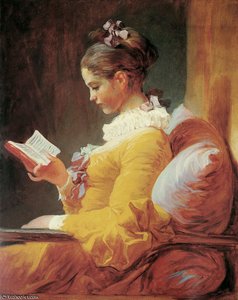
- Young Girl Reading: Featured in artworks databases, showcasing his mastery of portraiture and light.
- Works are also prominently displayed at the Musée du Louvre, Grasse Cathedral, The Metropolitan Museum of Art, and The Frick Collection.
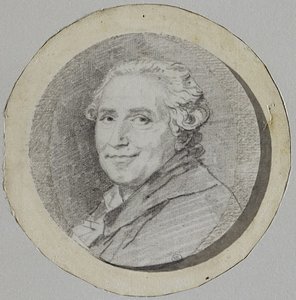
Жан-Оноре Фрагонар
1732 - 1806 , Франция
Основные сведения
- Artistic Movement Or Style: Рококо
- Artists Or Movements Influenced By This Artist: ['Неоклассицизм']
- Artists Who Influenced This Artist:
- Жан-Сиймон Шальян
- Франсуа Буше
- Date Of Birth: 4 апреля 1732 г.
- Date Of Death: 22 августа 1806 г.
- Full Name: Jean-Honoré Fragonard
- Nationality: Француз
- Notable Artworks:
- Подвесное положение
- Молодая девушка читает
- Берта Моризо
- Place Of Birth: Гrasse, Франция