 Предпросмотр
 Поделиться
 Поделиться
 Детали произведения

 Скачать
 Похожие работы
 Рентгенография
 Слайд-шоу
 Статистика
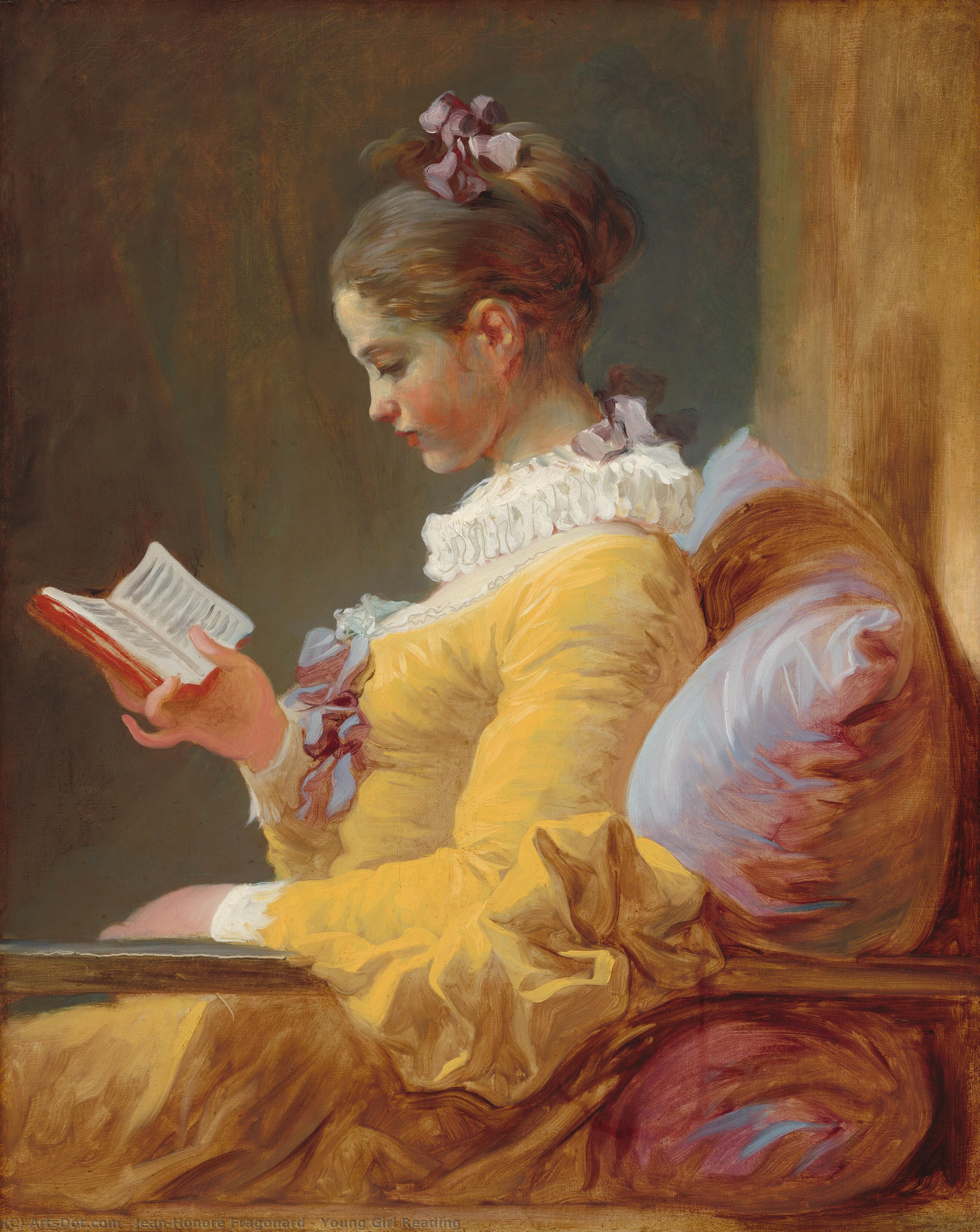
Young Girl Reading
 Oil
Oil- WallArt
- Rococo
 1769
1769- Early Modern
 105.0 x 90.0 cm
 Читать далее
Масляная репродукция ручной работы
Картина маслом на холсте в выбранном вами размере и раме, написанная на заказ нашими художниками. ( Перейти к печати Перейти к цифровым изображениям)




P118B $10

P118H $10

P118W $10

P438Z $10

P508JH $12

P508YH $12

P805H $10

P805Z $10

P919BZ $10

P919G $10

P919XJ $10

P959ZH $10

P968JZ $12

W106C $8

W218G $10

W218JH $8

W218Y $10

W307PJ $10

W316G $10

W316PJ $8

W316Y $10

W398PJ $8

W4111J $10

W500HY $15

W500JH $15

W692G $12

W849H $8

W940BG $15

W953PJ $8




Выберите один из наших стандартных размеров, соответствующих оригинальным пропорциям произведения искусства.

Вы можете указать собственные размеры, чтобы картина идеально вписалась в выбранную раму или пространство. Если выбранный вами размер не соответствует пропорциям оригинала, мы либо обрежем полотно, либо расширим его за счет дополнительных элементов, написанных вручную. Цифровой макет будет отправлен вам на утверждение перед началом производства.
Обратите внимание, что предварительный просмотр на экране не отражает фактическую обрезку или расширение. Только макет точно покажет окончательную композицию.
Хотя доступны индивидуальные размеры, мы рекомендуем выбирать вариант из предопределенного списка, чтобы сохранить исходные пропорции.
После оформления заказа команда ArtsDot.com свяжется с клиентом по электронной почте для уточнения деталей и предоставит предварительный макет
Доставка по всему миру () за 3–4 недели вместо стандартных 5 недель. (12 Сентябрь). Без компромиссов в качестве.

Бесплатная экспресс-доставка по всему миру

Высококачественный льняной холст

Полное страхование доставки

Гарантия возмещения таможенных пошлин

Гарантия точного соответствия цветов

100-дневная политика возврата (только при обнаружении дефектов)

Гарантия возврата 100% средств

Предложение оптовых скидок
 Вариант со стеклом доступен только для размеров менее 110 см

Young Girl Reading
Техника репродукции
Размер репродукции
-


Итоговая стоимость
$ 263
A Moment of Quiet Introspection
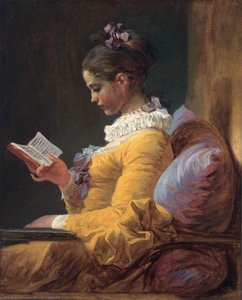
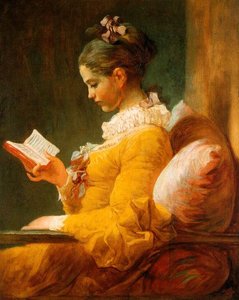
In the soft, flickering light of the eighteenth century, Jean-Honoré Fragonard captured a scene of profound stillness and youthful grace. Young Girl Reading is not merely a portrait; it is an invitation into a private sanctuary of thought. The subject, a young woman with porcelain skin and chestnut hair, is lost in the pages of a small book, her profile turned away from the viewer as if we have stumbled upon a sacred, solitary ritual. Dressed in a sumptuous goldenrod-yellow gown, she sits enveloped by the textures of her surroundings—the delicate lace at her neckline, the soft mauve bows that accent her attire, and the plush, oversized pillow streaked with lilac and rose pink. There is an exquisite intimacy in her posture, a gentle downward tilt of the head that suggests the world around her has ceased to exist, leaving only the dialogue between the reader and the written word.
The painting serves as a masterclass in the Rococo spirit, blending the elegance of courtly life with a burgeoning interest in the emotional depth of the individual. While Fragonard was often celebrated for his more exuberant and frothy compositions, this work reveals his ability to command the atmosphere of quietude. The background, a dreamlike tapestry of tan and muted teal blue, provides a soft, atmospheric stage that pushes the vibrant yellow of her dress forward, making the subject glow with an inner light. This interplay of color and light creates a sense of warmth and comfort, making the piece an ideal focal point for any space seeking to evoke feelings of peace, nostalgia, and intellectual refinement.
The Mastery of the Brush and Light
To observe this work closely is to witness the virtuosity of Fragonard’s technique. The artist employs a loose, lively brushstroke that breathes life into the canvas, eschewing rigid lines for a more fluid, organic movement. This painterly approach allows the light to dance across the surfaces—catching the sheen of the silk, the translucency of the white ruff, and the subtle shadows within the folds of her gown. The texture is palpable; one can almost feel the weight of the heavy fabric and the softness of the pillows. This tactile quality is what makes a high-quality reproduction of this piece so captivating for interior designers; it brings a sense of movement and organic energy to a room, breaking the stillness of modern decor with its historical vitality.
Beyond the technical brilliance, there is a profound emotional resonance found in the composition's balance. The verticality of the piece, combined with the way the subject leans against a railing, creates a sense of structured repose. For collectors, this painting represents more than just an aesthetic choice; it is an acquisition of mood. Whether placed in a sunlit library or a sophisticated study, Young Girl Reading acts as a window into a bygone era of elegance and contemplation. It offers a timeless connection to the beauty of the human spirit in repose, making it a perennial favorite for those who appreciate art that speaks to the soul through both color and character.
Похожие произведения
Биография художника
A Life Bathed in Light: The World of Jean-Honoré Fragonard
Born amidst the fragrant fields of Grasse, France, in 1732, Jean-Honoré Fragonard’s artistic journey began not with grand ambition but a quiet relocation to Paris with his family. It was there, under the initial guidance of Jean Siméon Chardin – a master of everyday life and subtle observation – that young Fragonard first encountered the possibilities of paint and canvas. However, it was within the atelier of François Boucher, the celebrated painter to the court of Louis XV, that his true stylistic foundations were laid. Boucher’s influence instilled in Fragonard a love for graceful forms, delicate colors, and the playful spirit that would come to define his oeuvre. Winning the prestigious Prix de Rome in 1752 marked a pivotal moment, affording him the opportunity to immerse himself in the classical world of Italy for several years. This period wasn’t merely about copying ancient masters; it was an awakening – a chance to absorb the vibrancy and sensuality that would later infuse his own unique vision.The Rococo Master: A Celebration of Pleasure and Intrigue
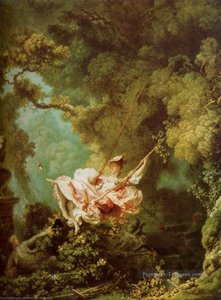
Upon returning to Paris, Fragonard swiftly established himself as a leading figure in the burgeoning Rococo movement. This wasn’t simply about adopting a style; it was about embodying an entire worldview – one that celebrated pleasure, intimacy, and the fleeting beauty of life. His paintings weren't intended for grand public display but rather for the private salons of aristocrats seeking works that whispered secrets and hinted at hidden desires. *The Swing*, perhaps his most iconic creation, perfectly encapsulates this spirit. A young woman playfully kicks off her shoe as a bishop pushes her swing, while a hidden lover gazes up from below – it’s a scene brimming with mischievous energy and veiled eroticism. Other works like **The Bolt** and **Love Vow** continue this exploration of clandestine encounters and the delicate dance between attraction and restraint. Fragonard didn't merely depict scenes of love; he created an atmosphere, a mood – one that was both alluring and slightly dangerous. His brushwork became increasingly fluid and spontaneous, capturing not just appearances but also the very essence of fleeting moments. He skillfully blended light and shadow, creating a sense of movement and drama within his compositions, while his use of pastel colors evoked a feeling of lightness and airiness.Beyond the Salon: Experimentation and Evolving Styles
While Fragonard achieved considerable success within the established art world, he wasn’t one to remain confined by its conventions. He experimented with different genres and techniques throughout his career, demonstrating a remarkable versatility. His early attempts at history painting, though initially praised, didn't fully satisfy him; he found greater freedom in exploring more intimate and personal subjects. A brief flirtation with Neoclassicism – evident in portraits like that of Denis Diderot – showcased his willingness to engage with contemporary artistic trends, but it was the Rococo sensibility that ultimately defined his legacy. He also excelled as a draftsman, producing countless sketches and drawings that reveal his masterful command of line and form. These weren’t merely preparatory studies; they were often works of art in their own right, capturing fleeting impressions and intimate moments with remarkable sensitivity. His drawings are characterized by a delicate precision and an exquisite attention to detail, reflecting his deep understanding of anatomy and perspective.Influences and Artistic Connections
Fragonard's artistic development was shaped by a diverse range of influences. The meticulous observation of Jean Siméon Chardin instilled in him a profound appreciation for the beauty of everyday life, while François Boucher’s mastery of color and composition provided a foundation for his own distinctive style. The Italian masters – particularly those of the Baroque period – exerted a significant influence on his early work, evident in his careful rendering of drapery and his dramatic use of light and shadow. He was deeply inspired by the works of artists such as Caravaggio and Rembrandt, whose techniques he sought to emulate. Furthermore, Fragonard’s time in Rome exposed him to the vibrant artistic culture of the city, fostering a spirit of experimentation and innovation. His close association with other prominent artists, including Jean-Honoré Lormes, further enriched his creative environment.A Legacy Enduring Through Time
The French Revolution brought a dramatic shift in artistic tastes, and Fragonard’s lighthearted, aristocratic style fell out of favor. He retreated to his hometown of Grasse for a time, returning to Paris only after the political turmoil subsided. Though he held administrative positions at the Louvre during this period, his creative output diminished. However, his influence continued to resonate through subsequent generations of artists. His emphasis on color, light, and sensuality paved the way for Impressionism, while his playful spirit and rejection of academic constraints inspired a more liberated approach to artmaking. Today, Fragonard’s works are celebrated in museums around the world – from the Louvre in Paris to the National Gallery of Art in Washington D.C. His paintings continue to captivate audiences with their beauty, wit, and enduring appeal, reminding us of a time when life was meant to be savored, and pleasure was considered an art form itself.Notable Works & Collections
- The Swing (L'Escarpolette): Wallace Collection, London – A quintessential example of Rococo exuberance.
- The Bolt: View on ArtsDot - A captivating scene of domestic intrigue and playful tension.
- Love Vow: Discover more about Fragonard’s works on ArtsDot – A tender depiction of romantic commitment.
- Young Girl Reading: Featured in artworks databases, showcasing his mastery of portraiture and light.
- Works are also prominently displayed at the Musée du Louvre, Grasse Cathedral, The Metropolitan Museum of Art, and The Frick Collection.
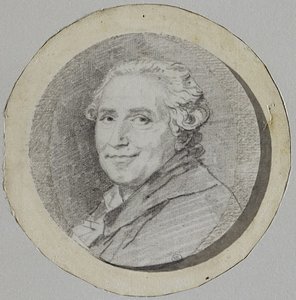
Жан-Оноре Фрагонар
1732 - 1806 , Франция
Основные сведения
- Artistic Movement Or Style: Рококо
- Artists Or Movements Influenced By This Artist: ['Неоклассицизм']
- Artists Who Influenced This Artist:
- Жан-Сиймон Шальян
- Франсуа Буше
- Date Of Birth: 4 апреля 1732 г.
- Date Of Death: 22 августа 1806 г.
- Full Name: Jean-Honoré Fragonard
- Nationality: Француз
- Notable Artworks:
- Подвесное положение
- Молодая девушка читает
- Берта Моризо
- Place Of Birth: Гrasse, Франция
Похожие статьи

Топ-10 шедевров рококо: искусство, изменившее интерьеры | ArtsDot.com
Погрузитесь в мир рококо! Откройте для себя 10 шедевров искусства от Watteau, Boucher и Fragonard. Узнайте историю создания культовых картин и вдохновитесь для декора интерьера. Репродукции высокого качества на ArtsDot.com.
Топ-10 шедевров живописи в доминирующих оттенках хромового жёлтого | ArtsDot
Погрузитесь в мир хромового жёлтого! 10 знаменитых картин Ван Гога, Моне и других мастеров. История искусства, техника живописи и вдохновение для декора интерьера. Репродукции музейного качества на ArtsDot.com

The Rococo Aesthetic: Opulence, Rebellion & the Pursuit of Pleasure in 18th-Century Art
Explore the opulent world of Rococo art! Discover its origins, key artists like Watteau & Boucher, and lasting influence on design. Expert insights for collectors & enthusiasts.
Топ-10 знаменитых картин в охристых тонах: искусство и декор от ArtsDot
Погрузитесь в мир искусства с 10 знаменитыми картинами, где доминирует охристый цвет! Узнайте истории Ван Гога, Моне и других мастеров. Репродукции высокого качества для вашего интерьера от ArtsDot.com. Откройте всю коллекцию онлайн!
The Golden Hue: Exploring Symbolism & Emotion in Yellow Art
Explore the rich symbolism & emotional power of yellow in art history! From Van Gogh to Kandinsky, discover how artists used this vibrant hue. Expert analysis & high-quality reproductions at ArtsDot.