 Предпросмотр
 Поделиться
 Поделиться
 Детали произведения

 Скачать
 Похожие работы
 Рентгенография
 Слайд-шоу
 Статистика
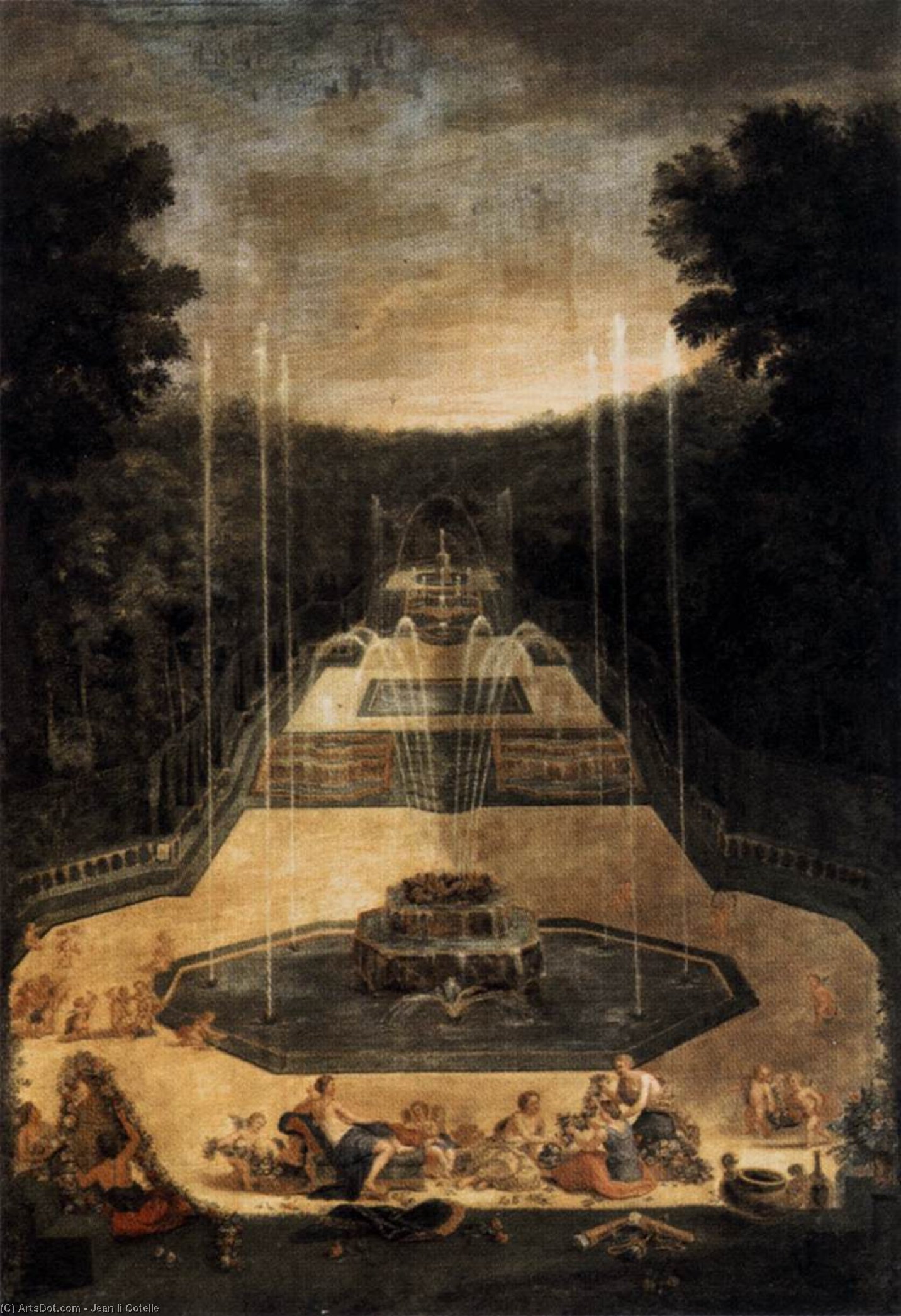
View of the Three-Fountain Grove
 Oil On Canvas
- WallArt
- Baroque
 1688
1688- Early Modern
 201.0 x 139.0 cm
 Галерея Большого Триано
 Читать далее
Масляная репродукция ручной работы
Картина маслом на холсте в выбранном вами размере и раме, написанная на заказ нашими художниками. ( Перейти к печати Перейти к цифровым изображениям)




P118B $10

P118H $10

P118W $10

P438Z $10

P508JH $12

P508YH $12

P805H $10

P805Z $10

P919BZ $10

P919G $10

P919XJ $10

P959ZH $10

P968JZ $12

W106C $8

W218G $10

W218JH $8

W218Y $10

W307PJ $10

W316G $10

W316PJ $8

W316Y $10

W398PJ $8

W4111J $10

W500HY $15

W500JH $15

W692G $12

W849H $8

W940BG $15

W953PJ $8




Выберите один из наших стандартных размеров, соответствующих оригинальным пропорциям произведения искусства.

Вы можете указать собственные размеры, чтобы картина идеально вписалась в выбранную раму или пространство. Если выбранный вами размер не соответствует пропорциям оригинала, мы либо обрежем полотно, либо расширим его за счет дополнительных элементов, написанных вручную. Цифровой макет будет отправлен вам на утверждение перед началом производства.
Обратите внимание, что предварительный просмотр на экране не отражает фактическую обрезку или расширение. Только макет точно покажет окончательную композицию.
Хотя доступны индивидуальные размеры, мы рекомендуем выбирать вариант из предопределенного списка, чтобы сохранить исходные пропорции.
После оформления заказа команда ArtsDot.com свяжется с клиентом по электронной почте для уточнения деталей и предоставит предварительный макет
Доставка по всему миру () за 3–4 недели вместо стандартных 5 недель. (12 Сентябрь). Без компромиссов в качестве.

Бесплатная экспресс-доставка по всему миру

Высококачественный льняной холст

Полное страхование доставки

Гарантия возмещения таможенных пошлин

Гарантия точного соответствия цветов

100-дневная политика возврата (только при обнаружении дефектов)

Гарантия возврата 100% средств

Предложение оптовых скидок
 Вариант со стеклом доступен только для размеров менее 110 см

View of the Three-Fountain Grove
Техника репродукции
Размер репродукции
-


Итоговая стоимость
$ 263
A Verdant Sanctuary in Oil: The Splendor of Jean II Cotelle
In the heart of the 17th century, as the sun set upon the late Renaissance and rose with the dramatic flair of the Baroque, Jean II Cotelle captured a moment of eternal tranquility. His masterpiece, View of the Three-Fountain Grove, painted in 1688, serves as more than just a landscape; it is a window into the curated majesty of the French court. The painting presents a breathtakingly serene garden setting where three magnificent fountains act as the rhythmic pulse of the composition. Each fountain, adorned with intricate statues that whisper tales of classical mythology, stands as a testament to the era's obsession with blending sculptural grandeur with the organic fluidity of nature. As the eye wanders through the lush greenery, one feels the cool mist of the water and the gentle rustle of the surrounding trees, all rendered with a precision that invites the viewer to step directly into this royal retreat.
The technical mastery displayed in this work is nothing short of extraordinary. Cotelle, having been deeply influenced by his travels through the artistic hubs of Italy, utilized a sophisticated approach to chiaroscuro to breathe life into the canvas. By masterfully manipulating light and shadow, he creates a profound sense of three-dimensionality, making the foliage appear thick and palpable and the water appear shimmering and translucent. The vibrant palette—rich with deep forest greens, brilliant sky blues, and the warm, earthy tones of the stone statues—creates a visual harmony that is both stimulating and soothing. This careful balance of color and light ensures that the composition remains dynamic, guiding the viewer's gaze from the detailed foreground figures toward the receding depths of the grove.
The Harmony of Humanity and Nature
Beyond its aesthetic brilliance, the painting explores a profound symbolic theme: the seamless integration of human activity within the natural world. In the foreground, Cotelle populates his landscape with figures engaged in the leisurely pursuits of the 17-century aristocracy. We see individuals strolling through the paths and engaging in quiet conversation, their period attire adding a layer of historical texture to the scene. These figures are not merely spectators; they are part of the garden's ecosystem, embodying the Enlightenment ideal that man can cultivate nature into a state of perfect, orderly beauty without destroying its essence. This sense of harmony evokes an emotional response of peace and stability, making the piece an ideal centerpiece for those looking to introduce a sense of classical elegance and calm into a modern interior.
For the discerning collector or interior designer, View of the Three-Fountain Grove offers an unparalleled opportunity to possess a fragment of history. Whether placed in a grand salon or a quiet study, a high-quality handmade oil painting reproduction of this work brings with it the prestige of the Galerie du Grand Trianon and the legacy of Versailles. The painting does not merely decorate a wall; it transforms a space, offering a timeless narrative of luxury, artistry, and the enduring beauty of the French Baroque tradition. It remains a profound inspiration for anyone who seeks to surround themselves with art that speaks of grandeur, meticulous craftsmanship, and the eternal dance between light and life.
Похожие произведения


Биография художника
A Parisian Legacy: The Life and Art of Jean II Cotelle
Born in the vibrant heart of Paris in 1642, Jean II Cotelle emerged as a defining voice within the sweeping grandeur of the Baroque era. His artistic journey was one deeply rooted in tradition, yet propelled by an insatiable curiosity for the new. The foundations of his craft were laid under the watchful eye of his father, Jean Cotelle I, a distinguished ornamental painter who had served the court of Louis XIII. From this early tutelage, the younger Cotelle inherited a profound respect for meticulous detail and the opulent decorative language that characterized the French royal aesthetic. This upbringing instilled in him an appreciation for the fine nuances of line and ornament, which would later serve as the structural backbone for his more expansive and dramatic compositions.
The trajectory of Cotelle’s career underwent a transformative shift during the mid-1670s when he embarked on extensive travels through Italy. Immersed in the artistic fervor of Rome and Florence, he encountered the lingering shadows of Caravaggio and the psychological depth of Rembrandt. This exposure to the Italian masters introduced him to the power of chiaroscuro—the dramatic interplay of light and shadow—and a heightened sense of emotional realism. Upon his return to France, Cotelle’s work began to pulse with a new theatricality. He moved beyond mere ornamentation to embrace historical narratives, imbuing his canvases with a palpable immediacy that sought to capture the very essence of the human experience through light, movement, and drama.
Mastery of Scale: From Intimate Miniatures to Royal Grandeur
Cotelle’s versatility was perhaps his most remarkable attribute, allowing him to navigate seamlessly between the delicate and the monumental. He gained significant acclaim as a master of miniatures, producing exquisite, small-scale works that demanded intense focus and precision. Yet, simultaneously, he proved himself capable of commanding the vast architectural spaces of the French monarchy. His membership in the prestigious Académie Royale de peinture et de sculpture in 1672 solidified his status among the elite, providing him with the platform to undertake significant royal commissions.
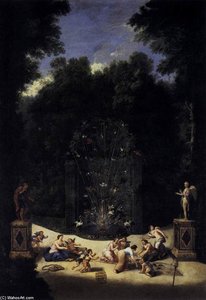
His contributions to the visual identity of Versailles are particularly noteworthy. Through a series of breathtaking views of the palace gardens, Cotelle captured the curated majesty of the French court. His works, such as "View of the Three-Fountain Grove" and "Entrance to the Maze," serve as windows into a world of engineered splendor. In these paintings, he masterfully blended the organic fluidity of nature with the rigid geometry of Baroque landscape design. He utilized a sophisticated palette of deep forest greens and shimmering blues, employing light to create a sense of three-dimensionality that made the lush foliage and tranquil waters feel almost tangible to the viewer.
A Lasting Impression on Art History
The pinnacle of Cotelle’s artistic achievement remains his monumental work, "The Marriage at Cana," completed in 1681 for the Notre-Dame Cathedral in Paris. This masterpiece stands as a cornerstone of Baroque religious art, showcasing his ability to weave complex historical and spiritual narratives into a cohesive, breathtaking visual spectacle. Through this work, he demonstrated that he could handle the weight of sacred tradition with the same technical brilliance he applied to secular landscapes.
Beyond his paintings, Cotelle’s legacy is preserved through his skill as an engraver and draughtsman. His etchings, including scenes from the history of Venus and religious meditations like "Our Lord on the Mount of Olives," reveal an artist dedicated to the exploration of form and storytelling across various media. As a figure who bridged the gap between the decorative traditions of the early 17th century and the dramatic intensity of the high Baroque, Jean II Cotelle remains a vital subject for those seeking to understand the artistic soul of France during one of its most culturally significant epochs.
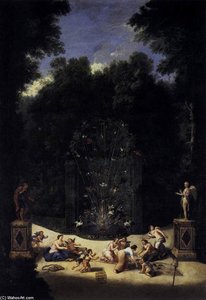
Jean II Cotelle
1642 - 1708 , France
Основные сведения
- Artistic Movement Or Style: Baroque
- Artists Or Movements Influenced By This Artist: ['François de Poilly']
- Artists Who Influenced This Artist: ['Jean Cotelle I']
- Date Of Birth: Paris, France (1642)
- Date Of Death: Villers-sur-Marne (1708)
- Full Name: Jean II Cotelle
- Nationality: French
- Notable Artworks:
- Marriage at Cana
- View of the Colonnade at Versailles
- View of the Three-Fountain Grove
- Place Of Birth: Paris
Похожие статьи

Джон Констебль: 25 шедевров английского пейзажа для вашего интерьера
Погрузитесь в мир английского пейзажа с Джоном Констеблом! 25 шедевров романтизма, история создания картин и вдохновение для вашего интерьера. Репродукции высокого качества на ArtsDot.com – искусство для ценителей.

Романтический пейзаж: 10 шедевров, изменивших искусство | ArtsDot.com
Погрузитесь в мир романтического пейзажа! 10 шедевров Фридриха, Тёрнера и других гениев. Узнайте историю создания культовых картин и вдохновитесь для декора интерьера. Репродукции высокого качества на ArtsDot.com.

Evocations of Place: A Historical Journey Through Landscape Art
Explore the rich history of landscape art with ArtsDot. Discover renowned artists, movements like Impressionism & tonalism, and expert guidance for collecting timeless pieces. Find your perfect serene escape today!

Evocations of Place: A Historical Journey Through Landscape Art
Explore the rich history of landscape art with ArtsDot. Discover renowned artists, movements like Impressionism & Romanticism, and expert guidance for collecting timeless pieces. Find your perfect serene escape today!
Cultivating Paradise: A Historical & Artistic Exploration of Gardens in Painting
Explore the rich history of gardens in painting! Discover masterpieces from Renaissance to Impressionism & beyond. Learn about symbolism, artists like Monet & Klimt, and find your perfect artwork at ArtsDot.