

 Предпросмотр
 Поделиться
 Поделиться
 Детали произведения

 Скачать
 Похожие работы
 Рентгенография
 Слайд-шоу
 Статистика
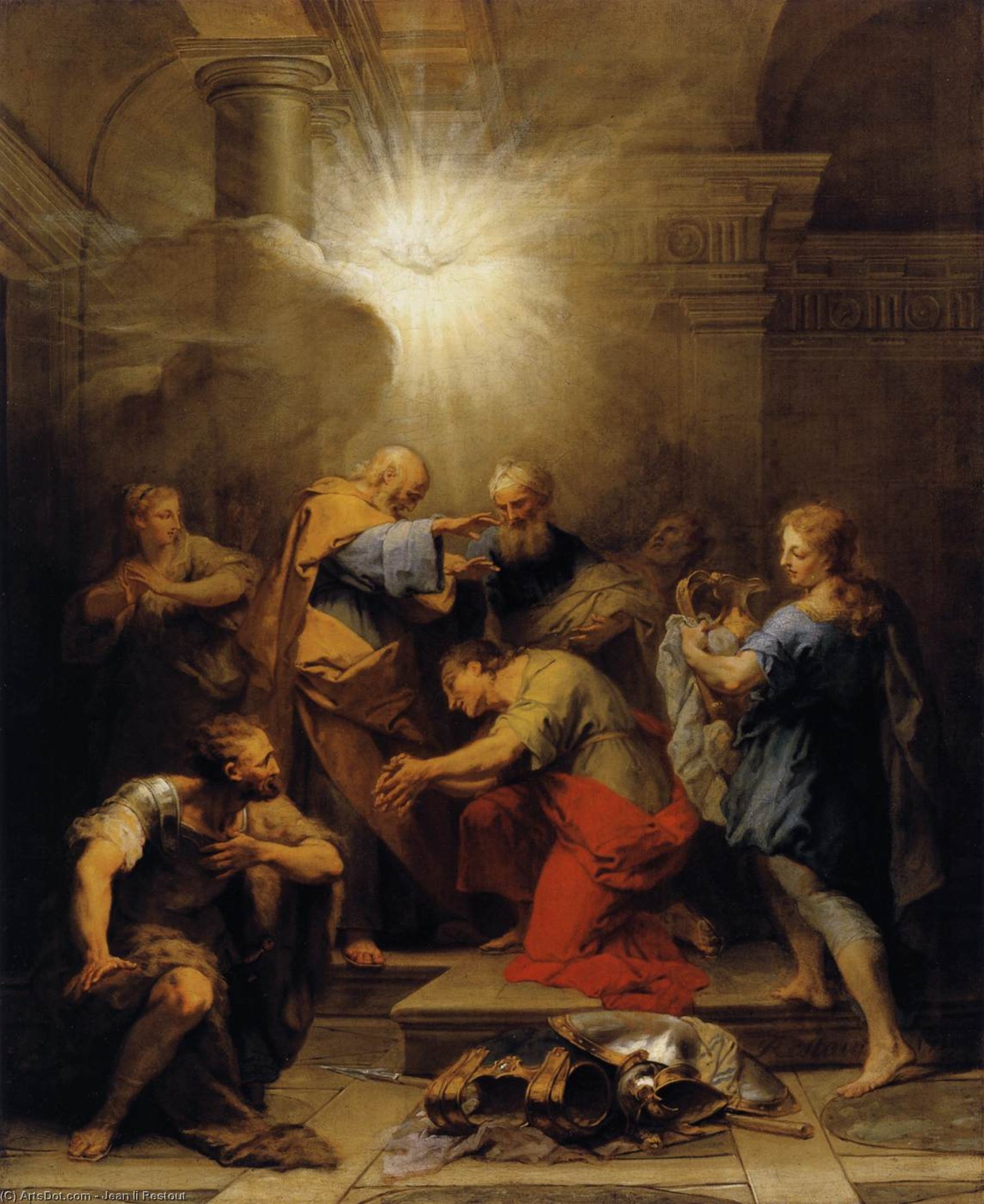
Ananias Restoring the Sight of St Paul
 Oil On Canvas
- WallArt
- Baroque Classicism
 1719
1719 90.0 x 80.0 cm
 Лувр
Лувр
 Читать далее
Приобретите цифровое изображение высокого разрешения в улучшенном качестве, которое значительно превосходит онлайн-превью.
Каждый файл тщательно подготавливается нашими специалистами с использованием передовых инструментов и экспертной ручной ретуши. Мы гарантируем исключительную четкость, точную цветопередачу и детальную проработку каждого изображения.
Финальный файл доставляется по электронной почте в течение 72 часов и оптимизирован для немедленного использования в профессиональной среде, при верстке и печати. Это тот же уровень качества, которому доверяют ведущие дизайнерские студии, издательства и галереи.
Цифровое изображение
Скачайте файл высокого разрешения для личного использования, печати и творческих проектов. ( Перейти к печати Купить картину ручной работы)
Включено в каждый заказ цифровых изображений
Гарантия экспертной цифровой доставки
Выбирая ArtsDot.com, вы получаете не просто изображение — вы приобретаете профессионально обработанное цифровое произведение искусства, созданное с безупречной точностью и под защитой гарантии качества. Вот всё, что автоматически входит в ваш заказ:

Мгновенная доставка по e-mail
Ваш цифровой файл в высоком разрешении будет отправлен вам по электронной почте в течение 72 часов после оформления заказа — и сразу станет доступен для использования.

Цифровой файл с ИИ-улучшением
Ваше произведение искусства проходит профессиональную оптимизацию с использованием передовых инструментов ИИ и ручной обработки, что гарантирует максимальную детализацию, четкость и точность цветопередачи.

Бессрочная бесплатная повторная доставка
Случайно удалили или потеряли файл? Не беспокойтесь — мы отправим его вам повторно в любое время и совершенно бесплатно.

Без импортных пошлин — навсегда
Наслаждайтесь вашим произведением искусства мгновенно без таможенных пошлин, сборов или затрат на доставку — цифровые загрузки всегда не облагаются налогом.

Гарантия точности цветопередачи
Мы гарантируем, что ваше цифровое изображение максимально точно передает оригинальные цвета благодаря использованию профессиональных инструментов и систем управления цветом.

Гарантия удовлетворенности 100 дней
Если вы не будете удовлетворены своим цифровым изображением, мы внесем правки или вернем 100% стоимости в течение 100 дней — без лишних вопросов.

100% Гарантия возврата средств
Не удовлетворены покупкой? Получите полный возврат средств в течение 100 дней после получения цифрового файла — без лишних вопросов.

Скидки на оптовые заказы
Купите 3 изображения, сэкономьте 10% — Купите 5, сэкономьте 15% — Купите 10+, сэкономьте 20%. Отличное решение для творческих проектов, галерей и агентств.
The Divine Touch: Ananias Restoring the Sight of St Paul
To stand before this depiction of Ananias Restoring the Sight of St Paul is to be enveloped in an atmosphere thick with divine intervention and profound human vulnerability. The scene, rendered by Jean II Restout in 1719, transcends a mere narrative illustration; it is a vibrant tableau vivant capturing the precise moment grace pierces through darkness. One can almost feel the palpable energy emanating from the central figure as his hands hover over the afflicted man’s eyes—a gesture that speaks volumes of faith, healing, and miraculous restoration. The composition draws the eye immediately to this nexus of action, grounding the viewer in the immediacy of the miracle.
Mastery of Late Baroque Classicism
Jean II Restout stands as a compelling example of late Baroque classicism, an artistic current that favored clarity, noble emotion, and structured grandeur over the airy frivolity of the Rococo. His dedication to this style is evident in the controlled drama of the painting. While the subject matter—a biblical miracle—allows for high emotional pitch, Restout tempers it with a classical restraint. Observe the arrangement of the figures; they are not haphazardly placed but seem orchestrated around the central act of healing. The artist utilizes deep compositional lines and rich drapery to give weight and permanence to the moment, suggesting that this divine intervention is an eternal truth.
Symbolism of Light and Sight
The symbolism within this work is deeply resonant for any collector or admirer of sacred art. Blindness, in religious iconography, has long served as a potent metaphor for spiritual ignorance or sin. Conversely, the restoration of sight represents enlightenment, divine favor, and salvation. The interplay between shadow and illumination throughout the canvas mirrors this struggle: the darkness surrounding the afflicted contrasts sharply with the implied brilliance emanating from the act of healing itself. For those decorating a space meant for contemplation or devotion, this piece offers not just decoration, but a visual meditation on spiritual awakening.
Technique and Emotional Resonance
Restout’s technique, characteristic of his period, suggests a meticulous handling of paint that allows the textures—the folds of the robes, the skin tones, the varied expressions on the faces—to breathe. The depth achieved in the painting gives it an almost three-dimensional presence, inviting close study. Emotionally, the piece is overwhelmingly uplifting. It speaks to the human yearning for redemption and the unwavering belief in benevolent forces greater than ourselves. Owning a reproduction of this work allows one to bring home not just a beautiful object, but a sustained feeling of hope and profound spiritual connection.
Похожие произведения

Биография художника
Jean II Restout: Life and Legacy
Jean II Restout (1692 – 1768) was a French painter who distinguished himself through his late Baroque classicism, particularly in the realm of religious altarpieces. He stood as a notable figure resisting the prevailing Rococo style of his era.
Early Life and Family Background
Born in Rouen, France, in 1692, Jean II Restout came from an artistic family. His father was Jean I Restout, also a painter. Importantly, his mother, Marie M. Jouvenet, was the sister and pupil of the well-known painter Jean Jouvenet, who would become a significant influence on young Restout’s development.
Artistic Training and Early Career
In 1717, Restout achieved an early milestone by being elected to the Académie Royale de Peinture et de Sculpture based on his work for the prestigious Prix de Rome. However, unlike many recipients, he chose to remain in Paris rather than proceeding to Italy for further study. This decision allowed him to consistently exhibit at the Salons and steadily climb the ranks within the academic hierarchy.
Artistic Style and Major Works
Restout’s artistic style is characterized by a deliberate return to classical principles, even as Rococo flourished around him. His works are marked by their solemnity, dramatic composition, and meticulous detail. He excelled in large-scale altar pieces, ceilings, and designs for the Gobelin tapestries.
- The Death of St Scholastica: Considered an “isolated achievement” that contrasted sharply with contemporary Rococo trends.
- Pentecost: A powerful depiction showcasing his mastery of composition and religious narrative.
- Ananias Restoring the Sight of St Paul: Demonstrates his skill in portraying dramatic biblical scenes.
- The Disciples at Emmaus (or Lunch at Emmaus): Another example of his talent for rendering religious subjects with emotional depth.
Influences and Artistic Development
Jean Jouvenet, his maternal uncle, was a crucial early influence on Restout’s artistic development. Jouvenet's emphasis on classical form and dramatic lighting profoundly shaped Restout’s approach to painting. Restout also studied the works of earlier masters, absorbing their techniques and principles.
Later Life and Legacy
Restout held various positions within the Académie throughout his career, demonstrating his standing in the artistic community. His son, Jean-Bernard Restout (1732–1797), also became a painter and won the Prix de Rome in 1758, though he later faced difficulties with the Academy due to disagreements over its rules.
Historical Significance
Jean II Restout occupies a unique position in French art history. While his work doesn’t possess the widespread fame of some of his contemporaries, his steadfast commitment to classical principles during the height of Rococo makes him a significant figure. He represents a resistance to fleeting trends and a dedication to enduring artistic values. His altarpieces remain important examples of late Baroque classicism in France.

Jean II Restout
1692 - 1768