


 Предпросмотр
 Поделиться
 Поделиться
 Детали произведения

 Скачать
 Похожие работы
 Рентгенография
 Слайд-шоу
 Статистика
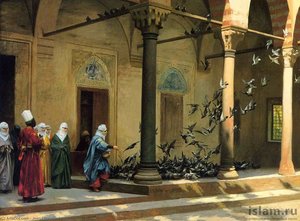
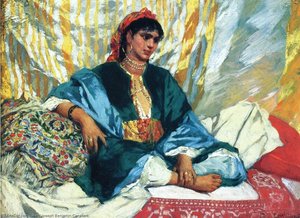
The Favorite of the Emir
 Orientalism
 1879
1879 198.0 x 282.0 cm
 Читать далее
Масляная репродукция ручной работы
Картина маслом на холсте в выбранном вами размере и раме, написанная на заказ нашими художниками. ( Перейти к печати Перейти к цифровым изображениям)

































Выберите один из наших стандартных размеров, соответствующих оригинальным пропорциям произведения искусства.

Вы можете указать собственные размеры, чтобы картина идеально вписалась в выбранную раму или пространство. Если выбранный вами размер не соответствует пропорциям оригинала, мы либо обрежем полотно, либо расширим его за счет дополнительных элементов, написанных вручную. Цифровой макет будет отправлен вам на утверждение перед началом производства.
Обратите внимание, что предварительный просмотр на экране не отражает фактическую обрезку или расширение. Только макет точно покажет окончательную композицию.
Хотя доступны индивидуальные размеры, мы рекомендуем выбирать вариант из предопределенного списка, чтобы сохранить исходные пропорции.
После оформления заказа команда ArtsDot.com свяжется с клиентом по электронной почте для уточнения деталей и предоставит предварительный макет
Доставка по всему миру () за 3–4 недели вместо стандартных 5 недель. (15 Сентябрь). Без компромиссов в качестве.

Бесплатная экспресс-доставка по всему миру

Высококачественный льняной холст

Полное страхование доставки

Гарантия возмещения таможенных пошлин

Гарантия точного соответствия цветов

100-дневная политика возврата (только при обнаружении дефектов)

Гарантия возврата 100% средств

Предложение оптовых скидок
 Вариант со стеклом доступен только для размеров менее 110 см

The Favorite of the Emir
Техника репродукции
Размер репродукции
-


Итоговая стоимость
$ 288
Похожие произведения
![Flabellifera [oil Study] — Джон Уильям Годвард, Neo-classicism](/media/artworks/images-thumb/06/bb/06bbae0d52d1e016bd2affae404ad640.jpg)
Биография художника
Jean-Joseph Benjamin-Constant: A Master of Exotic Visions
Jean-Joseph Benjamin-Constant, a name synonymous with the allure of the Orient and the precision of academic training, stands as a pivotal figure in 19th-century French art. Born in Paris in 1845, his artistic journey began within the hallowed halls of the École des Beaux-Arts in Toulouse, under the tutelage of Alexandre Cabanel – an experience that instilled within him a profound respect for classical techniques and a meticulous attention to detail. Early works reflected this foundational influence, showcasing a remarkable aptitude for dramatic composition rooted in historical painting, yet it was a transformative voyage to Morocco in 1872 that irrevocably altered the course of his artistic vision, igniting a lifelong passion for the exotic and setting him on the path toward becoming one of the most celebrated Orientalist painters of his time. This journey wasn’t merely a change of scenery; it was an immersion into a world brimming with vibrant colors, unfamiliar customs, and captivating light – elements that would forever shape the character of his art.The Allure of the Orient: Capturing Moroccan Life
Upon returning from Morocco, Benjamin-Constant embarked on a series of paintings dedicated to capturing the essence of North African life. These weren’t simply depictions; they were evocative interpretations—aiming to convey not just what he saw, but how it *felt* to be enveloped by this new world. Paintings such as “Last Rebels,” “Justice in the Harem,” and “Moroccan Prisoners” quickly garnered attention, demonstrating his exceptional talent for atmospheric detail and a keen ability to translate the sensory richness of Morocco onto canvas. He possessed an uncanny skill at rendering the scent of spices, the warmth of the sun, and the intricate patterns of textiles – elements that breathed life into his compositions. Beyond these intimate scenes, Benjamin-Constant also demonstrated his capacity for grand historical narratives with monumental canvases such as “The Entrance of Mahomet II into Constantinople,” a work that earned him significant recognition within the Parisian art world and solidified his reputation among collectors and critics. His Orientalist works weren’t merely about depicting a different culture; they were about exploring themes of power, justice, and the human condition against a backdrop of breathtaking beauty and mystery – often imbued with a subtle sense of melancholy or longing.A Versatile Hand: From Murals to Portraiture
Around 1880, Benjamin-Constant’s artistic focus underwent a significant shift. While his Orientalist paintings had established him as a rising star, he began to dedicate himself increasingly to mural decorations and portraiture, showcasing an impressive versatility and adaptability. This transition wasn't a departure from his core artistic principles but rather an expansion of them. He brought the same meticulous attention to detail and dramatic flair that characterized his earlier work to these new endeavors. His large-scale paintings, such as “Paris Convening the World,” exhibited at the Musée de la Ville, showcased his skill in depicting complex scenes with numerous figures, creating dynamic compositions that drew viewers into a world of bustling activity and civic pride. This ability to handle grand scale and intricate detail led to commissions from some of the most prominent figures of the era – including Pope Leo XIII, Queen Alexandra of the United Kingdom, and Lord John Lumley-Savile – further cementing his reputation as a skilled portraitist capable of capturing not just physical likeness but also the essence of his subjects’ personalities.Influences and Artistic Style
Benjamin-Constant's artistic style was a fascinating synthesis of academic training and Romantic sensibility. He deeply admired the works of Rubens, Watteau, and Delacroix – artists who had demonstrated the power of color, emotion, and dramatic composition. The influence of Delacroix is particularly evident in his Orientalist paintings, where he employed bold colors, dynamic brushstrokes, and a sense of movement to capture the energy and vibrancy of Moroccan life. However, unlike Delacroix’s focus on historical events, Benjamin-Constant often imbued his scenes with a subtle sense of melancholy or longing – reflecting his own experiences as an outsider observing a world vastly different from his own. His meticulous attention to detail, honed during his training at the École des Beaux-Arts, ensured that every element in his paintings—from the folds of fabric to the expressions on faces—was rendered with remarkable precision and realism.Recognition and Legacy
Throughout his career, Benjamin-Constant received numerous accolades for his artistic achievements. He was awarded a medal of honor at the Salon in 1896 for “Mons Fils André,” a testament to his enduring skill and innovation. His election to the Institute in 1893 and subsequent appointment as a Commander of the Legion of Honor further underscored his standing within the French art establishment. Today, his work is represented in prestigious collections worldwide – including the Metropolitan Museum of Art, the Musée des Augustins in Toulouse, and the U.S. National Gallery of Art in Washington D.C. – ensuring that his artistic vision continues to inspire and captivate audiences for generations to come. Benjamin-Constant’s legacy lies not only in his technical mastery but also in his ability to synthesize academic training with a romantic sensibility. He created compelling works that captured both the grandeur of historical narratives and the alluring mystique of distant lands, establishing himself as an important figure in 19th-century French art. He remains celebrated for his evocative depictions of Orientalist themes and his remarkable versatility as an artist.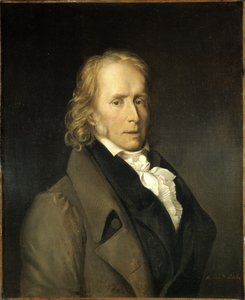
Жан-Жозеф Бенджамин-Констан
1845 - 1902 , Франция
Основные сведения
- Artistic Movement Or Style: Ориентализм, Академизм
- Artists Or Movements Influenced By This Artist:
- Рубенс
- Ватто
- Artists Who Influenced This Artist:
- Делакруа
- Кабанель
- Date Of Birth: 10 июня 1845 г.
- Date Of Death: 26 мая 1902 г.
- Full Name: Jean-Joseph Benjamin-Constant
- Nationality: Француз
- Notable Artworks:
- Последние повстанцы
- Справедливость в хареме
- Марокканские пленники
- Вход Мухаммеда II
- Place Of Birth: Париж, Франция
Похожие статьи
The Allure of the Exotic: Orientalism in 19th-Century Art
Explore the captivating world of 19th-century Orientalist art! Discover iconic painters like Gérôme & Benjamin-Constant, key themes, and collecting insights. Expert analysis at ArtsDot.
Émile Jean Horace Vernet: Romantic Realism & Depicting 19th-Century Life
Explore the life & art of Émile Jean Horace Vernet, a master of Romantic Realism. Discover his captivating battle scenes, portraits, and Orientalist works – a window into 19th-century France. Learn about his techniques & enduring legacy.
Jean-Léon Gérôme: Academic Rigor & Orientalist Visions Shaping 19th-Century French Painting
Explore the captivating world of Jean-Léon Gérôme, a master of 19th-century academic painting & orientalism. Discover his historical works, artistic techniques, and lasting influence on art history.
Carl Haag: Orientalist Visions & Victorian Spirituality in Watercolor
Explore the captivating Orientalist paintings of Carl Haag (1820-1915). Discover his detailed watercolors, Victorian landscapes & spiritual themes. Expert insights for collectors and art enthusiasts at ArtsDot.
Beyond Exoticism: Unveiling the Complex Legacy of Orientalist Painting
Explore the fascinating & complex world of Orientalist painting! Discover its history, key artists like Gérôme & Lewis, and Edward Said's influential critique. Uncover nuance beyond stereotypes with ArtsDot.