

 Предпросмотр
 Поделиться
 Поделиться
 Детали произведения

 Скачать
 Похожие работы
 Рентгенография
 Слайд-шоу
 Статистика
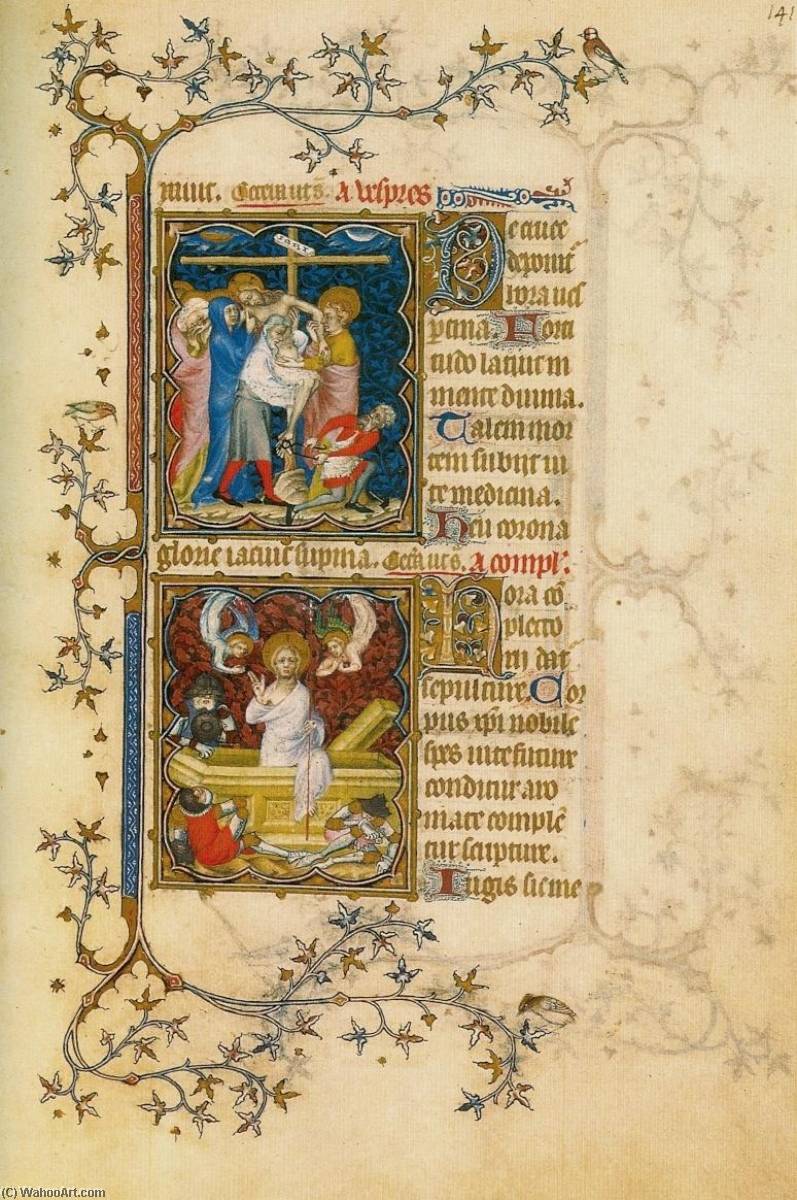
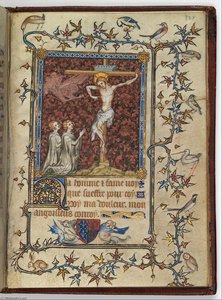
Miniature from Petites Heurs du Duc Jean de Berry


 Читать далее
Жикле / Арт-принт
Печать (жикле) или холст музейного качества с быстрыми сроками изготовления и широким выбором вариантов отделки. ( Купить картину ручной работы Перейти к цифровым изображениям)




































Выберите один из наших стандартных размеров, соответствующих оригинальным пропорциям произведения искусства.

Вы можете указать свои собственные размеры, чтобы репродукция идеально подошла под конкретную раму или пространство. Если выбранный вами размер не будет соответствовать пропорциям оригинала, мы либо обрежем произведение, либо дополним изображение зеркальным отражением краев или однотонной заливкой. Перед началом производства вам будет отправлен цифровой макет для утверждения.
Пожалуйста, обратите внимание, что предварительный просмотр на экране не отображает фактическую обрезку или расширение изображения. Только макет точно покажет финальную композицию.
Несмотря на возможность заказа индивидуальных размеров, мы рекомендуем выбирать размер из предопределенного списка, чтобы сохранить оригинальные пропорции.
Доставка по всему миру () за 2 недели вместо стандартных 4/5 недель. (13 Сентябрь)

Бесплатная экспресс-доставка по всему миру

Высококачественный льняной холст

Полное страхование доставки

Гарантия возмещения таможенных пошлин

Гарантия точного соответствия цветов

100-дневная политика возврата (только при обнаружении дефектов)

Гарантия возврата 100% средств

Предложение оптовых скидок
 Вариант со стеклом доступен только для размеров менее 110 см

Miniature from Petites Heurs du Duc Jean de Berry
Жикле / Арт-принт
Размер репродукции
-


Итоговая стоимость
$ 62
Похожие произведения



Биография художника
Jean Le Noir: Shadow and Light in Medieval Paris
The name Jean Le Noir – “John the Black” – evokes a certain mystery, hinting at both the artist’s appearance and the somber beauty of his illuminated manuscripts. Active primarily during the latter half of the 14th century in the heart of Parisian art, Jean Le Noir stands as a pivotal figure in the evolution of French manuscript illumination, bridging the stylistic legacy of Jean Pucelle with the burgeoning naturalism that would define the Gothic era. His work, particularly the celebrated Psalter of Bonne de Luxembourg and the Petites Heurs du Duc Jean de Berry, offers a rare glimpse into the devotional practices and artistic sensibilities of a wealthy elite seeking spiritual solace within their own homes.
Born around 1335 in Paris, Jean Le Noir’s early life remains shrouded in relative obscurity. He emerged as an illuminator during a period of immense artistic flourishing, inheriting a tradition deeply rooted in the meticulous craftsmanship and symbolic richness of Pucelle’s workshop. Pucelle, a master of the preceding generation, had established a highly stylized approach – characterized by elegant lines, idealized figures, and a focus on conveying religious narratives with clarity and precision. Le Noir initially served Yolande of Flanders, Duchess of Bar, receiving a royal commission that marked his entry into the professional world. This early patronage provided him with valuable experience and access to materials, laying the foundation for his subsequent career.
The Psalter of Bonne de Luxembourg: A Masterpiece of Stylized Devotion
Perhaps Jean Le Noir’s most enduring legacy is the Psalter of Bonne de Luxembourg, a lavishly illustrated book of Psalms commissioned around 1348-1349 by Bonne de Luxembourg, wife of Philip IV, Count of Flanders. This work represents a culmination of Pucelle's influence while simultaneously introducing subtle shifts in artistic approach. The manuscript is replete with intricate details – vibrant blues and reds dominate the palette, alongside gold leaf that catches the light and elevates the imagery. The scenes are rendered with a remarkable degree of elegance, yet Le Noir subtly departs from Pucelle’s rigid formalism by incorporating elements of naturalism, particularly in the depiction of drapery and facial expressions.
Notable within this Psalter is the iconic image of Christ's Crucifixion. The composition is densely packed with figures – Jesus at the center, surrounded by his disciples, Roman soldiers, and even a young boy fleeing the scene. The figures are rendered in a highly stylized manner, yet Le Noir imbues them with a sense of emotional intensity rarely seen in earlier works. The use of halos around the heads of the central figures—Jesus and his disciples—underscores their divine status, while the dramatic lighting and dynamic composition draw the viewer’s eye to the heart of the narrative.
The Petites Heurs du Duc Jean de Berry: A Shift Towards Naturalism
Following his work on the Psalter of Bonne de Luxembourg, Jean Le Noir continued to serve prominent patrons, including the Duke of Berry. The *Petites Heurs du Duc Jean de Berry* (Small Hours of the Duke John of Berry), created between 1376 and 1380, showcases a further evolution in his style. Compared to the Psalter, this manuscript exhibits a greater emphasis on naturalistic detail – particularly in the rendering of foliage, drapery, and human anatomy. The figures are less idealized, possessing more individual characteristics and conveying a wider range of emotions.
The *Petites Heurs* also demonstrate Le Noir’s growing mastery of perspective and spatial relationships. While still adhering to the conventions of medieval illumination, he introduces subtle elements that create a sense of depth and realism. The depiction of the Betrayal of Christ on the Mount of Olives, for example, is particularly noteworthy for its dynamic composition and carefully orchestrated arrangement of figures. The miniature captures a pivotal moment in the Passion narrative, conveying both the drama of the event and the emotional turmoil experienced by those involved.
Legacy and Influence
Jean Le Noir’s contribution to French manuscript illumination cannot be overstated. He skillfully inherited the stylistic traditions of Pucelle while simultaneously pushing the boundaries of artistic expression. His work exemplifies the transition from a highly stylized, symbolic approach to a more naturalistic style that would characterize much of Gothic art. His meticulous attention to detail, his masterful use of color and gold leaf, and his ability to convey religious narratives with both clarity and emotional depth ensured his place as one of the most important illuminators of his time.
Though relatively few works definitively attributed solely to Le Noir survive, his influence can be seen in the work of numerous contemporary artists. His legacy continues to inspire admiration for his skill, artistry, and profound understanding of the spiritual significance of illuminated manuscripts – a testament to a master craftsman who brought light and shadow to the pages of medieval books.
jean le noir
1380
Основные сведения
- Artistic Movement Or Style: Illuminator
- Artists Or Movements Influenced By This Artist: ['Bourgot Le Noir']
- Artists Who Influenced This Artist: ['Jean Pucelle']
- Date Of Birth: 1335-1380
- Date Of Death: 1380
- Full Name: Jean Le Noir
- Nationality: French
- Notable Artworks:
- Psalter of Bonne de Luxembourg
- Hours of Jeanne de Navarre
- Place Of Birth: Paris, France