

 Предпросмотр
 Поделиться
 Поделиться
 Детали произведения

 Скачать
 Похожие работы
 Рентгенография
 Слайд-шоу
 Статистика
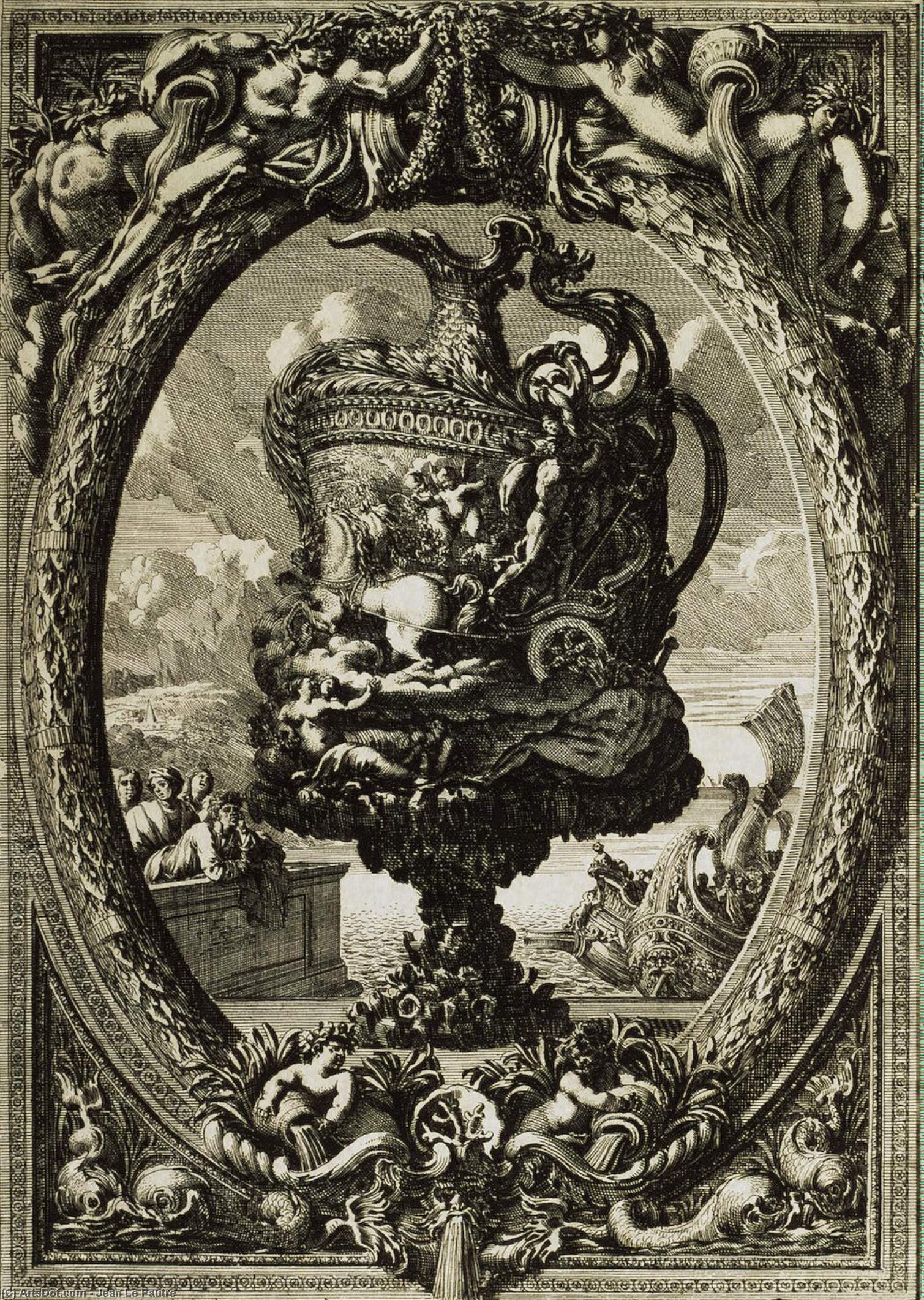
Vase in a Cartouche
 Baroque Dramatic Visions
 1645
1645 414.0 x 312.0 cm
 Эрмитаж
 Читать далее
Приобретите цифровое изображение высокого разрешения в улучшенном качестве, которое значительно превосходит онлайн-превью.
Каждый файл тщательно подготавливается нашими специалистами с использованием передовых инструментов и экспертной ручной ретуши. Мы гарантируем исключительную четкость, точную цветопередачу и детальную проработку каждого изображения.
Финальный файл доставляется по электронной почте в течение 72 часов и оптимизирован для немедленного использования в профессиональной среде, при верстке и печати. Это тот же уровень качества, которому доверяют ведущие дизайнерские студии, издательства и галереи.
Цифровое изображение
Скачайте файл высокого разрешения для личного использования, печати и творческих проектов. ( Перейти к печати Купить картину ручной работы)
Включено в каждый заказ цифровых изображений
Гарантия экспертной цифровой доставки
Выбирая ArtsDot.com, вы получаете не просто изображение — вы приобретаете профессионально обработанное цифровое произведение искусства, созданное с безупречной точностью и под защитой гарантии качества. Вот всё, что автоматически входит в ваш заказ:

Мгновенная доставка по e-mail
Ваш цифровой файл в высоком разрешении будет отправлен вам по электронной почте в течение 72 часов после оформления заказа — и сразу станет доступен для использования.

Цифровой файл с ИИ-улучшением
Ваше произведение искусства проходит профессиональную оптимизацию с использованием передовых инструментов ИИ и ручной обработки, что гарантирует максимальную детализацию, четкость и точность цветопередачи.

Бессрочная бесплатная повторная доставка
Случайно удалили или потеряли файл? Не беспокойтесь — мы отправим его вам повторно в любое время и совершенно бесплатно.

Без импортных пошлин — навсегда
Наслаждайтесь вашим произведением искусства мгновенно без таможенных пошлин, сборов или затрат на доставку — цифровые загрузки всегда не облагаются налогом.

Гарантия точности цветопередачи
Мы гарантируем, что ваше цифровое изображение максимально точно передает оригинальные цвета благодаря использованию профессиональных инструментов и систем управления цветом.

Гарантия удовлетворенности 100 дней
Если вы не будете удовлетворены своим цифровым изображением, мы внесем правки или вернем 100% стоимости в течение 100 дней — без лишних вопросов.

100% Гарантия возврата средств
Не удовлетворены покупкой? Получите полный возврат средств в течение 100 дней после получения цифрового файла — без лишних вопросов.

Скидки на оптовые заказы
Купите 3 изображения, сэкономьте 10% — Купите 5, сэкономьте 15% — Купите 10+, сэкономьте 20%. Отличное решение для творческих проектов, галерей и агентств.
A Masterpiece Captured in Monochrome
Jean Le Pautre’s “Vase in a Cartouche,” executed in 1645, stands as a testament to the artistic fervor of the French Baroque period. This etching, measuring 414 x 312 cm and housed within The Hermitage Museum in St. Petersburg, transcends mere visual representation; it embodies the spirit of opulent grandeur and intellectual contemplation that defined the era’s aesthetic sensibilities.
The artwork depicts a meticulously crafted vase at its core—a focal point surrounded by figures engaged in quiet observation. These individuals are positioned with careful consideration, creating a dynamic interplay between foreground and background elements. Complementing the central vase is another smaller vessel situated on the right side of the composition, adding to the richness of visual detail.
Technique & Style: The Precision of Baroque Etching
Le Pautre’s skill as a sculptor—evident in his masterful handling of stone and bronze—found its expression in etching, a technique favored by artists during this period. The artist skillfully utilized acid to incise lines onto copper plates, transferring the image onto paper with remarkable accuracy. This process allowed for nuanced tonal variations and exceptional detail, capturing the textures and contours of the vase and its surroundings with breathtaking precision.
The monochrome palette—characteristic of etching—intensifies the artwork’s dramatic impact. Without the distraction of color, Le Pautre focuses on conveying form and light, emphasizing the sculptural qualities of the composition. The etching's crisp lines contribute to a sense of clarity and composure, mirroring the intellectual ideals prevalent in Baroque art.
Historical Context & Symbolic Resonance
Created during Louis XIV’s reign—a period marked by royal patronage and artistic ambition— “Vase in a Cartouche” reflects the broader cultural landscape of France. The Baroque style prioritized grandeur, emotion, and illusionistic effects, aiming to inspire awe and elevate the viewer's experience. Le Pautre’s work aligns with this tradition, demonstrating an understanding of how art could communicate complex ideas about beauty, contemplation, and spiritual significance.
The inclusion of a boat in the lower left corner and a bowl near the center-left adds to the scene’s narrative depth. These elements likely served as symbolic references—perhaps representing voyages of discovery or conveying notions of abundance and harmony—further enriching the artwork's layered meaning.
A Legacy of Elegance & Detail
“Vase in a Cartouche” remains an enduring symbol of Baroque artistry, showcasing Le Pautre’s unparalleled ability to translate sculptural principles into printmaking. Its meticulous execution and evocative composition continue to captivate audiences today, offering a glimpse into the artistic sensibilities of a bygone era. As a hand-painted reproduction on canvas by our master artists utilizing the finest quality oil paints on artist grade cotton canvas, it embodies the spirit of timeless beauty.
Похожие произведения
Биография художника
Jean Le Pautre: A Sculptor of Dramatic Baroque Visions
Jean Le Pautre (1618 – 1682) stands as a pivotal figure in the French Baroque artistic landscape, embodying the grandeur and emotional intensity characteristic of the era. Born in Paris amidst the burgeoning intellectual fervor of his time, Le Pautre’s career unfolded primarily in Rome, where he established himself as one of the foremost sculptors of his generation—a testament to his exceptional talent and unwavering dedication to mastering the craft. While biographical details remain somewhat sparse compared to contemporaries like Bernini or Caravaggio, surviving documentation reveals a man deeply committed to religious patronage and driven by an ambition to convey profound spiritual narratives through monumental sculpture.- Early Life & Training: Le Pautre’s formative years were spent honing his skills under the tutelage of Nicolas Frémiet, a renowned sculptor who instilled in him a foundational understanding of classical principles alongside Baroque dynamism. This dual influence would prove crucial to shaping Le Pautre's artistic vision—a synthesis of humanist ideals and theatrical expression.
- Roman Period & Patronage: Moving to Rome around 1640, Le Pautre quickly gained recognition for his ambitious projects undertaken at the behest of influential papal clients. He collaborated extensively with the Jesuits and Dominicans, crafting breathtaking sculptures that adorned churches throughout the city—most notably the Chapel of Saint Agnes in Piazza Navona, where he executed a monumental altarpiece depicting Saint Agnes’ martyrdom.
- Notable Works: Le Pautre's oeuvre is marked by an unparalleled command of sculptural technique and a masterful ability to evoke emotion. Among his most celebrated achievements are “Performance of Alceste,” a dramatic depiction of the mythological tale, showcasing exceptional anatomical accuracy and expressive dynamism—a hallmark of Baroque sculpture. Similarly impressive is "The Festivities of Cupid and Bacchus," a monumental group portraying deities engaged in exuberant celebration, demonstrating Le Pautre’s mastery of composition and sculptural virtuosity.
- Influence & Legacy: Le Pautre's influence extended beyond his immediate commissions; he served as an instructor at the Accademia di Belle Arti di Roma, nurturing the talents of subsequent generations of sculptors. His commitment to anatomical realism combined with Baroque theatricality established him as a precursor to artists like Gian Lorenzo Bernini—a sculptor who would elevate Le Pautre’s stylistic innovations to unparalleled heights.
Technique & Artistic Style: Embracing Dramatic Expression
Le Pautre's sculptural style exemplifies the core tenets of Baroque art – an obsession with dynamism, emotion, and theatrical grandeur. Unlike the idealized forms favored by Mannerism, Le Pautre prioritized conveying psychological depth and dramatic narrative through meticulously crafted figures imbued with palpable energy. He skillfully employed techniques such as contrapposto—a pose characterized by weight distribution asymmetry—to achieve a sense of movement and counterbalance within his sculptures. Furthermore, he utilized polished marble to heighten visual impact and illuminate the contours of his forms, creating surfaces that shimmered with light and accentuated sculptural detail. The artist’s meticulous attention to anatomical accuracy was particularly noteworthy, reflecting the humanist tradition championed by Renaissance scholars while simultaneously embracing Baroque theatricality.Engraving & Artistic Diffusion: Expanding Le Pautre's Reach
Beyond monumental sculpture, Jean Le Pautre achieved considerable renown as an engraver—a skill that significantly broadened his artistic reach and ensured the dissemination of his stylistic innovations throughout Europe. His engravings, often commissioned by aristocratic patrons, captured scenes from mythology and biblical narratives with remarkable precision and expressive force. These prints served not only as decorative objects but also as vehicles for disseminating Le Pautre’s sculptural aesthetic to a wider audience—contributing to the establishment of Baroque artistic conventions across continental Europe. The engraving "Brécourt," exemplifies his ability to translate sculptural concepts into print, demonstrating a masterful understanding of tonal shading and textural detail.Historical Context & Significance: Reflecting the Spirit of Louis XIV
Le Pautre’s artistic output coincided with the ascendancy of Louis XIV in France—a period characterized by opulent royal patronage and an unwavering commitment to elevating French art to unparalleled levels of grandeur. The King recognized Le Pautre's talent and commissioned numerous sculptures for Versailles, solidifying his position as one of the foremost artists of his time. His work embodies the Baroque spirit—a fervent belief in divine providence coupled with a celebration of human achievement—reflecting the broader cultural ethos of Louis XIV’s reign. Le Pautre’s legacy extends beyond individual masterpieces; he represents an enduring symbol of French Baroque artistic excellence and continues to inspire admiration for his sculptural prowess and stylistic innovation.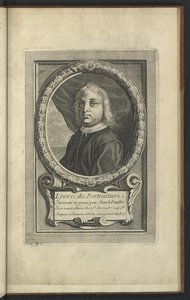
jean le pautre
1618 - 1682 , France
Основные сведения
- Artistic Movement Or Style: Baroque Sculpture
- Artists Or Movements Influenced By This Artist: ['Daniel Marot']
- Date Of Birth: Paris, France (1618)
- Date Of Death: 1682
- Full Name: Jean Le Pautre
- Nationality: French
- Notable Artworks:
- The Festivities of Cupid and Bacchus
- Performance of Alceste in 1674
- Place Of Birth: Paris