

 Предпросмотр
 Поделиться
 Поделиться
 Детали произведения

 Скачать
 Похожие работы
 Рентгенография
 Слайд-шоу
 Статистика
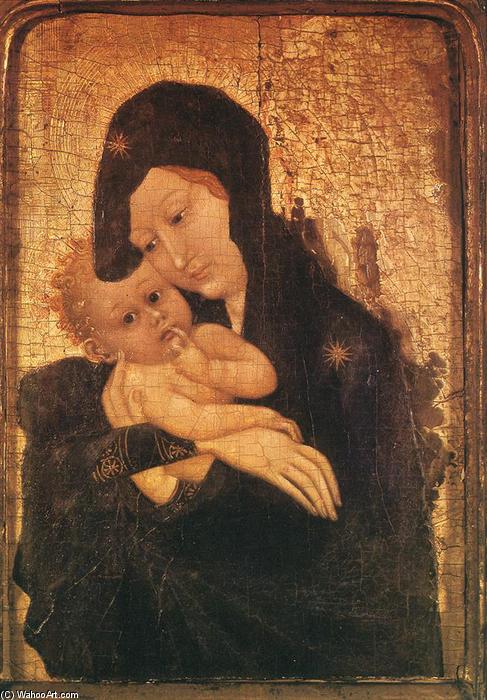
Virgin and Child


 Читать далее
Приобретите цифровое изображение высокого разрешения в улучшенном качестве, которое значительно превосходит онлайн-превью.
Каждый файл тщательно подготавливается нашими специалистами с использованием передовых инструментов и экспертной ручной ретуши. Мы гарантируем исключительную четкость, точную цветопередачу и детальную проработку каждого изображения.
Финальный файл доставляется по электронной почте в течение 72 часов и оптимизирован для немедленного использования в профессиональной среде, при верстке и печати. Это тот же уровень качества, которому доверяют ведущие дизайнерские студии, издательства и галереи.
Цифровое изображение
Скачайте файл высокого разрешения для личного использования, печати и творческих проектов. ( Перейти к печати Купить картину ручной работы)
Включено в каждый заказ цифровых изображений
Гарантия экспертной цифровой доставки
Выбирая ArtsDot.com, вы получаете не просто изображение — вы приобретаете профессионально обработанное цифровое произведение искусства, созданное с безупречной точностью и под защитой гарантии качества. Вот всё, что автоматически входит в ваш заказ:

Мгновенная доставка по e-mail
Ваш цифровой файл в высоком разрешении будет отправлен вам по электронной почте в течение 72 часов после оформления заказа — и сразу станет доступен для использования.

Цифровой файл с ИИ-улучшением
Ваше произведение искусства проходит профессиональную оптимизацию с использованием передовых инструментов ИИ и ручной обработки, что гарантирует максимальную детализацию, четкость и точность цветопередачи.

Бессрочная бесплатная повторная доставка
Случайно удалили или потеряли файл? Не беспокойтесь — мы отправим его вам повторно в любое время и совершенно бесплатно.

Без импортных пошлин — навсегда
Наслаждайтесь вашим произведением искусства мгновенно без таможенных пошлин, сборов или затрат на доставку — цифровые загрузки всегда не облагаются налогом.

Гарантия точности цветопередачи
Мы гарантируем, что ваше цифровое изображение максимально точно передает оригинальные цвета благодаря использованию профессиональных инструментов и систем управления цветом.

Гарантия удовлетворенности 100 дней
Если вы не будете удовлетворены своим цифровым изображением, мы внесем правки или вернем 100% стоимости в течение 100 дней — без лишних вопросов.

100% Гарантия возврата средств
Не удовлетворены покупкой? Получите полный возврат средств в течение 100 дней после получения цифрового файла — без лишних вопросов.

Скидки на оптовые заказы
Купите 3 изображения, сэкономьте 10% — Купите 5, сэкономьте 15% — Купите 10+, сэкономьте 20%. Отличное решение для творческих проектов, галерей и агентств.
Artistic Style and Influences
Jean Malouel's work is characterized by its use of earth tones, intricate patterns, and elongated figures, all hallmarks of the Gothic style. The painting's golden background and the Virgin's dark blue cloak create a striking contrast, drawing the viewer's eye to the central figures. The naturalistic depiction of the baby Jesus, with his rosy cheeks and curly hair, adds a touch of warmth and humanity to the piece. Key Features of the painting include:- The use of tempera on panel, which allows for fine details and textures
- The intricate patterns on the Virgin's cloak, showcasing Jean Malouel's mastery of decorative art
- The soft, golden light that illuminates the scene, creating a sense of serenity and peace
Historical Context and Significance
The "Virgin and Child" painting is not only a beautiful work of art but also an important example of Gothic art from the 15th century. For more information on similar artworks, visit Jean Malouel's "Virgin and Child" page on ArtsDot.com or explore the Museum Cheshunt Foundation collection. BR> To learn more about other artists and their works, such as Joos Van Wassenhove (Giusto Da Guanto)'s "St Augustine" or Melchior Broederlam's "The Visitation (detail)", visit the ArtsDot.com website. For a deeper understanding of the artistic movements and styles, refer to Wikipedia.org articles on Gothic art and tempera painting techniques. BR> In conclusion, Jean Malouel's "Virgin and Child" is a captivating piece that showcases the artist's skill and attention to detail. Its beauty and historical significance make it a must-see for art enthusiasts and scholars alike.Похожие произведения







Биография художника
A Life at the Burgundian Court
Jean Malouel, or Jan Maelwael as he was known in his native Netherlands, occupies a fascinating, pivotal position in the transition from Gothic to Renaissance art. Born around 1375 in Nijmegen, a city then part of the Duchy of Guelders, his life unfolded against the backdrop of burgeoning artistic patronage and shifting cultural currents. He wasn’t merely a painter; he was a courtier, an innovator, and a key figure in establishing the Burgundian court as a center of artistic excellence. The seeds of his artistry were sown within a family tradition – both his father, Willem Maelwael, and an uncle practiced the craft, providing young Jan with early training and exposure to the workshop environment. By 1382, records indicate he was already actively working as an artist, demonstrating a precocious talent that would soon draw him into the orbit of powerful patrons.From Paris to Dijon: Ascending Through Royal Circles
Malouel’s career took its first significant turn in 1396-97 when he found himself working in Paris, tasked with painting armorial decorations for Isabelle of Bavaria, the Queen of France. This commission wasn't simply about heraldry; it was an introduction to the world of royal commissions and a demonstration of his skill in detailed, decorative work. However, it was his move to Dijon in 1397 that truly cemented his destiny. He succeeded Jean de Beaumetz as court painter to Philip the Bold, Duke of Burgundy, a position he held with distinction until his death. This appointment wasn’t merely a job; it came with the prestigious rank of *valet de chambre*, signifying his close proximity to the Duke and his importance within the Burgundian household. His salary reflected this esteem, exceeding that of even renowned sculptors like Claus Sluter, underscoring the value Philip placed on Malouel's artistic abilities. A brief return to Nijmegen in 1405 allowed him to marry Heilwig van Redinchaven before he resumed his duties at the Burgundian court, a testament to his commitment to both family and patronage.Master of Innovation: Style and Major Works
Malouel’s artistic style is firmly rooted in the International Gothic tradition – characterized by elegant figures, rich colors, and meticulous detail. Yet, within this framework, he demonstrated a forward-thinking approach, particularly in his adoption of glazing techniques that foreshadowed the innovations of oil painting pioneered later by Jan van Eyck. His most celebrated work, the Pietà Tondo (Louvre), is considered a landmark achievement – arguably the first true tondo of the Renaissance. This circular composition, with its depiction of the Virgin Mary cradling the body of Christ, blends Northern European and Sienese artistic influences into a harmonious whole. The use of glazing lends a remarkable luminosity to the scene, enhancing its emotional impact. Other significant works attributed to him include the Martyrdom of St Denis Altarpiece (Louvre), though authorship is debated, with some scholars believing Henri Bellechose completed it after Malouel’s death. The *Portrait of Philip the Bold*, while only surviving in later copies, was highly esteemed during its time and served as a model for subsequent depictions of the Duke. His Virgin and Child (Berlin Gemäldegalerie), believed to be part of a diptych with a portrait of John the Fearless, represents an early example of this increasingly popular format.A Lasting Legacy: Bridging Eras
Jean Malouel’s influence extended beyond his own paintings. He played a crucial role in introducing the Limbourg brothers – Herman, Paul, and Johan – to Philip the Bold's service around 1400. This introduction proved transformative for the brothers, launching their careers as celebrated manuscript illuminators and significantly impacting the artistic landscape of the Burgundian court. Malouel’s commissions within the palaces were numerous, and his work on projects like the Well of Moses, sculpted by Claus Sluter, demonstrated his collaborative spirit and mastery of decorative techniques. He wasn't simply executing designs; he was actively shaping the visual identity of the Burgundian court. While uncertainties surrounding attribution continue to fuel scholarly debate regarding the full extent of his *oeuvre*, Malouel’s contributions to the artistic landscape of the late Middle Ages are undeniable. He stands as a pivotal figure, bridging the gap between the refined elegance of Gothic art and the burgeoning naturalism that would define the Renaissance, leaving an indelible mark on the history of European painting.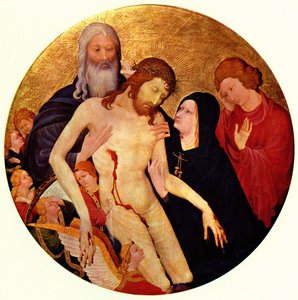
Jean Malouel
1375 - 1415