


 Предпросмотр
 Поделиться
 Поделиться
 Детали произведения

 Скачать
 Похожие работы
 Рентгенография
 Слайд-шоу
 Статистика
Marie-Agnes Gillot


 Читать далее
Масляная репродукция ручной работы
Картина маслом на холсте в выбранном вами размере и раме, написанная на заказ нашими художниками. ( Перейти к печати Перейти к цифровым изображениям)




P118B $10

P118H $10

P118W $10

P438Z $10

P508JH $12

P508YH $12

P805H $10

P805Z $10

P919BZ $10

P919G $10

P919XJ $10

P959ZH $10

P968JZ $12

W106C $8

W218G $10

W218JH $8

W218Y $10

W307PJ $10

W316G $10

W316PJ $8

W316Y $10

W398PJ $8

W4111J $10

W500HY $15

W500JH $15

W692G $12

W849H $8

W940BG $15

W953PJ $8




Выберите один из наших стандартных размеров, соответствующих оригинальным пропорциям произведения искусства.

Вы можете указать собственные размеры, чтобы картина идеально вписалась в выбранную раму или пространство. Если выбранный вами размер не соответствует пропорциям оригинала, мы либо обрежем полотно, либо расширим его за счет дополнительных элементов, написанных вручную. Цифровой макет будет отправлен вам на утверждение перед началом производства.
Обратите внимание, что предварительный просмотр на экране не отражает фактическую обрезку или расширение. Только макет точно покажет окончательную композицию.
Хотя доступны индивидуальные размеры, мы рекомендуем выбирать вариант из предопределенного списка, чтобы сохранить исходные пропорции.
После оформления заказа команда ArtsDot.com свяжется с клиентом по электронной почте для уточнения деталей и предоставит предварительный макет
Доставка по всему миру () за 3–4 недели вместо стандартных 5 недель. (12 Сентябрь). Без компромиссов в качестве.

Бесплатная экспресс-доставка по всему миру

Высококачественный льняной холст

Полное страхование доставки

Гарантия возмещения таможенных пошлин

Гарантия точного соответствия цветов

100-дневная политика возврата (только при обнаружении дефектов)

Гарантия возврата 100% средств

Предложение оптовых скидок
 Вариант со стеклом доступен только для размеров менее 110 см

Marie-Agnes Gillot
Техника репродукции
Размер репродукции
-


Итоговая стоимость
$ 263
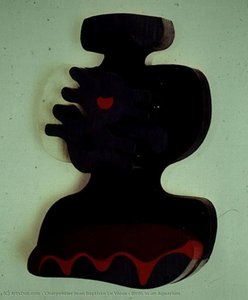
Marie-Agnes Gillot - Jean Marie Le Bris: A Pioneer of Breton Aviation
Jean Marie Le Bris (1817-1872), affectionately known as Yann Vari Ar Briz in Breton, stands as a remarkable figure in the annals of aeronautical history – specifically, the nascent stages of French aviation. Born in Concarneau, Brittany, he wasn’t merely an inventor; he was a passionate dreamer who dared to defy gravity and transform theoretical concepts into tangible machines. His legacy resides not just in constructing rudimentary gliders but in embodying the spirit of experimentation and unwavering belief in human ingenuity during a period when powered flight remained firmly beyond reach. Early Life & Education: Le Bris’s formative years were steeped in Breton culture, fostering an appreciation for craftsmanship and observation of natural phenomena – qualities that would undoubtedly inform his later endeavors. He possessed a keen intellect and a fascination with the natural world, nurtured by his upbringing amidst the rugged coastline of Brittany. This inquisitive spirit would prove invaluable as he embarked on his ambitious pursuit of flight. The Birth of Aviation Dreams: Driven by a fascination with Jules Verne's novels – particularly “Twenty Thousand Leagues Under the Sea” – Le Bris envisioned a future where humans could soar through the skies like birds. Verne’s imaginative tales ignited his imagination and instilled in him a conviction that overcoming gravity was achievable, propelling him toward groundbreaking research into aerodynamics and aeronautical engineering. He meticulously studied the flight patterns of seabirds, analyzing their wing movements and understanding how air currents influenced their trajectory—a foundational step towards replicating avian locomotion. The First Glider: Le Bris’s relentless determination culminated in the construction of two pioneering glider aircraft. The “Winged Boat,” his initial design, represented a bold leap forward from existing attempts at flight, utilizing a cart propelled by horses to elevate its gondola above the ground. Launched on Sainte-Anne-la-Palud beach in 1856, this remarkable feat captured the imagination of onlookers and cemented Le Bris’s place as France's first aviator. Despite encountering challenges during subsequent trials—including a crash resulting in a fractured leg—Le Bris persevered, demonstrating unwavering resilience and dedication to his visionary ambition. A Second Effort: Undeterred by setbacks, Le Bris continued his research and experimentation, culminating in the creation of “L’Albatros,” a more sophisticated glider equipped with innovative flight control mechanisms designed to manipulate wing incidence. Tested at Brest’s artillery polygon in 1868, this aircraft achieved notable success, demonstrating stable gliding capabilities and capturing photographic documentation by Benjamin Charles Pépin—a pivotal moment in aviation history. The Albatros's meticulous construction showcased Le Bris’s mastery of engineering principles and solidified his reputation as a visionary innovator. Symbolism & Legacy: Le Bris’s work transcends mere mechanical achievement; it embodies the spirit of Romantic idealism – a belief that humanity could transcend limitations through scientific inquiry and artistic expression. His gliders served as tangible embodiments of this ethos, symbolizing aspiration, courage, and the pursuit of knowledge beyond conventional boundaries. Jean Marie Le Bris remains an enduring inspiration to aspiring inventors and artists alike, reminding us that audacious dreams—fueled by observation, experimentation, and unwavering conviction—can reshape our understanding of what is possible. His contribution to aeronautical history stands as a testament to the transformative power of human curiosity and determination.Похожие произведения





Биография художника
Jean Marie Le Bris: Pioneer of Breton Aviation
Jean Marie Le Bris (1817-1872), affectionately known as Yann Vari Ar Briz in Breton, stands as a remarkable figure in the annals of aeronautical history – specifically, the nascent stages of French aviation. Born in Concarneau, Brittany, he wasn’t merely an inventor; he was a passionate dreamer who dared to defy gravity and transform theoretical concepts into tangible machines. His legacy resides not just in constructing rudimentary gliders but in embodying the spirit of experimentation and unwavering belief in human ingenuity during a period when powered flight remained firmly beyond reach.- Early Life & Education: Le Bris’s formative years were steeped in Breton culture, fostering an appreciation for craftsmanship and observation of natural phenomena – qualities that would undoubtedly inform his later endeavors.
- The Birth of Aviation Dreams: Driven by a fascination with Jules Verne's novels and fueled by the burgeoning excitement surrounding aeronautical advancements elsewhere in Europe, Le Bris began to contemplate the possibility of achieving sustained flight. This ambition wasn’t simply whimsical; it stemmed from a deep understanding of aerodynamics and mechanics.
Construction of Early Gliders – A Breton Innovation
Le Bris's groundbreaking contribution to aviation materialized in his meticulous construction of two glider aircraft—remarkable achievements considering the technological limitations of the time. These weren’t mere toys; they were painstakingly crafted machines designed according to principles gleaned from scientific observation and practical experimentation. His first glider, completed in late 1856, achieved a notable flight duration, marking him as one of the earliest pioneers of powered flight.Influences & Theoretical Foundations
Le Bris’s inventive spirit wasn't born in isolation. He drew inspiration from prominent thinkers and inventors of his era, including Jules Verne, whose imaginative tales captivated the public imagination and spurred scientific curiosity. Furthermore, he diligently studied the aerodynamic theories championed by George Cayley—considered the “father of aeronautics”—recognizing the importance of harnessing airflow to generate lift.Achievements & Recognition
Though Le Bris’s glider flights garnered limited publicity during his lifetime, they nonetheless cemented his place in aviation history. His unwavering dedication to pursuing audacious ideas—coupled with his demonstrable success in overcoming engineering challenges—served as an inspiration for future generations of aeronautical innovators. While he didn't achieve the monumental breakthroughs of later aviators like Otto Lilienthal or Wilbur Wright, Le Bris’s pioneering efforts undeniably propelled the field forward.Historical Significance & Legacy
Jean Marie Le Bris represents more than just an individual inventor; he embodies the spirit of scientific inquiry and audacious ambition that characterized the Victorian age. His work foreshadowed the transformative potential of flight, demonstrating that even seemingly insurmountable obstacles could be overcome through perseverance and intellectual rigor. Today, Le Bris is remembered as a pivotal figure in the history of aviation—a Breton visionary who dared to reach for the skies and forever altered our understanding of human capability.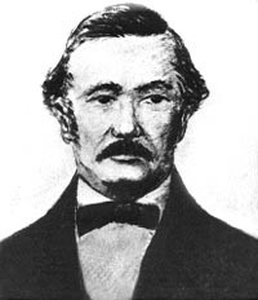
jean marie le bris
1817 - 1872 , France
Основные сведения
- Artistic Movement Or Style: Early Aviation
- Date Of Birth: 1817
- Date Of Death: 1872
- Full Name: Jean Marie Le Bris
- Nationality: French
- Notable Artworks: ['Glider Design']
- Place Of Birth: Concarnneau, France
Похожие статьи

Oil on Canvas: A Historical & Technical Exploration of a Timeless Artistic Medium
Explore the rich history & enduring techniques of oil painting on canvas. Discover the science behind its longevity, conservation practices, and contemporary relevance. Expert insights for art enthusiasts.

The Enduring Legacy of Oil on Canvas: Technique, History & Aesthetic Impact
Explore the rich history & techniques of oil painting – from Renaissance masters to Impressionism. Discover pigments, layering methods, and why this timeless medium endures. Expert insights for artists & art enthusiasts.

Mary Agnes Yerkes: A Study in American Impressionism & Atmospheric Light
Explore the captivating world of Mary Agnes Yerkes, a resilient American Impressionist painter renowned for her vibrant landscapes of the West & National Parks. Discover her unique style and enduring legacy.

The Enduring Power of Painting: A Historical & Contemporary Exploration of Form and Emotion
Explore the rich history & enduring techniques of oil painting with ArtsDot. Discover masterpieces, learn about art collecting, and find authentic handmade reproductions crafted by skilled artists.

Масляная живопись: История, техника и непреходящее наследие
Узнайте все о масляной живописи: история техники, секреты мастеров и современные тенденции. Погрузитесь в мир искусства с экспертами !