

 Предпросмотр
 Поделиться
 Поделиться
 Детали произведения

 Скачать
 Похожие работы
 Рентгенография
 Слайд-шоу
 Статистика
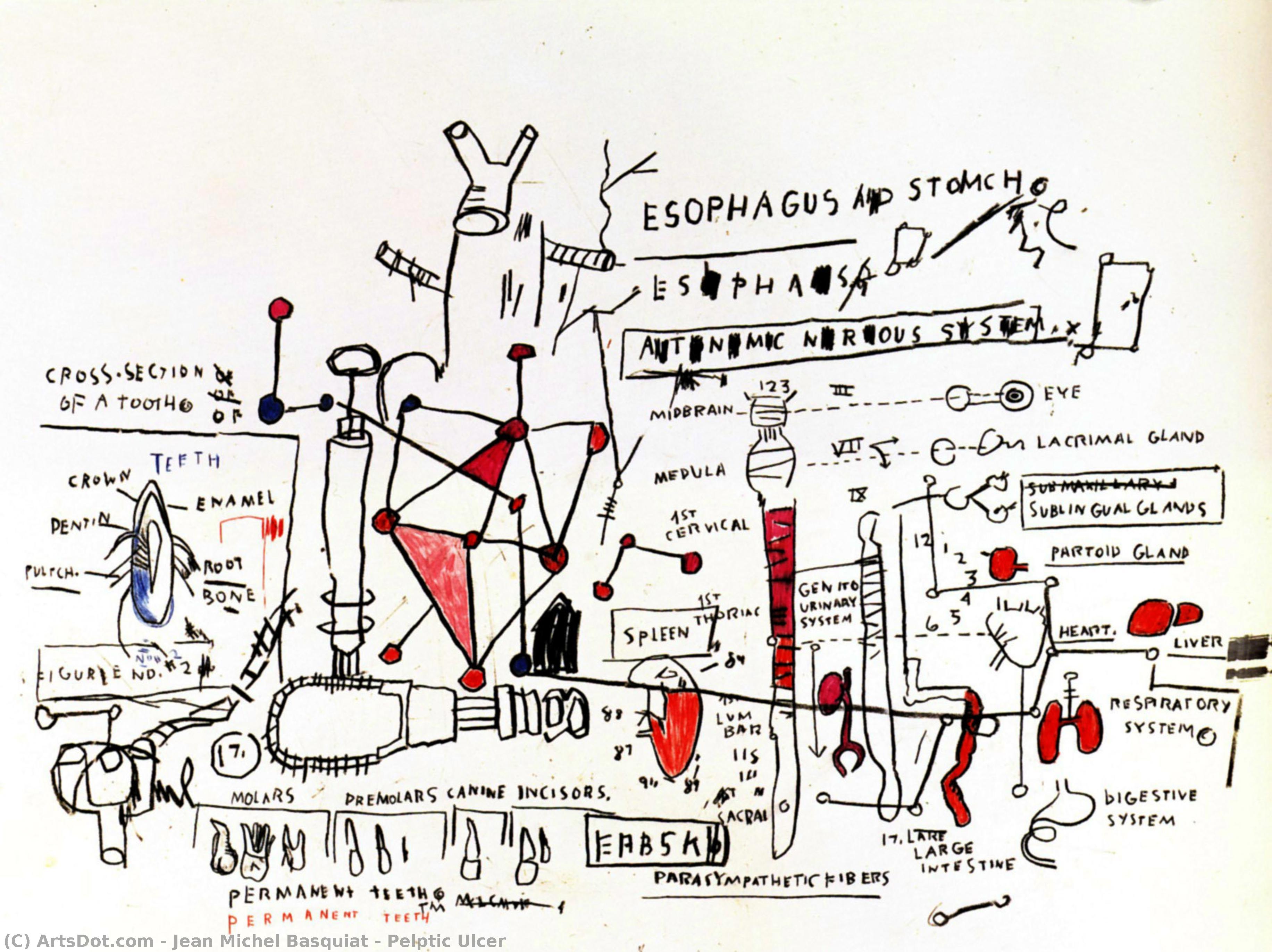
Pelptic Ulcer
 Mixed Media
- WallArt
- Neo-expressionism
 1983
1983- Contemporary
 57.0 x 77.0 cm
 Daros Collection
 Читать далее
Приобретите цифровое изображение высокого разрешения в улучшенном качестве, которое значительно превосходит онлайн-превью.
Каждый файл тщательно подготавливается нашими специалистами с использованием передовых инструментов и экспертной ручной ретуши. Мы гарантируем исключительную четкость, точную цветопередачу и детальную проработку каждого изображения.
Финальный файл доставляется по электронной почте в течение 72 часов и оптимизирован для немедленного использования в профессиональной среде, при верстке и печати. Это тот же уровень качества, которому доверяют ведущие дизайнерские студии, издательства и галереи.
Цифровое изображение
Скачайте файл высокого разрешения для личного использования, печати и творческих проектов. ( Перейти к печати Купить картину ручной работы)
Включено в каждый заказ цифровых изображений
Гарантия экспертной цифровой доставки
Выбирая ArtsDot.com, вы получаете не просто изображение — вы приобретаете профессионально обработанное цифровое произведение искусства, созданное с безупречной точностью и под защитой гарантии качества. Вот всё, что автоматически входит в ваш заказ:

Мгновенная доставка по e-mail
Ваш цифровой файл в высоком разрешении будет отправлен вам по электронной почте в течение 72 часов после оформления заказа — и сразу станет доступен для использования.

Цифровой файл с ИИ-улучшением
Ваше произведение искусства проходит профессиональную оптимизацию с использованием передовых инструментов ИИ и ручной обработки, что гарантирует максимальную детализацию, четкость и точность цветопередачи.

Бессрочная бесплатная повторная доставка
Случайно удалили или потеряли файл? Не беспокойтесь — мы отправим его вам повторно в любое время и совершенно бесплатно.

Без импортных пошлин — навсегда
Наслаждайтесь вашим произведением искусства мгновенно без таможенных пошлин, сборов или затрат на доставку — цифровые загрузки всегда не облагаются налогом.

Гарантия точности цветопередачи
Мы гарантируем, что ваше цифровое изображение максимально точно передает оригинальные цвета благодаря использованию профессиональных инструментов и систем управления цветом.

Гарантия удовлетворенности 100 дней
Если вы не будете удовлетворены своим цифровым изображением, мы внесем правки или вернем 100% стоимости в течение 100 дней — без лишних вопросов.

100% Гарантия возврата средств
Не удовлетворены покупкой? Получите полный возврат средств в течение 100 дней после получения цифрового файла — без лишних вопросов.

Скидки на оптовые заказы
Купите 3 изображения, сэкономьте 10% — Купите 5, сэкономьте 15% — Купите 10+, сэкономьте 20%. Отличное решение для творческих проектов, галерей и агентств.
The Anatomy of Anxiety: Exploring Basquiat's Raw Viscera
To stand before this piece is not merely to observe an image; it is to be immersed in a fever dream rendered in charcoal and frantic ink. Jean-Michel Basquiat’s 1983 work, "Pelptic Ulcer," assaults the senses with its sheer density of mark-making. It refuses the viewer any comfortable entry point, instead plunging them directly into the chaotic undercurrents of modern existence. The surface is a battlefield of lines—thick, thin, aggressive, and whisper-light—where anatomical diagrams collide head-on with primal scribbles. This is art stripped bare, an unfiltered outpouring that speaks volumes about the pressures of identity, illness, and societal fragmentation.
A Collision of Knowledge and Chaos
The subject matter itself is a fascinating, almost unsettling palimpsest. While the eye is immediately drawn to the crudely rendered yet meticulously labeled internal organs—the stomach, intestines, the heart—these biological studies are never presented in a detached, academic manner. Instead, they are interwoven with abstract crowns, skeletal suggestions, and repetitive textual fragments like "PERMANENT." This juxtaposition suggests that the body, the very structure of self, is under constant siege by external forces or internal anxieties. The inclusion of detailed cross-sections, such as the tooth diagram, hints at a deep engagement with scientific knowledge, yet this knowledge is rendered through the lens of raw, almost childlike urgency. It speaks to a mind grappling with complex systems—biological, social, and artistic.
Technique: The Energy of Immediate Expression
The technical execution is as vital to the piece's emotional resonance as its subject matter. Basquiat employed a technique characterized by speed and layering, suggesting materials like crayon or pastel applied with unrestrained vigor onto a light, aged ground. There is no polished finish here; the texture itself tells the story of creation—the drag of the pigment, the overlap of marks that build up strata of meaning. The lack of conventional perspective means depth is achieved not through vanishing points, but through sheer accumulation. This immediacy gives the work an undeniable kinetic energy, making it feel as if the artist stepped away mid-scream, leaving the record hanging in the air for us to discover.
Symbolism and Emotional Resonance
The emotional impact of "Pelptic Ulcer" is profoundly unsettling, yet strangely cathartic. The recurring motif of permanence juxtaposed against the fragility of organic life creates a tension that mirrors the human condition itself—our desperate desire for something lasting set against the undeniable reality of decay and change. For collectors and designers alike, this piece offers more than mere decoration; it offers conversation. It is a potent talisman of intellectual struggle, raw genius, and the beautiful messiness of being alive in the modern world. Owning such a reproduction allows one to curate an environment that acknowledges complexity, embracing the glorious imperfection that defines true artistic spirit.
Похожие произведения

Биография художника
A Brooklyn Beginning and the Rise of SAMO
Jean-Michel Basquiat erupted onto the 1980s art scene as a force of raw energy and intellectual depth, an impact that continues to resonate profoundly today. Born on December 22, 1960, in Brooklyn, New York, to a Haitian father and Puerto Rican mother, his upbringing was a vibrant tapestry woven with diverse cultures and languages—Spanish, English, and French filled his childhood home. This multilingual environment, coupled with his mother’s dedication to artistic pursuits—she enrolled him as a Junior Member of the Brooklyn Museum at age six—laid an early foundation for his creative journey. However, Basquiat's life wasn’t without hardship; a car accident at eight years old resulted in a splenectomy and a period of convalescence during which he became captivated by a copy of *Gray’s Anatomy* gifted by his mother. The book’s detailed illustrations would later profoundly influence the anatomical imagery that frequently appears in his work, becoming a haunting motif throughout his career. Before achieving recognition as a painter, Basquiat made his mark under the pseudonym SAMO, alongside friend Al Diaz. Together they covered Lower Manhattan with cryptic, poetic graffiti—epigrams challenging societal norms and questioning established power structures. These weren’t mere tags; they were thought-provoking statements that captured the spirit of the burgeoning hip-hop culture and the gritty energy of 1970s New York City. SAMO was more than just street art; it was a philosophical intervention, a visual disruption designed to provoke dialogue and challenge perceptions.Neo-Expressionism and Artistic Innovation
By the early 1980s, Basquiat transitioned from graffiti to canvas, rapidly gaining recognition within the New York art world. His paintings weren’t easily categorized; they were a unique synthesis of influences ranging from Abstract Expressionism to tribal art, comic books, and historical painting. He became a central figure in the Neo-Expressionist movement, though he resisted easy labeling. His canvases are characterized by a frenetic energy—a chaotic layering of text, symbols, figures, and colors. Basquiat’s technique was deliberately raw and improvisational, often incorporating collage, scratching, and dripping paint. He wasn't interested in technical perfection; instead, he sought to convey emotion, ideas, and social commentary with visceral immediacy. Recurring motifs—crowns, skulls, anatomical diagrams, words crossed out or repeated—became his signature visual language. The crown, perhaps his most iconic symbol, has been interpreted as a representation of aspiration, self-mythologization, and the complexities of Black identity in America. His work frequently grappled with themes of wealth versus poverty, integration versus segregation, and the internal struggles of the individual within society. Paintings like *Piscine versus the Best Hotels (or various loin)* exemplify his ability to juxtapose seemingly disparate elements—luxury and deprivation, beauty and decay—creating a powerful commentary on social inequalities. Basquiat’s art was not merely about what he depicted but how he depicted it, creating a visual language that was both deeply personal and universally resonant.Collaboration, Recognition, and a Tragic End
Basquiat’s ascent was meteoric. In 1982, at just twenty-one years old, he participated in Documenta in Kassel, Germany, becoming the youngest artist ever to exhibit there. The following year, he showcased his work at the Whitney Biennial, further solidifying his position within the art establishment. A pivotal moment came with his friendship and artistic collaboration with Andy Warhol. The two artists pushed each other creatively, exploring themes of consumerism, celebrity, and mass media in a series of collaborative paintings. While their partnership was complex and sometimes fraught with tension, it undoubtedly elevated both artists’ profiles. Despite achieving international acclaim and financial success, Basquiat struggled with the pressures of fame and his ongoing battle with drug addiction. He began experimenting with cocaine and heroin, which ultimately led to his untimely death. His work became increasingly introspective and darker as he grappled with personal demons and societal injustices. Tragically, Jean-Michel Basquiat died from a drug overdose on August 12, 1988, at the age of twenty-seven. His sudden passing cemented his status as a tragic figure—a brilliant artist whose life was cut short by addiction and the complexities of navigating the art world.Legacy and Lasting Influence
In the years since his death, Basquiat’s reputation has only grown. His work continues to captivate audiences with its raw energy, intellectual depth, and unflinching social commentary. In 2017, *Untitled* (1982), a powerful depiction of a skull, sold for $110.5 million at Sotheby's, setting a new record for any U.S. artist at auction—a testament to the enduring value and cultural significance of his work. Basquiat’s influence can be seen in the work of countless contemporary artists, particularly those who explore themes of identity, race, and social justice. He paved the way for a more diverse and inclusive art world, challenging traditional notions of artistic expression and representation. His ability to seamlessly blend high and low culture—graffiti, fine art, music, poetry—continues to inspire artists today. He remains a potent symbol of creative rebellion, intellectual curiosity, and the power of art to challenge the status quo. His paintings are not merely aesthetic objects; they are windows into a complex mind grappling with profound questions about humanity, society, and the search for meaning in a chaotic world.Key Works & Themes
Here are some defining works that encapsulate Basquiat’s artistic vision:- Untitled (Skull): A powerful representation of mortality and the African diaspora, achieving record-breaking auction prices.
- Piscine versus the Best Hotels (or various loin): Exemplifies Basquiat’s juxtaposition of wealth and poverty, showcasing his unique artistic style.
- Portrait of the Artist as a Young Derelict: A self-portrait that embodies themes of identity, alienation, and societal critique.
- Hollywood Africans: Explores African American history and culture through symbolic imagery and textual elements.

jean michel basquiat
1960 - 1988 , Соединенные Штаты Америки
Основные сведения
- Artistic Movement Or Style: Неоэкспрессионизм
- Artists Or Movements Influenced By This Artist: ['Современное искусство']
- Artists Who Influenced This Artist:
- Эбстрактные экспрессионисты
- Тропический арт
- Date Of Birth: 22 декабря 1960
- Date Of Death: 12 августа 1988
- Full Name: Жан-Мишель Баскиа
- Nationality: Американский
- Notable Artworks:
- Безымянный - Череп
- Портрет разрухи
- Голливудские африканцы
- Place Of Birth: Бруклин, США