

 Предпросмотр
 Поделиться
 Поделиться
 Детали произведения

 Скачать
 Похожие работы
 Рентгенография
 Слайд-шоу
 Статистика
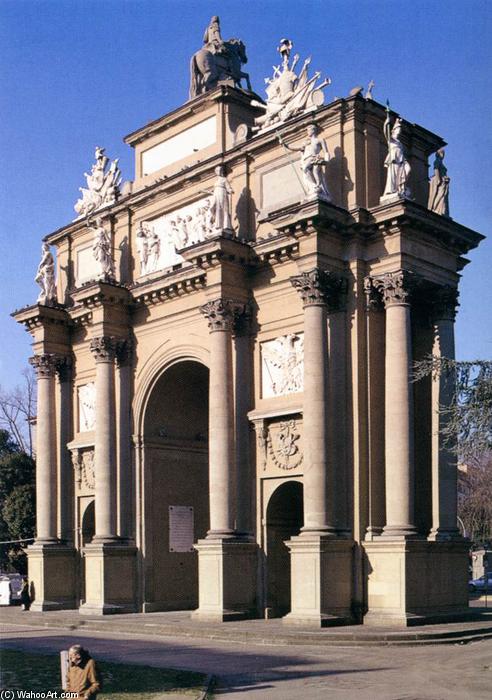
Triumphal Arch


 Читать далее
Приобретите цифровое изображение высокого разрешения в улучшенном качестве, которое значительно превосходит онлайн-превью.
Каждый файл тщательно подготавливается нашими специалистами с использованием передовых инструментов и экспертной ручной ретуши. Мы гарантируем исключительную четкость, точную цветопередачу и детальную проработку каждого изображения.
Финальный файл доставляется по электронной почте в течение 72 часов и оптимизирован для немедленного использования в профессиональной среде, при верстке и печати. Это тот же уровень качества, которому доверяют ведущие дизайнерские студии, издательства и галереи.
Цифровое изображение
Скачайте файл высокого разрешения для личного использования, печати и творческих проектов. ( Перейти к печати Купить картину ручной работы)
Включено в каждый заказ цифровых изображений
Гарантия экспертной цифровой доставки
Выбирая ArtsDot.com, вы получаете не просто изображение — вы приобретаете профессионально обработанное цифровое произведение искусства, созданное с безупречной точностью и под защитой гарантии качества. Вот всё, что автоматически входит в ваш заказ:

Мгновенная доставка по e-mail
Ваш цифровой файл в высоком разрешении будет отправлен вам по электронной почте в течение 72 часов после оформления заказа — и сразу станет доступен для использования.

Цифровой файл с ИИ-улучшением
Ваше произведение искусства проходит профессиональную оптимизацию с использованием передовых инструментов ИИ и ручной обработки, что гарантирует максимальную детализацию, четкость и точность цветопередачи.

Бессрочная бесплатная повторная доставка
Случайно удалили или потеряли файл? Не беспокойтесь — мы отправим его вам повторно в любое время и совершенно бесплатно.

Без импортных пошлин — навсегда
Наслаждайтесь вашим произведением искусства мгновенно без таможенных пошлин, сборов или затрат на доставку — цифровые загрузки всегда не облагаются налогом.

Гарантия точности цветопередачи
Мы гарантируем, что ваше цифровое изображение максимально точно передает оригинальные цвета благодаря использованию профессиональных инструментов и систем управления цветом.

Гарантия удовлетворенности 100 дней
Если вы не будете удовлетворены своим цифровым изображением, мы внесем правки или вернем 100% стоимости в течение 100 дней — без лишних вопросов.

100% Гарантия возврата средств
Не удовлетворены покупкой? Получите полный возврат средств в течение 100 дней после получения цифрового файла — без лишних вопросов.

Скидки на оптовые заказы
Купите 3 изображения, сэкономьте 10% — Купите 5, сэкономьте 15% — Купите 10+, сэкономьте 20%. Отличное решение для творческих проектов, галерей и агентств.
A Monumental Vision: Jean-Nicolas Jadot's "Triumphal Arch"
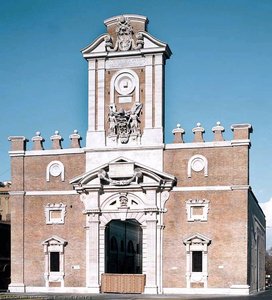
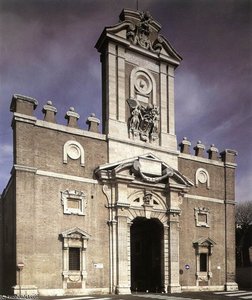
Step into a world of 18th-century grandeur with this captivating photographic reproduction of Jean-Nicolas Jadot’s “Triumphal Arch.” This remarkable work, dating back to 1739, offers a glimpse into the architectural splendor and symbolic power of neoclassical design. The image captures a monumental stone archway, likely a historic gate or entrance, set against a clear blue sky – a testament to Jadot's skill in translating imperial ambition into enduring form.
Architectural Style & Historical Context
- Style: Neoclassical - Drawing inspiration from the architectural principles of ancient Greece and Rome, this archway embodies symmetry, order, and a sense of timeless elegance.
- Historical Significance: Commissioned in 1739 to welcome the arrival of Francis Stephen, Duke of Lorraine, to Florence, the arch served as a powerful symbol of Habsburg-Lorraine dynasty’s authority. It marked a significant moment in Florentine history and reflects the era's fascination with classical ideals. The arch also witnessed the departure of Leopold II in 1859, adding layers of historical narrative to its presence.
- Architect: Jean-Nicolas Jadot (1710-1761), an Alsatian architect known for his contributions to Florentine architecture during this period. While details about his life remain scarce, this arch stands as a testament to his talent and vision.
Symbolism & Artistic Technique
- Architectural Elements: The arch itself is laden with symbolism. Triumphal arches traditionally celebrated military victories or honored important figures, representing power, authority, and imperial glory. The columns, statues, and intricate reliefs further enhance this sense of grandeur.
- Photographic Technique: Captured in daylight using a medium format camera, the photograph meticulously details the arch's texture and sculpted elements. The use of linear perspective draws the viewer’s eye towards the apex, while atmospheric perspective creates depth and emphasizes the scale of the structure.
- Materials & Color Palette: Constructed primarily from stone (likely sandstone or limestone) with possible marble accents for the sculptures, the arch's warm earth tones – beige, tan, and ochre – evoke a sense of solidity and permanence. The weathered texture speaks to its age and exposure to the elements, adding character and authenticity.
Emotional Impact & Decorative Appeal
“Triumphal Arch” evokes feelings of history, grandeur, and perhaps a touch of solemnity. Its imposing presence commands attention, while the intricate details invite closer inspection. This reproduction is ideal for:
- Interior Design: A striking focal point in hallways, living rooms, or studies, adding a touch of classical elegance to any space.
- Art Collectors: A unique and historically significant piece that reflects the artistic trends of the 18th century.
- Art Enthusiasts: An opportunity to appreciate the architectural beauty and symbolic power of neoclassical design.
Bring home a piece of history with this stunning reproduction, and let the grandeur of Jean-Nicolas Jadot’s “Triumphal Arch” transform your space.
Похожие произведения
Биография художника
Jean Nicolas Jadot: A Symbolist Visionary Shaping Viennese Baroque
Jean Nicolas Jadot (1710-1761), born in Luneville, Lorraine, was a pivotal figure in the burgeoning Baroque movement of his time and a pioneer of Austrian Symbolism. Trained under Germain Boffrand, arguably the most influential architect of Louis XV’s reign, Jadot quickly established himself as a prodigious talent, earning commissions that would solidify his reputation as one of the era's foremost builders and decorators. His career unfolded against the backdrop of Habsburg patronage and intellectual ferment, propelling him to prominence in Vienna where he became court architect for Francis Stephen Duke of Lorraine and Maria Theresa Queen of Austria.- Early Life & Training: Jadot’s formative years were spent absorbing the stylistic precepts of Boffrand, whose mastery of classical forms and ornamentation profoundly impacted Jadot's artistic sensibilities. This grounding in traditional architectural principles would later inform his innovative approach to incorporating Symbolist aesthetics into monumental projects.
- Vienna & Patronage: Jadot’s arrival in Vienna marked a turning point, securing him royal commissions that allowed him to realize ambitious visions of grandeur and elegance. His collaborations with artists like Pietro da Cortona—renowned for his frescoes at St Peter's Basilica—demonstrated the cosmopolitan spirit of Habsburg Vienna and fostered artistic exchange.
- Architectural Achievements: Jadot’s legacy rests primarily on his architectural endeavors, notably the Paradeisgartl (Vienna Gardens), a sprawling baroque complex designed to showcase imperial splendor. His meticulous attention to detail and masterful execution elevated Viennese Baroque architecture to new heights of sophistication. Equally impressive were his contributions to the Old Burgtheater and the Leopoldinischer Trakt—spaces that continue to inspire awe and admiration.
Symbolist Influences & Artistic Style
Despite his adherence to classical architectural traditions, Jadot embraced Symbolist principles, evident in his incorporation of dreamlike imagery and evocative color palettes into his decorative schemes. This stylistic fusion—classical structure combined with Symbolist expressive power—represented a daring departure from prevailing artistic conventions. His paintings, particularly portraits imbued with psychological depth and subtle tonal gradations, exemplify the Symbolist preoccupation with capturing inner states and conveying emotional resonance. The Musée National Jean Jacques Henner, established in Paris in 1765, houses over 130 of Jadot’s paintings—a testament to his enduring artistic legacy.- Palette & Technique: Jadot's palette favored muted hues and delicate gradations—techniques honed by Boffrand—that prioritized atmosphere and emotional impact. He skillfully employed sfumato, a blurring technique perfected by Leonardo da Vinci, to soften contours and create an ethereal quality in his portraits.
- Portraiture & Psychological Depth: Jadot’s portrait commissions were distinguished by their profound psychological insight. Rather than merely depicting likenesses, he sought to convey the sitter's inner character—a hallmark of Symbolist artistic practice.
Legacy & Historical Significance
Jean Nicolas Jadot stands as a pivotal figure in bridging the gap between Baroque grandeur and Symbolist introspection. His architectural achievements shaped Vienna’s cultural landscape, while his paintings continue to captivate viewers with their evocative beauty and psychological complexity. He represents an exemplar of artistic innovation within a period defined by intellectual curiosity and stylistic experimentation—a testament to the enduring power of imagination and craftsmanship.- Influence on Viennese Baroque: Jadot’s designs profoundly impacted Vienna's architectural aesthetic, establishing standards for elegance and grandeur that persisted throughout the eighteenth century.
- The Musée National Jean Jacques Henner Collection: The Musée National Jean Jacques Henner houses an unparalleled collection of Jadot’s paintings—a cornerstone of Symbolist art history.
Further Exploration
For a deeper understanding of Jadot's artistic vision, consult scholarly articles exploring his stylistic innovations and the broader context of Habsburg patronage. Consider visiting Saint Nicolas du Chardonnet in Paris to experience firsthand the Baroque splendor he championed—a tangible reminder of his enduring contribution to European art history.
jean nicolas jadot
1710 - 1761 , France
Основные сведения
- Artistic Movement Or Style: Symbolism
- Artists Or Movements Influenced By This Artist: ['Nicolas Poussin']
- Artists Who Influenced This Artist: ['Germain Boffrand']
- Date Of Birth: January 22, 1710
- Date Of Death: June 1, 1761
- Full Name: Jean Nicolas Jadot de Ville Issey
- Nationality: French
- Notable Artworks:
- Triumphal Arch
- Mariemont
- Place Of Birth: Luneville, France