

 Предпросмотр
 Поделиться
 Поделиться
 Детали произведения

 Скачать
 Похожие работы
 Рентгенография
 Слайд-шоу
 Статистика
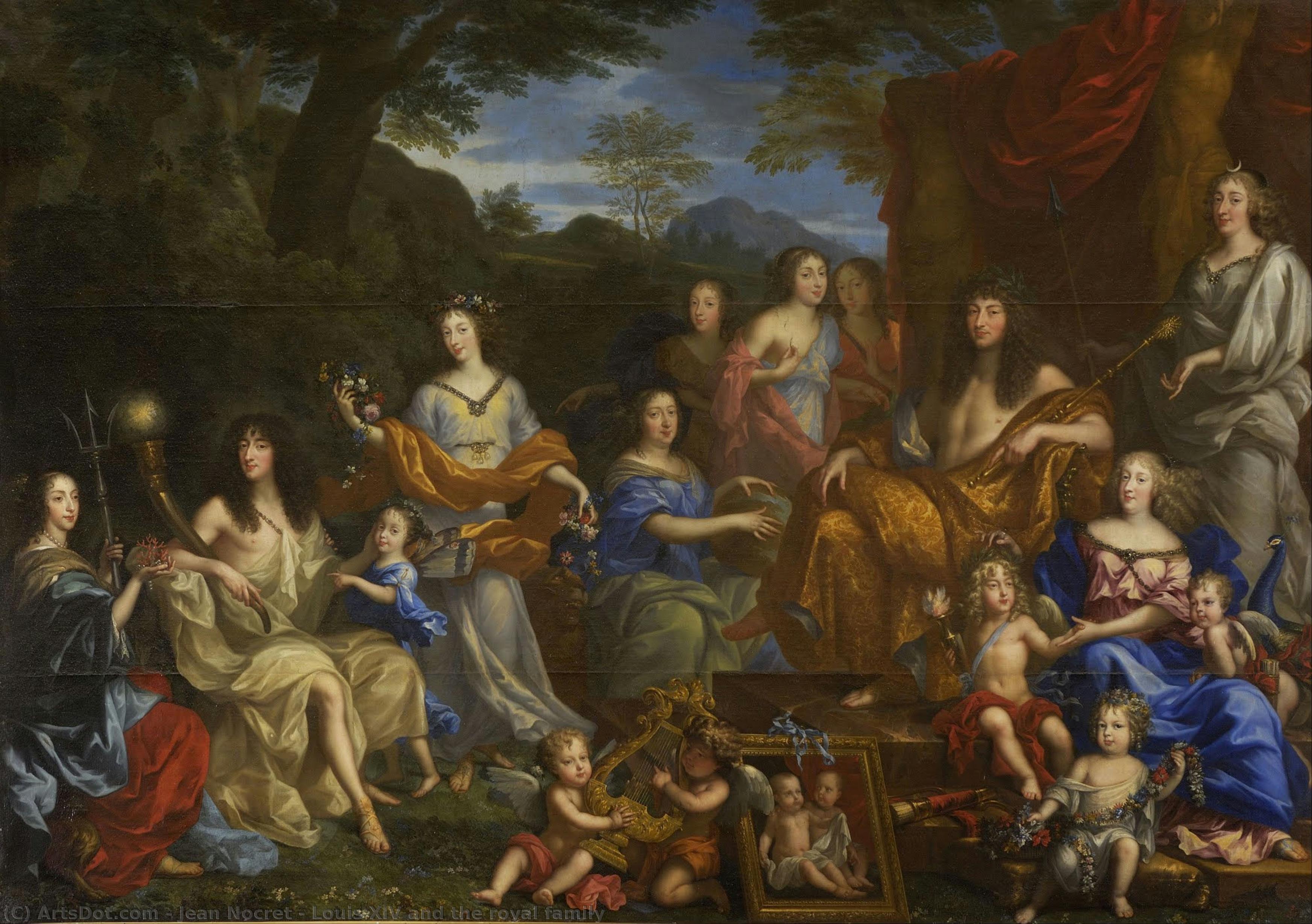
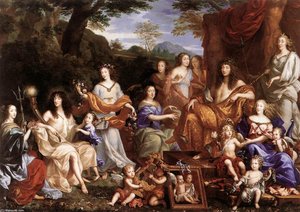
Louis XIV and the royal family
 Oil On Canvas
- WallArt
- Baroque
 1670
1670 420.0 x 305.0 cm
 Шатле де Версайль
 Читать далее
Приобретите цифровое изображение высокого разрешения в улучшенном качестве, которое значительно превосходит онлайн-превью.
Каждый файл тщательно подготавливается нашими специалистами с использованием передовых инструментов и экспертной ручной ретуши. Мы гарантируем исключительную четкость, точную цветопередачу и детальную проработку каждого изображения.
Финальный файл доставляется по электронной почте в течение 72 часов и оптимизирован для немедленного использования в профессиональной среде, при верстке и печати. Это тот же уровень качества, которому доверяют ведущие дизайнерские студии, издательства и галереи.
Цифровое изображение
Скачайте файл высокого разрешения для личного использования, печати и творческих проектов. ( Перейти к печати Купить картину ручной работы)
Включено в каждый заказ цифровых изображений
Гарантия экспертной цифровой доставки
Выбирая ArtsDot.com, вы получаете не просто изображение — вы приобретаете профессионально обработанное цифровое произведение искусства, созданное с безупречной точностью и под защитой гарантии качества. Вот всё, что автоматически входит в ваш заказ:

Мгновенная доставка по e-mail
Ваш цифровой файл в высоком разрешении будет отправлен вам по электронной почте в течение 72 часов после оформления заказа — и сразу станет доступен для использования.

Цифровой файл с ИИ-улучшением
Ваше произведение искусства проходит профессиональную оптимизацию с использованием передовых инструментов ИИ и ручной обработки, что гарантирует максимальную детализацию, четкость и точность цветопередачи.

Бессрочная бесплатная повторная доставка
Случайно удалили или потеряли файл? Не беспокойтесь — мы отправим его вам повторно в любое время и совершенно бесплатно.

Без импортных пошлин — навсегда
Наслаждайтесь вашим произведением искусства мгновенно без таможенных пошлин, сборов или затрат на доставку — цифровые загрузки всегда не облагаются налогом.

Гарантия точности цветопередачи
Мы гарантируем, что ваше цифровое изображение максимально точно передает оригинальные цвета благодаря использованию профессиональных инструментов и систем управления цветом.

Гарантия удовлетворенности 100 дней
Если вы не будете удовлетворены своим цифровым изображением, мы внесем правки или вернем 100% стоимости в течение 100 дней — без лишних вопросов.

100% Гарантия возврата средств
Не удовлетворены покупкой? Получите полный возврат средств в течение 100 дней после получения цифрового файла — без лишних вопросов.

Скидки на оптовые заказы
Купите 3 изображения, сэкономьте 10% — Купите 5, сэкономьте 15% — Купите 10+, сэкономьте 20%. Отличное решение для творческих проектов, галерей и агентств.
A Grand Tapestry of Lineage and Power
To stand before this monumental depiction of Louis XIV and his royal family is to be enveloped in an atmosphere of unparalleled grandeur. This painting is not merely a portrait; it is a meticulously constructed testament to absolute power, dynastic continuity, and the rigid elegance of the French court during the late Baroque period. The composition itself is breathtakingly dense, a veritable gathering of nobility where every figure seems placed with deliberate, symbolic weight. From the central couple, whose regal bearing anchors the entire scene, one can feel the palpable weight of expectation and inherited status. The sheer scale—420 x 305 cm—demands attention, commanding any room it graces with its rich narrative scope.
Baroque Drama in Oil and Canvas
Technically, the work is a masterclass in oil painting on canvas, executed with a meticulous hand that speaks to the highest levels of academic skill. The artist has employed dramatic lighting, characteristic of the Baroque style, allowing deep shadows to carve out the three-dimensionality of velvet draperies, polished jewels, and richly textured fabrics. Observe how the light catches the gold embroidery or illuminates the smooth planes of skin; these moments are triumphs of the painter's craft. While the background features a sweeping landscape—rolling hills and distant foliage that provide an airy counterpoint to the formality within—it functions more as a decorative stage set than a naturalistic vista. The overall effect is one of controlled spectacle, where every element, from the opulent clothing to the carefully arranged poses, contributes to the overarching narrative of status.
Symbolism of Courtly Life
The subject matter speaks volumes about ancien régime society. Lineage was everything; it was the currency of existence. The inclusion of numerous children and extended family members is a potent symbol of enduring bloodlines, suggesting not just survival, but flourishing power across generations. The symbolism embedded in the accessories—the jewels, the specific cuts of the garments, the very posture adopted by each member—all function as visual signifiers of rank and privilege. It invites the viewer to contemplate the delicate balance between personal identity and the overwhelming demands of public duty within an aristocratic framework.
An Echo of 17th-Century Majesty
Dating from around 1670, this piece captures a moment when royal authority was at its zenith. The formality is palpable; there is little room for spontaneous emotion, yet the richness of life depicted—the conversation among the children, the shared gaze between family members—suggests an underlying warmth beneath the polished veneer of duty. For those who appreciate historical depth and decorative art that speaks to monumental human achievement, this reproduction offers a profound connection to an era defined by absolute monarchy and unparalleled artistic patronage. It is a piece designed not just to be seen, but to be contemplated as a cultural artifact.
Похожие произведения
Биография художника
Salvator Rosa: A Rebel of the Italian Baroque
Salvator Rosa (1615 – 15 March 1673) stands as a singular and profoundly influential figure within the tumultuous landscape of 17th-century Italian art. More than simply a painter, he was a poet, satirist, actor, musician, and printmaker—a true Renaissance man whose life was as vibrant and unconventional as his artwork. Born in Arenella, near Naples, Rosa’s trajectory defied easy categorization, oscillating between the formal training of the Baroque and a fiercely independent spirit that ultimately defined his artistic legacy. His work, particularly his dramatic landscapes imbued with a sense of wildness and untamed nature, exerted an unexpected yet powerful influence on the burgeoning Romantic movement centuries later.Early Life and Artistic Training
Rosa’s early life was marked by instability and hardship. He received limited formal training, initially apprenticed to the painter Francesco Napione in Naples. However, it was his encounter with the established Neapolitan artist, Giuseppe Carafa, that proved pivotal. Carafa recognized Rosa's raw talent and encouraged him to embrace a more expressive and less rigidly academic approach. This mentorship fostered a distinctive style characterized by bold brushstrokes, dramatic lighting, and an intense emotionality—a departure from the polished elegance favored by many of his contemporaries. Rosa’s early works often depicted scenes of battle, mythological subjects, and portraits, reflecting the artistic trends of Naples at the time. Yet, even in these initial pieces, a rebellious streak began to emerge, foreshadowing his later rejection of conventional artistic norms.Rome: Scandal and Innovation
In 1639, Rosa moved to Rome, a city teeming with artistic competition and intellectual ferment. It was here that he truly established himself as a controversial figure. His satirical poems and prints, often sharply critical of the Papal court and its artists—particularly the celebrated Gian Lorenzo Bernini—earned him powerful enemies. Rosa’s outspokenness led to periods of exile and forced relocation throughout his career, yet it also fueled his artistic innovation. He sought out obscure and challenging subjects – forgotten biblical tales, esoteric philosophical concepts, and scenes of witchcraft – often rendering them with a visceral intensity that was both unsettling and captivating. His frescoes for the Palazzo Pamphili in Valmontone, depicting scenes from Virgil’s *Aeneid*, are prime examples of this approach: grand historical narratives presented through a lens of rugged wilderness and dramatic emotion.The Landscape as Revelation
Rosa's most enduring contribution to art lies in his revolutionary landscapes. Unlike the idealized, harmonious vistas championed by artists like Claude Lorrain, Rosa’s scenes were imbued with a sense of primal power and untamed beauty. He depicted towering cliffs, gnarled trees, stormy skies, and treacherous rivers—elements that evoked both awe and terror. These weren't picturesque views designed for tranquil contemplation; they were representations of nature in its rawest, most formidable state. Rosa’s landscapes anticipated the Romantic sensibility by prioritizing emotional response over rational observation, capturing a world where humanity was dwarfed by the overwhelming forces of nature. His work challenged the established conventions of landscape painting and paved the way for future generations of artists who sought to capture the sublime in their art.Legacy and Influence
Despite facing periods of obscurity during his lifetime, Salvator Rosa’s influence grew steadily over the centuries. In 18th-century England, his work was embraced by Romantic poets like James Thomson and William Wordsworth, who celebrated his depiction of wild nature as a symbol of freedom and rebellion. Rosa became a cult figure, his life embellished with tales of banditry and wanderlust—a romanticized persona that mirrored the spirit of his art. Today, Rosa is recognized as a pivotal figure in the transition from Baroque to Romanticism, a master of dramatic composition, and an artist who dared to challenge artistic conventions with unwavering conviction. His paintings continue to resonate with viewers today, offering a powerful reminder of the enduring allure of untamed beauty and the transformative power of artistic rebellion.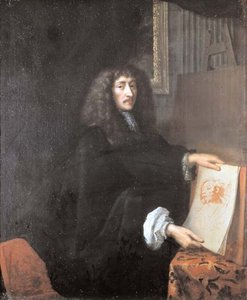
jean nocret
1615 - 1672 , France
Основные сведения
- Artistic Movement Or Style: Baroque, Romanticism
- Artists Or Movements Influenced By This Artist: ['Romanticism']
- Artists Who Influenced This Artist: ['Nicolas Poussin']
- Date Of Birth: June 20, 1615
- Date Of Death: March 15, 1673
- Full Name: Salvator Rosa
- Nationality: Italian
- Notable Artworks:
- Sacrifice of Abraham
- River Landscape with Apollo
- Place Of Birth: Arenella, near Naples