

 Предпросмотр
 Поделиться
 Поделиться
 Детали произведения

 Скачать
 Похожие работы
 Рентгенография
 Слайд-шоу
 Статистика
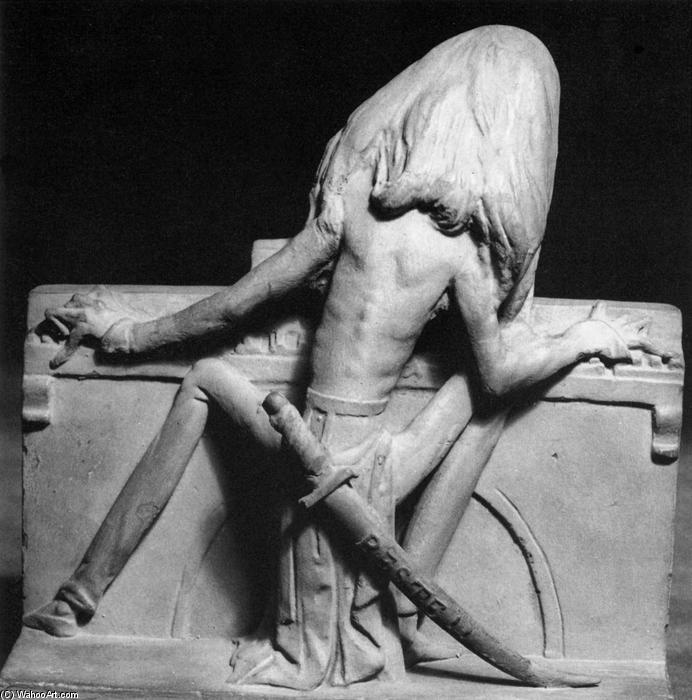
Liszt Playing the Piano


 Читать далее
Приобретите цифровое изображение высокого разрешения в улучшенном качестве, которое значительно превосходит онлайн-превью.
Каждый файл тщательно подготавливается нашими специалистами с использованием передовых инструментов и экспертной ручной ретуши. Мы гарантируем исключительную четкость, точную цветопередачу и детальную проработку каждого изображения.
Финальный файл доставляется по электронной почте в течение 72 часов и оптимизирован для немедленного использования в профессиональной среде, при верстке и печати. Это тот же уровень качества, которому доверяют ведущие дизайнерские студии, издательства и галереи.
Цифровое изображение
Скачайте файл высокого разрешения для личного использования, печати и творческих проектов. ( Перейти к печати Купить картину ручной работы)
Включено в каждый заказ цифровых изображений
Гарантия экспертной цифровой доставки
Выбирая ArtsDot.com, вы получаете не просто изображение — вы приобретаете профессионально обработанное цифровое произведение искусства, созданное с безупречной точностью и под защитой гарантии качества. Вот всё, что автоматически входит в ваш заказ:

Мгновенная доставка по e-mail
Ваш цифровой файл в высоком разрешении будет отправлен вам по электронной почте в течение 72 часов после оформления заказа — и сразу станет доступен для использования.

Цифровой файл с ИИ-улучшением
Ваше произведение искусства проходит профессиональную оптимизацию с использованием передовых инструментов ИИ и ручной обработки, что гарантирует максимальную детализацию, четкость и точность цветопередачи.

Бессрочная бесплатная повторная доставка
Случайно удалили или потеряли файл? Не беспокойтесь — мы отправим его вам повторно в любое время и совершенно бесплатно.

Без импортных пошлин — навсегда
Наслаждайтесь вашим произведением искусства мгновенно без таможенных пошлин, сборов или затрат на доставку — цифровые загрузки всегда не облагаются налогом.

Гарантия точности цветопередачи
Мы гарантируем, что ваше цифровое изображение максимально точно передает оригинальные цвета благодаря использованию профессиональных инструментов и систем управления цветом.

Гарантия удовлетворенности 100 дней
Если вы не будете удовлетворены своим цифровым изображением, мы внесем правки или вернем 100% стоимости в течение 100 дней — без лишних вопросов.

100% Гарантия возврата средств
Не удовлетворены покупкой? Получите полный возврат средств в течение 100 дней после получения цифрового файла — без лишних вопросов.

Скидки на оптовые заказы
Купите 3 изображения, сэкономьте 10% — Купите 5, сэкономьте 15% — Купите 10+, сэкономьте 20%. Отличное решение для творческих проектов, галерей и агентств.
The Captivating Intensity of Liszt Playing the Piano
Jean-Pierre Dantan’s “Liszt Playing the Piano,” completed in 1836, is more than just a portrait; it's a visceral embodiment of Romantic fervor and musical genius. This remarkable sculpture, crafted from meticulously carved gypsum, captures Franz Liszt at his most dynamic – a moment frozen in time as he commands the keys with passionate intensity. Dantan, known for his innovative sculptural caricatures and profound ability to imbue his subjects with emotion, here transcends mere representation, offering an intimate glimpse into the soul of one of music’s greatest figures.
The sculpture's power lies in its dramatic chiaroscuro lighting, a technique masterfully employed by Dantan to sculpt volume and depth. The stark contrasts between light and shadow accentuate the musculature of Liszt’s hands, poised over the piano keys, while simultaneously highlighting the furrowed brow and focused expression on his face. This masterful use of light not only reveals the intricate details of the marble – the texture of the fabric of his shirt, the sheen of the polished gypsum – but also draws the viewer's eye directly to Liszt’s captivating presence. The composition itself is carefully balanced, with the figure occupying a central position within a dark, almost theatrical space, further intensifying the sense of drama and immediacy.
A Portrait of Romanticism: Style and Technique
Dantan’s style during this period was characterized by a remarkable ability to capture both the physical likeness and the emotional essence of his subjects. He moved beyond simple imitation, skillfully utilizing techniques borrowed from classical sculpture while injecting a distinctly Romantic sensibility into his work. The pose itself—Liszt's raised hand, a gesture simultaneously of command and invitation—is a hallmark of the era’s emphasis on individualism and expressive emotion. The choice of gypsum as the medium is significant; it allowed Dantan to achieve a remarkable level of detail and texture, mirroring the smooth surfaces of marble while retaining a lighter weight and easier workability.
Furthermore, Dantan's approach was deeply influenced by his artistic circle, which included prominent figures like Honoré Daumier and members of the Parisian intellectual elite. This exposure to diverse perspectives undoubtedly shaped his aesthetic sensibilities, contributing to the sculpture’s sophisticated blend of realism and emotional intensity. The work demonstrates a clear understanding of anatomy and form, combined with an intuitive grasp of how to convey character and mood through gesture and expression.
Symbolism and Historical Context
“Liszt Playing the Piano” is deeply rooted in the artistic and cultural landscape of 1836. The Romantic era was a time of profound social and political upheaval, marked by an intense desire for individual expression and a rejection of classical constraints. Liszt himself embodied these ideals as a revolutionary pianist who challenged established musical conventions with his virtuosic performances and innovative compositions. Dantan’s sculpture captures this spirit of rebellion and artistic innovation perfectly.
The inclusion of the piano is, of course, central to the work's meaning. The instrument represents not just Liszt’s profession but also his creative soul—a conduit for expressing profound emotions through music. The pose itself – with the hand raised as if conducting – suggests a dynamic interplay between the artist and his creation, highlighting the transformative power of art. Moreover, Dantan’s use of caricature-like elements in the sculpture's details subtly references his own artistic practice, blending portraiture with playful commentary.
A Legacy of Passion: Reproduction and Beyond
Reproductions of “Liszt Playing the Piano” offer a remarkable opportunity to bring this captivating artwork into any setting. The meticulous detail captured by Dantan’s original sculpture is faithfully reproduced in high-quality prints, allowing viewers to appreciate its beauty and emotional depth from afar. Whether adorning a grand salon or a more intimate space, this piece serves as a powerful reminder of the enduring legacy of Romanticism and the genius of Franz Liszt.
Consider how the sculpture’s dramatic lighting and dynamic composition can be translated into interior design—creating focal points that command attention and evoke a sense of passion and energy. The work's timeless appeal ensures its continued relevance as a symbol of artistic excellence and human creativity.
Похожие произведения

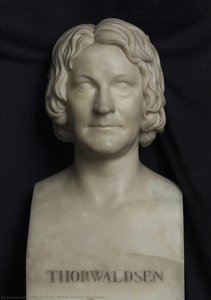
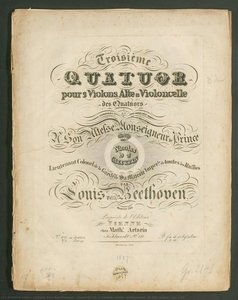
Биография художника
Early Life and Family Background
- Jean-Pierre Dantan, known as Dantan the Younger, was born on December 28, 1800, in Paris, France.
- He came from a family of sculptors; his father was a wood carver who provided his initial training.
- Antoine-Laurent Dantan, his elder brother (known as Dantan the Elder), was also a sculptor and entered the École nationale supérieure des beaux-arts in Paris before Jean-Pierre.
- Both brothers studied under François-Joseph Bosio at the prestigious art school, beginning their formal artistic education in 1823.
- A later generation saw his nephew, Édouard Joseph Dantan (1848–1897), achieve some recognition as a painter, though he is now considered a minor artist.
Artistic Development and Style
- While Antoine-Laurent focused on large-scale academic sculpture and won the Prix de Rome in 1828, Jean-Pierre developed a unique style centered around portraiture and caricature.
- He began exploring this distinctive approach early in his career, gaining attention for his bust of the painter César Ducornet depicted as an “accursed poet.”
- Dantan’s talent lay in capturing expressive emotion within his portraits, blending Neoclassical training with emerging Romantic sensibilities.
- He is often credited with inventing the sculptural caricature, a form that allowed him to satirize and comment on contemporary society.
- His work was influenced by theories of phrenology and Romanticism’s emphasis on expressiveness. He aimed to depict not just physical likeness but also the inner essence of his subjects.
Major Works and Recognition
- Dantan's most celebrated works are his caricature busts and smaller statuettes portraying prominent figures from politics, music, literature, and the arts.
- He created portraits of individuals such as Victor Hugo, Paganini, Liszt, Berlioz, Talleyrand, and William Douglas-Hamilton.
- His busts often included a rebus on the base, adding an element of intellectual playfulness and identifying the subject in a coded manner. For example, his bust of Victor Hugo incorporated symbols representing the letters of his name.
- He exhibited at the Salons, receiving a second-class medal in 1831.
- His connection to figures like Pierre-Luc-Charles Cicéri and Princess Belgiojoso exposed him to influential circles of artists, writers, and political radicals, leading to numerous commissions.
Influence and Historical Significance
- Although he received less official recognition than his brother during his lifetime, Jean-Pierre Dantan’s work gained a following among the intelligentsia and is now considered more influential.
- He significantly inspired Honoré Daumier, a renowned caricaturist and sculptor himself.
- Dantan's sculptures provide valuable insights into 19th-century French society, capturing the personalities and cultural trends of his time.
- His ability to blend portraiture with caricature established him as a unique voice in the art world, bridging the gap between traditional sculpture and modern satire.
- Both brothers are buried together in Père Lachaise Cemetery, their tomb adorned with relief medallions created by each of them, symbolizing their artistic partnership and familial bond.
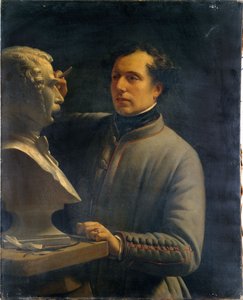
Jean-Pierre Dantan
1800 - 1869 , France
Основные сведения
- Artistic Movement Or Style: Romanticism, Caricature
- Artists Or Movements Influenced By This Artist: ['Honoré Daumier']
- Date Of Birth: December 28, 1800
- Date Of Death: September 6, 1869
- Full Name: Jean-Pierre Dantan
- Nationality: French
- Notable Artworks:
- Liszt Playing the Piano
- Victor Hugo
- Paganini
- Portrait of Tamburini
- Place Of Birth: Paris, France