

 Предпросмотр
 Поделиться
 Поделиться
 Детали произведения

 Скачать
 Похожие работы
 Рентгенография
 Слайд-шоу
 Статистика
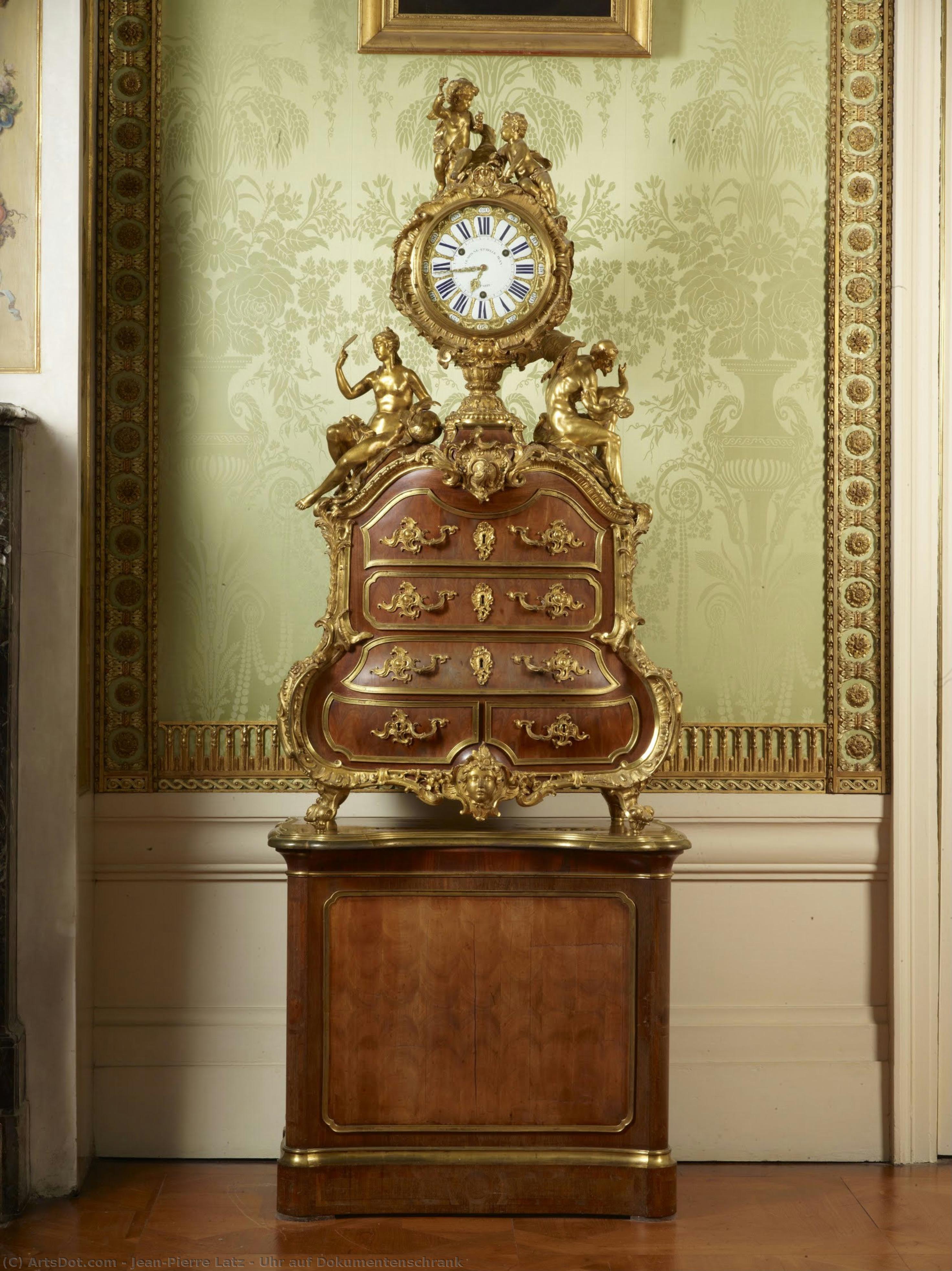
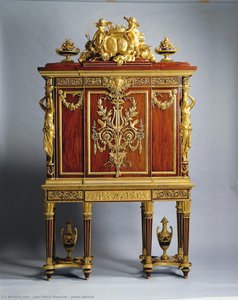
Uhr auf Dokumentenschrank
 Acrylic
- WallArt
- Rococo
 1746
1746 245.0 x 90.0 cm
 Дворец Сан-Суси
 Читать далее
Приобретите цифровое изображение высокого разрешения в улучшенном качестве, которое значительно превосходит онлайн-превью.
Каждый файл тщательно подготавливается нашими специалистами с использованием передовых инструментов и экспертной ручной ретуши. Мы гарантируем исключительную четкость, точную цветопередачу и детальную проработку каждого изображения.
Финальный файл доставляется по электронной почте в течение 72 часов и оптимизирован для немедленного использования в профессиональной среде, при верстке и печати. Это тот же уровень качества, которому доверяют ведущие дизайнерские студии, издательства и галереи.
Цифровое изображение
Скачайте файл высокого разрешения для личного использования, печати и творческих проектов. ( Перейти к печати Купить картину ручной работы)
Включено в каждый заказ цифровых изображений
Гарантия экспертной цифровой доставки
Выбирая ArtsDot.com, вы получаете не просто изображение — вы приобретаете профессионально обработанное цифровое произведение искусства, созданное с безупречной точностью и под защитой гарантии качества. Вот всё, что автоматически входит в ваш заказ:

Мгновенная доставка по e-mail
Ваш цифровой файл в высоком разрешении будет отправлен вам по электронной почте в течение 72 часов после оформления заказа — и сразу станет доступен для использования.

Цифровой файл с ИИ-улучшением
Ваше произведение искусства проходит профессиональную оптимизацию с использованием передовых инструментов ИИ и ручной обработки, что гарантирует максимальную детализацию, четкость и точность цветопередачи.

Бессрочная бесплатная повторная доставка
Случайно удалили или потеряли файл? Не беспокойтесь — мы отправим его вам повторно в любое время и совершенно бесплатно.

Без импортных пошлин — навсегда
Наслаждайтесь вашим произведением искусства мгновенно без таможенных пошлин, сборов или затрат на доставку — цифровые загрузки всегда не облагаются налогом.

Гарантия точности цветопередачи
Мы гарантируем, что ваше цифровое изображение максимально точно передает оригинальные цвета благодаря использованию профессиональных инструментов и систем управления цветом.

Гарантия удовлетворенности 100 дней
Если вы не будете удовлетворены своим цифровым изображением, мы внесем правки или вернем 100% стоимости в течение 100 дней — без лишних вопросов.

100% Гарантия возврата средств
Не удовлетворены покупкой? Получите полный возврат средств в течение 100 дней после получения цифрового файла — без лишних вопросов.

Скидки на оптовые заказы
Купите 3 изображения, сэкономьте 10% — Купите 5, сэкономьте 15% — Купите 10+, сэкономьте 20%. Отличное решение для творческих проектов, галерей и агентств.
Похожие произведения
![Three Studies Of A Woman's Head And A Study Of Hands [recto], — Ватто, Rococo Style](/media/artworks/images-thumb/65/73/65730255a762c06e3235059db7ffcb5f.jpg)
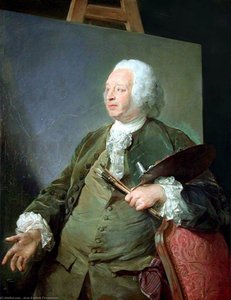
Биография художника
The Sculptor of Parisian Rococo Elegance
Jean-Pierre Latz stands as a pivotal figure in the history of French furniture craftsmanship during the reign of Louis XV, embodying the zenith of Rococo style and demonstrating unparalleled technical skill. Born near Cologne, Germany, around 1691, his early life remains shrouded in relative obscurity, yet he swiftly ascended to prominence within Paris’s vibrant artisan community. He established himself as one of the most celebrated ébénistes—royal cabinetmakers—of his era, leaving a legacy that endures not merely for the beauty of his creations but also for his role in shaping the very trends of the decorative arts.
Latz’s formative years were spent honing his craft in Cologne, where he received training as a cabinetmaker, a profession deeply rooted in Germanic tradition. Driven by ambition and the allure of opportunity, he relocated to Paris around 1719, immersing himself in the cosmopolitan atmosphere of the French capital and joining the prestigious guild of artisans. This decisive move proved instrumental in propelling his career forward, allowing him to collaborate with influential patrons and gain access to innovative materials and techniques. Within a decade, Latz had secured a position as ébéniste privilégié du roi—a royal appointment granting him exclusive privileges—underscoring the immense esteem accorded to his artistry by the French court.
A Master of Material and Motion
The furniture produced by Latz is instantly recognizable for its distinctive Rococo aesthetic, characterized by exuberant ornamentation and a masterful fusion of sculptural form and delicate inlay work. Unlike earlier styles that prioritized rigid functionality, Latz embraced the Rococo impulse toward theatricality and sensory delight. He skillfully employed richly figured tropical veneers—such as satinwood, rosewood, ebony, tulipwood, amarante, and purpleheart—to create surfaces that seemed to dance with light. His technique often featured distinctive end-grain cuts, adding a layer of complex texture to his marquetry.
What truly elevated Latz's work was his ability to treat wood as if it were malleable sculpture. He combined these exotic veneers with meticulously crafted gilt-bronze mounts that served both as structural reinforcement and as breathtaking ornamentation. These bold, sculptural bronze elements often depicted flowing floral motifs and leafy sprays, complementing the intricate marquetry patterns. His mastery extended beyond traditional cabinetry into the creation of lacquered pieces and even extraordinary musical furniture, such as his renowned marquetry organ, which demonstrated his ability to marry complex mechanical engineering with high art.
A Royal Legacy and Historical Significance
The historical significance of Jean-Pierre Latz lies in his ability to translate the shifting tastes of the Enlightenment into tangible, luxurious objects. His work was not merely decorative; it was a statement of status and a window into the refined sensibilities of the 18th-century elite. One of his most legendary achievements is the Bureau Plat, often referred to as the French desk of Frederick II, King of Prussia. Created around 1745, this exquisite piece serves as a profound link to a monarch's personal space and remains a testament to the refined tastes that bridged the gap between the French and Prussian courts.
Throughout his career, Latz’s influence resonated through the halls of European palaces, from the splendor of Versailles to the intimate chambers of Sanssouci. His contributions can be summarized by several key pillars of his artistry:
- Technical Innovation: The seamless integration of heavy gilt-bronze mounts with delicate tropical wood veneers.
- Stylistic Mastery: The perfection of the Rococo aesthetic, characterized by asymmetry, flowing curves, and organic motifs.
- Royal Patronage: His status as a preferred craftsman for the most powerful monarchs in Europe, including Louis XV and Frederick the Great.
- Material Artistry: The pioneering use of exotic woods like amarante and tulipwood to create depth and movement in furniture surfaces.
By the time of his death in Paris on August 4, 1754, Latz had left an indelible mark on the history of decorative arts. He transformed the role of the cabinetmaker from a mere craftsman into a true artist, ensuring that the furniture of the Rococo era would be remembered as a pinnacle of human creativity and elegance.
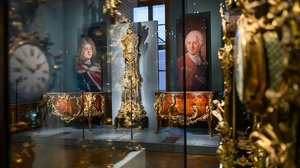
Jean-Pierre Latz
1754 , Germany
Основные сведения
- Artistic Movement Or Style: Rococo
- Artists Or Movements Influenced By This Artist: ['François Boucher']
- Date Of Birth: c. 1691
- Date Of Death: 1754
- Full Name: Jean-Pierre Latz
- Nationality: German
- Notable Artworks:
- Uhr auf Dokumentenschrank
- Regal Parlor Organ
- Französischer Schreibtisch Friedrichs des Großen
- Place Of Birth: Cologne, Germany