

 Предпросмотр
 Поделиться
 Поделиться
 Детали произведения

 Скачать
 Похожие работы
 Рентгенография
 Слайд-шоу
 Статистика
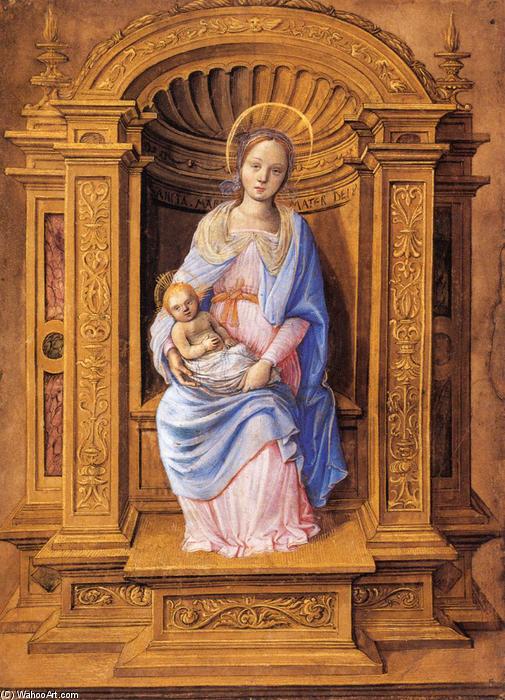
Virgin and Child
 Oil On Panel
- WallArt
- Early Renaissance
 Renaissance
 234.0 x 172.0 cm
 Лувр
Лувр
 Читать далее
Приобретите цифровое изображение высокого разрешения в улучшенном качестве, которое значительно превосходит онлайн-превью.
Каждый файл тщательно подготавливается нашими специалистами с использованием передовых инструментов и экспертной ручной ретуши. Мы гарантируем исключительную четкость, точную цветопередачу и детальную проработку каждого изображения.
Финальный файл доставляется по электронной почте в течение 72 часов и оптимизирован для немедленного использования в профессиональной среде, при верстке и печати. Это тот же уровень качества, которому доверяют ведущие дизайнерские студии, издательства и галереи.
Цифровое изображение
Скачайте файл высокого разрешения для личного использования, печати и творческих проектов. ( Перейти к печати Купить картину ручной работы)
Включено в каждый заказ цифровых изображений
Гарантия экспертной цифровой доставки
Выбирая ArtsDot.com, вы получаете не просто изображение — вы приобретаете профессионально обработанное цифровое произведение искусства, созданное с безупречной точностью и под защитой гарантии качества. Вот всё, что автоматически входит в ваш заказ:

Мгновенная доставка по e-mail
Ваш цифровой файл в высоком разрешении будет отправлен вам по электронной почте в течение 72 часов после оформления заказа — и сразу станет доступен для использования.

Цифровой файл с ИИ-улучшением
Ваше произведение искусства проходит профессиональную оптимизацию с использованием передовых инструментов ИИ и ручной обработки, что гарантирует максимальную детализацию, четкость и точность цветопередачи.

Бессрочная бесплатная повторная доставка
Случайно удалили или потеряли файл? Не беспокойтесь — мы отправим его вам повторно в любое время и совершенно бесплатно.

Без импортных пошлин — навсегда
Наслаждайтесь вашим произведением искусства мгновенно без таможенных пошлин, сборов или затрат на доставку — цифровые загрузки всегда не облагаются налогом.

Гарантия точности цветопередачи
Мы гарантируем, что ваше цифровое изображение максимально точно передает оригинальные цвета благодаря использованию профессиональных инструментов и систем управления цветом.

Гарантия удовлетворенности 100 дней
Если вы не будете удовлетворены своим цифровым изображением, мы внесем правки или вернем 100% стоимости в течение 100 дней — без лишних вопросов.

100% Гарантия возврата средств
Не удовлетворены покупкой? Получите полный возврат средств в течение 100 дней после получения цифрового файла — без лишних вопросов.

Скидки на оптовые заказы
Купите 3 изображения, сэкономьте 10% — Купите 5, сэкономьте 15% — Купите 10+, сэкономьте 20%. Отличное решение для творческих проектов, галерей и агентств.
A Vision of Divine Grace
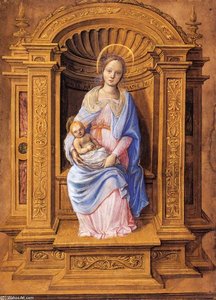
In the quiet majesty of Jean Poyer’s Virgin and Child, viewers are transported to the dawn of the Renaissance, where the rigid structures of the Gothic era began to soften into a profound, humanistic realism. This exquisite oil on panel masterpiece captures a moment of eternal tenderness, presenting the Madonna seated upon an intricately decorated throne. The composition is a masterclass in classical symmetry; Mary sits at the very heart of the frame, her presence anchoring the viewer’s gaze, while the infant Jesus rests securely in her arms. There is a palpable sense of stability and reverence in the way the architectural elements frame the holy figures, creating a sacred space that feels both monumental and intimately accessible.
The artistry of Poyer is revealed through his meticulous attention to texture and light. The painting breathes with a soft, diffused luminosity that seems to emanate from an unseen celestial source above, gently modeling the faces of the Virgin and Child and casting delicate shadows that lend volume to their forms. One can almost feel the weight of the heavy, richly colored drapery and the smooth, polished surfaces of the ornate throne. Poyer’s technique, influenced by his travels through Northern Italy and the works of masters like Bellini and Mantegna, allows for a sophisticated interplay of light and color. His palette, often noted for its refined use of subtle hues, brings a sense of ethereal beauty to the scene, making the skin tones appear lifelike and the fabrics remarkably tactile.
Symbolism and Renaissance Mastery
Beyond its aesthetic splendor, the work is steeped in the profound symbolism characteristic of the late 15th century. Every element serves to reinforce the themes of faith, motherhood, and divine grace. The halo encircling Mary’s head is not merely a decorative ornament but a luminous signifier of her sanctity, while the swaddling of the infant Jesus speaks to the vulnerability of the incarnation. The architectural grandeur surrounding the figures acts as a metaphor for the Church itself—a structured, magnificent vessel for the divine. Poyer moves away from the "dollhouse" compartments of earlier Gothic styles, instead using perspective and layered detail to create a sense of depth that invites the observer to step into this holy encounter.
For the discerning collector or interior designer, this reproduction offers more than just a visual centerpiece; it provides an atmosphere of timeless elegance and contemplative peace. The balanced, geometric arrangement of the throne and the soft, pastel-leaning tones make it a versatile addition to sophisticated spaces, whether placed in a formal gallery setting or a serene private study. To possess such a work is to bring a piece of art history into the modern home—a testament to the enduring power of the Renaissance spirit and the masterful ability of Jean Poyer to capture the intersection of the human and the divine.
Похожие произведения
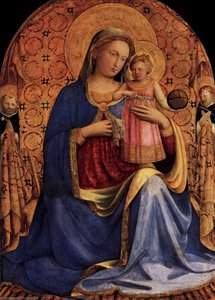
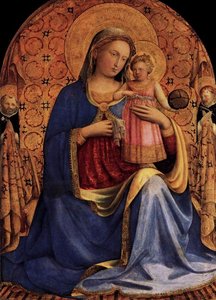
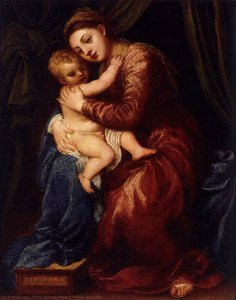
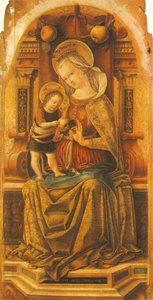
Биография художника
The Master of Light and Line: The Life of Jean Poyer
In the vibrant artistic landscape of late 15th-century France, few names resonate with as much delicate grace as Jean Poyer. A true polymath of the Renaissance, Poyer was far more than a mere painter; he was an illuminator, a draftsman, and a designer of grand festivals who breathed life into the royal courts of Louis XI, Charles VIII, and Louis XII. Operating primarily from the flourishing artistic hub of Tours, Poyer stood at a pivotal crossroads in art history, acting as a bridge between the decorative, stylized elegance of the Late Gothic period and the profound naturalism of the burgeoning Italian Renaissance.
While the precise details of his earliest years remain shrouded in the mists of time, his presence in the workshops of Tours during the 1460s and 1470s provided him with a foundation steeped in local tradition. The painters of this era were known for their sophisticated palettes, often favoring soft hues of lilac and plum. However, Poyer’s vision was far from provincial. His travels to Northern Italy proved transformative, as he encountered the monumental works of Andrea Mantegna and Giovanni Bellini. This exposure to Italian mastery allowed him to infuse his work with a newfound sense of perspective and anatomical realism, effectively breaking away from the "dollhouse" compositions of the Gothic era, where figures often appeared trapped in flat, compartmentalized spaces.
A Symphony of Color and Technique
As Poyer’s career matured, particularly from the 1490s until his death around 1503, his artistic language underwent a breathtaking evolution. His later works reveal a shift toward a lighter, more ethereal palette, characterized by pastel tones and incredibly fine brushstrokes that seem to capture the very essence of light itself. This transition is most evident in his exquisite manuscript illuminations, where he moved away from the heavy, monumental style of his youth toward a more delicate and atmospheric approach.
The brilliance of Poyer’s technique lay in his ability to manipulate light to create depth and emotion. In masterpieces such as the Virgin and Child, one can observe an idealized beauty and divine grace achieved through symmetrical composition and rich, luminous details. His work was not merely about decoration but about the creation of a window into a spiritual realm. Even when working within the structured confines of a prayer book or a missal, Poyer managed to imbue his figures with a palpable humanity, making the divine feel accessible and real.
The Legacy of the Workshop
To understand the sheer scale of Poyer’s influence, one must look beyond the individual brushstroke to the workshop he commanded. Like many great masters of his age, Poyer managed a highly skilled collective of talented illuminators. This workshop system was essential to the production of the luxurious manuscripts demanded by the French royalty. The distinction between the master’s hand and that of his assistants is often so subtle that even modern scholars find it difficult to separate them.
In many instances, Poyer would initiate a miniature with his signature precision, leaving portions for his helpers to complete. This collaborative spirit allowed for a prolific output of high-quality art, including notable works such as:
- The Prayer Book of Anne de Bretagne: A profound example of his ability to blend instructional clarity with aesthetic splendor.
- The Hours of Henry VIII: Featuring intricate and evocative calendar illustrations that showcase his mastery of the "Labors of the Months."
- The Lallemant Missal: A testament to his enduring ability to maintain a monumental style even as his technique evolved.
Though he faced competition from contemporaries like Jean Bourdichon, Poyer’s unique subtlety and his successful integration of Northern European tradition with Italian innovation secured his place in the pantheon of great Renaissance artists. He remains a pivotal figure whose work captures the very moment when the medieval world began to dream of the modern.
Jean Poyer
1445 - 1503 , Netherlands
Основные сведения
- Artistic Movement Or Style: Renaissance illumination
- Artists Or Movements Influenced By This Artist: ['Jan van Eyck']
- Artists Who Influenced This Artist:
- Andrea Mantegna
- Giovanni Bellini
- Date Of Death: 1503
- Full Name: Jean Poyer
- Nationality: French
- Notable Artworks:
- Virgin and Child
- Altarpiece
- Place Of Birth: Netherlands