

 Предпросмотр
 Поделиться
 Поделиться
 Детали произведения

 Скачать
 Похожие работы
 Рентгенография
 Слайд-шоу
 Статистика
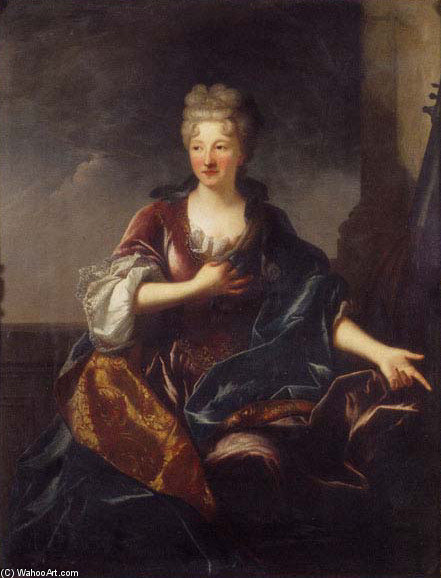
Portrait De Femme, Identified As Francoise Marie De Bourbon
 Читать далее
Масляная репродукция ручной работы
Картина маслом на холсте в выбранном вами размере и раме, написанная на заказ нашими художниками. ( Перейти к печати Перейти к цифровым изображениям)




































Выберите один из наших стандартных размеров, соответствующих оригинальным пропорциям произведения искусства.

Вы можете указать собственные размеры, чтобы картина идеально вписалась в выбранную раму или пространство. Если выбранный вами размер не соответствует пропорциям оригинала, мы либо обрежем полотно, либо расширим его за счет дополнительных элементов, написанных вручную. Цифровой макет будет отправлен вам на утверждение перед началом производства.
Обратите внимание, что предварительный просмотр на экране не отражает фактическую обрезку или расширение. Только макет точно покажет окончательную композицию.
Хотя доступны индивидуальные размеры, мы рекомендуем выбирать вариант из предопределенного списка, чтобы сохранить исходные пропорции.
После оформления заказа команда ArtsDot.com свяжется с клиентом по электронной почте для уточнения деталей и предоставит предварительный макет
Доставка по всему миру () за 3–4 недели вместо стандартных 5 недель. (13 Сентябрь). Без компромиссов в качестве.

Бесплатная экспресс-доставка по всему миру

Высококачественный льняной холст

Полное страхование доставки

Гарантия возмещения таможенных пошлин

Гарантия точного соответствия цветов

100-дневная политика возврата (только при обнаружении дефектов)

Гарантия возврата 100% средств

Предложение оптовых скидок
 Вариант со стеклом доступен только для размеров менее 110 см

Portrait De Femme, Identified As Francoise Marie De Bourbon
Техника репродукции
Размер репродукции
-


Итоговая стоимость
$ 263
Похожие произведения
Биография художника
Jean Ranc (1674 – 1735): A Parisian Portraitist Bridging Baroque and Rococo
Jean Ranc, born in Montpellier in 1674, was a French painter who achieved considerable renown during the reign of Louis XV and Philip V of Spain. His artistic journey began under the tutelage of his father, Antoine Ranc, a provincial portraitist himself, and Hyacinthe Rigaud, whose influence profoundly shaped Ranc’s style and career trajectory. Rigaud's studio became Ranc’s formative environment, fostering connections with fellow artists and establishing him firmly within the Parisian art scene.- Early Training & Influences: Antoine Ranc instilled in Jean a passion for painting and exposed him to European masters—a legacy that would continue through Rigaud’s mentorship. Rigaud's meticulous technique, particularly his masterful sfumato, became a cornerstone of Ranc’s artistic approach.
- Parisian Engagement & Academic Recognition: Moving to Paris in 1696, Ranc enrolled at the Académie Royale de Peinture et de Sculpture in December 1700 and was formally admitted as a portraitist on July 28, 1703. Despite aspirations for historical painting—a path less favored by the Academy—Ranc excelled in capturing likenesses with remarkable precision and elegance.
The Rigaudian Style & Patronage
Ranc’s artistic style closely mirrored that of Hyacinthe Rigaud, characterized by a refined Rococo aesthetic infused with subtle realism. Rigaud's influence extended beyond technique; he championed a new iconography for the Bourbon monarchy, emphasizing dignity and composure—principles Ranc skillfully adopted in his portraits. He secured commissions from prominent figures of Parisian society, including François Verdier and Carlos III de España, demonstrating his ability to adapt to diverse artistic tastes. Notably, Rigaud actively steered Ranc towards collaborations with younger artists destined for service abroad, recognizing the importance of establishing connections within international artistic circles.- Notable Commissions: Ranc’s portraits of Verdier and Carlos III exemplify his dedication to capturing character and conveying emotion through nuanced observation.
A Career Marked by Distinction & Challenges
Despite Rigaud's guidance, Ranc never achieved official recognition as a history painter—a significant impediment in the competitive landscape of Parisian art academies. However, he persevered as a respected portraitist, earning acclaim for his ability to portray subjects with sensitivity and artistic finesse. His work gained particular prominence during Philip V’s reign in Spain, where repeated criticisms regarding the quality of French portraits sent by the court underscored the difficulties faced by artists attempting to establish themselves abroad.Legacy & Artistic Significance
Jean Ranc's contribution to 18th-century portraiture lies in his embodiment of the Rigaudian style—a synthesis of Baroque grandeur and Rococo delicacy that solidified its position as a dominant aesthetic during Philip V’s reign. His meticulous attention to detail, combined with an understanding of psychological nuance, ensured his place among the most celebrated artists of his time. Today, Ranc's paintings reside primarily in the Musée National Jean-Jacques Henner, offering visitors a rare glimpse into the artistic sensibilities of the Bourbon era and showcasing the enduring power of portraiture as a medium for conveying identity and status.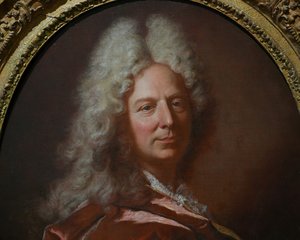
Jean Ranc
1674 - 1735 , France
Основные сведения
- Artistic Movement Or Style: Baroque/Neoclassical
- Artists Who Influenced This Artist:
- Hyacinthe Rigaud
- Antoine Ranc
- Date Of Birth: 1674
- Full Name: Jean Ranc
- Nationality: French
- Notable Artworks:
- Vertumnus And Pomona
- Retrato De Carlos III
- jean ranc
- Place Of Birth: Montpellier, France