

 Предпросмотр
 Поделиться
 Поделиться
 Детали произведения

 Скачать
 Похожие работы
 Рентгенография
 Слайд-шоу
 Статистика
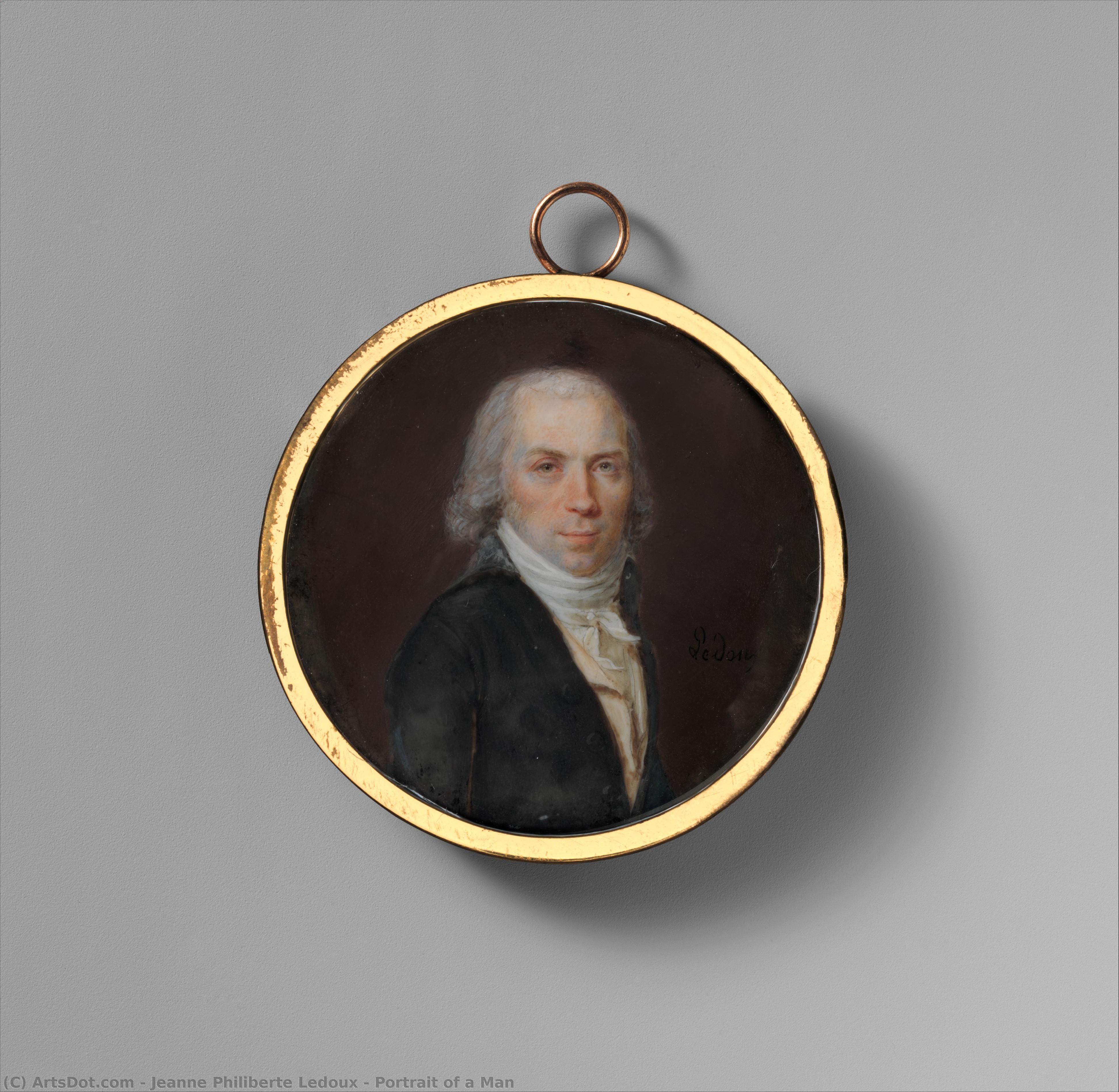
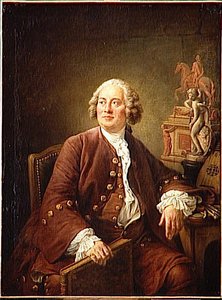
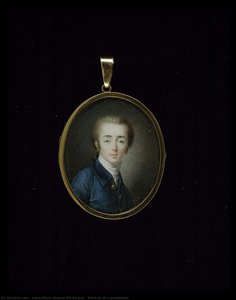
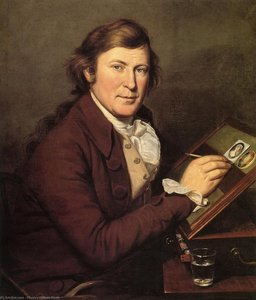
Portrait of a Man


 Читать далее
Приобретите цифровое изображение высокого разрешения в улучшенном качестве, которое значительно превосходит онлайн-превью.
Каждый файл тщательно подготавливается нашими специалистами с использованием передовых инструментов и экспертной ручной ретуши. Мы гарантируем исключительную четкость, точную цветопередачу и детальную проработку каждого изображения.
Финальный файл доставляется по электронной почте в течение 72 часов и оптимизирован для немедленного использования в профессиональной среде, при верстке и печати. Это тот же уровень качества, которому доверяют ведущие дизайнерские студии, издательства и галереи.
Цифровое изображение
Скачайте файл высокого разрешения для личного использования, печати и творческих проектов. ( Перейти к печати Купить картину ручной работы)
Включено в каждый заказ цифровых изображений
Гарантия экспертной цифровой доставки
Выбирая ArtsDot.com, вы получаете не просто изображение — вы приобретаете профессионально обработанное цифровое произведение искусства, созданное с безупречной точностью и под защитой гарантии качества. Вот всё, что автоматически входит в ваш заказ:

Мгновенная доставка по e-mail
Ваш цифровой файл в высоком разрешении будет отправлен вам по электронной почте в течение 72 часов после оформления заказа — и сразу станет доступен для использования.

Цифровой файл с ИИ-улучшением
Ваше произведение искусства проходит профессиональную оптимизацию с использованием передовых инструментов ИИ и ручной обработки, что гарантирует максимальную детализацию, четкость и точность цветопередачи.

Бессрочная бесплатная повторная доставка
Случайно удалили или потеряли файл? Не беспокойтесь — мы отправим его вам повторно в любое время и совершенно бесплатно.

Без импортных пошлин — навсегда
Наслаждайтесь вашим произведением искусства мгновенно без таможенных пошлин, сборов или затрат на доставку — цифровые загрузки всегда не облагаются налогом.

Гарантия точности цветопередачи
Мы гарантируем, что ваше цифровое изображение максимально точно передает оригинальные цвета благодаря использованию профессиональных инструментов и систем управления цветом.

Гарантия удовлетворенности 100 дней
Если вы не будете удовлетворены своим цифровым изображением, мы внесем правки или вернем 100% стоимости в течение 100 дней — без лишних вопросов.

100% Гарантия возврата средств
Не удовлетворены покупкой? Получите полный возврат средств в течение 100 дней после получения цифрового файла — без лишних вопросов.

Скидки на оптовые заказы
Купите 3 изображения, сэкономьте 10% — Купите 5, сэкономьте 15% — Купите 10+, сэкономьте 20%. Отличное решение для творческих проектов, галерей и агентств.
Похожие произведения
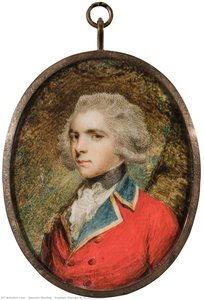
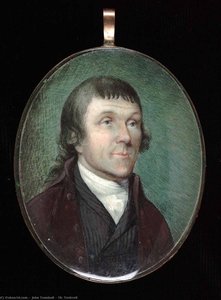
Биография художника
A Delicate Brushstroke in a Tumultuous Era: The Life and Art of Jeanne-Philiberte Ledoux
Jeanne-Philiberte Ledoux, born in Paris in 1767, emerged as a painter during a period defined by radical change. Her life spanned the final years of the Ancien Régime, the upheaval of the French Revolution, and the rise and fall of Napoleon’s Empire—a backdrop that profoundly shaped not only her artistic sensibilities but also the opportunities available to a woman pursuing a career in painting. While historical records remain fragmented, piecing together Ledoux's story reveals a determined artist who navigated societal constraints with grace and talent, leaving behind a body of work characterized by delicate miniatures, intimate portraits, and a subtle emotional depth that sets her apart from many of her contemporaries. Her early artistic education began under the tutelage of her father, Claude-Nicolas Ledoux, an architect renowned for his visionary neoclassical designs—a formative experience that instilled in her an appreciation for form, structure, and the ideals of Enlightenment thought. However, it was Jean-Baptiste Greuze who would become her primary influence, guiding her hand towards a style steeped in realism and psychological nuance.The Salon Years: Establishing a Presence
Ledoux first exhibited publicly at the Salon in 1793, a pivotal moment for any aspiring artist of the time. Presenting three paintings—Painting at Rest, Little Girls at a Crossroads, and Concealed Love—she immediately signaled her artistic inclinations: a preference for genre scenes imbued with quiet emotion, rather than grand historical narratives or formal portraiture of the elite. This was a strategic choice, perhaps dictated by circumstance but also reflective of her own aesthetic leanings. The Revolution had temporarily loosened the rigid constraints imposed by the Académie royale des peintures et sculptures, allowing women greater access to exhibition spaces. Ledoux seized this opportunity, becoming a frequent exhibitor at the Salons for nearly three decades, until 1819. Her consistent presence—a remarkable feat given the challenges faced by female artists—established her as a recognized, though often overlooked, figure in the Parisian art world. The subjects of her paintings frequently centered around children and young women, rendered with a tenderness and psychological insight that resonated with audiences seeking respite from the political turmoil surrounding them.Greuze’s Influence and Ledoux's Distinct Voice
The impact of Jean-Baptiste Greuze on Ledoux’s artistic development is undeniable. He was celebrated for his ability to capture the emotional lives of ordinary people, particularly in his portraits of young women and children—a style that proved immensely popular during the pre-Revolutionary era. Ledoux absorbed this influence, mastering the techniques of rendering delicate features, expressive gestures, and nuanced emotions. However, she wasn’t merely an imitator. While Greuze often employed moralizing symbolism within his genre scenes, Ledoux tended towards a more subtle approach. Her figures are less didactic, their emotional states conveyed through quiet introspection rather than overt narrative. Ann Sutherland Harris and Linda Nochlin, in their seminal work *Women Artists 1550–1950*, note that Ledoux “exploited the popularity of his head studies of beautiful young women and children, often depicted with animals, whose perfectly rounded features are frequently tinged with melancholy induced by the death of a pet sparrow or the temporary absence of a lover.” This ability to evoke emotion through understated means is perhaps her most defining characteristic.Technique and Subject Matter: A Focus on Intimacy
Ledoux worked primarily in oil and gouache, demonstrating a mastery of both mediums. Her miniatures—small-scale portraits often executed on ivory—are particularly noteworthy for their exquisite detail and delicate rendering of light and shadow. These works showcase her technical skill and her ability to capture the likenesses of her sitters with remarkable precision. However, it is in her larger oil paintings that her artistic voice truly shines. Allegory of the Republic, exhibited during the Reign of Terror, exemplifies her unique approach to history painting. While adhering to neoclassical principles of composition and symbolism, Ledoux imbues the figure of the Republic with a vulnerability and humanity rarely seen in the works of her male contemporaries. Her later portraits—such as *Portrait of Greuze*—reveal a shift towards a more informal style, characterized by simplified compositions and expressive brushwork. This willingness to experiment and adapt demonstrates her artistic curiosity and her desire to move beyond mere imitation.Historical Significance: Rediscovering a Forgotten Talent
Jeanne-Philiberte Ledoux’s career was ultimately overshadowed by the broader historical forces that marginalized women artists in the 19th century. After the Restoration, opportunities for female painters diminished, and many were relegated to the realm of amateur artistry. Her death in 1840 passed largely unnoticed, and her work faded into obscurity. However, recent scholarship has begun to redress this imbalance, recognizing Ledoux as a significant figure in French art history.- Her consistent exhibition record at the Salons demonstrates her determination and professional commitment.
- Her unique blend of neoclassical rigor and emotional intimacy sets her apart from many of her contemporaries.
- Her work provides valuable insights into the lives and experiences of women artists during a period of profound social and political change.
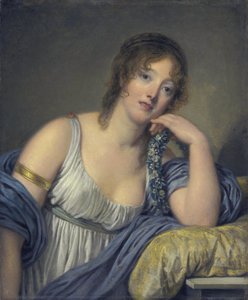
jeanne-philiberte ledoux
1767 - 1840 , France
Основные сведения
- Artistic Movement Or Style: Miniature & Portraiture
- Artists Who Influenced This Artist: ['Jean-Baptiste Greuze']
- Date Of Birth: 1767
- Date Of Death: 1840
- Full Name: Jeanne-Philiberte Ledoux
- Nationality: French
- Notable Artworks:
- Painting at Rest
- Little Girls at a Crossroads
- Concealed Love
- Portrait of a Man
- Place Of Birth: Paris, France