

 Предпросмотр
 Поделиться
 Поделиться
 Детали произведения

 Скачать
 Похожие работы
 Рентгенография
 Слайд-шоу
 Статистика
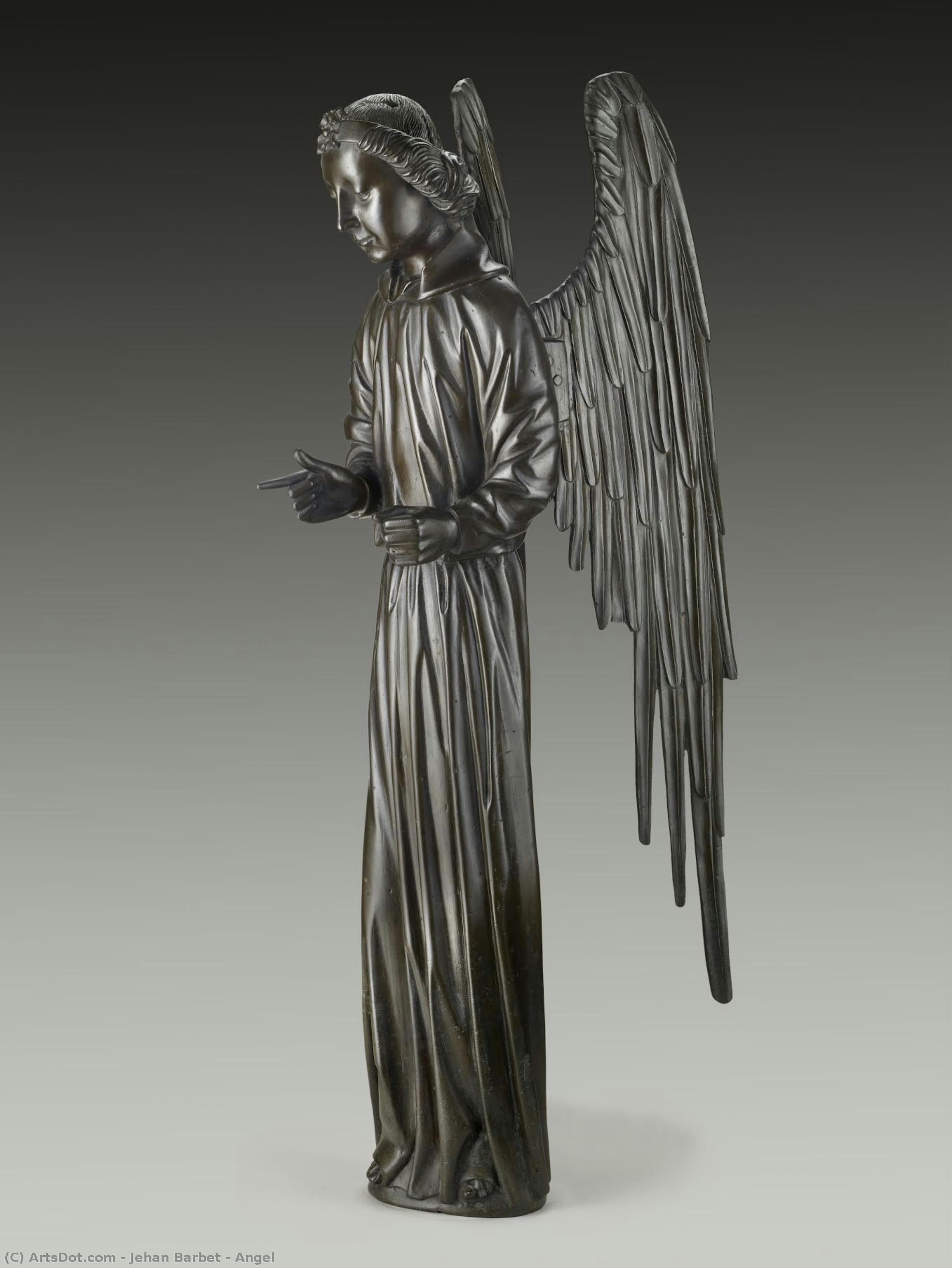
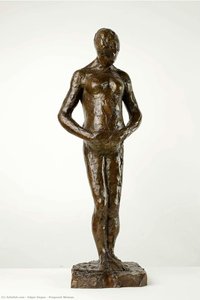
Angel


 Читать далее
Жикле / Арт-принт
Печать (жикле) или холст музейного качества с быстрыми сроками изготовления и широким выбором вариантов отделки. ( Купить картину ручной работы Перейти к цифровым изображениям)




































Выберите один из наших стандартных размеров, соответствующих оригинальным пропорциям произведения искусства.

Вы можете указать свои собственные размеры, чтобы репродукция идеально подошла под конкретную раму или пространство. Если выбранный вами размер не будет соответствовать пропорциям оригинала, мы либо обрежем произведение, либо дополним изображение зеркальным отражением краев или однотонной заливкой. Перед началом производства вам будет отправлен цифровой макет для утверждения.
Пожалуйста, обратите внимание, что предварительный просмотр на экране не отображает фактическую обрезку или расширение изображения. Только макет точно покажет финальную композицию.
Несмотря на возможность заказа индивидуальных размеров, мы рекомендуем выбирать размер из предопределенного списка, чтобы сохранить оригинальные пропорции.
Доставка по всему миру () за 2 недели вместо стандартных 4/5 недель. (13 Сентябрь)

Бесплатная экспресс-доставка по всему миру

Высококачественный льняной холст

Полное страхование доставки

Гарантия возмещения таможенных пошлин

Гарантия точного соответствия цветов

100-дневная политика возврата (только при обнаружении дефектов)

Гарантия возврата 100% средств

Предложение оптовых скидок
 Вариант со стеклом доступен только для размеров менее 110 см

Angel
Жикле / Арт-принт
Размер репродукции
-


Итоговая стоимость
$ 62
Похожие произведения


Биография художника
Jehan Barbet: A Master of Late Gothic Bronze
Born in the bustling heart of Paris around 1450, Jehan Barbet (also known as Jean Barbet) emerged during a pivotal era in French art – the late Gothic period. His life, though tragically brief, spanning from his birth to his death in 1501, coincided with a fascinating transition between the stylized elegance of the medieval and the burgeoning realism of the Renaissance. Barbet’s legacy rests primarily on his exceptional skill as a bronze sculptor, a medium he expertly wielded to capture both spiritual depth and remarkable anatomical detail. He wasn't merely a craftsman; he was an artist deeply attuned to the aesthetic sensibilities of his time, reflecting the complex interplay of tradition and innovation that defined 15th-century France.Early Life and Artistic Training
Details surrounding Barbet’s early life are scarce, shrouded in the typical obscurity of artists working during this period. It is believed he received his initial training within the workshops of Parisian sculptors, absorbing the techniques and stylistic conventions prevalent at the time. The late Gothic style, characterized by its elongated figures, intricate drapery, and often emotionally charged expressions, heavily influenced his formative years. This era was marked by a renewed interest in classical antiquity, albeit filtered through a distinctly Christian lens. While direct Roman influences were limited, the desire to emulate the idealized forms of Greek sculpture subtly began to permeate French art, a trend Barbet would later embrace. The workshops themselves were centers of not just artistic production but also social and intellectual exchange, providing young sculptors with access to patrons, materials, and the latest developments in artistic theory.The Angel: A Defining Masterpiece
Perhaps Barbet’s most celebrated work is his bronze sculpture “Angel” (1475), a piece that encapsulates the essence of his artistry. This dynamic depiction of an angel isn't simply a representation of divine grace; it’s a study in movement, emotion, and anatomical precision. The statue showcases a remarkable understanding of human musculature, rendered with a level of realism previously uncommon in religious sculpture. Notice the subtle curve of the wings, the delicate fingers reaching out in supplication, and the expression of profound serenity on the angel's face – all hallmarks of Barbet’s skill. The work demonstrates a clear shift towards classical influences, particularly in the contrapposto pose (weight shifted to one leg), which creates a sense of naturalism and balance. The use of bronze itself—a material prized for its durability and ability to capture detail—further elevates the sculpture's impact. It’s important to note that this piece wasn’t created in isolation; Barbet likely drew inspiration from both contemporary Gothic models and emerging classical forms, skillfully blending these influences into a uniquely personal style.Technique and Materials
Barbet’s mastery lay not only in his artistic vision but also in his technical proficiency. Bronze casting was a complex process requiring considerable skill and experience. He would have worked with molds, carefully controlling the heat of the furnace to ensure an even distribution of molten bronze, minimizing imperfections and maximizing detail. The surface finish of his sculptures—often polished to a gleaming sheen—was achieved through meticulous grinding and polishing techniques. Furthermore, Barbet’s understanding of materials extended beyond bronze; he likely utilized pigments for coloring and patination to enhance the visual impact of his works. His ability to manipulate these elements contributed significantly to the lifelike quality of his sculptures.Historical Significance and Legacy
Jehan Barbet's contribution to French sculpture during the late Gothic period is significant, bridging the gap between medieval tradition and Renaissance innovation. While he didn’t achieve widespread fame during his lifetime, “Angel” stands as a testament to his exceptional talent and artistic vision. His work exemplifies the evolving aesthetic sensibilities of 15th-century France, reflecting both the enduring power of religious iconography and the growing interest in human form and naturalism. Barbet's legacy lies not just in individual masterpieces but also in his role as a pivotal figure in the transition from Gothic to Renaissance art, demonstrating how artistic styles could evolve while retaining core values and expressive power. His sculptures continue to be studied and admired for their technical skill, emotional depth, and enduring beauty.
jehan barbet
1450 - 1501 , France
Основные сведения
- Artistic Movement Or Style: Late Gothic
- Date Of Birth: 1450 Paris, France
- Date Of Death: 1501
- Full Name: Jehan Barbet
- Nationality: French
- Notable Artworks: ['Angel (1475)']
- Place Of Birth: Paris, France
Похожие статьи
The Enduring Legacy of Bronze: History, Technique & Artistic Expression for the Collector
Explore the rich history & enduring appeal of bronze sculpture with expert insights for collectors at ArtsDot. Learn about casting techniques, iconic artists, and collecting tips.

The Enduring Legacy of Bronze: A Historical & Artistic Exploration for the Collector
Explore the rich history & enduring appeal of bronze sculpture with expert insights for collectors at ArtsDot. Learn about casting techniques, iconic artists, collecting tips & contemporary interpretations.
The Enduring Legacy of Bronze Sculpture: A Collector's Guide to Form & Cultural Significance
Explore the rich history & enduring appeal of bronze sculpture with expert insights for collectors at ArtsDot. Learn about casting techniques, iconic artists, and collecting tips to build a discerning art collection.

10 легендарных бронзовых шедевров, изменивших искусство | ArtsDot
Погрузитесь в мир великих бронзовых шедевров! От Давида Донателло до Мыслителя Родена – узнайте историю создания, технику и значение легендарных скульптур. Вдохновение для интерьера и музейное качество репродукций на ArtsDot.com.

10 легендарных бронзовых скульптур, изменивших искусство навсегда | ArtsDot
Погрузитесь в мир великих бронзовых скульптур! От Давида Микеланджело до работ Родена – история искусства, техники и вдохновения. Купите репродукции шедевров для вашего интерьера на ArtsDot.com