

 Предпросмотр
 Поделиться
 Поделиться
 Детали произведения

 Скачать
 Похожие работы
 Рентгенография
 Слайд-шоу
 Статистика
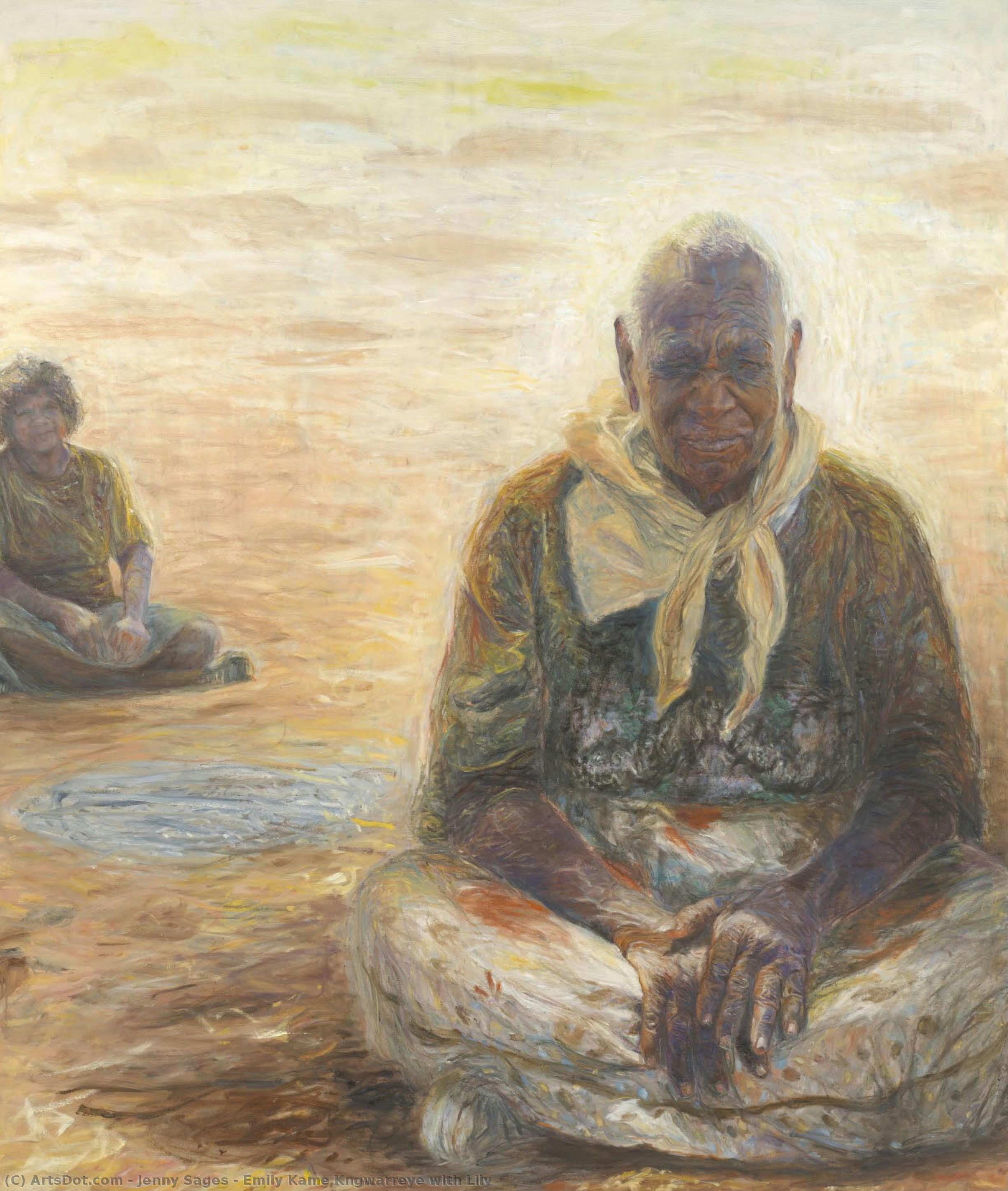
Emily Kame Kngwarreye with Lily
 Contemporary Realism
 1993
1993- Contemporary
 216.0 x 185.0 cm
 National Portrait Gallery
 Читать далее
Приобретите цифровое изображение высокого разрешения в улучшенном качестве, которое значительно превосходит онлайн-превью.
Каждый файл тщательно подготавливается нашими специалистами с использованием передовых инструментов и экспертной ручной ретуши. Мы гарантируем исключительную четкость, точную цветопередачу и детальную проработку каждого изображения.
Финальный файл доставляется по электронной почте в течение 72 часов и оптимизирован для немедленного использования в профессиональной среде, при верстке и печати. Это тот же уровень качества, которому доверяют ведущие дизайнерские студии, издательства и галереи.
Цифровое изображение
Скачайте файл высокого разрешения для личного использования, печати и творческих проектов. ( Перейти к печати Купить картину ручной работы)
Включено в каждый заказ цифровых изображений
Гарантия экспертной цифровой доставки
Выбирая ArtsDot.com, вы получаете не просто изображение — вы приобретаете профессионально обработанное цифровое произведение искусства, созданное с безупречной точностью и под защитой гарантии качества. Вот всё, что автоматически входит в ваш заказ:

Мгновенная доставка по e-mail
Ваш цифровой файл в высоком разрешении будет отправлен вам по электронной почте в течение 72 часов после оформления заказа — и сразу станет доступен для использования.

Цифровой файл с ИИ-улучшением
Ваше произведение искусства проходит профессиональную оптимизацию с использованием передовых инструментов ИИ и ручной обработки, что гарантирует максимальную детализацию, четкость и точность цветопередачи.

Бессрочная бесплатная повторная доставка
Случайно удалили или потеряли файл? Не беспокойтесь — мы отправим его вам повторно в любое время и совершенно бесплатно.

Без импортных пошлин — навсегда
Наслаждайтесь вашим произведением искусства мгновенно без таможенных пошлин, сборов или затрат на доставку — цифровые загрузки всегда не облагаются налогом.

Гарантия точности цветопередачи
Мы гарантируем, что ваше цифровое изображение максимально точно передает оригинальные цвета благодаря использованию профессиональных инструментов и систем управления цветом.

Гарантия удовлетворенности 100 дней
Если вы не будете удовлетворены своим цифровым изображением, мы внесем правки или вернем 100% стоимости в течение 100 дней — без лишних вопросов.

100% Гарантия возврата средств
Не удовлетворены покупкой? Получите полный возврат средств в течение 100 дней после получения цифрового файла — без лишних вопросов.

Скидки на оптовые заказы
Купите 3 изображения, сэкономьте 10% — Купите 5, сэкономьте 15% — Купите 10+, сэкономьте 20%. Отличное решение для творческих проектов, галерей и агентств.
Похожие произведения

Биография художника
Jenny Sages: A Landscape Painter Inspired by Ancient Cultures
Jenny Sages (born 1933 in Shanghai, China) is an Archibald Prize People’s Choice Award winning Australian artist renowned for her distinctive abstract landscape paintings and portraits. Her artistic journey began in Shanghai where she experienced the formative influences of Russian Jewish heritage before relocating to Australia in 1948 following the Second World War. Despite facing challenges including expulsion from East Sydney Technical College, Sages persevered with her studies at Franklin School of Art in New York, establishing herself as a freelance writer and illustrator for Vogue Australia until the 1980s—a period marked by significant creative exploration. A pivotal moment arrived in 1983 when she embarked on a transformative expedition to Kimberley, Western Australia. The breathtaking landscapes and vibrant indigenous culture profoundly impacted her artistic vision, sparking an enduring fascination with Aboriginal traditions and informing her subsequent work. This experience solidified her commitment to capturing the essence of place through layered encaustic wax and pigment—a technique that prioritizes minimal brushwork and allows for a remarkable textural depth. Sages’ artistic evolution unfolded steadily throughout the 1980s and 1990s, culminating in her breakthrough success with *After Jack*, a poignant pencil portrait commissioned by Helen Garner in 2003—a piece that exemplifies her signature style's ability to convey emotion through subtle shading and meticulous detail. Her dedication to capturing human experience is further demonstrated in *Study (b) for portrait of Helen Garner*, which showcases the same expressive approach. Her artistic career gained considerable momentum with awards from prestigious organizations like Kedumba Drawing Award (2006), the Wynne Prize (2005), and the Mosman Art Prize (1994). Notably, she secured the Archibald Prize People’s Choice Award in 2012—a testament to her enduring popularity among audiences. Furthermore, Sages was recognized as a finalist for the Wynne Prize and Archibald Prize multiple times, cementing her position as one of Australia's most respected contemporary artists. Her work continues to be celebrated for its evocative beauty and profound engagement with cultural heritage.Technique and Style: Wax Pigments and Minimal Brushwork
Sages’ artistic process distinguishes itself through the masterful use of encaustic wax—a technique dating back centuries—combined with powdered pigments. Unlike conventional oil painting, encaustic involves fusing beeswax mixed with resin onto prepared boards, creating a surface that is remarkably stable and receptive to layering colors. This method allows for unparalleled textural control and produces paintings characterized by luminous hues and subtle gradations—a deliberate departure from more assertive brushstrokes. The artist’s preference for minimal brushwork underscores her belief in allowing the wax itself to dictate the visual outcome, resulting in artworks imbued with a serene stillness and an understated elegance.Notable Works: Landscapes and Portraits
Among Sages' impressive oeuvre are several celebrated pieces that exemplify her artistic vision. *Sages*, created in 2017, is a vibrant graffiti masterpiece rendered in red, yellow & green—a bold statement of color and form reflecting the artist’s fascination with urban environments. Similarly, *Untitled (Study for)* captures a contemplative mood through a detailed pencil portrait of a man's face—demonstrating Sages’ meticulous attention to capturing human expression. Her Archibald Prize-winning portrait *After Jack*, completed in 2012, remains an iconic representation of vulnerability and introspection.Recognition and Legacy
Jenny Sages has garnered widespread acclaim for her artistic contributions—receiving awards from organizations such as Kedumba Drawing Award (2006), the Wynne Prize (2005), and the Mosman Art Prize (1994). Her work is held in prominent national collections including The National Portrait Gallery and the National Library, Canberra; Art Gallery of NSW; Queensland Art Gallery | Gallery of Modern Art; Northern Territory Museum and Gallery. Moreover, her enduring influence extends beyond the realm of art—she has been featured prominently in documentaries exploring Aboriginal culture and artistic traditions. Her legacy as a pioneering landscape painter and portraitist continues to inspire artists and collectors alike.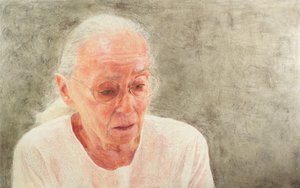
Дженни Сейджес
1933 -