

 Предпросмотр
 Поделиться
 Поделиться
 Детали произведения

 Скачать
 Похожие работы
 Рентгенография
 Слайд-шоу
 Статистика
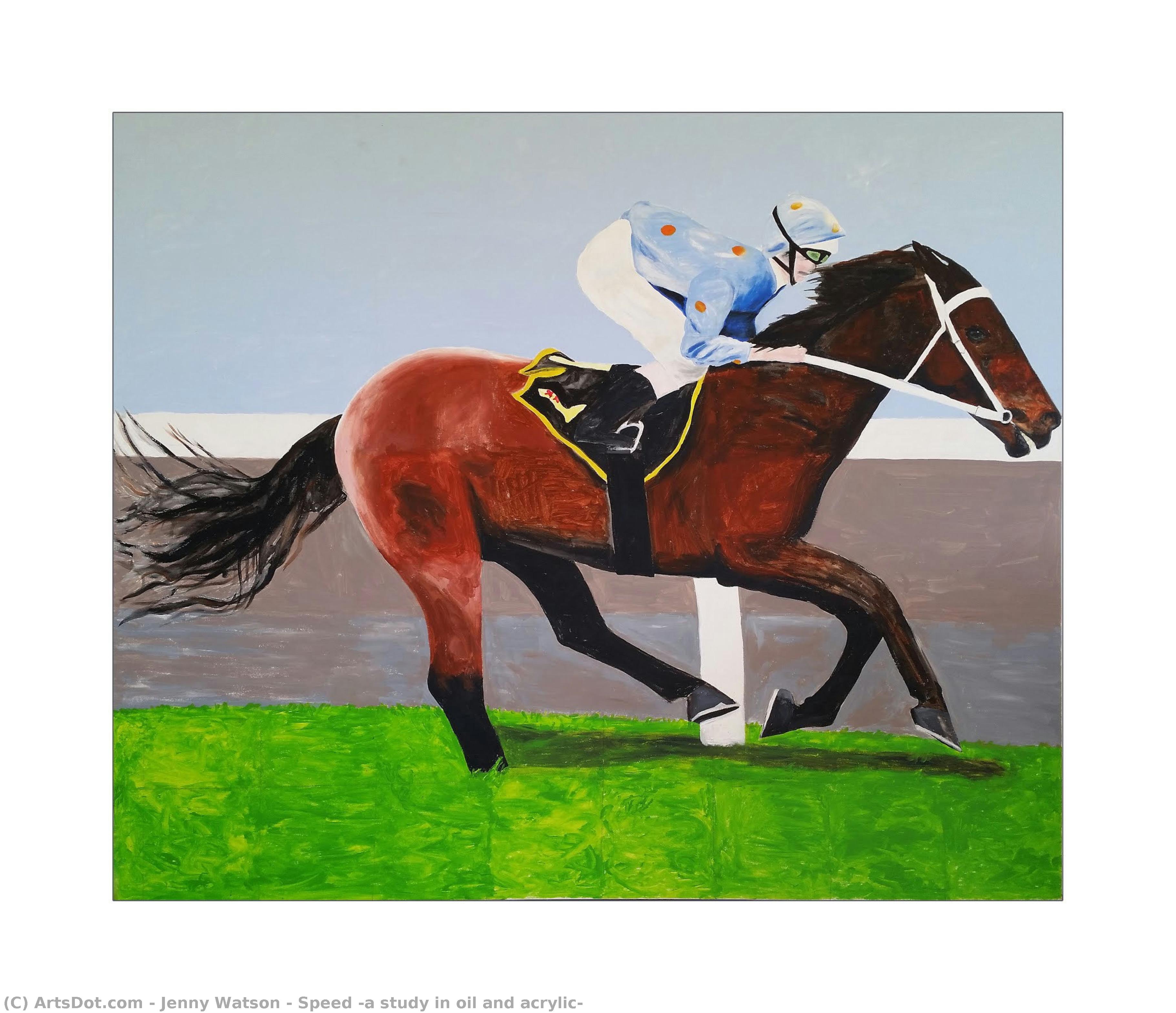
Speed (a study in oil and acrylic)
 2014
2014 162.0 x 184.0 cm
 Ian Potter Museum of Art
 Читать далее
Приобретите цифровое изображение высокого разрешения в улучшенном качестве, которое значительно превосходит онлайн-превью.
Каждый файл тщательно подготавливается нашими специалистами с использованием передовых инструментов и экспертной ручной ретуши. Мы гарантируем исключительную четкость, точную цветопередачу и детальную проработку каждого изображения.
Финальный файл доставляется по электронной почте в течение 72 часов и оптимизирован для немедленного использования в профессиональной среде, при верстке и печати. Это тот же уровень качества, которому доверяют ведущие дизайнерские студии, издательства и галереи.
Цифровое изображение
Скачайте файл высокого разрешения для личного использования, печати и творческих проектов. ( Перейти к печати Купить картину ручной работы)
Включено в каждый заказ цифровых изображений
Гарантия экспертной цифровой доставки
Выбирая ArtsDot.com, вы получаете не просто изображение — вы приобретаете профессионально обработанное цифровое произведение искусства, созданное с безупречной точностью и под защитой гарантии качества. Вот всё, что автоматически входит в ваш заказ:

Мгновенная доставка по e-mail
Ваш цифровой файл в высоком разрешении будет отправлен вам по электронной почте в течение 72 часов после оформления заказа — и сразу станет доступен для использования.

Цифровой файл с ИИ-улучшением
Ваше произведение искусства проходит профессиональную оптимизацию с использованием передовых инструментов ИИ и ручной обработки, что гарантирует максимальную детализацию, четкость и точность цветопередачи.

Бессрочная бесплатная повторная доставка
Случайно удалили или потеряли файл? Не беспокойтесь — мы отправим его вам повторно в любое время и совершенно бесплатно.

Без импортных пошлин — навсегда
Наслаждайтесь вашим произведением искусства мгновенно без таможенных пошлин, сборов или затрат на доставку — цифровые загрузки всегда не облагаются налогом.

Гарантия точности цветопередачи
Мы гарантируем, что ваше цифровое изображение максимально точно передает оригинальные цвета благодаря использованию профессиональных инструментов и систем управления цветом.

Гарантия удовлетворенности 100 дней
Если вы не будете удовлетворены своим цифровым изображением, мы внесем правки или вернем 100% стоимости в течение 100 дней — без лишних вопросов.

100% Гарантия возврата средств
Не удовлетворены покупкой? Получите полный возврат средств в течение 100 дней после получения цифрового файла — без лишних вопросов.

Скидки на оптовые заказы
Купите 3 изображения, сэкономьте 10% — Купите 5, сэкономьте 15% — Купите 10+, сэкономьте 20%. Отличное решение для творческих проектов, галерей и агентств.
Похожие произведения









Биография художника
Early Life and Artistic Foundations
Jennifer Watson, born in Melbourne, Australia, in 1951, emerged as a significant voice in the Australian art landscape during a period of profound change and experimentation. Her formative years in the 1970s were deeply influenced by the burgeoning conceptual art movement, coupled with the raw energy of the punk scene—both in her native Melbourne and during time spent in London. This unique confluence of intellectual rigor and rebellious spirit would become a defining characteristic of her work. Watson’s early education included a Diploma of Painting from the National Gallery of Victoria Art School in 1972, followed by a Diploma of Education at the State College of Victoria in 1973. However, it wasn't merely formal training that shaped her artistic trajectory; rather, it was an instinctive rejection of conventional representation and a desire to explore new modes of visual communication. She held her first solo exhibition in 1973, marking the beginning of a career dedicated to challenging boundaries and forging a distinctly personal aesthetic.A Conceptual Approach to Autobiographical Painting
Watson’s art is often described as ‘conceptual painting,’ but this label only partially captures its complexity. While deeply rooted in conceptual ideas—particularly concerning the relationship between language, image, and subjectivity—her work consistently manifests as intensely personal and emotionally resonant paintings. She strategically moved away from realism in the 1970s, developing a visual language that combines whimsical imagery with fragments of text, often sourced from everyday life or her own internal monologue. This deliberate combination creates a dialogue between the conscious and subconscious, inviting viewers to contemplate the interplay between memory, fantasy, feminism, and personal experience. Her paintings aren’t simply representations *of* things; they are explorations *into* the very nature of representation itself. Watson herself describes her practice as a “painted diary,” suggesting an ongoing process of self-discovery and documentation through art.Influences and Development: Punk, Feminism, and Beyond
The impact of punk on Watson’s work is often underestimated. The DIY ethos, anti-establishment stance, and raw aesthetic of the movement provided a crucial framework for her rejection of traditional artistic norms. This rebellious spirit translated into a willingness to experiment with unconventional materials—particularly fabrics—and a refusal to adhere to established hierarchies within the art world. Simultaneously, the second-wave feminist movement profoundly shaped her perspective, encouraging her to explore themes of female identity, subjectivity, and experience. Watson’s work doesn't explicitly champion any particular political agenda; rather, it subtly interrogates societal norms and challenges patriarchal structures through its intimate and personal narratives. Her paintings frequently feature recurring figures—often self-portraits or representations of women—who embody a sense of resilience, vulnerability, and quiet strength.Major Achievements and International Recognition
Throughout the 1980s, Watson gained prominence in Australia as a leading figure in the investigation of visual representation. Her unique approach to painting—combining text and image with an intimate emotional depth—set her apart from her contemporaries. In 1993, she achieved significant international recognition by representing Australia at the 45th Venice Biennale, a pivotal moment in her career that solidified her position on the global art stage. More recently, a major survey of her work was presented at the Museum of Contemporary Art in Sydney and Heide Museum of Modern Art in Melbourne in 2017, offering a comprehensive overview of her four-decade-long practice. Her paintings are now held in numerous prestigious collections worldwide, including the Art Gallery of New South Wales, the National Gallery of Australia, and the Yokohama Museum of Art.Historical Significance and Lasting Legacy
Jenny Watson’s contribution to Australian art extends beyond her individual body of work. She has paved the way for a generation of artists who embrace autobiographical narratives and challenge conventional notions of representation. Her willingness to blend conceptual rigor with personal emotion, coupled with her distinctive visual language, has had a lasting impact on contemporary painting practice. Watson’s legacy lies in her ability to create art that is both deeply personal and universally relatable, inviting viewers to contemplate the complexities of human experience through a unique and captivating lens. Her work continues to be celebrated for its subtle humor, acerbic emotional detail, and enduring relevance in an ever-changing artistic landscape. She remains a vital force in Australian art, mentoring emerging artists at Queensland College of Art, Griffith University, and continuing to push the boundaries of painting through her ongoing practice.
jenny watson
1951 -