

 Предпросмотр
 Поделиться
 Поделиться
 Детали произведения

 Скачать
 Похожие работы
 Рентгенография
 Слайд-шоу
 Статистика
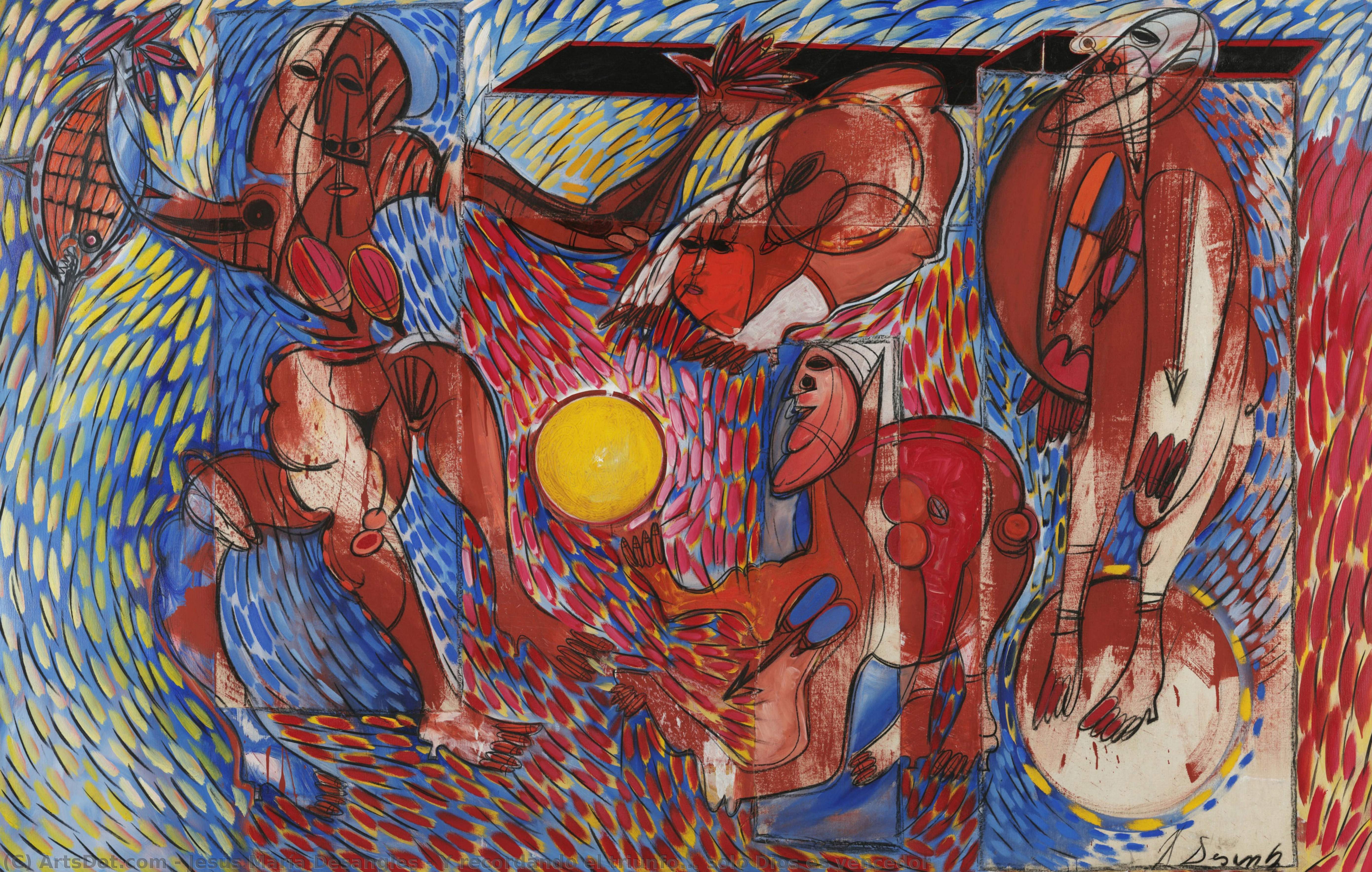
Y recordando el triunfo... solo Dios es vencedor


 Читать далее
Приобретите цифровое изображение высокого разрешения в улучшенном качестве, которое значительно превосходит онлайн-превью.
Каждый файл тщательно подготавливается нашими специалистами с использованием передовых инструментов и экспертной ручной ретуши. Мы гарантируем исключительную четкость, точную цветопередачу и детальную проработку каждого изображения.
Финальный файл доставляется по электронной почте в течение 72 часов и оптимизирован для немедленного использования в профессиональной среде, при верстке и печати. Это тот же уровень качества, которому доверяют ведущие дизайнерские студии, издательства и галереи.
Цифровое изображение
Скачайте файл высокого разрешения для личного использования, печати и творческих проектов. ( Перейти к печати Купить картину ручной работы)
Включено в каждый заказ цифровых изображений
Гарантия экспертной цифровой доставки
Выбирая ArtsDot.com, вы получаете не просто изображение — вы приобретаете профессионально обработанное цифровое произведение искусства, созданное с безупречной точностью и под защитой гарантии качества. Вот всё, что автоматически входит в ваш заказ:

Мгновенная доставка по e-mail
Ваш цифровой файл в высоком разрешении будет отправлен вам по электронной почте в течение 72 часов после оформления заказа — и сразу станет доступен для использования.

Цифровой файл с ИИ-улучшением
Ваше произведение искусства проходит профессиональную оптимизацию с использованием передовых инструментов ИИ и ручной обработки, что гарантирует максимальную детализацию, четкость и точность цветопередачи.

Бессрочная бесплатная повторная доставка
Случайно удалили или потеряли файл? Не беспокойтесь — мы отправим его вам повторно в любое время и совершенно бесплатно.

Без импортных пошлин — навсегда
Наслаждайтесь вашим произведением искусства мгновенно без таможенных пошлин, сборов или затрат на доставку — цифровые загрузки всегда не облагаются налогом.

Гарантия точности цветопередачи
Мы гарантируем, что ваше цифровое изображение максимально точно передает оригинальные цвета благодаря использованию профессиональных инструментов и систем управления цветом.

Гарантия удовлетворенности 100 дней
Если вы не будете удовлетворены своим цифровым изображением, мы внесем правки или вернем 100% стоимости в течение 100 дней — без лишних вопросов.

100% Гарантия возврата средств
Не удовлетворены покупкой? Получите полный возврат средств в течение 100 дней после получения цифрового файла — без лишних вопросов.

Скидки на оптовые заказы
Купите 3 изображения, сэкономьте 10% — Купите 5, сэкономьте 15% — Купите 10+, сэкономьте 20%. Отличное решение для творческих проектов, галерей и агентств.
A Celebration of Spirit and Human Connection
In the vibrant tapestry of contemporary Dominican art, few works capture the essence of communal joy and spiritual reflection as poignantly as "Y recordando el triunfo... solo Dios es vencedor." Painted in 1990 by the expressive Jesús María Desangles, this masterpiece serves as a window into a world where the boundaries between the secular and the divine blur seamlessly. The composition invites the viewer into a lively gathering, a moment frozen in time where the energy of a sporting event or a local festival pulses through every brushstroke. At the heart of the piece, two central figures command our attention, their presence anchored by the rhythmic motion of an object held aloft—reminiscent of a tennis racket or a baseball bat—suggesting a narrative of victory, play, and the shared triumphs of life.
The painting is a masterclass in color and movement, utilizing a palette that feels both sun-drenched and deeply emotive. Desangles employs a technique that breathes life into the figures, surrounding them with a cast of characters that populate the periphery, creating a sense of depth and social interconnectedness. The inclusion of a subtle clock in the upper corner serves as a profound memento mori, a gentle reminder of the passage of time amidst the fleeting ecstasy of human achievement. This juxtaposition between the ephemeral nature of a game and the eternal presence of the divine—as suggested by the evocative title—elevates the work from a mere social scene to a profound meditation on faith and legacy.
Symbolism and the Resonance of Heritage
To gaze upon this work is to encounter the rich cultural synthesis that defines Desangles' artistic identity. As an artist known for blending Greco-Latin and African influences, his work here acts as a bridge between ancestral heritage and modern existence. The title itself, translating to "And remembering the triumph... only God is victor," provides the spiritual compass for the entire composition. It transforms the physical act of celebration into a humble acknowledgment of a higher power, suggesting that all human successes are ultimately gifts from the divine. This layer of symbolism offers a profound emotional depth, making the painting an ideal centerpiece for those who seek art that speaks to both the joy of the present and the reverence of the spirit.
For the discerning collector or interior designer, this piece offers more than just visual splendor; it offers a narrative soul. The way the light seems to dance across the figures and the intentional use of vibrant, saturated tones create an atmosphere of optimism and resilience. Whether placed in a grand gallery setting or as a focal point in a sophisticated living space, the artwork commands the room, prompting conversation and reflection. It is a piece that does not merely decorate a wall but enriches the very environment it inhabits, bringing with it a sense of history, culture, and an enduring hope for the triumphs yet to come.
Похожие произведения



Биография художника
Rembrandt Gladys Schmitt: A Pioneer of Color and Form in the Early 1960s
Rembrandt Gladys Schmitt (born 1961), a figure whose impact on American abstract art during the early 1960s remains both vibrant and subtly profound, emerged from a period of intense experimentation and challenging established norms. While not immediately recognized as a household name, her work represents a crucial bridge between the gestural abstraction of the late 50s and the more conceptual approaches that would dominate the decade’s latter half. Schmitt's career unfolded against a backdrop of significant artistic shifts – the rise of Fluxus, the exploration of color fields by Mark Rothko and Barnett Newman, and the burgeoning interest in non-Western art forms. Her journey began with formal training at the Art Institute of Chicago, but it was her experiences living and working in Italy during the early 1960s that fundamentally shaped her artistic vision. This period proved pivotal, exposing her to the rich traditions of Italian sculpture, particularly the work of Alfredo Fioravanti, a master known for his innovative use of materials and his involvement in the controversial reconstruction of Etruscan terracotta warriors at the Metropolitan Museum of Art – an event which ultimately led to Schmitt’s own brief but significant entanglement with art forgery.Early Influences and Italian Sojourn
Schmitt's formative years were marked by a deep appreciation for both European and American artistic currents. Initially drawn to figurative painting, she gradually moved towards abstraction, influenced by the dynamic color palettes of artists like Josef Albers and the reductive forms of Barnett Newman. However, her relocation to Rome in 1961 proved transformative. The encounter with Italian sculpture, particularly Fioravanti’s work – characterized by its tactile quality and exploration of form – ignited a desire to move beyond purely visual representation. This period wasn't simply about artistic inspiration; it involved a direct engagement with the history of art, culminating in her involvement (albeit briefly) in the restoration of Etruscan artifacts at the Metropolitan Museum of Art. The subsequent confession regarding her role in the forgery scandal, while fraught with complexity and ultimately a matter of historical record, underscored her willingness to challenge conventional notions of authenticity and artistic integrity. This experience instilled within her a critical awareness of the processes involved in creating art and its relationship to history and documentation.The Los Angeles Exhibition and Fluxus Connections
Returning to the United States, Schmitt found herself deeply immersed in the vibrant experimental scene of Southern California’s art community. Her work began to coalesce around a distinctive approach characterized by layered color fields, geometric forms, and an exploration of texture. A key moment in her career arrived in August 1961 with her participation in “War Babies,” an exhibition at the Huysman Gallery in Los Angeles that showcased the radical experimentation of artists like Joe Goode, Larry Bell, and Ed Bereal. This exhibition, notable for its provocative poster design (which led to the gallery’s premature closure), aligned Schmitt with the burgeoning Fluxus movement – a loosely organized group of artists who sought to challenge traditional notions of art by incorporating everyday objects, chance operations, and performance into their work. While not formally affiliated with Fluxus, Schmitt's exploration of process and her willingness to embrace unconventional materials resonated strongly with the movement’s ethos. The exhibition featured works like “Force,” a dynamic composition utilizing layered color and geometric forms, reflecting a shift towards a more immediate and sensory experience for the viewer.Technique and Artistic Development
Schmitt's artistic technique evolved significantly throughout the early 1960s. Initially employing oil paints on canvas, she increasingly experimented with collage techniques, incorporating found objects and unconventional materials into her compositions. Her use of color became particularly sophisticated, moving beyond simple chromatic relationships to explore complex layering and subtle shifts in hue. She developed a distinctive method of applying paint – often building up layers through multiple applications and scraping away portions of the surface to reveal underlying colors and textures. This process created a sense of depth and movement within her paintings, inviting viewers to engage with the work on a tactile level. Her later works demonstrate an increasing interest in exploring the relationship between form and color, creating compositions that are both visually arresting and intellectually stimulating. The influence of artists like Helen Frankenthaler, known for her “soak-stain” technique, can be discerned in Schmitt’s approach to layering and transparency.Legacy and Historical Significance
While Rembrandt Gladys Schmitt's name may not be as widely recognized as some of her contemporaries, her contribution to the development of American abstract art during the early 1960s is undeniable. Her work stands as a testament to the spirit of experimentation that characterized this pivotal period – a time when artists were actively challenging established conventions and pushing the boundaries of artistic expression. Her involvement in the controversy surrounding the Etruscan artifacts, coupled with her engagement with Fluxus principles, highlights her willingness to embrace complexity and question the very nature of art’s authority. Schmitt's legacy lies not only in her individual artworks but also in her embodiment of a spirit of intellectual curiosity and artistic courage that continues to inspire artists today. Her work remains an important example of the dynamic and often challenging artistic landscape of early 1960s America.
jesús maría desangles
1961 - , Dominican Republic
Основные сведения
- Artistic Movement Or Style: Abstract Painting
- Artists Or Movements Influenced By This Artist:
- Ad Reinhardt
- Fluxus
- Artists Who Influenced This Artist:
- Marc Chagall
- Liao Chi-chun
- Cy Twombly
- Date Of Birth: 1961
- Full Name: Rembrandt Gladys Schmitt
- Notable Artworks:
- Bedouins Weaving
- Chloe's Judgement
- Duo
- Force