


 Предпросмотр
 Поделиться
 Поделиться
 Детали произведения

 Скачать
 Похожие работы
 Рентгенография
 Слайд-шоу
 Статистика
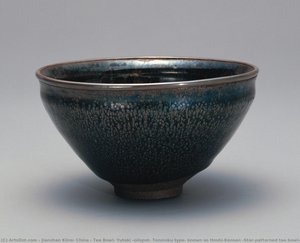
Tea Bowl, Yuteki (oilspot) Tenmoku type, known as Hoshi-Kensan (Star-patterned tea bowl)

 Читать далее
Масляная репродукция ручной работы
Картина маслом на холсте в выбранном вами размере и раме, написанная на заказ нашими художниками. ( Перейти к печати Перейти к цифровым изображениям)
































Выберите один из наших стандартных размеров, соответствующих оригинальным пропорциям произведения искусства.

Вы можете указать собственные размеры, чтобы картина идеально вписалась в выбранную раму или пространство. Если выбранный вами размер не соответствует пропорциям оригинала, мы либо обрежем полотно, либо расширим его за счет дополнительных элементов, написанных вручную. Цифровой макет будет отправлен вам на утверждение перед началом производства.
Обратите внимание, что предварительный просмотр на экране не отражает фактическую обрезку или расширение. Только макет точно покажет окончательную композицию.
Хотя доступны индивидуальные размеры, мы рекомендуем выбирать вариант из предопределенного списка, чтобы сохранить исходные пропорции.
После оформления заказа команда ArtsDot.com свяжется с клиентом по электронной почте для уточнения деталей и предоставит предварительный макет
Доставка по всему миру () за 3–4 недели вместо стандартных 5 недель. (14 Сентябрь). Без компромиссов в качестве.

Бесплатная экспресс-доставка по всему миру

Высококачественный льняной холст

Полное страхование доставки

Гарантия возмещения таможенных пошлин

Гарантия точного соответствия цветов

100-дневная политика возврата (только при обнаружении дефектов)

Гарантия возврата 100% средств

Предложение оптовых скидок
 Вариант со стеклом доступен только для размеров менее 110 см

Tea Bowl, Yuteki (oilspot) Tenmoku type, known as Hoshi-Kensan (Star-patterned tea bowl)
Техника репродукции
Размер репродукции
-


Итоговая стоимость
$ 263
Похожие произведения







Биография художника
Jianzhan Kilns: Echoes of Song Dynasty Elegance
Jianzhan kilns, nestled in the Fujian province of China, represent more than just a pottery tradition; they embody a profound connection to Chinese history and artistic sensibilities. Originating during the Song Dynasty (960–1279), these kilns achieved unparalleled renown for their distinctive stoneware tea cups—objects that continue to captivate collectors and connoisseurs today. The legacy of Jian ware stems from a confluence of factors: favorable geological conditions, masterful craftsmanship honed over centuries, and an inextricable link to the burgeoning culture of tea drinking during this golden age of Chinese civilization.- Early Origins & Geological Significance: Situated in Shui Ji region, Jianyang’s clay deposits possessed exceptional purity and plasticity—characteristics crucial for achieving the characteristic glaze effects that define Jian ware. These qualities were recognized by Song Dynasty artisans who skillfully exploited them to produce vessels of extraordinary beauty and durability.
- The Hare's Fur Glaze & Artistic Innovation: The hallmark of Jian ware is arguably its “hare’s fur” glaze—a mesmerizing phenomenon resulting from the random expulsion of excess iron during firing. This process creates a delicate, mottled surface resembling the fur of a hare, imparting an ethereal luminescence and adding to the vessel’s visual allure.
- Influence on Tea Culture: Jian ware played a pivotal role in shaping Song Dynasty tea culture. Its thick walls retained heat exceptionally well, ensuring optimal brewing temperatures—a consideration that underscored its importance as a ceremonial object. The glaze's subtle hues complemented the aroma and flavor of tea, elevating the sensory experience.
- Japanese Appreciation & Rediscovery: Jian ware’s reputation extended far beyond China’s borders, reaching Japan where it was enthusiastically embraced by Zen Buddhist monks and aristocratic patrons. Japanese collectors amassed impressive collections of Jian ware pieces—a testament to their aesthetic qualities and historical significance.
Technique & Craftsmanship: Mastering the Art of Glazing
- Clay Preparation: Jian ware artisans meticulously selected clay from Shui Ji region, subjecting it to rigorous kneading and aging processes to optimize its plasticity and consistency.
- Wheel Throwing & Shaping: Skilled potters employed wheel throwing techniques to sculpt vessels of elegant forms—typically simple cups and bowls—characterized by refined curves and balanced proportions.
- Glaze Application: Applying the hare’s fur glaze demanded precision and artistry. Artisans carefully applied multiple layers of glaze, meticulously controlling firing temperatures to induce the desired mottled surface pattern.
- Firing Process: Jian ware pieces underwent protracted firing cycles in high-temperature kilns—often exceeding 1300°C—to transform the clay into durable stoneware and achieve the characteristic glaze effects.
Lin Xi & The Revival of Jian Zhan Tradition
Contemporary artist Lin Xi has spearheaded a remarkable effort to revive Jian Zhan pottery—a tradition largely dormant for centuries. Recognizing the profound beauty and symbolic resonance of this ancient craft, Lin Xi established Taishou Jianlou Research Institute to meticulously study Han and Song Dynasty tea culture and firing techniques.
- Research & Experimentation: Lin Xi’s institute conducted extensive research into Shui Ji clay deposits and experimented with innovative glazing methods—drawing inspiration from historical precedents while embracing modern artistic sensibilities.
- Collaboration & Artistic Vision: Collaborating with Li Xiangxi, Lin Xi sought to recapture the spirit of Song Dynasty craftsmanship—producing Jian Zhan pieces that honor tradition while reflecting contemporary aesthetic values.
- Recognition & Awards: Lin Xi’s dedication and artistry garnered widespread acclaim—resulting in prestigious awards from organizations like the Art Museum of China and Hua Li Competition.
Legacy & Significance
Jianzhan kilns stand as a symbol of Song Dynasty artistic excellence—a testament to Chinese ingenuity and cultural sophistication. The revival movement led by Lin Xi ensures that Jian ware’s legacy continues to inspire artisans and collectors alike—affirming its enduring relevance in the 21st century.
jianzhan kilns, china
China
Основные сведения
- Artistic Movement Or Style: Contemporary Ceramics
- Artists Or Movements Influenced By This Artist: ['Song Dynasty Ceramics']
- Artists Who Influenced This Artist: ['Japanese Tenmoku Potters']
- Full Name: Lin Xi
- Nationality: Chinese
- Notable Artworks: ['Bo Re Zhan']
- Place Of Birth: China