 Предпросмотр
 Поделиться
 Поделиться
 Детали произведения

 Скачать
 Похожие работы
 Рентгенография
 Слайд-шоу
 Статистика
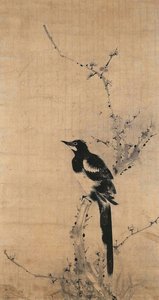
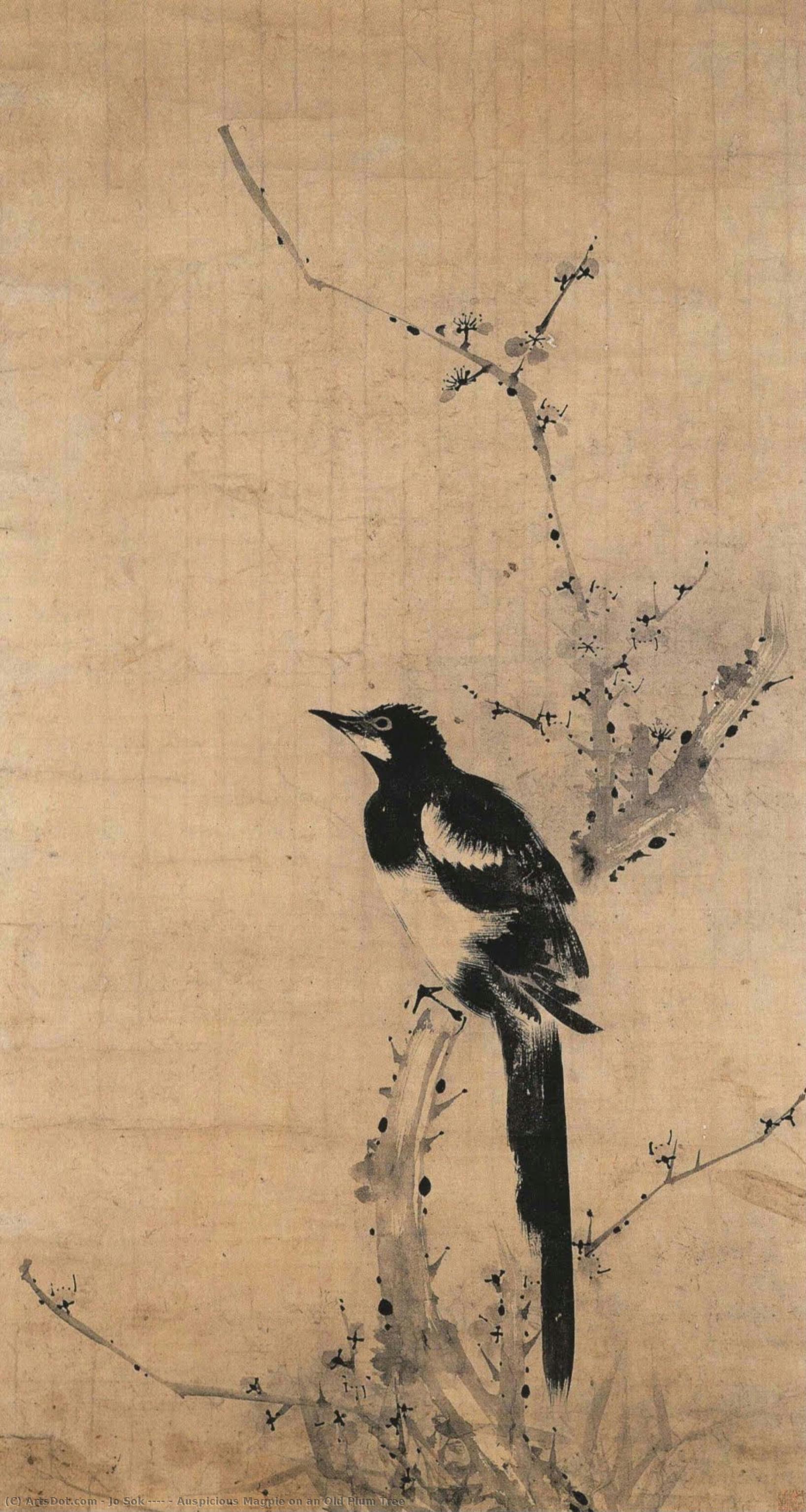
Увенчанный маргарит на старом сливе
 Акрил на холсте
- Настенный декор
- Baroque Style
 55.0 x 100.0 cm
 Национальный музей Кореи
 Читать далее
Масляная репродукция ручной работы
Картина маслом на холсте в выбранном вами размере и раме, написанная на заказ нашими художниками. ( Перейти к печати Перейти к цифровым изображениям)




P118B $10

P118H $10

P118W $10

P438Z $10

P508JH $12

P508YH $12

P805H $10

P805Z $10

P919BZ $10

P919G $10

P919XJ $10

P959ZH $10

P968JZ $12

W106C $8

W218G $10

W218JH $8

W218Y $10

W307PJ $10

W316G $10

W316PJ $8

W316Y $10

W398PJ $8

W4111J $10

W500HY $15

W500JH $15

W692G $12

W849H $8

W940BG $15

W953PJ $8




Выберите один из наших стандартных размеров, соответствующих оригинальным пропорциям произведения искусства.

Вы можете указать собственные размеры, чтобы картина идеально вписалась в выбранную раму или пространство. Если выбранный вами размер не соответствует пропорциям оригинала, мы либо обрежем полотно, либо расширим его за счет дополнительных элементов, написанных вручную. Цифровой макет будет отправлен вам на утверждение перед началом производства.
Обратите внимание, что предварительный просмотр на экране не отражает фактическую обрезку или расширение. Только макет точно покажет окончательную композицию.
Хотя доступны индивидуальные размеры, мы рекомендуем выбирать вариант из предопределенного списка, чтобы сохранить исходные пропорции.
После оформления заказа команда ArtsDot.com свяжется с клиентом по электронной почте для уточнения деталей и предоставит предварительный макет
Доставка по всему миру () за 3–4 недели вместо стандартных 5 недель. (12 Сентябрь). Без компромиссов в качестве.

Бесплатная экспресс-доставка по всему миру

Высококачественный льняной холст

Полное страхование доставки

Гарантия возмещения таможенных пошлин

Гарантия точного соответствия цветов

100-дневная политика возврата (только при обнаружении дефектов)

Гарантия возврата 100% средств

Предложение оптовых скидок
 Вариант со стеклом доступен только для размеров менее 110 см

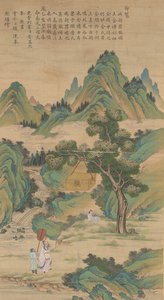
Увенчанный маргарит на старом сливе
Техника репродукции
Размер репродукции
-


Итоговая стоимость
$ 263
А благословенная ворона на старом сливе
Картина представляет собой черно-белое изображение птицы, сидящей на ветке дерева. Птица является вороной – небольшим черным и белым птицей с характерной гребнем на голове. Изображение запечатлевает силуэт птицы на фоне, создавая художественное представление сцены. Картина представлена в раме, вероятно, в музее или галерее. Общая композиция картины демонстрирует мастерство художника и его внимание к деталям, поскольку он успешно передал суть птицы, сидящей на ветке.
- Художник: Чжо Сок (趙涑)
- Год рождения: 1595
- Год смерти: 1668
- Город рождения: Сеул
- Страна рождения: Южная Корея
Чжо Сок был выдающимся художником эпохи династии Чосон, который оставил заметный след в истории корейского искусства. Его творчество характеризуется глубоким пониманием традиционных символов и эстетических принципов.
Стиль и техника
Работа выполнена в стиле живописи маслом на дереве и бумаге, что является распространенной техникой для изображений природы и птиц в эпоху Чосон. Художник использовал тонкие мазки кисти и тщательную прорисовку деталей, чтобы добиться реалистичного изображения птицы и дерева. Черно-белая гамма придает картине элегантность и спокойствие.
Исторический контекст
Картина была создана в период расцвета корейской культуры и искусства. Эпоха Чосон известна своей религиозной моралью и эстетическими идеалами, которые отражаются в произведениях искусства того времени. Использование изображения вороны может быть связано с традиционными представлениями о символизме птицы – особенно ее способности приносить удачу и благословение.
Символизм и эмоциональное воздействие
Ворона часто рассматривается как символ мудрости, проницательности и связи между миром человека и природой. В контексте старого сливы дерево может символизировать долголетие и плодородие, а также отражать философские размышления о жизни и смерти. Картина вызывает ощущение тишины и гармонии, приглашает зрителя задуматься о красоте природы и ее влиянии на человеческую душу.
- Для вдохновения и создания элегантной интерьерной композиции
- Высококачественная репродукция позволит сохранить эстетику оригинала
Похожие произведения





Биография художника
Michelangelo Merisi da Caravaggio: A Life Painted in Shadow and Fire
Michelangelo Merisi da Caravaggio, more famously known simply as Caravaggio, remains one of the most enigmatic and influential figures in art history. Born in Milan in 1571, his life was a whirlwind of dramatic events—a volatile temper, frequent arrests, and a tragically short career—all interwoven with an unparalleled artistic vision that irrevocably altered the course of painting. His legacy rests not just on the beauty of his works but also on their raw emotional intensity, groundbreaking use of light and shadow, and the profound sense of realism he brought to religious subjects.
Caravaggio’s early life was marked by immense loss. Orphaned at the age of eleven following a devastating outbreak of the plague, he spent his formative years in Milan, an experience that profoundly shaped his worldview. He apprenticed under Simone Peterzano, but quickly abandoned conventional techniques, seeking instead to capture the gritty reality of everyday life and human emotion with startling immediacy. This pursuit led him to Rome around 1592, a city teeming with artistic ambition and rife with opportunity – and danger. It was in this vibrant, chaotic environment that Caravaggio’s distinctive style began to take shape.
The Revolutionary Technique: Chiaroscuro and Realism
Caravaggio's genius lay not just in his subject matter but fundamentally in his technique. He pioneered the use of chiaroscuro – a dramatic contrast between light and dark – to create an almost theatrical effect, pulling viewers directly into the heart of his scenes. He eschewed idealized depictions of saints and biblical figures, instead portraying them as ordinary people, often drawn from the streets of Rome—with their wrinkles, dirt, and imperfections. This radical departure from established artistic conventions was initially met with resistance but quickly gained him a devoted following.
His approach to composition was equally innovative. He frequently cropped his scenes tightly, filling the canvas with figures and creating an intimate, almost claustrophobic atmosphere. He employed a technique of *tenebrism*, where dark backgrounds dominate the scene, highlighting key figures in pools of light. This heightened sense of drama and immediacy became the hallmark of his style, influencing generations of artists who followed.
Key Works: A Testament to His Vision
Several paintings exemplify Caravaggio’s revolutionary approach. “The Musicians” (1595), commissioned by Cardinal Francesco Maria del Monte, is a prime example of his pioneering realism and masterful use of chiaroscuro. The painting depicts four male figures engaged in a musical performance, capturing the energy and spontaneity of the scene with remarkable detail. “David with the Head of Goliath” (1609-10) showcases his ability to imbue even violent scenes with profound emotional depth. “The Calling of St. Matthew” (1599-1600), part of the Contarelli Chapel cycle, is perhaps his most famous work, depicting the moment when Christ calls Matthew to follow him. The painting’s dramatic lighting and dynamic composition draw the viewer directly into the scene, creating a powerful sense of immediacy.
A Turbulent Life: Violence, Flight, and Redemption
Caravaggio's life was as turbulent as his art. He possessed a notoriously volatile temper, frequently engaging in brawls and earning numerous arrests for violent behavior. In 1606, he tragically killed a man named Ranuccio Tomassoni during a street fight, an event that led to his flight from Rome and a desperate search for redemption. He spent time in Naples, Sicily, and Malta, continuing to paint prolifically but always under the shadow of his past.
Despite his troubled life, Caravaggio’s artistic reputation continued to grow. He was eventually pardoned and returned to Rome in 1610, where he died shortly thereafter. His death, shrouded in mystery, only added to the legend surrounding this extraordinary artist. His legacy endures as a testament to the power of art to capture human emotion, challenge conventions, and transform our understanding of the world.
Caravaggio’s Influence: A Lasting Impact
Caravaggio's influence on subsequent generations of artists is immeasurable. His innovations in realism, chiaroscuro, and dramatic composition profoundly shaped the development of Baroque painting. Artists such as Rembrandt, Velázquez, and Gentileschi were all deeply influenced by his work. His emphasis on capturing human emotion and portraying everyday people with honesty and intensity continues to resonate with viewers today, solidifying Caravaggio’s place as one of the greatest painters in history.
jo sok (趙涑)
1595 - 1668 , South Korea
Основные сведения
- Artistic Movement Or Style: Baroque; Tenebrism
- Artists Or Movements Influenced By This Artist: ['Caravaggisti']
- Artists Who Influenced This Artist: ['Caravaggio']
- Date Of Birth: September 29, 1571
- Date Of Death: July 18, 1610
- Full Name: Michelangelo Merisi da Caravaggio
- Nationality: Italian
- Notable Artworks:
- The Musicians
- The Death of the Virgin
- David with the Head of Goliath
- Supper at Emmaus
- Place Of Birth: Milan, Italy
Похожие статьи
The Enduring Legacy of Woodblock Printmaking: Technique, History & Artistic Expression
Explore the rich history of woodblock printmaking – from ancient techniques to Ukiyo-e masterpieces. Discover expert insights on collecting, preserving & appreciating this enduring art form.
The Enduring Legacy of Printmaking: Techniques, Themes & Artistic Innovation Across Centuries
Explore the rich history of printmaking with ArtsDot. Discover techniques from intaglio to lithography, learn about collecting valuable prints & find museum-quality reproductions. Expert insights for art enthusiasts and collectors.

The Enduring Legacy of Fine Art Prints: Technique, History & Aesthetic Impact
Explore the rich history & techniques of fine art prints. Discover investment potential, assess authenticity, and learn how to preserve your collection with expert guidance. Trusted insights for discerning collectors.

Echoes of Time: Exploring the Enduring Appeal & Historical Context of Vintage Art Prints
Explore the captivating world of vintage art prints! Discover their history, collecting tips & enduring appeal. Expert insights on chromolithography and building a legacy collection with ArtsDot.

Giclée Prints: Archival Quality & Aesthetic Nuances for the Discerning Collector
Explore the world of giclée prints with ArtsDot. Learn about archival quality, aesthetic nuances & investment potential. Expert guidance for discerning art collectors seeking museum-quality reproductions and lasting value.