

 Предпросмотр
 Поделиться
 Поделиться
 Детали произведения

 Скачать
 Похожие работы
 Рентгенография
 Слайд-шоу
 Статистика
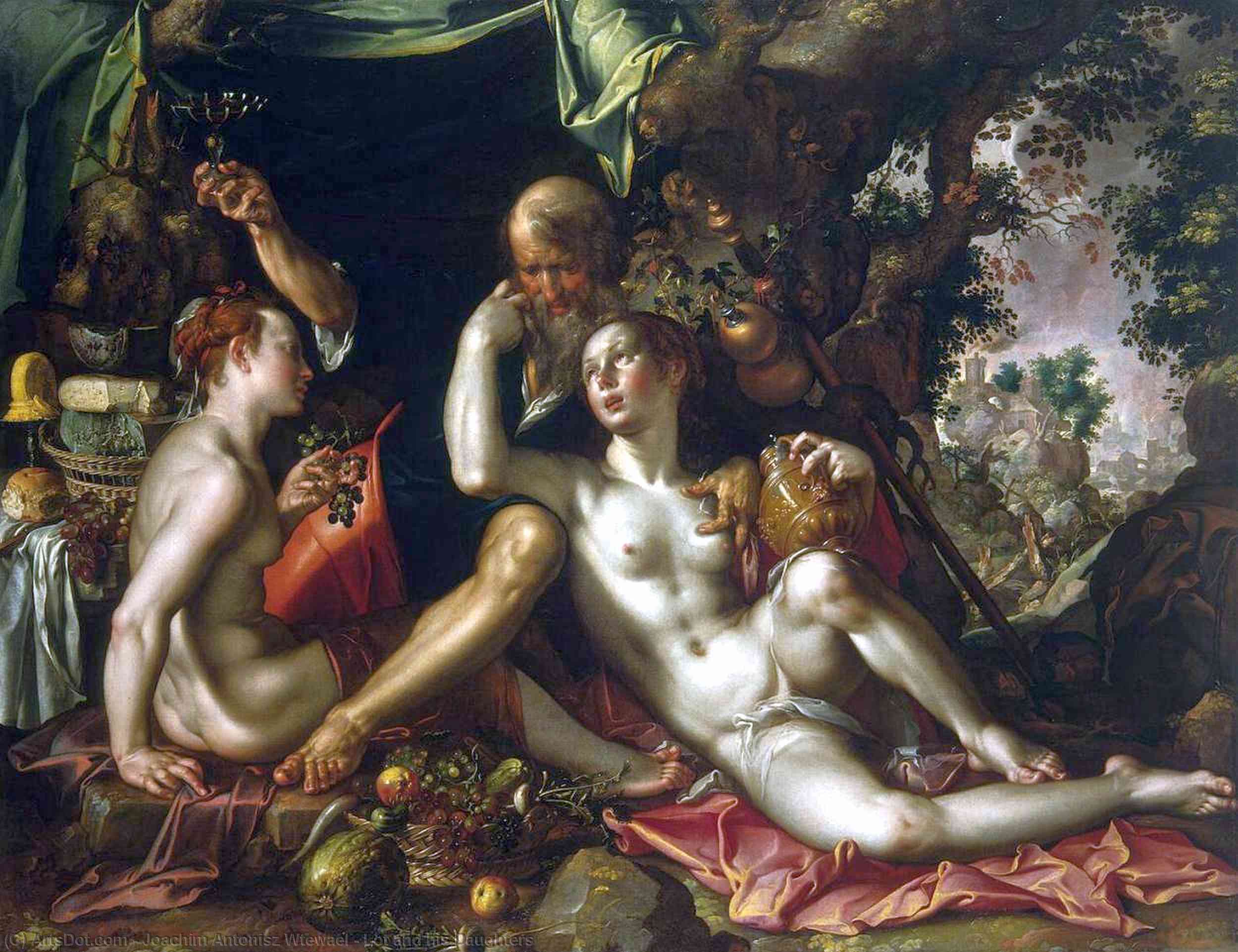
Lot and his Daughters
 Oil
Oil- WallArt
- Dutch Mannerism
 1600
1600- Early Modern
 209.0 x 166.0 cm
 Эрмитаж
 Читать далее
Приобретите цифровое изображение высокого разрешения в улучшенном качестве, которое значительно превосходит онлайн-превью.
Каждый файл тщательно подготавливается нашими специалистами с использованием передовых инструментов и экспертной ручной ретуши. Мы гарантируем исключительную четкость, точную цветопередачу и детальную проработку каждого изображения.
Финальный файл доставляется по электронной почте в течение 72 часов и оптимизирован для немедленного использования в профессиональной среде, при верстке и печати. Это тот же уровень качества, которому доверяют ведущие дизайнерские студии, издательства и галереи.
Цифровое изображение
Скачайте файл высокого разрешения для личного использования, печати и творческих проектов. ( Перейти к печати Купить картину ручной работы)
Включено в каждый заказ цифровых изображений
Гарантия экспертной цифровой доставки
Выбирая ArtsDot.com, вы получаете не просто изображение — вы приобретаете профессионально обработанное цифровое произведение искусства, созданное с безупречной точностью и под защитой гарантии качества. Вот всё, что автоматически входит в ваш заказ:

Мгновенная доставка по e-mail
Ваш цифровой файл в высоком разрешении будет отправлен вам по электронной почте в течение 72 часов после оформления заказа — и сразу станет доступен для использования.

Цифровой файл с ИИ-улучшением
Ваше произведение искусства проходит профессиональную оптимизацию с использованием передовых инструментов ИИ и ручной обработки, что гарантирует максимальную детализацию, четкость и точность цветопередачи.

Бессрочная бесплатная повторная доставка
Случайно удалили или потеряли файл? Не беспокойтесь — мы отправим его вам повторно в любое время и совершенно бесплатно.

Без импортных пошлин — навсегда
Наслаждайтесь вашим произведением искусства мгновенно без таможенных пошлин, сборов или затрат на доставку — цифровые загрузки всегда не облагаются налогом.

Гарантия точности цветопередачи
Мы гарантируем, что ваше цифровое изображение максимально точно передает оригинальные цвета благодаря использованию профессиональных инструментов и систем управления цветом.

Гарантия удовлетворенности 100 дней
Если вы не будете удовлетворены своим цифровым изображением, мы внесем правки или вернем 100% стоимости в течение 100 дней — без лишних вопросов.

100% Гарантия возврата средств
Не удовлетворены покупкой? Получите полный возврат средств в течение 100 дней после получения цифрового файла — без лишних вопросов.

Скидки на оптовые заказы
Купите 3 изображения, сэкономьте 10% — Купите 5, сэкономьте 15% — Купите 10+, сэкономьте 20%. Отличное решение для творческих проектов, галерей и агентств.
A Masterpiece of Mannerist Elegance
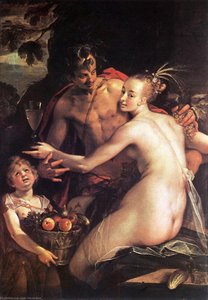
In the captivating realm of Dutch Mannerism, few works possess the intricate charm and narrative depth found in Joachim Anthonisz Wtewael’s Lot and his Daughters. Created around 1600, this painting serves as a breathtaking window into a period where art moved away from strict naturalism toward a more stylized, sophisticated, and elongated aesthetic. The scene captures a profound biblical moment with an unexpected touch of domestic intimacy, inviting the viewer to linger over its polished surfaces and complex compositions. Wtewael, a master known for his ability to blend religious gravity with exquisite decorative detail, presents a tableau that is as much about the beauty of the human form as it is about the weight of the story being told.
The composition draws the eye through a carefully orchestrated arrangement of figures and objects. At its heart, we find three individuals—two women and one man—engaged in a moment that feels simultaneously monumental and quiet. The woman on the left, cradling ripe fruit, acts as a focal point of vitality, her presence anchored by the abundance of apples scattered throughout the scene. These fruits are not merely decorative; they serve as symbols of fertility and the earthly temptations inherent in the biblical narrative. As the eye wanders across the canvas, it encounters carefully placed bowls and a delicate vase in the background, elements that add layers of texture and depth to the setting, creating a sense of a lived-in, opulent world.
Technique and the Art of Detail
What distinguishes Wtewael’s work for collectors and connoisseurs is his remarkable technical precision. His style, rooted in the Haarlem Mannerist tradition, emphasizes fluid lines, elongated limbs, and a luminous quality that makes the skin of his subjects appear almost porcelain-like. In Lot and his Daughters, this technique is utilized to create a sense of heightened reality. The way light dances off the scattered apples and reflects within the glazed surfaces of the bowls demonstrates a virtuosity that was highly prized in the late 16th and early 17th centuries. For those seeking a reproduction to anchor a room, this painting offers a rich tapestry of color and light that can transform a space with its classical sophistication.
Beyond the mere depiction of figures, the artist employs a sophisticated use of color to guide the emotional journey of the viewer. The interplay between the warm tones of the fruit and the cooler, more muted shadows creates a rhythmic balance that prevents the eye from resting too long in one place. This constant movement is essential to the Mannerist experience, ensuring that the painting remains dynamic and engaging. For interior designers, this piece offers a unique opportunity to introduce a sense of historical grandeur and intellectual depth, providing a conversation piece that bridges the gap between ancient scripture and classical European elegance.
A Timeless Legacy for the Modern Collector
To possess a reproduction of such a significant work is to hold a fragment of the Dutch Golden Age. Wtewael’s ability to resist the encroaching tide of naturalism allowed him to create worlds that felt more poetic and idealized than reality itself. This painting does not merely document a story; it evokes an atmosphere of quiet tension and bountiful grace. The emotional impact lies in this duality—the tension of the biblical drama set against the serene, almost pastoral beauty of the figures' interaction.
Whether displayed in a curated gallery setting or as a centerpiece in a luxurious private study, Lot and his Daughters continues to inspire awe. It remains a testament to an era when painters were not just observers of life, but architects of extraordinary, stylized universes. For the discerning collector, this artwork represents an investment in beauty, history, and the enduring power of the human imagination.
Похожие произведения

Биография художника
The Enduring Polish of a Mannerist Master
Joachim Anthonisz Wtewael, a name whispered among connoisseurs of the Dutch Golden Age, remains a captivating figure whose art defies easy categorization. Born in 1566 and passing away in 1638, his life was as multifaceted as his canvases. While his artistic genius shone brightly, it is equally notable that he was also a successful flax merchant and an active town councillor of Utrecht. This dual existence—the meticulous artisan alongside the pillar of civic society—suggests a man whose life demanded both worldly acumen and profound creative focus. Wtewael’s signature style, however, possessed a remarkable consistency; it remained largely untouched by the sweeping naturalistic currents that were reshaping art across Europe during his lifetime.
A Journey Through Style and Influence
Wtewael's early training rooted him deeply in the sophisticated vocabulary of late 16th-century Haarlem Mannerism. His initial professional life saw him working as a glassmaker and engraver within his father’s workshop, an apprenticeship that undoubtedly honed his hand for intricate detail. A pivotal period arrived when he embarked on travels through Italy and France starting in 1586. These sojourns were crucial, exposing him to the rich artistic currents of the Second School of Fontainebleau. Yet, despite these influences, Wtewael possessed a unique internal compass. His work is characterized by figures that are masterfully drawn, possessing an almost porcelain-like polish, often arranged in poses that feel wonderfully capricious and dramatically charged.
Thematic Depth: Myth Meets Devotion
The body of his surviving work—comprising around one hundred paintings, alongside numerous drawings and stained glass designs—reveals a fascinating thematic duality. He was equally at home depicting profound religious narratives as he was celebrating the lush drama of classical mythology. Consider works such as Adoration of the Shepherds juxtaposed with Venus and Mars Surprised by Vulcan. These pieces showcase his remarkable ability to weave together conventional sacred subjects with pagan lore, often imbuing both realms with a palpable, sometimes strong erotic undercurrent that draws the viewer into its narrative embrace. His attention to detail is breathtaking; in works like Perseus and Andromeda, housed notably at the Mauritshuis museum in Utrecht, one can trace his unparalleled skill.
Historical Significance and Legacy
What makes Wtewael’s contribution so significant is precisely that resistance to change. While naturalism beckoned artists toward greater realism, Wtewael held fast to a polished, idealized aesthetic, creating a body of work that feels both historically situated and eternally vibrant. His cabinet paintings, executed on copper plates, are particularly distinctive and numerous, offering intimate glimpses into his artistic process. Though the final decade of his life saw him retreat from painting—a period possibly marked by personal sorrow following the passing of his wife—the impact of his vision endures. He gifted art history a style that remains both highly polished and wonderfully unpredictable.
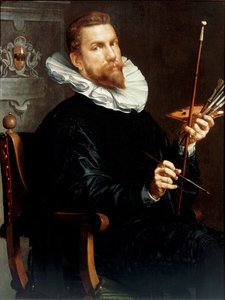
joachim anthonisz wtewael
1566 - 1638
Основные сведения
- Artistic Movement Or Style: Mannerism
- Artists Who Influenced This Artist: ['Second school of Fontainebleau']
- Date Of Birth: 1566
- Date Of Death: 1638
- Full Name: Joachim Anthonisz Wtewael
- Nationality: Dutch
- Notable Artworks:
- Adoration of the Shepherds
- Venus and Mars surprised by Vulcan