

 Предпросмотр
 Поделиться
 Поделиться
 Детали произведения

 Скачать
 Похожие работы
 Рентгенография
 Слайд-шоу
 Статистика
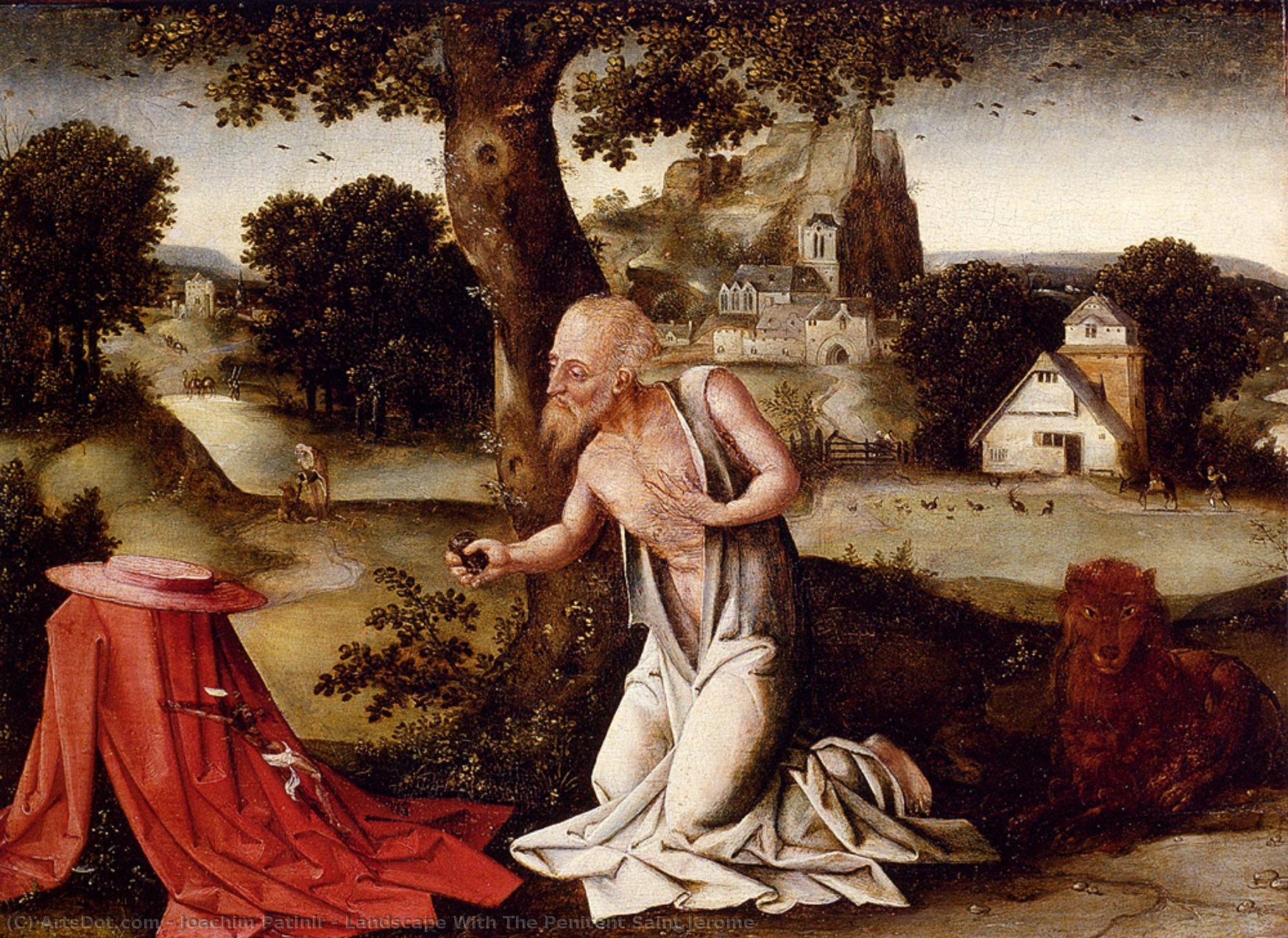
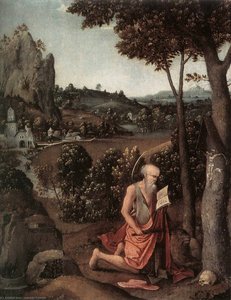
Landscape With The Penitent Saint Jerome
 Northern Renaissance
 37.0 x 50.0 cm
 Читать далее
Приобретите цифровое изображение высокого разрешения в улучшенном качестве, которое значительно превосходит онлайн-превью.
Каждый файл тщательно подготавливается нашими специалистами с использованием передовых инструментов и экспертной ручной ретуши. Мы гарантируем исключительную четкость, точную цветопередачу и детальную проработку каждого изображения.
Финальный файл доставляется по электронной почте в течение 72 часов и оптимизирован для немедленного использования в профессиональной среде, при верстке и печати. Это тот же уровень качества, которому доверяют ведущие дизайнерские студии, издательства и галереи.
Цифровое изображение
Скачайте файл высокого разрешения для личного использования, печати и творческих проектов. ( Перейти к печати Купить картину ручной работы)
Включено в каждый заказ цифровых изображений
Гарантия экспертной цифровой доставки
Выбирая ArtsDot.com, вы получаете не просто изображение — вы приобретаете профессионально обработанное цифровое произведение искусства, созданное с безупречной точностью и под защитой гарантии качества. Вот всё, что автоматически входит в ваш заказ:

Мгновенная доставка по e-mail
Ваш цифровой файл в высоком разрешении будет отправлен вам по электронной почте в течение 72 часов после оформления заказа — и сразу станет доступен для использования.

Цифровой файл с ИИ-улучшением
Ваше произведение искусства проходит профессиональную оптимизацию с использованием передовых инструментов ИИ и ручной обработки, что гарантирует максимальную детализацию, четкость и точность цветопередачи.

Бессрочная бесплатная повторная доставка
Случайно удалили или потеряли файл? Не беспокойтесь — мы отправим его вам повторно в любое время и совершенно бесплатно.

Без импортных пошлин — навсегда
Наслаждайтесь вашим произведением искусства мгновенно без таможенных пошлин, сборов или затрат на доставку — цифровые загрузки всегда не облагаются налогом.

Гарантия точности цветопередачи
Мы гарантируем, что ваше цифровое изображение максимально точно передает оригинальные цвета благодаря использованию профессиональных инструментов и систем управления цветом.

Гарантия удовлетворенности 100 дней
Если вы не будете удовлетворены своим цифровым изображением, мы внесем правки или вернем 100% стоимости в течение 100 дней — без лишних вопросов.

100% Гарантия возврата средств
Не удовлетворены покупкой? Получите полный возврат средств в течение 100 дней после получения цифрового файла — без лишних вопросов.

Скидки на оптовые заказы
Купите 3 изображения, сэкономьте 10% — Купите 5, сэкономьте 15% — Купите 10+, сэкономьте 20%. Отличное решение для творческих проектов, галерей и агентств.
Похожие произведения





Биография художника
A Pioneer of the Northern Renaissance Landscape
Joachim Patinir, a name often whispered alongside that of Albrecht Altdorfer as a foundational figure in landscape painting, emerged from the artistic milieu of the Low Countries during the early 16th century. Born around 1480, likely in either Bouvignes or Dinant – towns nestled within present-day Belgium’s Wallonia region – Patinir's life remains shrouded in a degree of mystery. What is certain is that he established himself as a prominent artist in Antwerp by 1515, becoming a member of the Guild of Saint Luke and dedicating his career to a genre previously relegated to background detail. He died before October 5th, 1524, leaving behind a legacy that would fundamentally alter the course of Western art. Patinir wasn’t merely depicting landscapes; he was inventing a way of *seeing* them, imbuing them with narrative power and symbolic depth previously unseen.Early Influences and Artistic Development
The artistic currents flowing through the Low Countries at the turn of the 16th century profoundly shaped Patinir's early development. While concrete details about his training are scarce, scholars suggest a possible apprenticeship under Gerard David in Bruges. David’s meticulous realism and attention to detail undoubtedly left an impression on the young artist. However, it was the fantastical world-building of Hieronymus Bosch that arguably exerted the most significant influence. Patinir absorbed Bosch's penchant for imaginative landscapes populated with peculiar creatures and symbolic motifs, but he steered away from the moralizing allegories that characterized Bosch’s work. Instead, Patinir began to explore landscape as an independent entity, capable of conveying meaning in its own right. His early works demonstrate a clear understanding of naturalistic detail, combined with a growing lyrical fantasy—a unique blend that would become his signature style. A journey to Genoa in 1511 alongside David and Adrien Ysenbrandt likely broadened his artistic horizons, exposing him to different visual traditions and further refining his observational skills.Collaboration and the Birth of the “World Landscape”
Patinir’s career flourished within a collaborative environment. He forged close relationships with other leading Antwerp painters, most notably Quentin Metsys. Their joint masterpiece, *The Temptation of St Anthony* (c. 1520-1524), exemplifies their working dynamic: Patinir crafted the expansive and dramatic landscape, while Metsys populated it with figures depicting the saint’s trials. This collaboration highlights a common practice in the Low Countries at the time—the specialization of artistic skills. However, Patinir's contribution transcended mere technical execution; he was actively shaping the narrative through his landscapes. It was during this period that he truly pioneered what Ludwig von Baldass later termed the “Weltlandschaft,” or "world landscape." This style is characterized by panoramic vistas, high viewpoints offering a sweeping perspective, and an intricate layering of natural elements—mountains, forests, rivers, and plains—creating a sense of boundless space. The larger scale of his works, reminiscent of those by Bosch, further emphasized the immersive quality of these landscapes.Symbolism and the Pilgrimage of Life
Patinir’s landscapes were not simply representations of physical places; they were imbued with profound symbolic meaning. While often featuring religious subjects—the Flight into Egypt, the Baptism of Christ, the Penance of Saint Jerome—these narratives were frequently dwarfed by the grandeur of the surrounding environment. Scholars have interpreted these vast vistas as allegories of life’s pilgrimage, drawing parallels to biblical passages that describe humanity as wanderers on Earth, seeking spiritual communion with God. The steep mountains might represent obstacles and challenges, while winding rivers symbolize the journey itself. The distant horizons evoke a sense of longing for an ultimate destination—a heavenly realm beyond earthly concerns. This subtle yet powerful symbolism elevates Patinir’s landscapes beyond mere scenery, transforming them into meditations on faith, mortality, and the human condition. His use of color also played a crucial role; brown tones in the foreground suggest immediacy and physicality, while blues and greens recede into the distance, creating an illusion of depth and vastness.Legacy and Historical Significance
Joachim Patinir’s impact on the development of landscape painting is undeniable. He was the first Netherlandish artist to prioritize landscape as a primary subject, effectively establishing it as an independent genre. His innovative techniques—the high viewpoint, panoramic vistas, and symbolic use of natural elements—would influence generations of artists. Albrecht Dürer, who visited Patinir in 1521 and painted his portrait, famously dubbed him “der gute landschaftsmaler” (“the good painter of landscapes”), a testament to his growing reputation. Patinir’s work also paved the way for other landscape pioneers, such as Herri met de Bles, who further refined the world landscape style. While his career was relatively short, Patinir left an indelible mark on the art world, transforming the way artists and viewers perceived the natural environment. He wasn't just painting landscapes; he was creating a new visual language—a language that continues to resonate with audiences today, inviting us to contemplate the beauty, mystery, and spiritual significance of the world around us.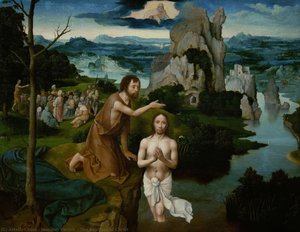
joachim patinir
1483 - 1524
Основные сведения
- Artistic Movement Or Style: Renaissance Landscape
- Artists Or Movements Influenced By This Artist:
- Albrecht Altdorfer
- Herri met de Bles
- Artists Who Influenced This Artist:
- Gerard David
- Hieronymus Bosch
- Date Of Birth: c. 1480
- Date Of Death: 5 October 1524
- Full Name: Joachim Patinir
- Nationality: Flemish
- Notable Artworks:
- The Temptation of St Anthony
- Landscape with the Flight into Egypt
- St. Christopher
- The Penitence of Saint Jerome
- Place Of Birth: Dinant, Belgium