

 Предпросмотр
 Поделиться
 Поделиться
 Детали произведения

 Скачать
 Похожие работы
 Рентгенография
 Слайд-шоу
 Статистика
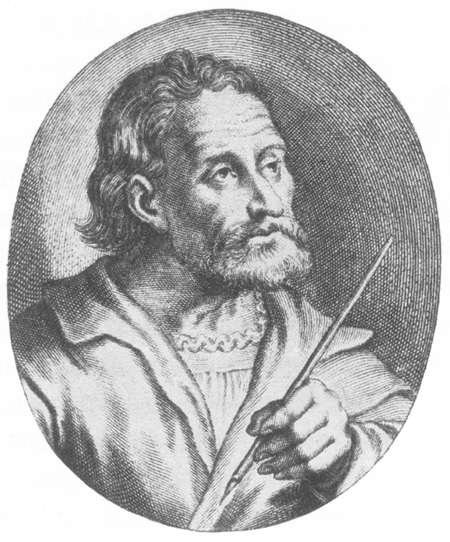
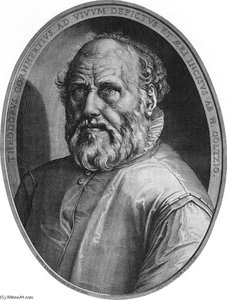
The Old Matthias Grünewald
 Engraving
- WallArt
- Baroque
 1683
1683 9.0 x 7.0 cm
 Germanisches Nationalmuseum
 Читать далее
Масляная репродукция ручной работы
Картина маслом на холсте в выбранном вами размере и раме, написанная на заказ нашими художниками. ( Перейти к печати Перейти к цифровым изображениям)




P118B $10

P118H $10

P118W $10

P438Z $10

P508JH $12

P508YH $12

P805H $10

P805Z $10

P919BZ $10

P919G $10

P919XJ $10

P959ZH $10

P968JZ $12

W106C $8

W218G $10

W218JH $8

W218Y $10

W307PJ $10

W316G $10

W316PJ $8

W316Y $10

W398PJ $8

W4111J $10

W500HY $15

W500JH $15

W692G $12

W849H $8

W940BG $15

W953PJ $8




Выберите один из наших стандартных размеров, соответствующих оригинальным пропорциям произведения искусства.

Вы можете указать собственные размеры, чтобы картина идеально вписалась в выбранную раму или пространство. Если выбранный вами размер не соответствует пропорциям оригинала, мы либо обрежем полотно, либо расширим его за счет дополнительных элементов, написанных вручную. Цифровой макет будет отправлен вам на утверждение перед началом производства.
Обратите внимание, что предварительный просмотр на экране не отражает фактическую обрезку или расширение. Только макет точно покажет окончательную композицию.
Хотя доступны индивидуальные размеры, мы рекомендуем выбирать вариант из предопределенного списка, чтобы сохранить исходные пропорции.
После оформления заказа команда ArtsDot.com свяжется с клиентом по электронной почте для уточнения деталей и предоставит предварительный макет
Доставка по всему миру () за 3–4 недели вместо стандартных 5 недель. (12 Сентябрь). Без компромиссов в качестве.

Бесплатная экспресс-доставка по всему миру

Высококачественный льняной холст

Полное страхование доставки

Гарантия возмещения таможенных пошлин

Гарантия точного соответствия цветов

100-дневная политика возврата (только при обнаружении дефектов)

Гарантия возврата 100% средств

Предложение оптовых скидок
 Вариант со стеклом доступен только для размеров менее 110 см

The Old Matthias Grünewald
Техника репродукции
Размер репродукции
-


Итоговая стоимость
$ 263
The Old Matthias Grünewald: A Window into Faith and Suffering
Matthias Grünewald’s “The Mocking of Christ,” painted between 1503 and 1505, is not merely a depiction of a biblical event; it's a profoundly moving exploration of human cruelty, divine suffering, and the fragile nature of faith. This arresting oil on wood panel, now housed in the Alte Pinakothek in Munich, immediately commands attention with its stark contrasts and emotionally charged atmosphere. The painting’s power lies not just in its technical brilliance but also in its ability to evoke a visceral response from the viewer – a sense of unease mingled with sorrow and contemplation.
The scene unfolds within a dimly lit, almost claustrophobic space. Christ, blindfolded and bound, sits passively on a rough stone wall, his posture conveying both vulnerability and quiet dignity. The figures surrounding him are rendered with remarkable detail – the torturer pulling at his hair, the musician playing his flute, the young man observing with a mixture of curiosity and complicity, and the older man attempting to restrain the aggressor. Each character embodies a specific role in this tableau of humiliation, contributing to the painting’s complex narrative.
A Masterclass in Early Renaissance Technique
Grünewald's mastery is evident in every brushstroke. The artist employs a technique characteristic of the early Renaissance, utilizing rich, layered applications of oil paint to create a remarkable sense of texture and depth. Note particularly the meticulous rendering of Christ’s beard – each strand meticulously defined with fine lines that suggest both softness and resilience. Hatching and cross-hatching are skillfully employed to build up tonal variations, creating a dramatic interplay of light and shadow that emphasizes the figures' forms and imbues the scene with an almost sculptural quality.
The use of color is equally significant. The palette is dominated by dark browns, blues, and greens, reflecting the somber mood of the event. However, flashes of brighter hues – a crimson cloak, a golden halo – punctuate the darkness, drawing attention to Christ’s divinity amidst the surrounding brutality. The artist's understanding of perspective is also noteworthy; the figures are arranged in a shallow space that draws the viewer into the scene, creating a sense of immediacy and involvement.
Symbolism and Spiritual Resonance
Beyond its technical merits, “The Mocking of Christ” is rich in symbolic meaning. The act of mocking itself represents a profound betrayal – not just of Christ’s physical presence but also of his spiritual ideals. The figures surrounding him can be interpreted as representing the diverse facets of human nature: cruelty, indifference, curiosity, and even a hesitant attempt at compassion. The blindfold symbolizes Christ's surrender to God’s will, while the rope represents the bonds of earthly suffering.
Furthermore, the painting resonates with broader theological themes – the sacrifice of innocence for the salvation of humanity. The scene powerfully conveys the idea that true faith requires enduring hardship and injustice without complaint. The muted colors and somber atmosphere contribute to a sense of profound melancholy, reminding us of the cost of redemption.
A Timeless Image of Suffering and Hope
“The Mocking of Christ” remains a profoundly moving work of art centuries after its creation. Its enduring appeal lies in its ability to capture the essence of human suffering and the complexities of faith. It’s a testament to Grünewald's artistic genius – a painting that continues to challenge, inspire, and provoke reflection long after it was first created. Reproductions offer an accessible way to experience this masterpiece, bringing its powerful message into any space.
Похожие произведения
Биография художника
Joachim von Sandrart: A Bridge Between Baroque Vision and Artistic History
Joachim von Sandrart, a figure often overshadowed by the titans of the Baroque era, nevertheless stands as a pivotal artist and intellectual whose legacy extends far beyond his captivating paintings. Born in Frankfurt am Main in 1606 to a family with deep roots in Mons, Belgium, he wasn’t merely a painter; he was a conduit between artistic creation and meticulous historical documentation – a rare convergence of talent that shaped the course of 17th-century art history.
Sandrart's early life laid the groundwork for his future pursuits. He received initial instruction in drawing, nurtured by familial connections to artists and scholars. However, it was a youthful ambition to master engraving that propelled him towards Prague at the tender age of fifteen. There, under the tutelage of Aegidius Sadeler, a prominent member of a renowned family of engravers, Sandrart honed his technical skills and began to understand the power of visual representation. Sadeler recognized Sandrart’s potential, encouraging him to explore painting – a decision that would irrevocably alter the trajectory of his career.
The Caravaggisti Influence and Italian Awakening
Utrecht in 1625 marked a transformative period for Sandrart. He became a pupil of Gerrit van Honthorst, a leading figure within the Utrecht *Caravaggisti* movement – a group known for their dramatic use of light and shadow, echoing the style pioneered by Caravaggio. This immersion in the *tenebrismo*, the stark contrast between light and dark, profoundly influenced Sandrart’s artistic sensibilities. A particularly significant event occurred in 1627 when Peter Paul Rubens himself sought out Honthorst for collaboration on his monumental *Marie de' Medici* cycle in London. Sandrart accompanied Honthorst on this venture, gaining invaluable experience working alongside one of the Baroque period’s most celebrated masters – a direct exposure to the dynamism and expressive power of Rubens’ style.
Driven by an insatiable curiosity, Sandrart embarked on a grand tour of Italy in 1627. He immersed himself in the artistic heartland of Europe, exploring Venice, Bologna, Florence, and Rome. He joined the *Bentvueghels* brotherhood – a vibrant society of predominantly Dutch and Flemish artists who embraced a spirit of artistic freedom and often adopted satirical nicknames – providing him with access to a network of fellow artists and a unique perspective on the art world. During this period, he developed his skills as a portrait painter, capturing the likenesses of prominent figures while simultaneously refining his technique and absorbing the diverse influences of Italian art.
Amsterdam’s Recognition and the *Teutsche Academie*
By 1637, political instability and the threat of plague prompted Sandrart and his wife to seek refuge in Amsterdam. This relocation proved to be a turning point in his career. He flourished as both a painter of genre scenes and portraits, quickly gaining recognition within the city’s thriving artistic community. The culmination of this success arrived with a prestigious commission from the Bicker Company of the Amsterdam *Schutterij* (militia). He was tasked with creating a monumental commemorative piece celebrating the state visit of Maria de' Medici in 1638 – a painting now housed within the Rijksmuseum that stands as a testament to his artistic prowess and the city’s growing prominence on the European stage. The commission not only showcased Sandrart’s skill but also symbolized Amsterdam’s formal recognition through its connection with France.
However, after the death of his wife in 1672, Sandrart shifted his focus to a monumental undertaking: the writing of art history. This endeavor culminated in the publication of the *Teutsche Academie der edlen Bau-, Bild- und Mahlerey-Künste* (The German Academy of Noble Arts of Architecture, Sculpture and Painting) between 1675 and 1680. Inspired by Karel van Mander’s *Schilder-boeck* and Giorgio Vasari's biographies, Sandrart compiled a comprehensive collection of biographical sketches of Dutch and German artists – a groundbreaking work that became an invaluable resource for understanding the artistic landscape of the time. The *Teutsche Academie* is not without its imperfections—notably his misattribution regarding Hendrick ter Brugghen—but it remains a vital primary source for scholars studying 17th-century art, offering insights into the lives, techniques, and influences of numerous painters, sculptors, and architects.
A Lasting Legacy
Sandrart’s dedication to documenting the contributions of his contemporaries ensured that their achievements would not be forgotten. He died in Nuremberg in 1688, leaving behind a legacy that extends far beyond his paintings – a legacy rooted in his commitment to preserving and celebrating the artistic heritage of his time. His *Teutsche Academie* stands as a testament to his intellectual curiosity and his profound understanding of art history, solidifying his place as one of the earliest systematic art historians of the German-speaking world.
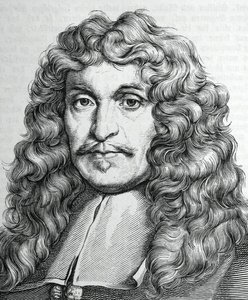
Йоахим Фон Сандрарт
1606 - 1688 , Германия
Основные сведения
- Artistic Movement Or Style: Барокко
- Artists Or Movements Influenced By This Artist: ['Голландская школа живописи']
- Artists Who Influenced This Artist:
- Герерт ван Хонторст
- Рубенс
- Аэгидийс Саделер
- Date Of Birth: 1606
- Date Of Death: 1688
- Full Name: Joachim von Sandrart
- Nationality: Немецкий
- Notable Artworks:
- Герцог Максимилиан I
- Офицеры и городская гвардия
- Питер Корнелиссионс Хуорстт
- Place Of Birth: Франкфурт-на-Майне, Германия
Похожие статьи

Барочная драма: Искусство величия в современном интерьере
Погрузитесь в мир роскоши и величия барокко! Узнайте об истории стиля, ключевых элементах интерьера и архитектуре. Вдохновляйтесь с и создайте свой неповторимый дизайн.
10 шедевров гравюры, изменивших искусство навсегда | ArtsDot
Откройте для себя 10 легендарных шедевров гравюры от Дюрера, Гойи и Рембрандта! Узнайте историю создания этих культовых работ и их влияние на искусство. Репродукции высокого качества для вашего интерьера – ArtsDot.

The Dramatic Flourish: Exploring the Baroque Movement's Enduring Legacy in Art History
Explore the dramatic world of Baroque art! Discover iconic artists like Caravaggio & Rubens, defining techniques, and its lasting impact on art history. Expert insights for collectors & enthusiasts at ArtsDot.
Engraving: A Historical Survey of Technique, Artistic Expression & Enduring Legacy
Explore the rich history of engraving with ArtsDot. Discover techniques, iconic artists like Dürer & Callot, collecting tips, and expert guidance for preserving your art investment. Learn about intaglio printing & more!
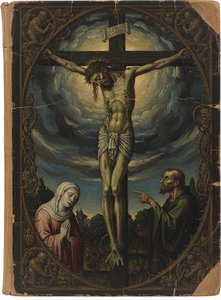
Matthias Grünewald: Devotion, Distortion & Spiritual Turmoil in Renaissance Art
Explore the profound religious art of Matthias Grünewald, master of the Isenheim Altarpiece. Discover his unique expressionism, symbolism & lasting impact on Renaissance painting. A guide for collectors and enthusiasts.