

 Предпросмотр
 Поделиться
 Поделиться
 Детали произведения

 Скачать
 Похожие работы
 Рентгенография
 Слайд-шоу
 Статистика
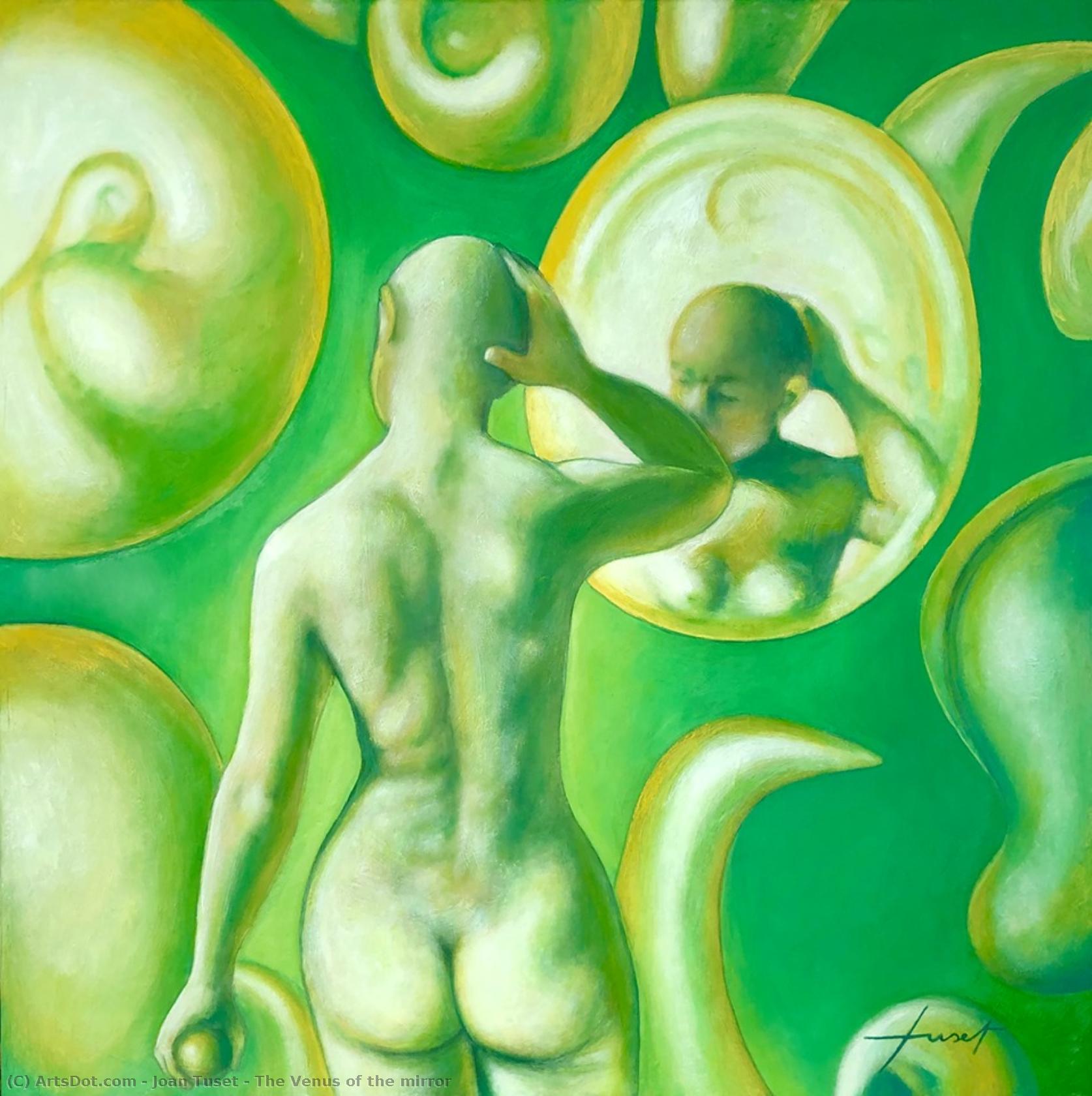
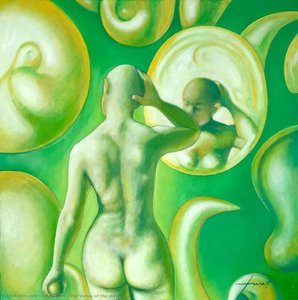
The Venus of the mirror
 Neo Figurative Art
 2019
2019 50.0 x 50.0 cm
 Читать далее
Масляная репродукция ручной работы
Картина маслом на холсте в выбранном вами размере и раме, написанная на заказ нашими художниками. ( Перейти к печати Перейти к цифровым изображениям)




































Выберите один из наших стандартных размеров, соответствующих оригинальным пропорциям произведения искусства.

Вы можете указать собственные размеры, чтобы картина идеально вписалась в выбранную раму или пространство. Если выбранный вами размер не соответствует пропорциям оригинала, мы либо обрежем полотно, либо расширим его за счет дополнительных элементов, написанных вручную. Цифровой макет будет отправлен вам на утверждение перед началом производства.
Обратите внимание, что предварительный просмотр на экране не отражает фактическую обрезку или расширение. Только макет точно покажет окончательную композицию.
Хотя доступны индивидуальные размеры, мы рекомендуем выбирать вариант из предопределенного списка, чтобы сохранить исходные пропорции.
После оформления заказа команда ArtsDot.com свяжется с клиентом по электронной почте для уточнения деталей и предоставит предварительный макет
Доставка по всему миру () за 3–4 недели вместо стандартных 5 недель. (12 Сентябрь). Без компромиссов в качестве.

Бесплатная экспресс-доставка по всему миру

Высококачественный льняной холст

Полное страхование доставки

Гарантия возмещения таможенных пошлин

Гарантия точного соответствия цветов

100-дневная политика возврата (только при обнаружении дефектов)

Гарантия возврата 100% средств

Предложение оптовых скидок
 Вариант со стеклом доступен только для размеров менее 110 см

The Venus of the mirror
Техника репродукции
Размер репродукции
-


Итоговая стоимость
$ 263
Похожие произведения


Биография художника
Early Life and Formation
Joan Tuset i Suau, born December 19, 1957, in the Catalan town of l'Arboç, Tarragona, embarked on a journey into the world of art that would seamlessly blend classical rigor with avant-garde sensibilities. His formative years were steeped in artistic training, initially at the Schools of Fine Arts in Tarragona and later in Barcelona. These foundational studies provided him with a robust technical base—a mastery of form and composition that would become a hallmark of his style. However, Tuset’s early exploration wasn't confined to academic exercises; even then, a desire for expressive freedom and a unique artistic voice was evident.
The 1980s proved pivotal as Tuset ventured beyond the borders of Spain, taking up residency in Canada. This six-year period in Montreal became a crucible where his talent truly began to coalesce. He exhibited extensively within the city’s vibrant art scene, securing representation at prestigious galleries like Edimage, J. Yahouda Meir, and Cultard. These early exhibitions weren't merely displays of skill; they were declarations of an emerging artist grappling with new perspectives and forging a distinct path.
International Exposure and Stylistic Evolution
Tuset’s time in North America culminated in significant milestones—participation at the School of the Art Institute of Chicago and, crucially, his presence at the renowned FIAC 87 art fair held at the Grand Palais in Paris. This exposure to a wider international audience was transformative. It wasn't simply about showcasing his work; it was about engaging with the currents of contemporary art on a global scale. The experience catalyzed a shift in his artistic approach, moving him towards a figurative style that would become synonymous with his name.
In 1989, Tuset relocated to Paris, establishing a deeper connection with the European art world through collaboration with Galerie Vision Quai. This period marked a turning point—a conscious effort to synthesize the values of classicism he’d diligently studied with the expressive freedom championed by the avant-garde. His work began to exhibit a distinctive voice, characterized by a rigorous fidelity to the human figure yet imbued with subtle distortion and emotional depth. Returning to Catalonia in later years, Tuset established his studio between L'Arboç and Barcelona, solidifying his presence both nationally and internationally.
Themes and Techniques
At the heart of Joan Tuset’s artistic universe lies a profound fascination with the human figure—not merely as an anatomical subject but as a vessel for emotional states, symbolic narratives, and existential questioning. His paintings are populated by characters often situated within allegorical spaces, inviting viewers to contemplate realities beyond the superficial. The artist doesn't seek to replicate life; he aims to reveal its hidden layers, its unspoken yearnings, and its inherent contradictions.
Tuset’s technical prowess is equally compelling. He demonstrates a masterful command of both drawing and color, employing a bright palette that enhances the dramatic force of his compositions. His approach isn't about meticulous detail but about capturing essence—the fleeting gestures, subtle expressions, and underlying tensions that define the human condition. Alongside painting, sculpture has always been an integral part of Tuset’s practice, showcasing versatility in materials like terracotta, plaster, and bronze. From small-scale works to monumental public sculptures—such as the iconic Monument to the Lacemaker of l'Arboç (2005)—he exhibits a remarkable ability to translate his vision into three dimensions.
Legacy and Historical Significance
Joan Tuset’s work occupies a unique space within contemporary art. He doesn’t adhere rigidly to any single school or movement; instead, he synthesizes diverse influences—classical academicism, the expressive power of the avant-garde, and a deeply personal exploration of human emotion. His paintings and sculptures are not simply objects of aesthetic beauty; they are invitations to introspection, prompting viewers to confront their own vulnerabilities and question the nature of reality.
Critics have often noted the duality inherent in Tuset’s work—the harmonious coexistence of rigor and distortion, tradition and innovation. As critic Josep Maria Cadena points out, his interest in the human figure transcends mere formal mimesis to become a vehicle for emotional honesty. This ability to imbue form with meaning, to create works that are both visually captivating and intellectually stimulating, has cemented Tuset’s position as a significant voice in contemporary Catalan art and beyond. His ongoing exploration of the human condition continues to resonate with audiences worldwide, ensuring his legacy as an artist who dares to disrupt the normality of facts and things.
Основные сведения
- Artistic Movement Or Style: Figurative, Classicism & Vanguard
- Date Of Birth: December 19, 1957
- Full Name: Joan Tuset i Suau
- Nationality: Catalan/Spanish
- Notable Artworks:
- Cupid Asleep
- The Abduction of Europa
- Place Of Birth: L'Arboç, Spain