

 Предпросмотр
 Поделиться
 Поделиться
 Детали произведения

 Скачать
 Похожие работы
 Рентгенография
 Слайд-шоу
 Статистика
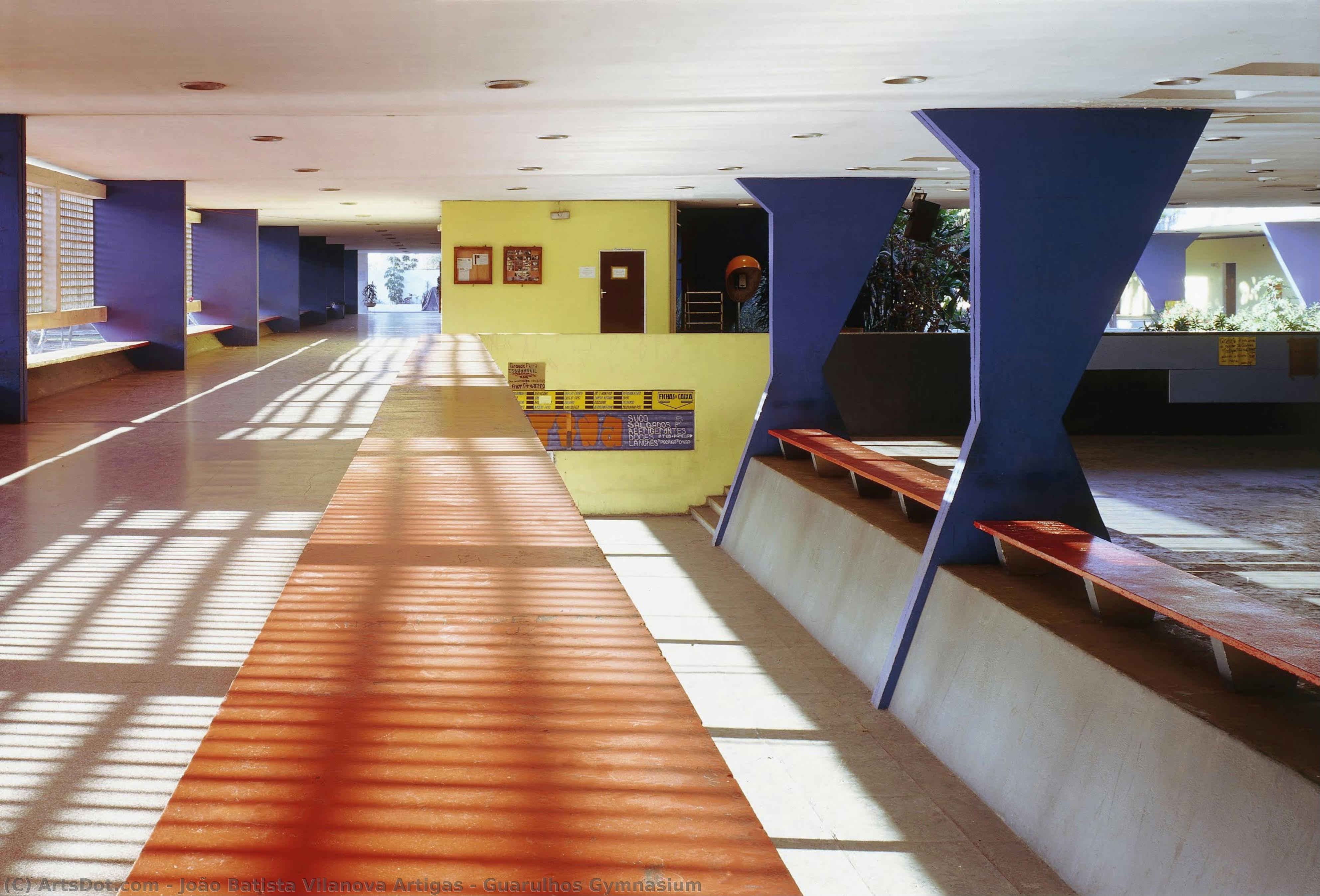
Guarulhos Gymnasium


 Читать далее
Масляная репродукция ручной работы
Картина маслом на холсте в выбранном вами размере и раме, написанная на заказ нашими художниками. ( Перейти к печати Перейти к цифровым изображениям)




P118B $10

P118H $10

P118W $10

P438Z $10

P508JH $12

P508YH $12

P805H $10

P805Z $10

P919BZ $10

P919G $10

P919XJ $10

P959ZH $10

P968JZ $12

W106C $8

W218G $10

W218JH $8

W218Y $10

W307PJ $10

W316G $10

W316PJ $8

W316Y $10

W398PJ $8

W4111J $10

W500HY $15

W500JH $15

W692G $12

W849H $8

W940BG $15

W953PJ $8




Выберите один из наших стандартных размеров, соответствующих оригинальным пропорциям произведения искусства.

Вы можете указать собственные размеры, чтобы картина идеально вписалась в выбранную раму или пространство. Если выбранный вами размер не соответствует пропорциям оригинала, мы либо обрежем полотно, либо расширим его за счет дополнительных элементов, написанных вручную. Цифровой макет будет отправлен вам на утверждение перед началом производства.
Обратите внимание, что предварительный просмотр на экране не отражает фактическую обрезку или расширение. Только макет точно покажет окончательную композицию.
Хотя доступны индивидуальные размеры, мы рекомендуем выбирать вариант из предопределенного списка, чтобы сохранить исходные пропорции.
После оформления заказа команда ArtsDot.com свяжется с клиентом по электронной почте для уточнения деталей и предоставит предварительный макет
Доставка по всему миру () за 3–4 недели вместо стандартных 5 недель. (12 Сентябрь). Без компромиссов в качестве.

Бесплатная экспресс-доставка по всему миру

Высококачественный льняной холст

Полное страхование доставки

Гарантия возмещения таможенных пошлин

Гарантия точного соответствия цветов

100-дневная политика возврата (только при обнаружении дефектов)

Гарантия возврата 100% средств

Предложение оптовых скидок
 Вариант со стеклом доступен только для размеров менее 110 см

Guarulhos Gymnasium
Техника репродукции
Размер репродукции
-


Итоговая стоимость
$ 263
João Batista Vilanova Artigas’s Guarulhos Gymnasium: A Concrete Manifesto of Brazilian Modernism
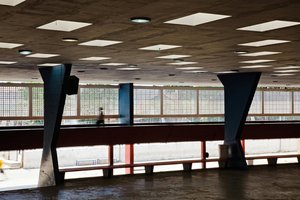
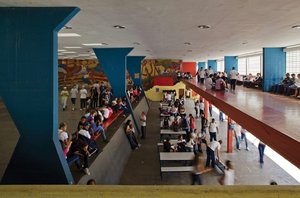
The black and white photograph capturing João Batista Vilanova Artigas's Guarulhos Gymnasium in Curitiba is more than just a depiction of an institutional building; it’s a powerful statement about the potential of architecture to embody social responsibility, democratic ideals, and a distinctly Brazilian spirit. Constructed between 1960 and 1961, this gymnasium stands as a cornerstone of Artigas's legacy – a testament to his pioneering role in shaping the Paulista School and his unwavering commitment to functional design infused with artistic expression.
Artigas, born in Curitiba in 1915 and tragically silenced by the military dictatorship in 1969, was a profoundly influential figure. His work wasn’t simply about constructing buildings; it was about creating spaces that fostered community, promoted education, and reflected the values of a burgeoning nation. The gymnasium exemplifies this philosophy perfectly – a bold departure from conventional institutional architecture, prioritizing openness, light, and a sense of egalitarianism.
A Brutalist Vision: Form Follows Function
The Gymnasium’s design is firmly rooted in the principles of Brazilian Modernism, yet it transcends simple categorization. While undeniably influenced by the Brutalist movement – characterized by its use of exposed concrete and monumental scale – Artigas imbues the structure with a uniquely Brazilian sensibility. The building's core is defined by massive, robust concrete columns, painted a striking azure blue, that rise vertically to support the expansive roof. These aren’t merely structural elements; they are sculptural forms, asserting presence and creating a sense of stability.
The interior spaces are equally compelling. A sweeping red carpeted walkway leads to the building's central volume, immediately establishing a feeling of grandeur and welcoming visitors. Linear seating arrangements, punctuated by benches strategically placed throughout the space, encourage interaction and community engagement. The use of cobogós – recessed panels with openwork designs – further enhances the sense of light and airiness, creating a dynamic interplay between interior and exterior spaces.
Symbolism and Social Intent
Beyond its formal qualities, the Guarulhos Gymnasium is rich in symbolism. Artigas deliberately eschewed traditional entrance doors, believing that all within should be treated equally. This decision reflects his commitment to democratic principles – a space where everyone, regardless of social standing, could access education and participate fully in civic life.
The gymnasium’s design also speaks to the broader context of post-war Brazil, grappling with rapid urbanization and seeking to redefine its architectural identity. Artigas sought to create a building that was both functional and aesthetically significant, reflecting the nation's aspirations for progress and social justice. The use of exposed concrete, a material readily available in Brazil, further underscored this commitment to local materials and construction techniques.
A Legacy in Reproduction
Today, ArtsDot offers meticulously crafted hand-painted reproductions of Artigas’s Guarulhos Gymnasium, allowing art lovers and collectors to experience the power and beauty of this iconic structure. These reproductions capture not only the building's striking visual elements but also its underlying spirit – a testament to Artigas’s vision for a more equitable and aesthetically enriching Brazil. Each reproduction is created with the same attention to detail and artistic sensibility as the original, ensuring that it stands as a worthy tribute to this pioneering architect.
Consider bringing the dynamism of the Guarulhos Gymnasium into your own space – a powerful reminder of Artigas’s enduring legacy and his profound impact on Brazilian architecture.
Похожие произведения
Биография художника
A Pioneer of Brazilian Modernism: The Life and Legacy of João Batista Vilanova Artigas
João Batista Vilanova Artigas, born in Curitiba, Brazil, in 1915, stands as a monumental figure in the evolution of Brazilian architecture. More than simply a builder of structures, Artigas was a visionary who sought to imbue his designs with social responsibility and artistic expression, ultimately becoming the founding father of the Paulista School. His journey began at the Polytechnic School of the University of São Paulo, where he earned his degree in 1937, an education that would serve as the bedrock for a career defined by innovation and a deep commitment to the Brazilian people. An early formative experience was his collaboration with Gregori Warchavchik on the ambitious remodeling of Praça da República, a project that hinted at the modernist sensibilities he would soon champion. From 1941 to 1947, Artigas dedicated himself to academia, shaping young minds as a professor of aesthetics, architecture, and planning at the University of São Paulo. This period culminated in the prestigious Guggenheim Fellowship awarded in 1946, solidifying his growing reputation within architectural circles and providing him with invaluable opportunities for international exposure.Early Influences and Architectural Style
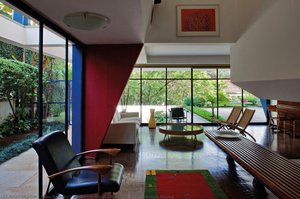
Artigas’s architectural style wasn't static; it was a dynamic process of exploration and refinement, reflecting both the changing currents of global design and his own evolving artistic vision. His work is generally understood through three distinct phases. The initial period, from 1937 to 1945, clearly demonstrates the influence of Frank Lloyd Wright, particularly in his residential designs—a focus on organic forms and a harmonious integration with the surrounding landscape. This was followed by a transitional phase, spanning roughly from 1945 to the mid-1950s, where Artigas began incorporating elements of the International Style, experimenting with curtain walls and pilotis in larger projects. However, it was during his final period, from the 1960s through the 1970s, that he truly found his voice—a dramatic style heavily influenced by Brutalism, characterized by its raw concrete aesthetic and monumental scale. This phase saw him tackle large-scale public buildings with a boldness and expressiveness that would become his signature. Among his most celebrated works are the House Ariosto Martirani, an early example showcasing Wright’s influence; the House Elza Berquó, demonstrating a minimalist aesthetic infused with striking geometric abstraction and Brutalist undertones; and the Guarulhos Gymnasium, representing his later, more dramatic style characterized by concrete expressionism. These projects collectively highlight his mastery of materials—particularly reinforced concrete—and his unwavering commitment to addressing social needs through thoughtful architectural design.Academic Contributions and Recognition
From 1941 to 1947, Artigas devoted himself to academia, shaping young minds as a professor of aesthetics, architecture, and planning at the University of São Paulo. This period solidified his understanding of architectural theory and practice, fostering a generation of Brazilian architects who would carry forward his vision. The Guggenheim Fellowship awarded in 1946 provided him with unparalleled access to European avant-garde movements and broadened his intellectual horizons. He championed the importance of artistic expression within the built environment, arguing that architecture should serve as a vehicle for conveying cultural values and promoting social progress. His influence extended beyond the classroom, shaping debates about architectural innovation and ethical responsibility.Major Projects and The Paulista School
Artigas’s prolific career produced over 700 projects—ranging from residential buildings to urban spaces to monumental structures—that exemplify his distinctive style and commitment to social ideals. Notable among these are the House Ariosto Martirani, reflecting Wright's organic principles; the House Elza Berquó, embodying minimalist geometric abstraction; and the Guarulhos Gymnasium, showcasing Brutalist concrete expressionism. These buildings stand as testaments to Artigas’s ability to synthesize artistic vision with functional practicality—a hallmark of the Paulista School he founded. This school emphasized structural elements—particularly reinforced concrete—and a profound concern for social needs, challenging conventional architectural norms and paving the way for a new generation of Brazilian architects to explore innovative forms and materials.Legacy and Enduring Influence
João Batista Vilanova Artigas’s legacy extends far beyond his buildings. He was a teacher, a political activist, and a cultural icon who helped define the identity of Brazil—a nation that continues to grapple with questions of social justice and artistic creativity. His belief in “minutiae”—the small details—to elevate a building from mere structure to a work of art, infusing each project with a unique character and sense of place. Artigas’s work stands as a powerful reminder of the potential of architecture to reflect artistic vision, societal values, and a deep commitment to improving the lives of those it serves. He left behind not just buildings, but a philosophy—a belief that architecture could be a force for positive change in the world. His influence continues to inspire architects today, urging them to embrace innovation while upholding ethical considerations.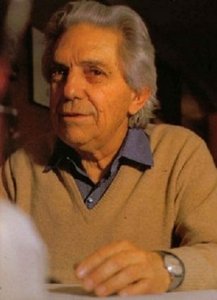
Жоао Батиста Виланова Артигас
1915 - 1985 , Бразилия
Основные сведения
- Artistic Movement Or Style: Modernism, Brutalism
- Artists Or Movements Influenced By This Artist: ['Paulista School']
- Artists Who Influenced This Artist: ['Frank Lloyd Wright']
- Date Of Birth: 1915
- Date Of Death: 1985
- Full Name: João Batista Vilanova Artigas
- Nationality: Brazilian
- Notable Artworks:
- House Ariosto Martirani
- House Elza Berquó
- Guarulhos Gymnasium
- Place Of Birth: Curitiba, Brazil
Похожие статьи
Alceu de Paula Penna: A Synthesis of Brazilian Modernism & Poetic Abstraction
Explore the captivating world of Alceu de Paula Penna, a pivotal figure in Brazilian Modernism. Discover his innovative concrete poetry & influence on Latin American art history. Expert insights for collectors.
Concrete Visions: Exploring the Urban Landscape in Painting – From Realism to Contemporary Art
Explore the evolution of cityscape painting from Realism to contemporary art with ArtsDot. Discover key artists & invest in timeless urban visions. Expert guidance, museum-quality reproductions.
Concrete Narratives: Exploring Urban Life in Modern & Contemporary Art
Explore the evolution of cityscape painting with ArtsDot. Discover key artists from Realism to contemporary movements & invest in timeless urban visions. Expert guidance, museum-quality reproductions.
Benedito Calixto: A Brazilian Modernist's Landscape of Memory & National Identity
Explore the captivating world of Benedito Calixto, a pivotal Brazilian Modernist painter. Discover his iconic landscapes, the story behind the famous Bandeirante portrait, and his lasting impact on Brazilian national identity. Learn more at ArtsDot.

Jean-Baptiste Debret: Witnessing Brazil’s Emergence Through Art & Identity
Explore the captivating art of Jean-Baptiste Debret, a key witness to Brazil’s imperial era. Discover his iconic portraits, historical scenes & insightful depictions of Brazilian life. Learn about his legacy and find museum-quality reproductions at ArtsDot.