

 Предпросмотр
 Поделиться
 Поделиться
 Детали произведения

 Скачать
 Похожие работы
 Рентгенография
 Слайд-шоу
 Статистика
House Elza Berquó


 Читать далее
Масляная репродукция ручной работы
Картина маслом на холсте в выбранном вами размере и раме, написанная на заказ нашими художниками. ( Перейти к печати Перейти к цифровым изображениям)




P118B $10

P118H $10

P118W $10

P438Z $10

P508JH $12

P508YH $12

P805H $10

P805Z $10

P919BZ $10

P919G $10

P919XJ $10

P959ZH $10

P968JZ $12

W106C $8

W218G $10

W218JH $8

W218Y $10

W307PJ $10

W316G $10

W316PJ $8

W316Y $10

W398PJ $8

W4111J $10

W500HY $15

W500JH $15

W692G $12

W849H $8

W940BG $15

W953PJ $8




Выберите один из наших стандартных размеров, соответствующих оригинальным пропорциям произведения искусства.

Вы можете указать собственные размеры, чтобы картина идеально вписалась в выбранную раму или пространство. Если выбранный вами размер не соответствует пропорциям оригинала, мы либо обрежем полотно, либо расширим его за счет дополнительных элементов, написанных вручную. Цифровой макет будет отправлен вам на утверждение перед началом производства.
Обратите внимание, что предварительный просмотр на экране не отражает фактическую обрезку или расширение. Только макет точно покажет окончательную композицию.
Хотя доступны индивидуальные размеры, мы рекомендуем выбирать вариант из предопределенного списка, чтобы сохранить исходные пропорции.
После оформления заказа команда ArtsDot.com свяжется с клиентом по электронной почте для уточнения деталей и предоставит предварительный макет
Доставка по всему миру () за 3–4 недели вместо стандартных 5 недель. (12 Сентябрь). Без компромиссов в качестве.

Бесплатная экспресс-доставка по всему миру

Высококачественный льняной холст

Полное страхование доставки

Гарантия возмещения таможенных пошлин

Гарантия точного соответствия цветов

100-дневная политика возврата (только при обнаружении дефектов)

Гарантия возврата 100% средств

Предложение оптовых скидок
 Вариант со стеклом доступен только для размеров менее 110 см

House Elza Berquó
Техника репродукции
Размер репродукции
-


Итоговая стоимость
$ 263
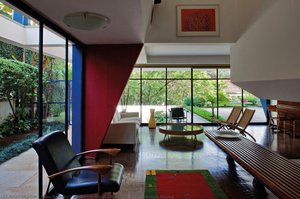
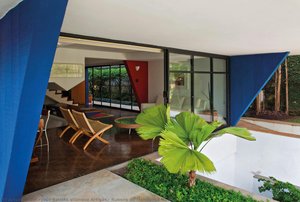
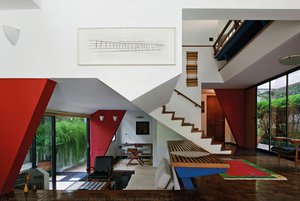
João Batista Vilanova Artigas’s ‘House Elza Berquó’: A Brutalist Masterpiece of Brazilian Modernism
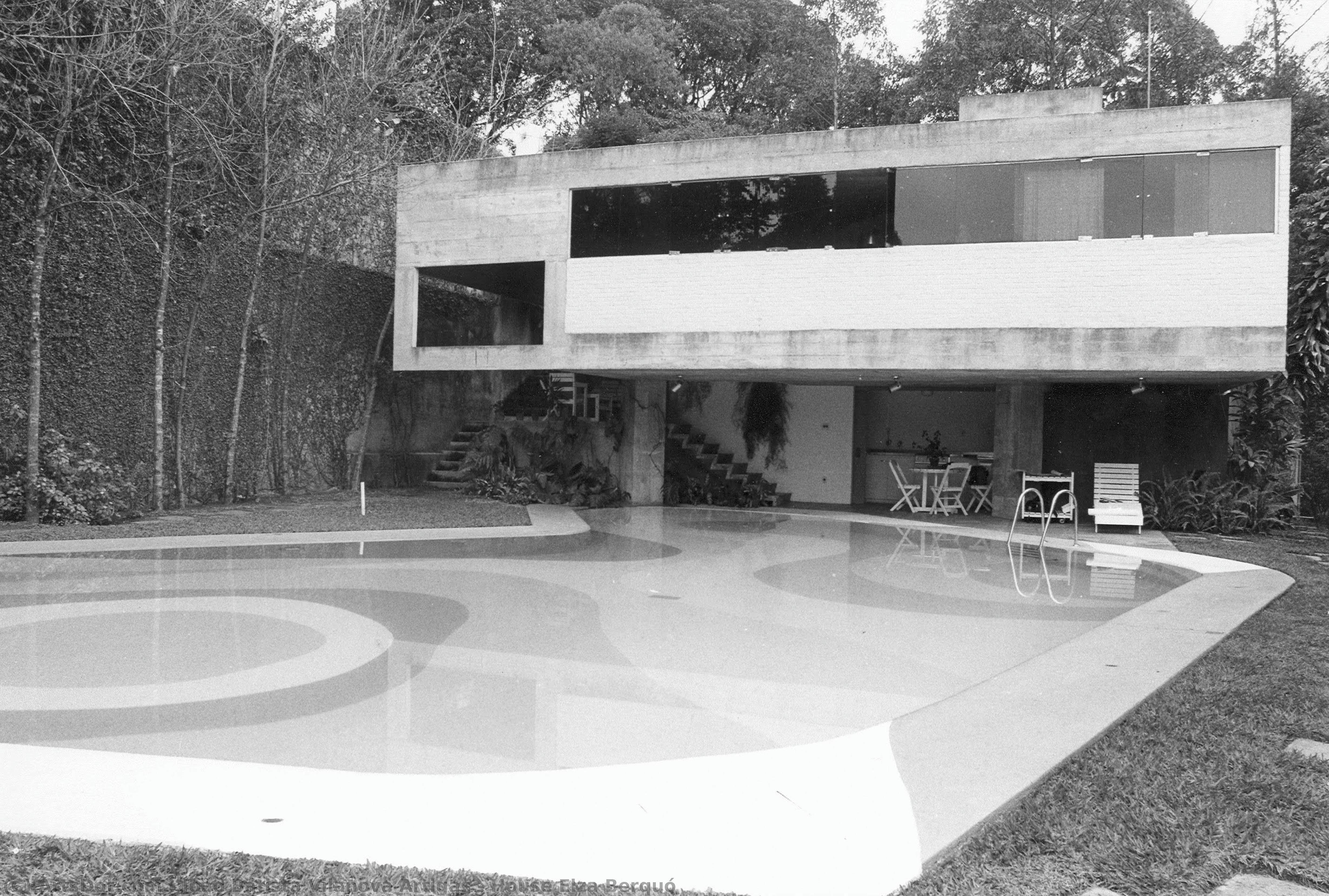
The photograph captures a pivotal moment in the trajectory of Brazilian architecture – the House Elza Berquó, designed by the visionary João Batista Vilanova Artigas. Constructed in 1967 and now presented as a striking black-and-white image, this residence transcends mere shelter; it’s a profound statement on social responsibility, artistic expression, and the very essence of modern living. More than just a building, ‘House Elza Berquó’ embodies Artigas's core philosophy – a belief that architecture should be intrinsically linked to its community and deeply rooted in the Brazilian landscape.
Artigas, a foundational figure of São Paulo’s Paulista School, emerged as a radical voice within Brazilian modernism. His early collaborations with Gregori Warchavchik on the Praça da República remodel demonstrated his burgeoning talent for integrating innovative design with social purpose. However, ‘House Elza Berquó’ represents a significant shift – a bold embrace of Brutalist principles and an exploration of raw materials that would define much of his later work. The house wasn't simply built; it was conceived as a dialogue between the human spirit and the concrete reality of its surroundings.
Form, Materiality, and Structural Drama
The photograph immediately draws the eye to the building’s imposing presence – a testament to Artigas’s masterful manipulation of form and material. Constructed primarily from exposed concrete and brick, the house eschews ornamentation in favor of stark geometric shapes and monumental proportions. The use of these materials isn't merely aesthetic; it speaks to a deliberate rejection of superfluous decoration, reflecting a commitment to honesty and transparency in design. The most striking element is undoubtedly the supporting structure – a series of tree-trunk-like concrete columns that appear to rise organically from the ground, creating an illusion of weightlessness and defying conventional architectural logic.
This innovative structural solution, documented in photographs taken by Nelson Kon, was a groundbreaking feat of engineering. Artigas’s ingenious design allowed for the distribution of roof loads through these timber supports, resulting in a remarkably light and airy interior space. The photograph beautifully captures this interplay between strength and grace – a visual representation of the architect's ability to transform industrial materials into works of art.
A Reflection of Brazilian Identity
‘House Elza Berquó’ is deeply intertwined with the socio-political context of 1960s Brazil. Artigas, a member of the Communist Party, faced significant challenges during this period, ultimately leading to his removal from academia. Despite these obstacles, he continued to push boundaries and explore new architectural languages. The house itself can be interpreted as a symbol of resilience – a testament to the enduring spirit of Brazilian modernism in the face of adversity.
The design’s simplicity and functionality also reflect a broader cultural shift towards social housing and community-oriented architecture. Artigas believed that buildings should serve not only as shelters but also as spaces for social interaction and personal growth. ‘House Elza Berquó,’ with its open floor plan and connection to the surrounding landscape, embodies this philosophy perfectly.
Symbolism and Emotional Resonance
Beyond its technical brilliance, ‘House Elza Berquó’ possesses a powerful emotional resonance. The stark contrast between the rough texture of concrete and the smooth curves of the swimming pool evokes a sense of tension and harmony – mirroring the complexities of human experience. The photograph's muted tones and dramatic lighting create an atmosphere of quiet contemplation, inviting viewers to reflect on the relationship between architecture, nature, and the individual.
The image’s enduring appeal lies in its ability to capture both the grandeur and the intimacy of this remarkable building. It is a reminder that great architecture can be not only visually stunning but also deeply meaningful – a reflection of our hopes, dreams, and aspirations for the future. Reproductions of ‘House Elza Berquó’ offer a unique opportunity to bring this iconic piece of Brazilian modernism into your own home, celebrating Artigas's legacy and his profound contribution to the world of architecture.
Похожие произведения
Биография художника
A Pioneer of Brazilian Modernism: The Life and Legacy of João Batista Vilanova Artigas
João Batista Vilanova Artigas, born in Curitiba, Brazil, in 1915, stands as a monumental figure in the evolution of Brazilian architecture. More than simply a builder of structures, Artigas was a visionary who sought to imbue his designs with social responsibility and artistic expression, ultimately becoming the founding father of the Paulista School. His journey began at the Polytechnic School of the University of São Paulo, where he earned his degree in 1937, an education that would serve as the bedrock for a career defined by innovation and a deep commitment to the Brazilian people. An early formative experience was his collaboration with Gregori Warchavchik on the ambitious remodeling of Praça da República, a project that hinted at the modernist sensibilities he would soon champion. From 1941 to 1947, Artigas dedicated himself to academia, shaping young minds as a professor of aesthetics, architecture, and planning at the University of São Paulo. This period culminated in the prestigious Guggenheim Fellowship awarded in 1946, solidifying his growing reputation within architectural circles and providing him with invaluable opportunities for international exposure.Early Influences and Architectural Style
Artigas’s architectural style wasn't static; it was a dynamic process of exploration and refinement, reflecting both the changing currents of global design and his own evolving artistic vision. His work is generally understood through three distinct phases. The initial period, from 1937 to 1945, clearly demonstrates the influence of Frank Lloyd Wright, particularly in his residential designs—a focus on organic forms and a harmonious integration with the surrounding landscape. This was followed by a transitional phase, spanning roughly from 1945 to the mid-1950s, where Artigas began incorporating elements of the International Style, experimenting with curtain walls and pilotis in larger projects. However, it was during his final period, from the 1960s through the 1970s, that he truly found his voice—a dramatic style heavily influenced by Brutalism, characterized by its raw concrete aesthetic and monumental scale. This phase saw him tackle large-scale public buildings with a boldness and expressiveness that would become his signature. Among his most celebrated works are the House Ariosto Martirani, an early example showcasing Wright’s influence; the House Elza Berquó, demonstrating a minimalist aesthetic infused with striking geometric abstraction and Brutalist undertones; and the Guarulhos Gymnasium, representing his later, more dramatic style characterized by concrete expressionism. These projects collectively highlight his mastery of materials—particularly reinforced concrete—and his unwavering commitment to addressing social needs through thoughtful architectural design.Academic Contributions and Recognition
From 1941 to 1947, Artigas devoted himself to academia, shaping young minds as a professor of aesthetics, architecture, and planning at the University of São Paulo. This period solidified his understanding of architectural theory and practice, fostering a generation of Brazilian architects who would carry forward his vision. The Guggenheim Fellowship awarded in 1946 provided him with unparalleled access to European avant-garde movements and broadened his intellectual horizons. He championed the importance of artistic expression within the built environment, arguing that architecture should serve as a vehicle for conveying cultural values and promoting social progress. His influence extended beyond the classroom, shaping debates about architectural innovation and ethical responsibility.Major Projects and The Paulista School
Artigas’s prolific career produced over 700 projects—ranging from residential buildings to urban spaces to monumental structures—that exemplify his distinctive style and commitment to social ideals. Notable among these are the House Ariosto Martirani, reflecting Wright's organic principles; the House Elza Berquó, embodying minimalist geometric abstraction; and the Guarulhos Gymnasium, showcasing Brutalist concrete expressionism. These buildings stand as testaments to Artigas’s ability to synthesize artistic vision with functional practicality—a hallmark of the Paulista School he founded. This school emphasized structural elements—particularly reinforced concrete—and a profound concern for social needs, challenging conventional architectural norms and paving the way for a new generation of Brazilian architects to explore innovative forms and materials.Legacy and Enduring Influence
João Batista Vilanova Artigas’s legacy extends far beyond his buildings. He was a teacher, a political activist, and a cultural icon who helped define the identity of Brazil—a nation that continues to grapple with questions of social justice and artistic creativity. His belief in “minutiae”—the small details—to elevate a building from mere structure to a work of art, infusing each project with a unique character and sense of place. Artigas’s work stands as a powerful reminder of the potential of architecture to reflect artistic vision, societal values, and a deep commitment to improving the lives of those it serves. He left behind not just buildings, but a philosophy—a belief that architecture could be a force for positive change in the world. His influence continues to inspire architects today, urging them to embrace innovation while upholding ethical considerations.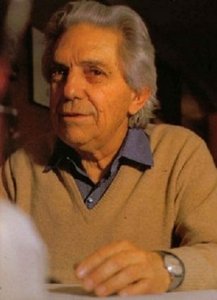
Жоао Батиста Виланова Артигас
1915 - 1985 , Бразилия
Основные сведения
- Artistic Movement Or Style: Modernism, Brutalism
- Artists Or Movements Influenced By This Artist: ['Paulista School']
- Artists Who Influenced This Artist: ['Frank Lloyd Wright']
- Date Of Birth: 1915
- Date Of Death: 1985
- Full Name: João Batista Vilanova Artigas
- Nationality: Brazilian
- Notable Artworks:
- House Ariosto Martirani
- House Elza Berquó
- Guarulhos Gymnasium
- Place Of Birth: Curitiba, Brazil
Похожие статьи

Benedito Calixto: A Brazilian Modernist's Landscape of Memory & National Identity
Explore the captivating world of Benedito Calixto, a pivotal Brazilian Modernist painter. Discover his iconic landscapes, the story behind the famous Bandeirante portrait, and his lasting impact on Brazilian national identity. Learn more at ArtsDot.
Rafael Barradas: Bridging Brazilian Modernism with European Influences
Explore the life & art of Rafael Barradas, a pioneering Uruguayan modernist who blended European influences with vibrant local heritage. Discover his unique 'Vibrationism' style and investment potential.

Charles Sheeler Jr.: Precisionism, Industrial Aesthetics & the American Modernist Vision
Explore the groundbreaking work of Charles Sheeler Jr., a pivotal figure in American Precisionism. Discover his iconic industrial landscapes, photographic studies & lasting influence on modernist art. Expert insights for collectors.

Jean-Baptiste Debret: Witnessing Brazil’s Emergence Through Art & Identity
Explore the captivating art of Jean-Baptiste Debret, a key witness to Brazil’s imperial era. Discover his iconic portraits, historical scenes & insightful depictions of Brazilian life. Learn about his legacy and find museum-quality reproductions at ArtsDot.
Alceu de Paula Penna: A Synthesis of Brazilian Modernism & Poetic Abstraction
Explore the captivating world of Alceu de Paula Penna, a pivotal figure in Brazilian Modernism. Discover his innovative concrete poetry & influence on Latin American art history. Expert insights for collectors.