 Предпросмотр
 Поделиться
 Поделиться
 Детали произведения

 Скачать
 Похожие работы
 Рентгенография
 Слайд-шоу
 Статистика
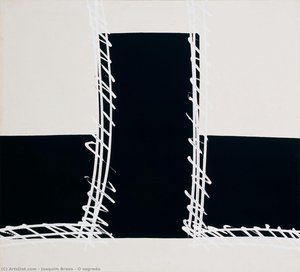
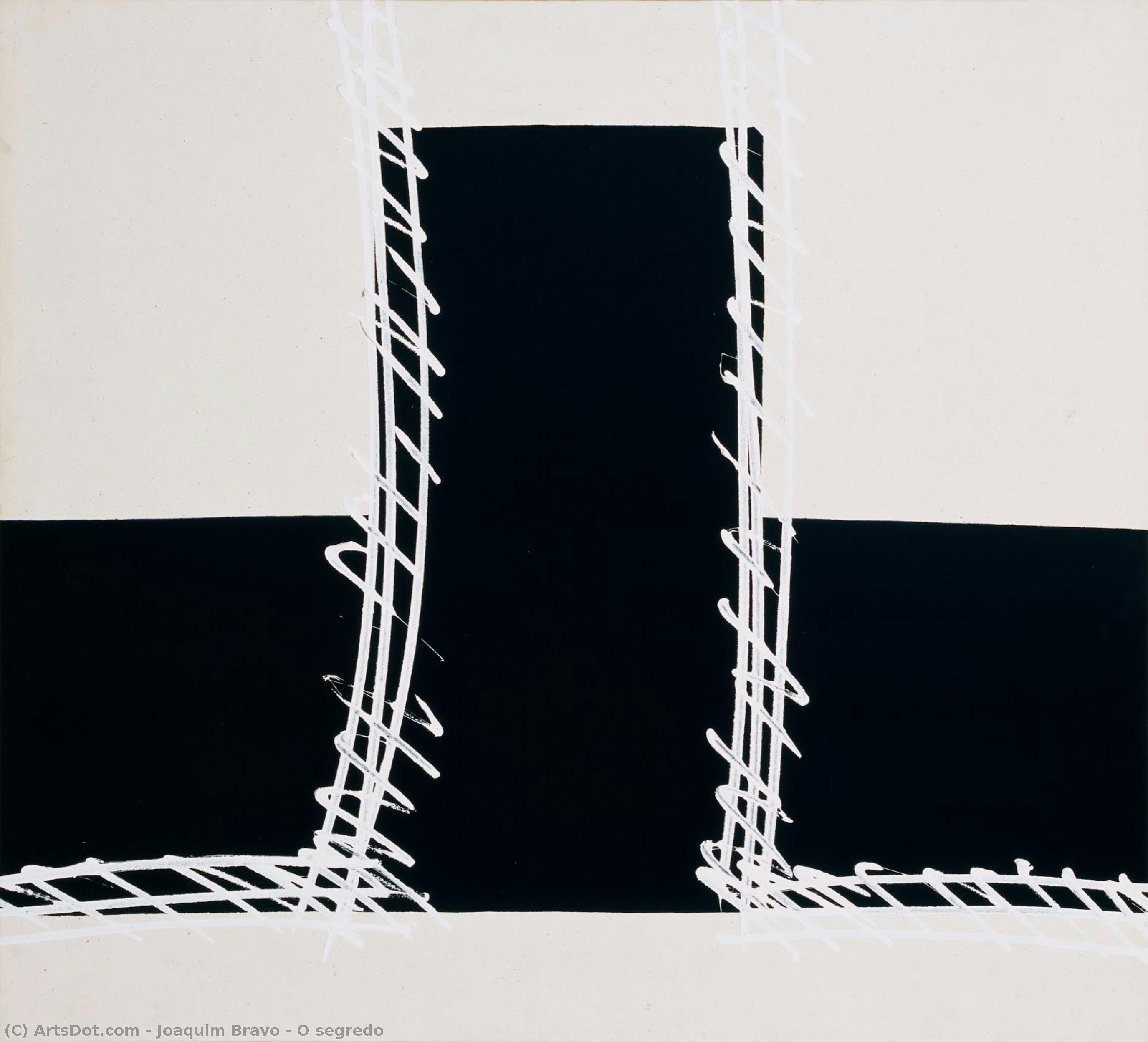
О секрете
 Акрил на холсте
- Настенный декор
- Geometric Abstraction
 1985
1985 100.0 x 110.0 cm
 Culturgest - Fundação Caixa Geral de Depósitos
 Читать далее
Жикле / Арт-принт
Печать (жикле) или холст музейного качества с быстрыми сроками изготовления и широким выбором вариантов отделки. ( Купить картину ручной работы Перейти к цифровым изображениям)




P118B $10

P118H $10

P118W $10

P438Z $10

P508JH $12

P508YH $12

P805H $10

P805Z $10

P919BZ $10

P919G $10

P919XJ $10

P959ZH $10

P968JZ $12

W106C $8

W218G $10

W218JH $8

W218Y $10

W307PJ $10

W316G $10

W316PJ $8

W316Y $10

W398PJ $8

W4111J $10

W500HY $15

W500JH $15

W692G $12

W849H $8

W940BG $15

W953PJ $8




Выберите один из наших стандартных размеров, соответствующих оригинальным пропорциям произведения искусства.

Вы можете указать свои собственные размеры, чтобы репродукция идеально подошла под конкретную раму или пространство. Если выбранный вами размер не будет соответствовать пропорциям оригинала, мы либо обрежем произведение, либо дополним изображение зеркальным отражением краев или однотонной заливкой. Перед началом производства вам будет отправлен цифровой макет для утверждения.
Пожалуйста, обратите внимание, что предварительный просмотр на экране не отображает фактическую обрезку или расширение изображения. Только макет точно покажет финальную композицию.
Несмотря на возможность заказа индивидуальных размеров, мы рекомендуем выбирать размер из предопределенного списка, чтобы сохранить оригинальные пропорции.
Доставка по всему миру () за 2 недели вместо стандартных 4/5 недель. (12 Сентябрь)

Бесплатная экспресс-доставка по всему миру

Высококачественный льняной холст

Полное страхование доставки

Гарантия возмещения таможенных пошлин

Гарантия точного соответствия цветов

100-дневная политика возврата (только при обнаружении дефектов)

Гарантия возврата 100% средств

Предложение оптовых скидок
 Вариант со стеклом доступен только для размеров менее 110 см

О секрете
Жикле / Арт-принт
Размер репродукции
-


Итоговая стоимость
$ 62
Joaquim Bravo: A Pioneer of Geometric Abstraction
Joaquim Bravo (1935 – 1990) emerged from Évora, Portugal, as a singular voice in the burgeoning Portuguese art scene of the 1960s. His artistic journey wasn’t marked by formal training but rather by an innate passion for literature and philosophy—influences that profoundly shaped his distinctive visual language. Alongside fellow artists Álvaro Lapa, António Charrua, and António Palolo, Bravo formed a collaborative group dedicated to exploring new expressive horizons beyond traditional conventions. This intellectual engagement fueled his artistic impulse, resulting in paintings characterized by both geometric precision and subtle symbolic resonance.Early Years & Influences: The Seeds of Innovation
Bravo’s formative years were steeped in the humanist traditions of Évora, fostering a deep appreciation for intellectual discourse. His exposure to European avant-garde movements—particularly Mondrian and Piet Mondrian's exploration of orthogonal lines—served as crucial catalysts for his stylistic evolution. This fascination with Mondrian’s reductive aesthetic – prioritizing geometric forms against a monochrome background – instilled in Bravo a conviction that art could transcend mere representation, striving instead for an uncompromising distillation of visual experience. It was this belief that would ultimately propel him toward the groundbreaking geometric abstraction that defines his oeuvre.The Geometric Aesthetic: Precision and Balance
Bravo’s breakthrough came with his embrace of geometric abstraction. Rejecting representational imagery, he prioritized fundamental forms – squares, rectangles, circles – arranged in meticulously balanced compositions. This approach wasn't merely decorative; it aimed to distill visual experience into its purest essence, mirroring the philosophical quest for clarity and order. He sought to capture not what *looked* like something, but rather what *felt* like something—a profound simplification of perception that resonated with the spirit of the time. Bravo’s canvases became meditations on form itself, embodying a humanist ideal of intellectual rigor and aesthetic elegance.Notable Works: Exploring Boundaries
Among Bravo's most celebrated paintings are “Bebedouro,” “O Segredo,” and “Untitled.” “Bebedouro” exemplifies his masterful use of black and white fields punctuated by delicate lines—a technique reminiscent of Dutch landscape painters from the XVII century, hinting at a conceptual framework rooted in observation and contemplation. Similarly, “Untitled” showcases Bravo’s ability to convey complex ideas through simplified geometric forms. These works stand as testaments to Bravo's unwavering commitment to exploring the expressive potential of abstraction, demonstrating how seemingly austere visual elements could communicate profound emotional depth.Symbolism & Emotional Impact: Mapping Territory
The stark contrast between black and white—a deliberate choice reflecting Bravo’s influence by Mondrian—creates a palpable tension within “O Segredo.” The interwoven lines, like subtle underlining, subtly disrupt any sense of rigid structure, suggesting an ongoing dialogue between form and space. As Delfim Sardo eloquently observed, the painting evokes "a memory of a plane," mirroring the frontiers that divide up Piet Mondrian’s chromatic fields—a visual metaphor for exploration and boundaries. Bravo's art invites viewers to contemplate not just what is seen but also what is felt—a testament to his enduring legacy as one of Portugal’s foremost geometric abstractionists.Похожие произведения
Биография художника
Joaquim Bravo: A Pioneer of Geometric Abstraction
Joaquim Bravo (1935 – 1990) emerged from Évora, Portugal, as a singular voice in the burgeoning Portuguese art scene of the 1960s. His artistic journey wasn’t marked by formal training but rather by an innate passion for literature and philosophy—influences that profoundly shaped his distinctive visual language. Alongside fellow artists Álvaro Lapa, António Charrua, and António Palolo, Bravo formed a collaborative group dedicated to exploring new expressive horizons beyond traditional conventions. This intellectual engagement fueled his artistic impulse, resulting in paintings characterized by both geometric precision and subtle symbolic resonance.- Early Years & Influences: Bravo’s formative years were steeped in the humanist traditions of Évora, fostering a deep appreciation for intellectual discourse. His exposure to European avant-garde movements—particularly Mondrian and Piet Mondrian's exploration of orthogonal lines—served as crucial catalysts for his stylistic evolution.
- The Geometric Aesthetic: Bravo’s breakthrough came with his embrace of geometric abstraction. Rejecting representational imagery, he prioritized fundamental forms – squares, rectangles, circles – arranged in meticulously balanced compositions. This approach wasn’t merely decorative; it aimed to distill visual experience into its purest essence, mirroring the philosophical quest for clarity and order.
- Notable Works: Among Bravo's most celebrated paintings are “Bebedouro,” “O Segredo,” and “Untitled.” “Bebedouro” exemplifies his masterful use of black and white fields punctuated by delicate lines—a technique reminiscent of Dutch landscape painters from the XVII century, hinting at a conceptual framework rooted in observation and contemplation. Similarly, "Untitled" showcases Bravo's ability to convey complex ideas through simplified geometric forms.
Collaborative Spirit & Artistic Community
- Grupo Évora: Bravo’s association with Álvaro Lapa, António Charrua and António Palolo constituted the core of Grupo Évora—a collective committed to challenging artistic orthodoxies. This group actively debated aesthetic principles and stylistic experimentation, fostering an environment conducive to innovation and intellectual exchange.
- Shared Vision: The artists recognized that true creativity demanded a dialogue with tradition while simultaneously venturing into uncharted territory. Bravo’s work reflects this spirit of inquiry—a willingness to question established norms and embrace new visual vocabularies.
Recognition & Legacy
- Exhibitions & Museums: Bravo's paintings gained international acclaim, appearing in exhibitions at Worcester College (Oxford), UK; Museu José Malhoa (Caldas da Rainha), Portugal; and the Government Art Collection (London).
- Collection Culturgest: His oeuvre is prominently featured in the Culturgest – Fundação Caixa Geral de Depósitos collection—a testament to his enduring influence on Portuguese art history.
- Continuing Inspiration: Joaquim Bravo’s legacy continues to inspire contemporary artists who grapple with questions of abstraction and symbolism. He remains a pivotal figure in Portugal's modernist canon, demonstrating the transformative power of intellectual curiosity combined with artistic conviction.
Further Exploration
- Online Resources: For more information about Joaquim Bravo’s life and work, visit Joaquim Bravo's Page on ArtsDot.
- Collections: Discover the Joaqim Bravo Collection on ArtsDot.
- Related Artists: Explore Álvaro Lapa, António Charrua and António Palolo’s artistic contributions on ArtsDot.
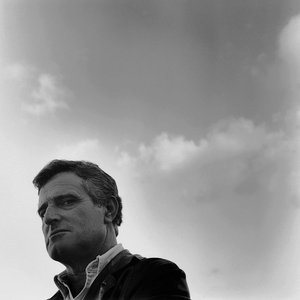
Joaquim Bravo
1935 - 1990 , Portugal
Основные сведения
- Artistic Movement Or Style: Abstract geometric painting
- Artists Or Movements Influenced By This Artist:
- Mondrian
- Dutch dikes
- Artists Who Influenced This Artist:
- Álvaro Lapa
- António Charrua
- António Palolo
- Date Of Birth: Évora, Portugal (1935)
- Date Of Death: 1990
- Full Name: Joaquim Bravo
- Nationality: Portuguese
- Notable Artworks:
- Bebedouro
- O segredo
- Untitled
- Place Of Birth: Évora
Похожие статьи

Топ-25 шедевров Василия Кандинского: Абстрактное искусство для вашего интерьера
Погрузитесь в мир абстрактного искусства с Василием Кандинским! 25 шедевров экспрессионизма, баухауса и русского авангарда. Репродукции картин Кандинского для вдохновения и декора вашего интерьера. Откройте всю коллекцию на ArtsDot.com

Геометрическая абстракция: 10 шедевров, изменивших искусство | ArtsDot.com
Погрузитесь в мир геометрической абстракции! От Кандинского до Малевича – 10 шедевров, изменивших искусство. Узнайте историю создания и значение культовых картин. Репродукции музейного качества на ArtsDot.com. Вдохновение для вашего интерьера!

Белые шедевры: 10 знаменитых картин, покоривших мир (репродукции, декор)
Откройте для себя 10 знаменитых картин, где белый цвет – главный герой! Моне, Дега и другие мастера. История искусства, техники живописи и вдохновение для вашего интерьера. Репродукции высокого качества на ArtsDot.com
Beyond Form & Color: Geometric Abstraction's Evolution in 20th/21st Century Art
Explore the evolution of geometric abstraction from Cubism to contemporary art. Discover key artists like Malevich & Mondrian, investment insights, and expert collecting advice at ArtsDot.
Казимир Малевич: 25 шедевров супрематизма для ценителей искусства и декора интерьера
Погрузитесь в мир супрематизма с Казимиром Малевичем! 25 культовых картин, история создания и значение. Репродукции высокого качества для вашего интерьера на ArtsDot.com. Откройте всю коллекцию онлайн!