

 Предпросмотр
 Поделиться
 Поделиться
 Детали произведения

 Скачать
 Похожие работы
 Рентгенография
 Слайд-шоу
 Статистика
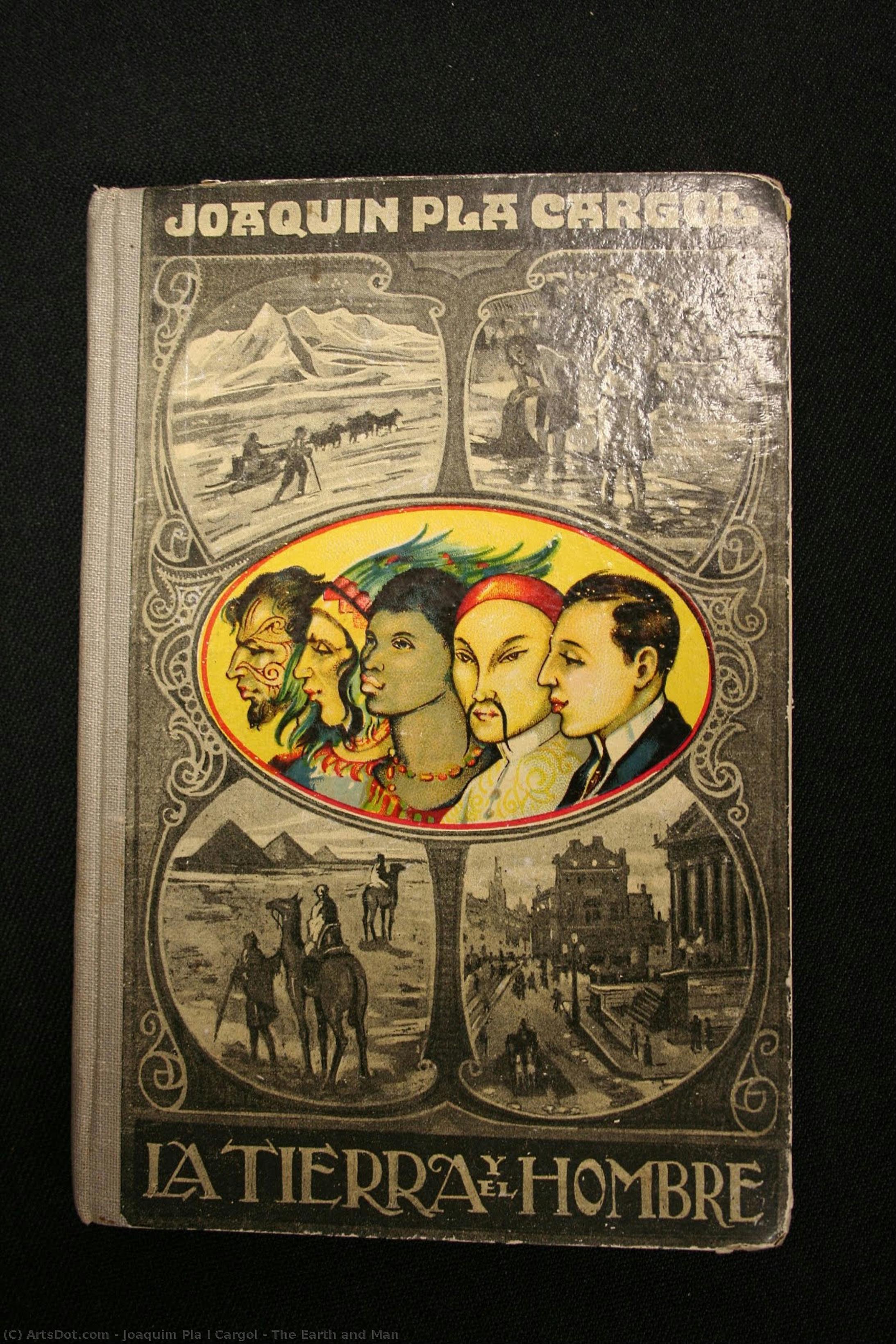
The Earth and Man
 2.0 x 1.0 cm
 Museo Pedagógico de Aragón
 Читать далее
Приобретите цифровое изображение высокого разрешения в улучшенном качестве, которое значительно превосходит онлайн-превью.
Каждый файл тщательно подготавливается нашими специалистами с использованием передовых инструментов и экспертной ручной ретуши. Мы гарантируем исключительную четкость, точную цветопередачу и детальную проработку каждого изображения.
Финальный файл доставляется по электронной почте в течение 72 часов и оптимизирован для немедленного использования в профессиональной среде, при верстке и печати. Это тот же уровень качества, которому доверяют ведущие дизайнерские студии, издательства и галереи.
Цифровое изображение
Скачайте файл высокого разрешения для личного использования, печати и творческих проектов. ( Перейти к печати Купить картину ручной работы)
Включено в каждый заказ цифровых изображений
Гарантия экспертной цифровой доставки
Выбирая ArtsDot.com, вы получаете не просто изображение — вы приобретаете профессионально обработанное цифровое произведение искусства, созданное с безупречной точностью и под защитой гарантии качества. Вот всё, что автоматически входит в ваш заказ:

Мгновенная доставка по e-mail
Ваш цифровой файл в высоком разрешении будет отправлен вам по электронной почте в течение 72 часов после оформления заказа — и сразу станет доступен для использования.

Цифровой файл с ИИ-улучшением
Ваше произведение искусства проходит профессиональную оптимизацию с использованием передовых инструментов ИИ и ручной обработки, что гарантирует максимальную детализацию, четкость и точность цветопередачи.

Бессрочная бесплатная повторная доставка
Случайно удалили или потеряли файл? Не беспокойтесь — мы отправим его вам повторно в любое время и совершенно бесплатно.

Без импортных пошлин — навсегда
Наслаждайтесь вашим произведением искусства мгновенно без таможенных пошлин, сборов или затрат на доставку — цифровые загрузки всегда не облагаются налогом.

Гарантия точности цветопередачи
Мы гарантируем, что ваше цифровое изображение максимально точно передает оригинальные цвета благодаря использованию профессиональных инструментов и систем управления цветом.

Гарантия удовлетворенности 100 дней
Если вы не будете удовлетворены своим цифровым изображением, мы внесем правки или вернем 100% стоимости в течение 100 дней — без лишних вопросов.

100% Гарантия возврата средств
Не удовлетворены покупкой? Получите полный возврат средств в течение 100 дней после получения цифрового файла — без лишних вопросов.

Скидки на оптовые заказы
Купите 3 изображения, сэкономьте 10% — Купите 5, сэкономьте 15% — Купите 10+, сэкономьте 20%. Отличное решение для творческих проектов, галерей и агентств.
Похожие произведения









Биография художника
Charles Sheeler: Capturing the Steel and Light of Modern America
Born in Philadelphia in 1883, Charles Rettrew Sheeler Jr.’s artistic journey began not with a traditional path to the easel, but with instruction in industrial drawing and applied arts at the School of Industrial Art. This early grounding proved crucial, shaping his unique perspective on the burgeoning world of American industry and architecture. His formal training included studies at the Pennsylvania Academy of the Fine Arts, where he honed his skills under William Merritt Chase, a prominent figure in the American Impressionist movement – an influence that subtly informed his later work, particularly in the use of light and color.
However, Sheeler’s true artistic awakening occurred during extended travels with his parents and friend Morton Schamberg. These journeys, particularly to Europe in 1904-5 and again in 1908-9, exposed him to the profound impact of Italian Renaissance masters like Giotto, Masaccio, and Piero della Francesca. These artists’ mastery of massing forms – their ability to convey solidity and depth through simple geometric shapes – became a cornerstone of Sheeler's own style. He wasn’t simply copying these painters; he was absorbing their fundamental approach to seeing and representing the world, translating it into his own distinctly American vision.
Returning to Philadelphia in 1909, Sheeler embarked on a period of intense experimentation, influenced by the burgeoning Cubist movement. He collaborated with Schamberg, developing a shared aesthetic that prioritized sharp angles, flattened perspectives, and an almost photographic clarity. This shift was further solidified during his time in Paris, where he encountered Michael and Sarah Stein, early patrons of Picasso and Braque – figures who were pushing the boundaries of modern art. This exposure to radical new ideas fueled his desire to capture the dynamism and complexity of the industrial age.
The Rise of Precisionism
It was during the 1910s that Sheeler truly established himself as a leading figure in what became known as “Precisionism.” This movement, largely centered around New York City, sought to depict American life with an unprecedented level of detail and clarity. Unlike Impressionism’s focus on fleeting moments and subjective experience, Precisionist artists aimed for objectivity, meticulously rendering the stark realities of urban landscapes, factories, and machinery. Sheeler's photographs of his own home, transforming its rough-hewn spaces into studies of light and shadow, exemplified this approach.
His fascination with industrial architecture proved particularly fruitful. He began documenting local vernacular buildings – barns primarily – recognizing their inherent geometric simplicity and powerful presence. He famously described these structures as “not building a work of art… if it’s beautiful to some of us afterward, it’s beautiful because it functioned.” This pragmatic yet appreciative perspective became central to his artistic philosophy. The photographs he took were not merely records; they were carefully composed studies of form and structure.
Sheeler's photographic practice was inextricably linked to his painting. He began using his own photographs as direct sources for his paintings, layering images and manipulating perspectives to create dynamic compositions that captured the energy and scale of modern American life. This process – translating photography into paint – allowed him to explore themes of industrialization, urbanization, and the relationship between humanity and technology.
Documenting Ford: A Monumental Collaboration
Perhaps Sheeler’s most significant photographic project was his six-week assignment in 1927 documenting the Ford Motor Company's River Rouge factory. Commissioned as part of a promotional campaign for the Model A, this undertaking resulted in thirty-two photographs that offered an unprecedented glimpse into the heart of American industrial might. Rather than focusing on the human element – the workers toiling within the vast complex – Sheeler’s images celebrated the scale and power of the machinery itself.
These photographs were not simply technical documentation; they possessed a strangely compelling beauty, capturing the geometric precision and overwhelming size of the factory floor. They reflected a broader cultural fascination with American progress and productivity during the 1920s, while simultaneously hinting at a subtle sense of unease – a feeling that this relentless pursuit of efficiency was transforming the very nature of work and human experience. The images were later used in the short film *Manhatta*, alongside Paul Strand, further solidifying Sheeler’s contribution to early cinema.
Legacy and Influence
Charles Sheeler's impact on 20th-century art is undeniable. His pioneering work in Precisionism helped shape the development of American modernism, influencing a generation of artists who sought to depict the realities of industrial society with clarity and precision. His photographs, paintings, and graphic designs continue to be studied for their innovative use of perspective, composition, and light.
Beyond his technical skill, Sheeler’s legacy lies in his ability to find beauty and significance in the seemingly mundane – in the repetitive rhythms of factory production, the stark geometry of urban landscapes, and the simple elegance of vernacular architecture. He demonstrated that even the most ordinary subjects could be transformed into powerful works of art through careful observation and a unique artistic vision. He died in 1965, leaving behind a rich body of work that continues to resonate with viewers today.

joaquim pla i cargol
1883 - 1977 , Spain
Основные сведения
- Artistic Movement Or Style:
- Precisionism
- Photography
- Artists Or Movements Influenced By This Artist:
- Cubism
- Impressionism
- Artists Who Influenced This Artist:
- Édouard Manet
- William Chase
- Date Of Birth: 1883
- Date Of Death: 1965
- Full Name: Charles Sheeler
- Nationality: American
- Notable Artworks:
- Manhatta
- Ford Factory
- Place Of Birth: Philadelphia, USA