

 Предпросмотр
 Поделиться
 Поделиться
 Детали произведения

 Скачать
 Похожие работы
 Рентгенография
 Слайд-шоу
 Статистика
Vegetables in the Kitchen garden


 Читать далее
Приобретите цифровое изображение высокого разрешения в улучшенном качестве, которое значительно превосходит онлайн-превью.
Каждый файл тщательно подготавливается нашими специалистами с использованием передовых инструментов и экспертной ручной ретуши. Мы гарантируем исключительную четкость, точную цветопередачу и детальную проработку каждого изображения.
Финальный файл доставляется по электронной почте в течение 72 часов и оптимизирован для немедленного использования в профессиональной среде, при верстке и печати. Это тот же уровень качества, которому доверяют ведущие дизайнерские студии, издательства и галереи.
Цифровое изображение
Скачайте файл высокого разрешения для личного использования, печати и творческих проектов. ( Перейти к печати Купить картину ручной работы)
Включено в каждый заказ цифровых изображений
Гарантия экспертной цифровой доставки
Выбирая ArtsDot.com, вы получаете не просто изображение — вы приобретаете профессионально обработанное цифровое произведение искусства, созданное с безупречной точностью и под защитой гарантии качества. Вот всё, что автоматически входит в ваш заказ:

Мгновенная доставка по e-mail
Ваш цифровой файл в высоком разрешении будет отправлен вам по электронной почте в течение 72 часов после оформления заказа — и сразу станет доступен для использования.

Цифровой файл с ИИ-улучшением
Ваше произведение искусства проходит профессиональную оптимизацию с использованием передовых инструментов ИИ и ручной обработки, что гарантирует максимальную детализацию, четкость и точность цветопередачи.

Бессрочная бесплатная повторная доставка
Случайно удалили или потеряли файл? Не беспокойтесь — мы отправим его вам повторно в любое время и совершенно бесплатно.

Без импортных пошлин — навсегда
Наслаждайтесь вашим произведением искусства мгновенно без таможенных пошлин, сборов или затрат на доставку — цифровые загрузки всегда не облагаются налогом.

Гарантия точности цветопередачи
Мы гарантируем, что ваше цифровое изображение максимально точно передает оригинальные цвета благодаря использованию профессиональных инструментов и систем управления цветом.

Гарантия удовлетворенности 100 дней
Если вы не будете удовлетворены своим цифровым изображением, мы внесем правки или вернем 100% стоимости в течение 100 дней — без лишних вопросов.

100% Гарантия возврата средств
Не удовлетворены покупкой? Получите полный возврат средств в течение 100 дней после получения цифрового файла — без лишних вопросов.

Скидки на оптовые заказы
Купите 3 изображения, сэкономьте 10% — Купите 5, сэкономьте 15% — Купите 10+, сэкономьте 20%. Отличное решение для творческих проектов, галерей и агентств.
A Symphony of Verdant Geometry
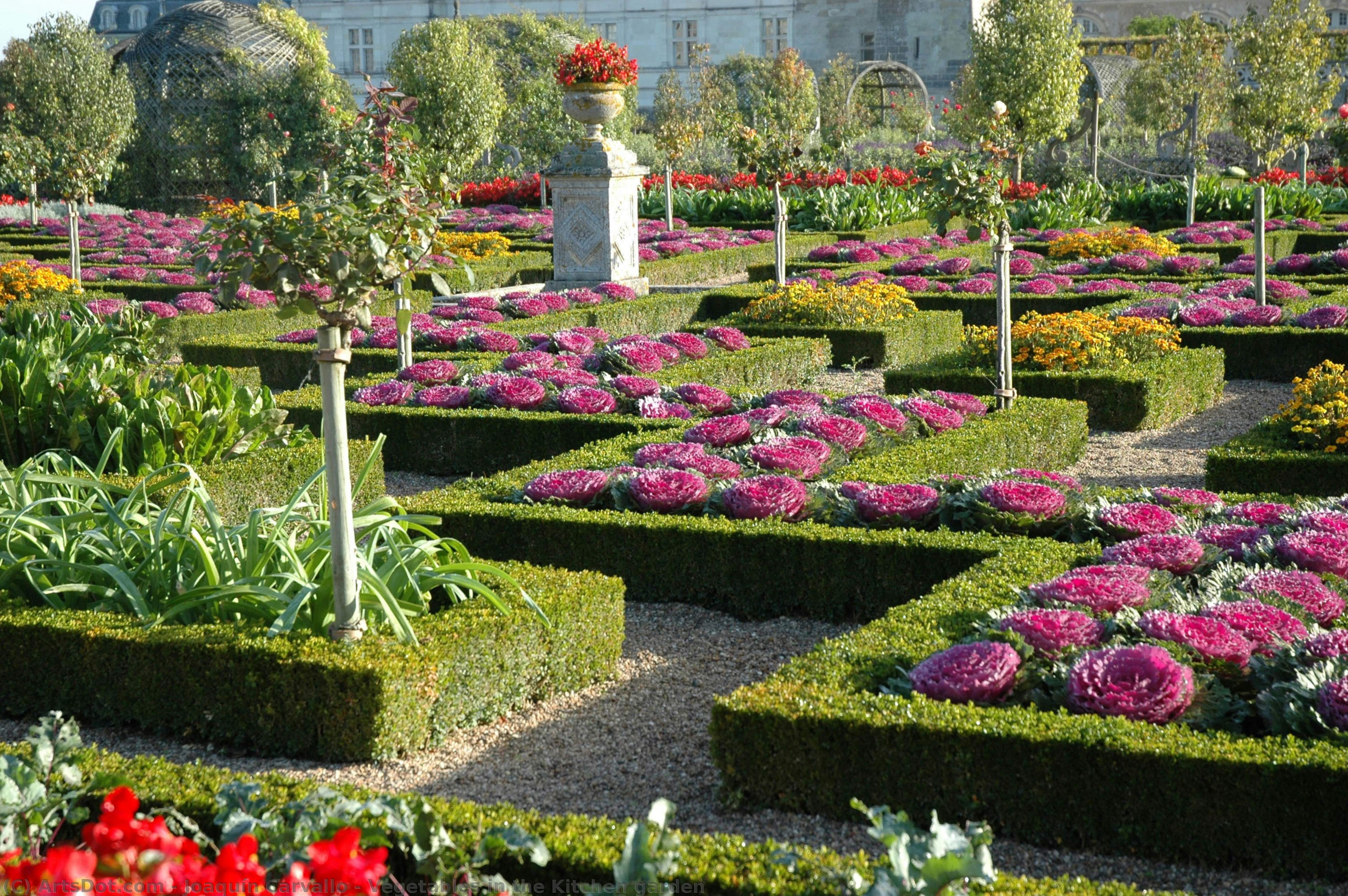
In the breathtaking masterpiece "Vegetables in the Kitchen garden," the viewer is transported into the heart of one of France's most legendary horticultural achievements. The painting captures the essence of the ornamental kitchen garden at Villandry, a space where the boundaries between utility and artistry dissolve into a seamless tapestry of color and form. Through the eyes of Joaquín Carvallo, we do not merely see a collection of crops; we witness a meticulously choreographed dance of nature. The composition is defined by its rhythmic patterns, where the deep blues of leeks, the rich crimsons of beetroot, and the vibrant jade of carrot tops interlock like a living, breathing chessboard. This interplay of hues creates a visual melody that resonates with both the precision of Renaissance design and the wild, organic vitality of the earth itself.)
The technique employed by Carvallo reflects his unique dual identity as both a man of science and a lover of beauty. His brushwork captures the lushness of the greenery with an almost tactile quality, inviting the observer to feel the cool dampness of the soil and the gentle rustle of leaves. The artist masterfully balances the structured, geometric patches—reminiscent of monastic traditions—with the soft, unstructured elegance of scattered flowers and shaded groves. This tension between order and organic growth is what gives the work its profound depth; it is a study in controlled chaos, where every petal and stem serves a larger, harmonious purpose within the grand design of the garden.
Historical Echoes and Symbolic Grandeur
To gaze upon this work is to engage with centuries of European history. Carvallo’s vision is deeply rooted in the 16th-century Renaissance spirit, drawing inspiration from both French monastic heritage and the opulent Italian influence. The geometric crosses within the garden patches evoke the spiritual discipline of medieval monks, while the decorative flourishes suggest the transition toward the jardin d'agrément—the ornamental garden designed for pleasure and aesthetic delight. There is a profound symbolism embedded in the very soil; the symmetrical planting of roses, for instance, serves as a silent tribute to the devotion of those who tended these lands, bridging the gap between the utilitarian needs of the past and the artistic aspirations of the present.
For the discerning collector or interior designer, this painting offers more than mere decoration; it provides an atmospheric anchor. The piece possesses a remarkable ability to breathe life into a room, bringing the tranquility of a sun-drenched French estate indoors. Whether placed in a formal gallery setting or as a focal point in a contemporary living space, "Vegetables in the Kitchen garden" evokes a sense of timelessness and peace. It is an invitation to slow down, to appreciate the intricate details of the natural world, and to surround oneself with the enduring legacy of horticultural mastery.
Похожие произведения
Биография художника
Joaquín Carvallo: The Doctor, the Gardener, and the Soul of Villandry
Joaquín Carvallo (1869-1936) was a figure of remarkable duality – a respected Spanish medical doctor and researcher, and an equally passionate, albeit largely unsung, creator of one of France’s most celebrated gardens. Born in Don Benito, Spain, his life unfolded across continents, culminating in the breathtaking restoration of Château de Villandry, transforming it from a crumbling relic into a vibrant testament to French horticultural artistry. Carvallo's story is not simply that of an artist; it’s one of intellectual curiosity, serendipitous encounters, and a profound love for both medicine and beauty.
Carvallo’s early life was marked by academic achievement. He studied at the Universidad Complutense de Madrid, quickly establishing himself as a brilliant physician. His medical career led him to Paris, where he joined the research team of Dr. Charles Richet, a pioneer in physiology and a Nobel laureate (1913). This association exposed Carvallo to cutting-edge scientific inquiry, particularly in the field of digestion – a subject that would later inform his meticulous approach to garden design. However, it was an unexpected meeting that irrevocably altered the course of his life: through a chance encounter with Ann Coleman, an intern from Lebanon, Pennsylvania, he fell deeply in love. Miss Coleman, inheriting a substantial business fortune, shared a keen interest in art and architecture, and together they embarked on a journey far removed from the sterile environment of Parisian laboratories.
A Love Affair and a Dream Takes Root
The couple’s relocation to France was driven by both love and a shared vision. They sought refuge in a peaceful setting, eventually acquiring the dilapidated Château de Villandry in the Loire Valley. The château, originally constructed in 1536, had fallen into disrepair over centuries, its magnificent gardens largely forgotten. Ann Coleman’s considerable wealth provided the means to realize Carvallo's ambitious dream: to restore the château and its gardens to their former glory – a task that would consume much of his remaining years. This wasn’t merely a restoration project; it was an attempt to recapture the essence of French garden design, a deliberate act of cultural revival.
Carvallo's medical background profoundly influenced his approach to gardening. He meticulously studied historical treatises on horticulture, particularly those attributed to André Le Nôtre, the renowned designer of Versailles. He understood that a garden was not simply an arrangement of plants but a carefully orchestrated composition – a reflection of mathematical precision, geometric harmony, and a deep appreciation for natural forms. His work involved painstaking research into ancient techniques, employing innovative irrigation systems, and selecting plants that would thrive in the Loire Valley’s climate.
A Collection of Art and a Legacy of Beauty
Beyond his horticultural endeavors, Carvallo cultivated a remarkable collection of Spanish art from the 17th century. This passion for art mirrored his appreciation for beauty in all its forms – a sensibility that permeated both his medical practice and his garden design. The château’s walls now display works by masters such as Zurbarán, Alonso Cano, Juan de Arellano, and Berruguete, reflecting the couple's refined taste and their commitment to preserving cultural heritage. The collection stands as a testament to their shared love of art and their desire to create a space that embodied both beauty and intellectual curiosity.
Villandry Today: A Living Masterpiece
Today, Château de Villandry remains one of France’s most popular tourist destinations. Its spectacular gardens – a breathtaking display of geometric patterns, water features, and meticulously arranged flowerbeds – continue to captivate visitors from around the world. Henri Carvallo, the doctor's great-grandson, carries on his ancestor’s legacy, diligently maintaining and expanding the gardens while preserving their historical integrity. The work of Joaquín Carvallo is not confined to a single discipline; it represents a harmonious blend of medicine, art, horticulture, and a profound respect for the past – a testament to a life lived with passion, purpose, and an unwavering dedication to beauty.
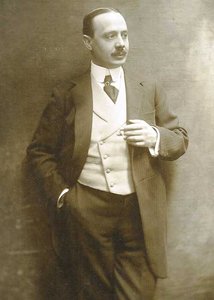
joaquín carvallo
1869 - 1936 , Spain
Основные сведения
- Artistic Movement Or Style: Botanical Art
- Artists Or Movements Influenced By This Artist:
- Zurbarán
- Alonso Cano
- Juan de Arellano
- Berruguete
- Artists Who Influenced This Artist: ['Charles Richet']
- Date Of Birth: 1869
- Date Of Death: 1936
- Full Name: Joaquín Carvallo”
- Nationality: Spanish
- Notable Artworks:
- Aerial view - The Kitchen garden
- French la femme et le
- Place Of Birth: Don Benito, Spain